


Secondary sourceSculpture1737
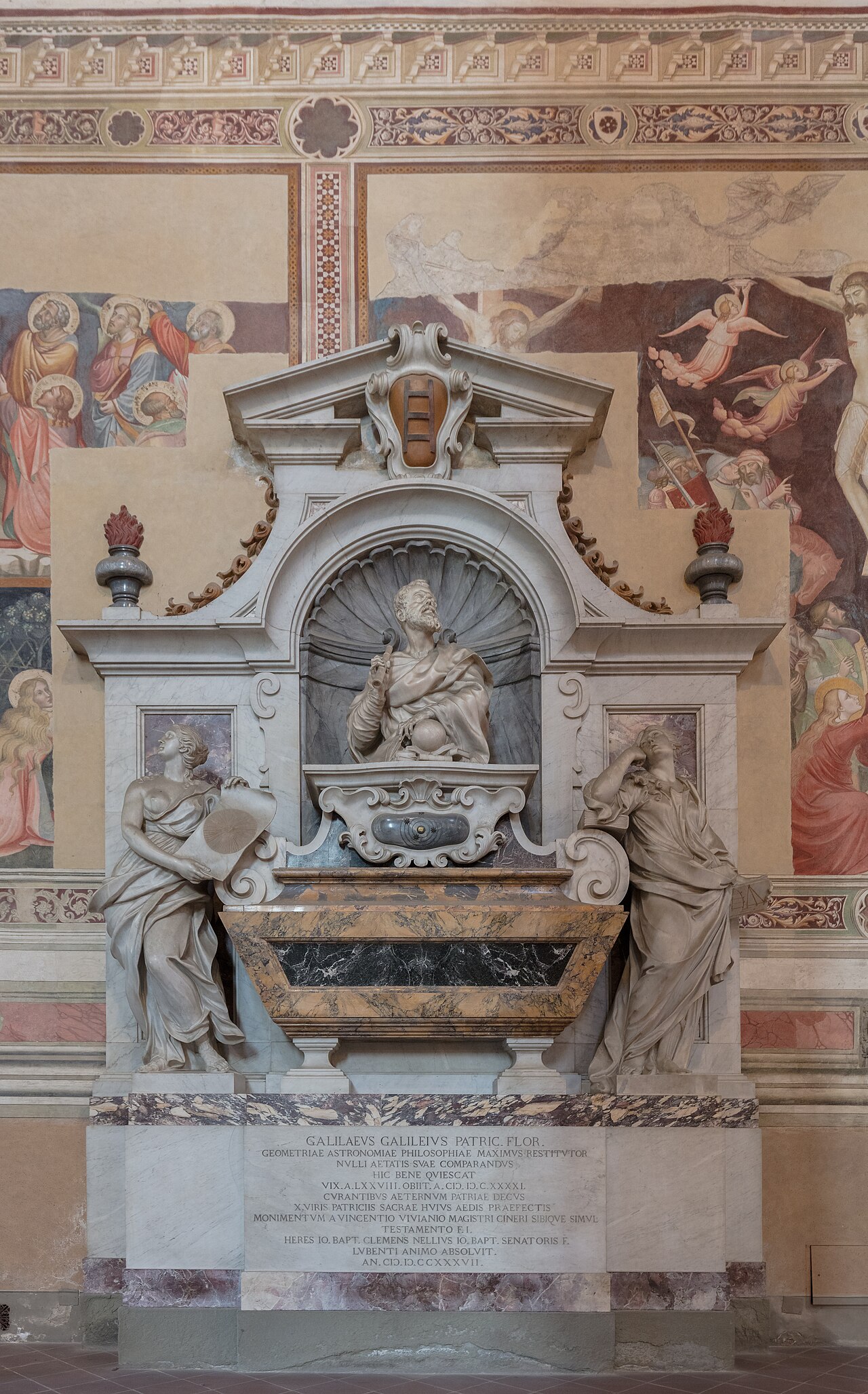
Tomb of Galileo Galilei
1737
The monumental tomb of Galileo in the Basilica of Santa Croce, built decades after his death once the Church's resistance eased.
This tomb was built to honor Galileo decades after his death, marking his eventual rehabilitation in public memory.
About this source
What it is
This is the tomb monument of Galileo Galilei, located in the Basilica of Santa Croce in Florence, Italy. It includes a central bust of a bearded man in a niche, flanked by two marble allegorical female figures, above a sarcophagus and inscription panel.
Why it matters
The tomb was erected only in 1737, long after Galileo's death, reflecting decades of reluctance by the Church to honor a man who had been condemned for his scientific views. Its grand design shows how Galileo's reputation changed over time, from a condemned figure to one celebrated with a monumental memorial inside one of Florence's most important churches.
Look closer
- Why do you think it took so long after Galileo's death for this tomb to be built?
- What do the allegorical figures and bust suggest about how Galileo was meant to be remembered?
- How might the setting, inside a major church, connect to the earlier conflict between Galileo and the Church?
This sculpture is part of the curated material that grounds the AI version of Galileo Galilei on Humy.ai — when students ask about related events, the AI can quote it and cite it.
More Galileo Galilei sources
Meet the AI Galileo Galilei →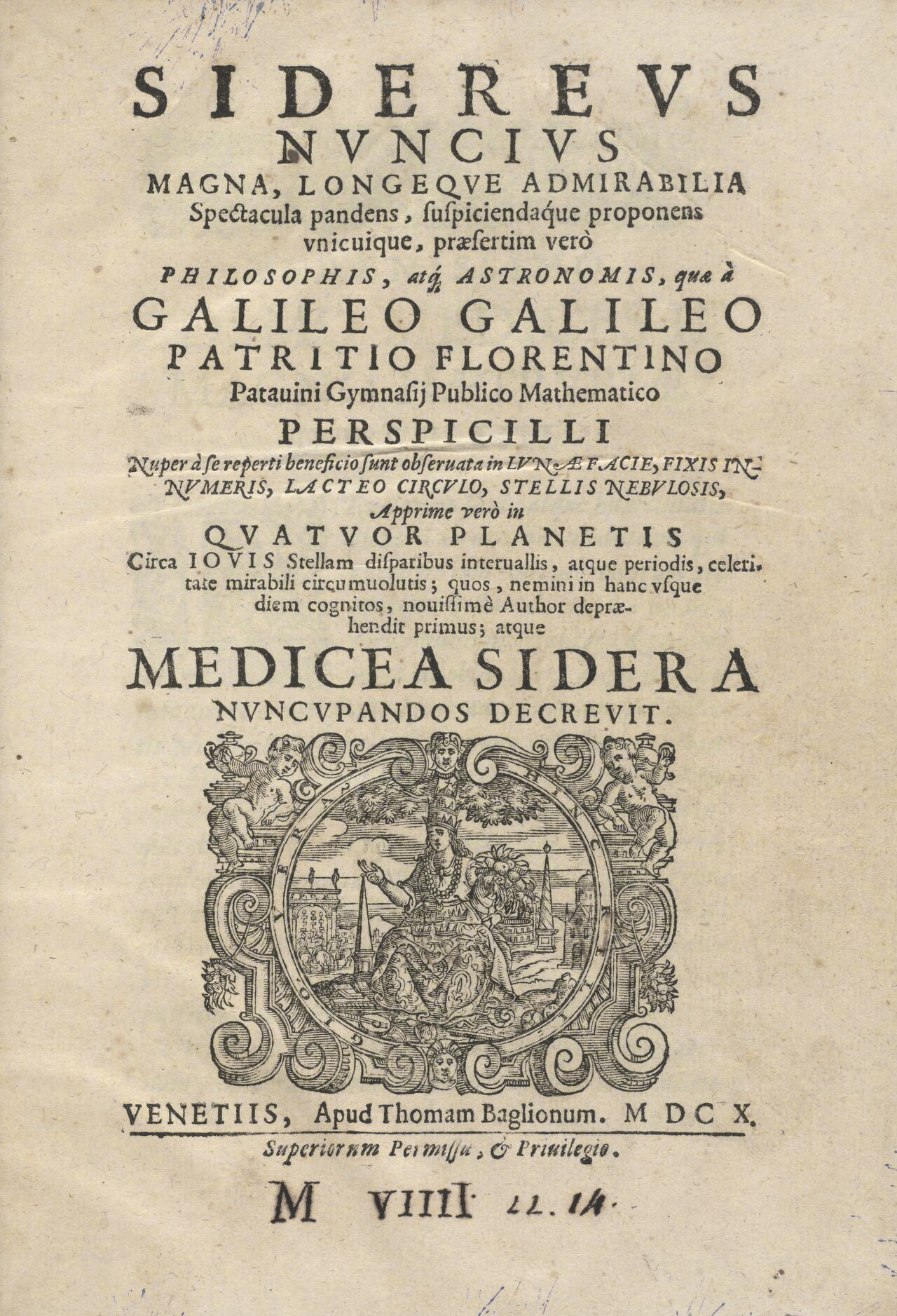 Book
Primary source
Sidereus Nuncius
Galileo Galilei · 1610
 Painting
Primary source
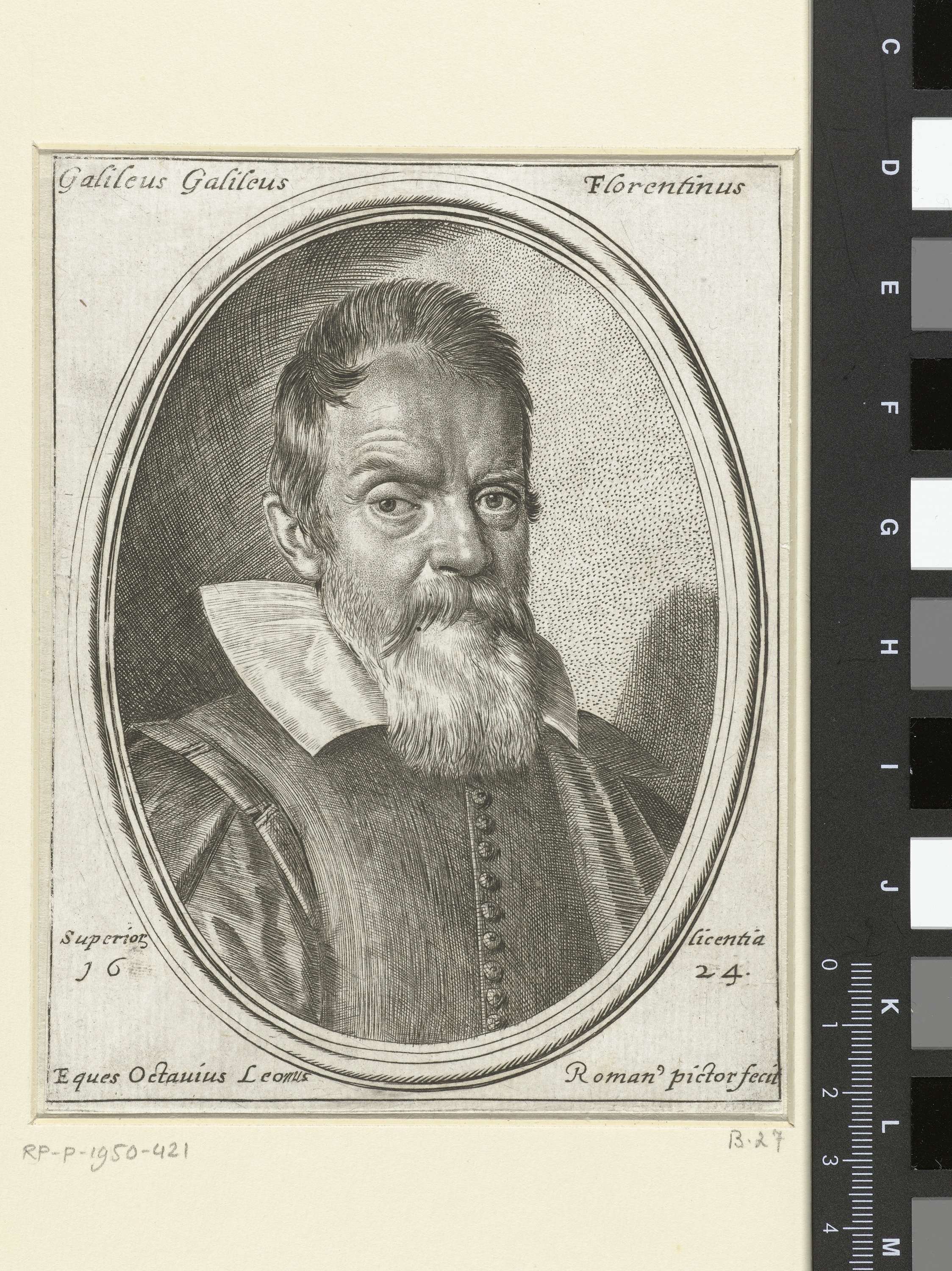
Portrait of Galileo Galilei (1624 print)
1624
 Painting
Primary source
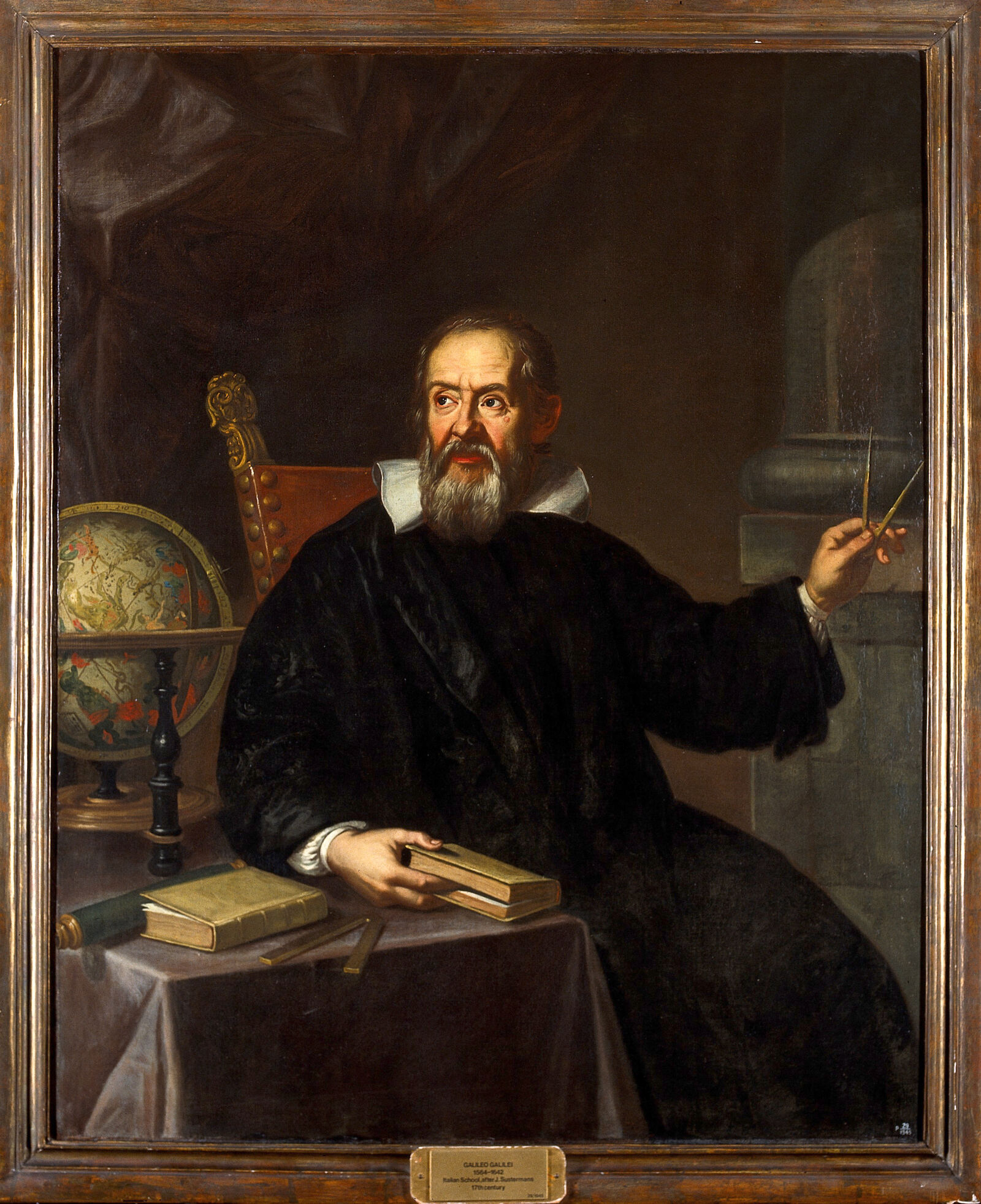
Oil Portrait of Galileo in His Study
Unknown Italian painter · 18th century (?)
 Painting
Primary source
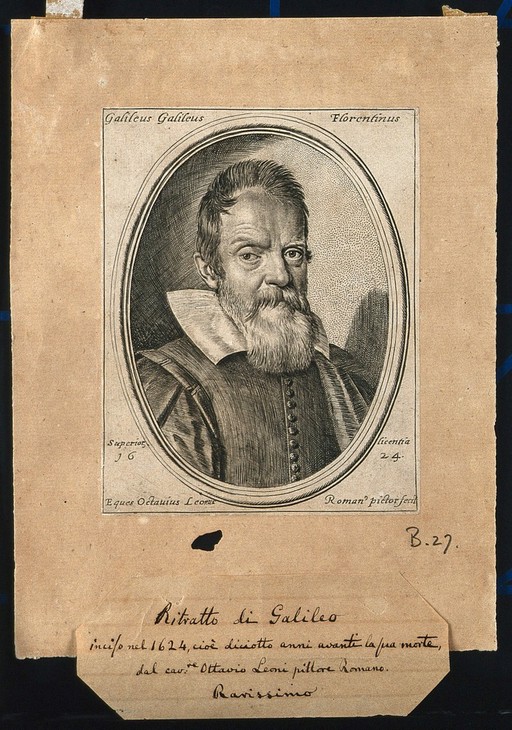
Galileo Galilei, line engraving by Ottavio Leoni
Ottavio Leoni · 1624
 Book
Primary source
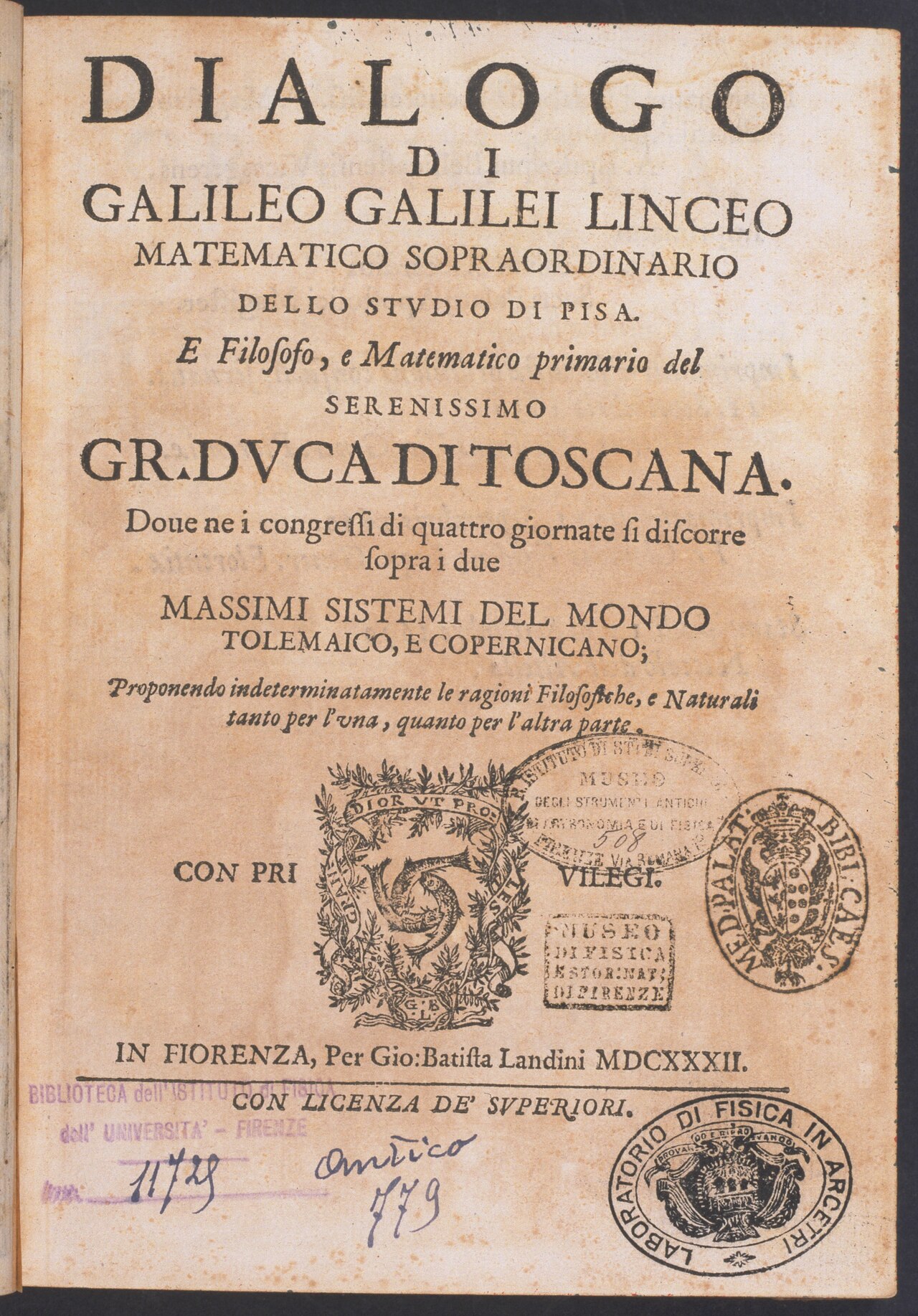
Dialogue Concerning the Two Chief World Systems
Galileo Galilei · 1632
Ready when you are
Start chatting with Galileo Galilei now.
20 messages free · No credit card · Available in 50+ languages.