


Primary sourceSculpture1520s-1530s
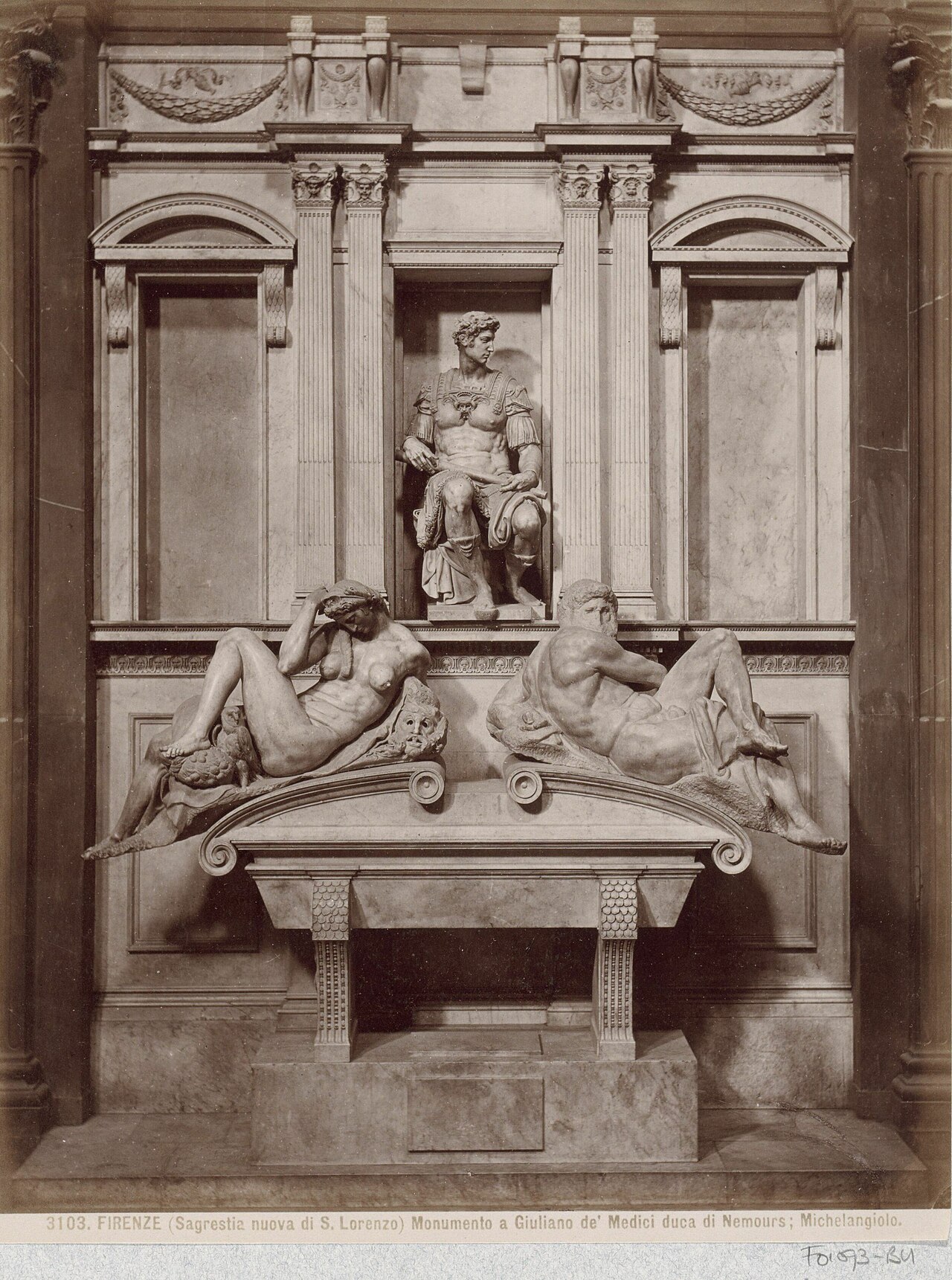
Tomb of Giuliano de' Medici, Duke of Nemours
Michelangelo · 1520s-1530s
A sculptural tomb ensemble by Michelangelo showing the idealized duke seated above reclining figures of Night and Day.
Michelangelo designed and carved this entire tomb ensemble for the Medici family.
About this source
What it is
This is a sculptural tomb ensemble made by Michelangelo for Giuliano de' Medici, Duke of Nemours, located in the New Sacristy of the Medici Chapels in San Lorenzo, Florence.
Why it matters
The seated, idealized statue of Giuliano sits above a sarcophagus flanked by reclining figures personifying Night and Day, representing the passage of time over death. The work reveals how Michelangelo combined architecture and sculpture to create a meditation on mortality for one of the powerful Medici family, patrons central to Renaissance Florence.
Look closer
- Why might Michelangelo have chosen to idealize the duke's appearance rather than show a realistic likeness?
- What do the reclining figures of Night and Day suggest about how time and death were thought about?
- How does placing sculpture within an architectural setting change its effect on a visitor?
This sculpture is part of the curated material that grounds the AI version of Michelangelo Buonarroti on Humy.ai — when students ask about related events, the AI can quote it and cite it.
More Michelangelo Buonarroti sources
Meet the AI Michelangelo Buonarroti →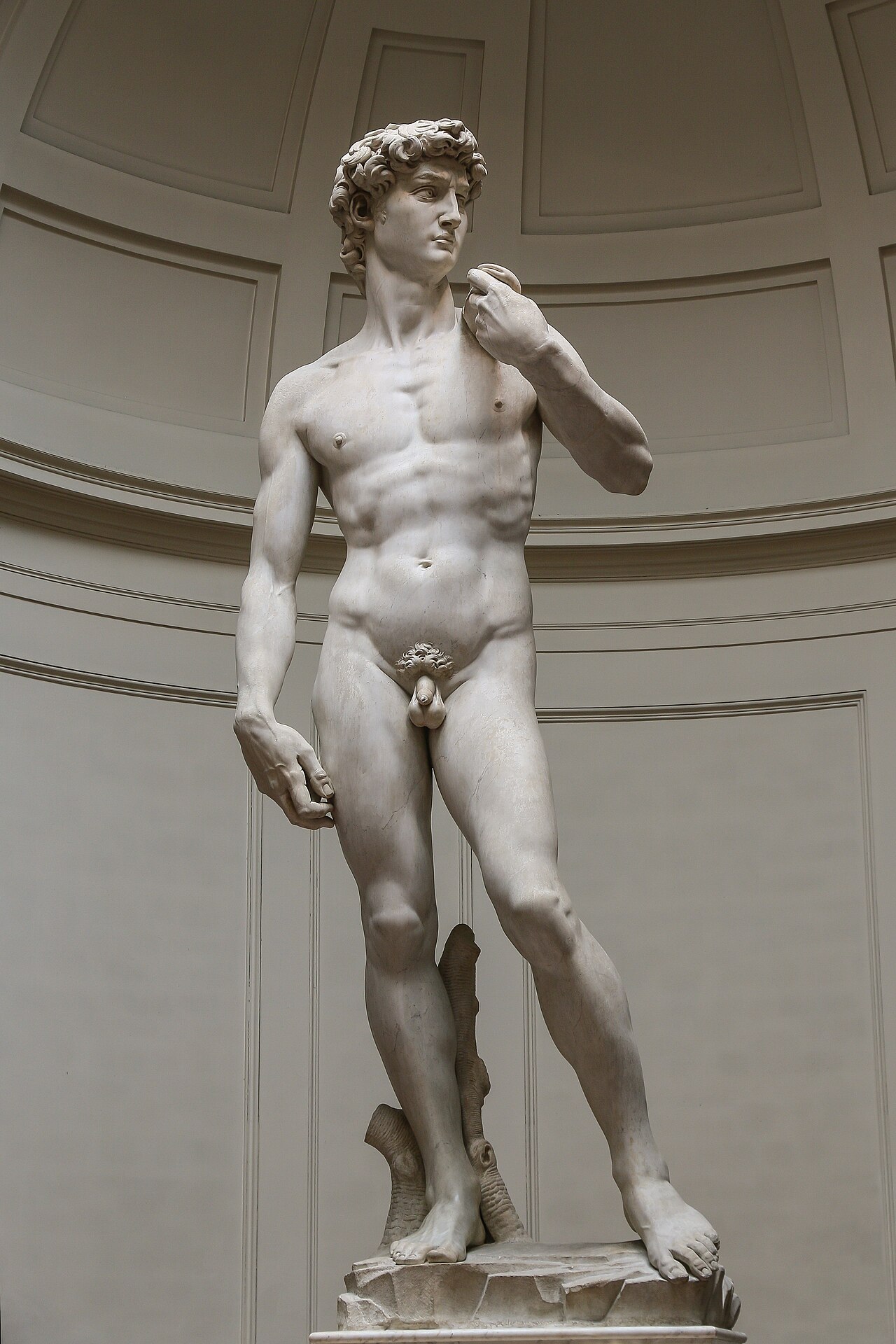 Sculpture
Primary source
David
Michelangelo · 1501-1504
 Artifact
Primary source
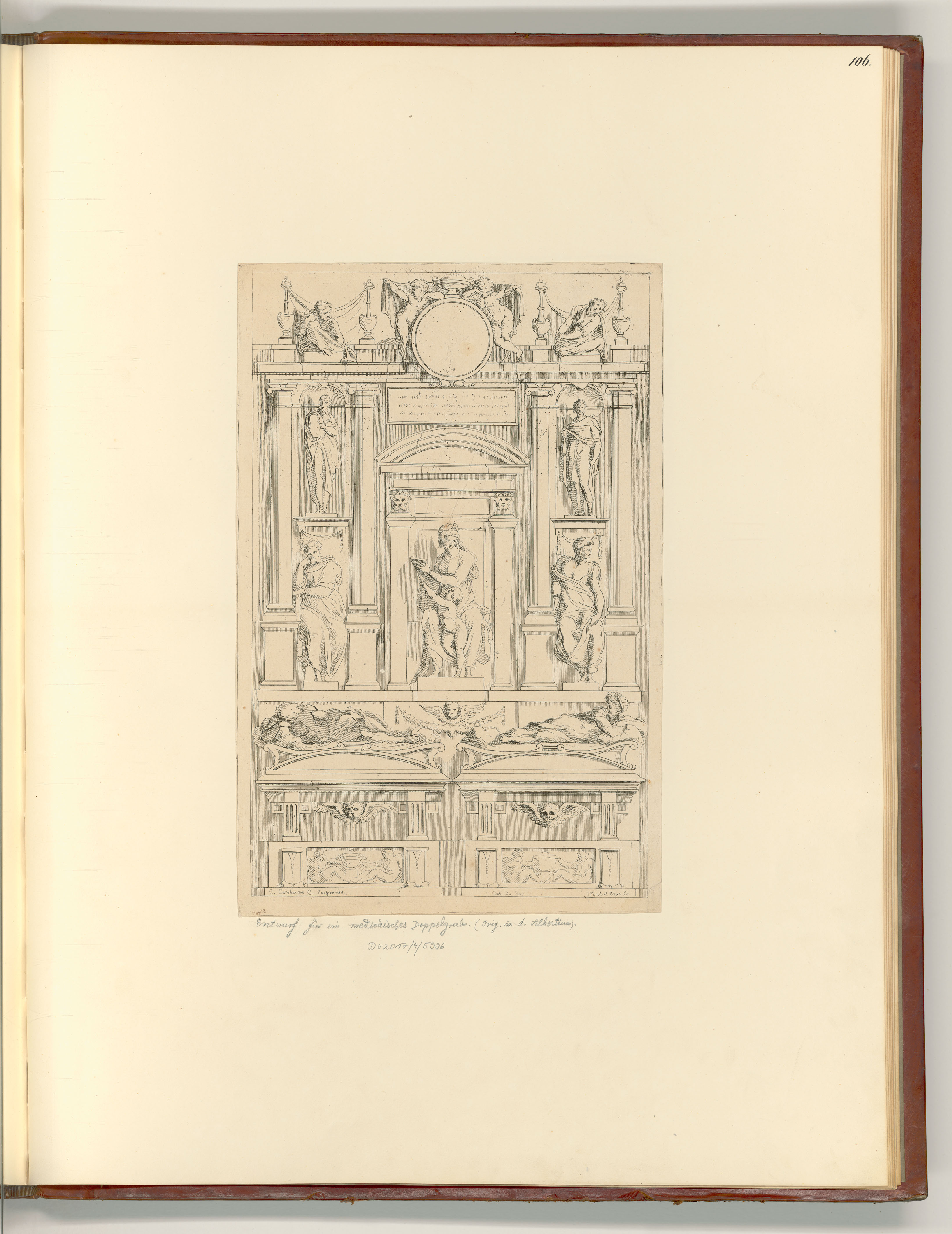
Elevation of a Planned Double Tomb for the Magnifici, Medici Chapel
unbestimmt
 Painting
Primary source
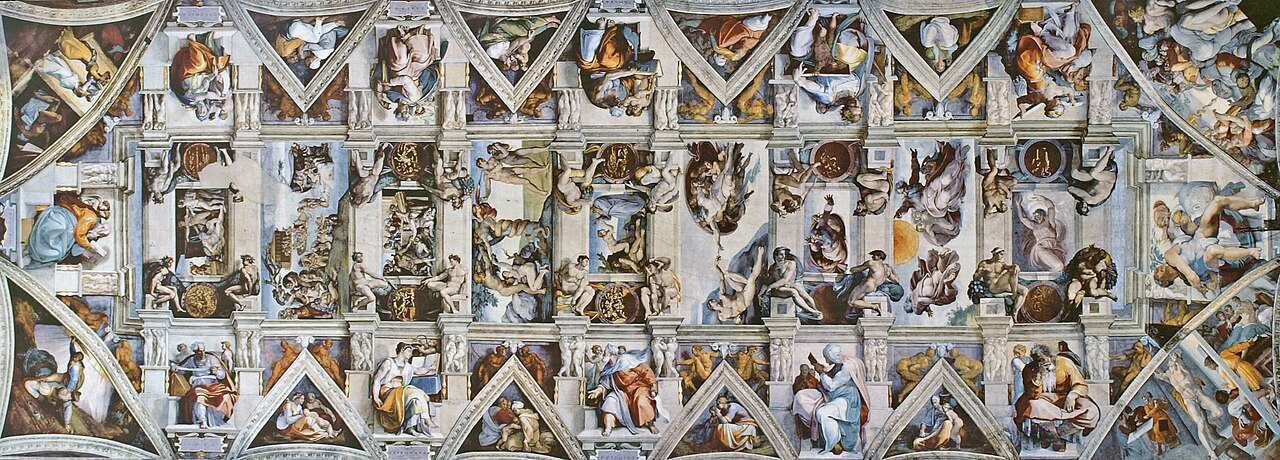
Sistine Chapel ceiling
Michelangelo · 1508-1512
 Painting
Secondary source
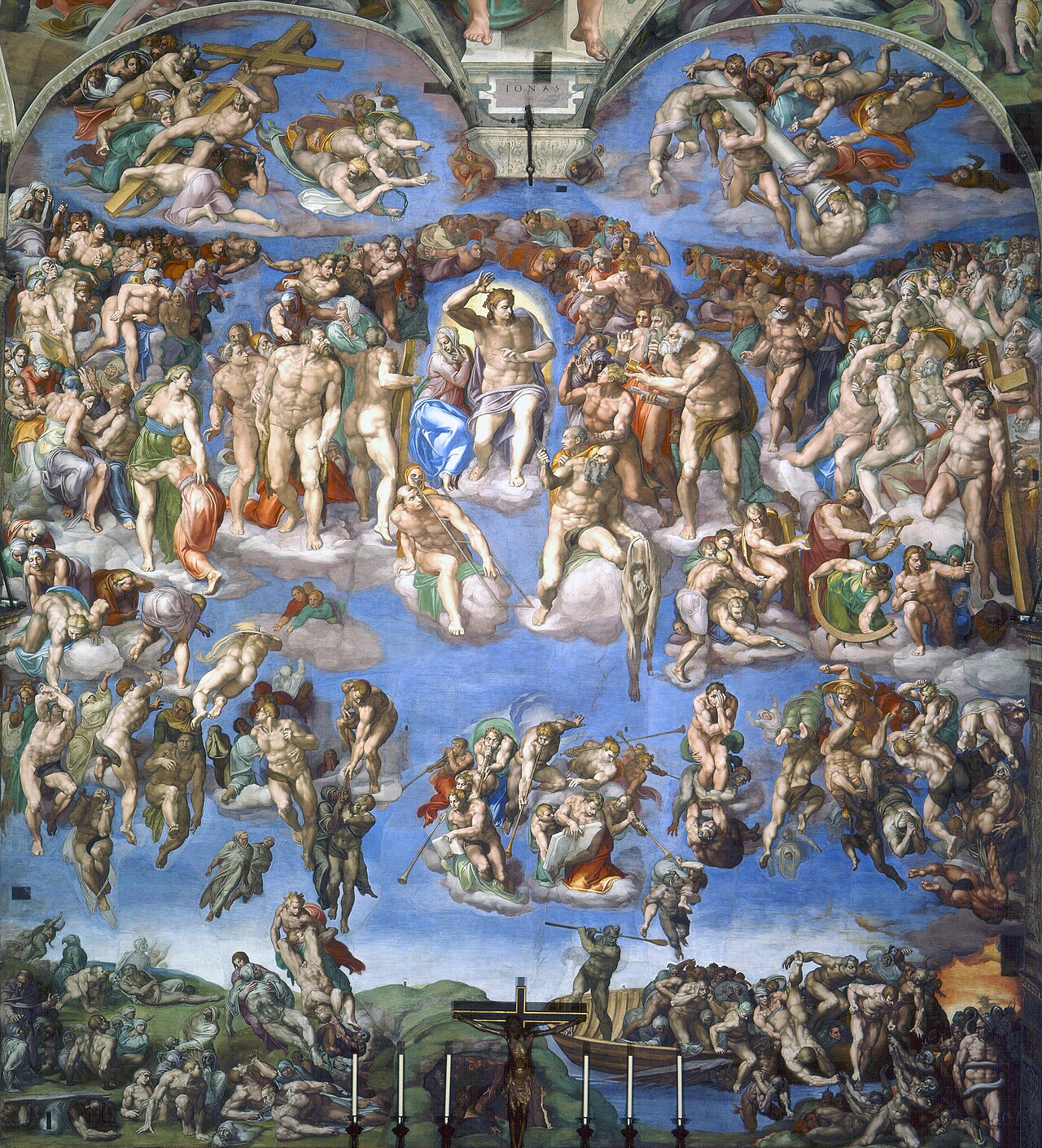
The Last Judgment
Michelangelo · 1536-1541
 Photograph
Secondary source
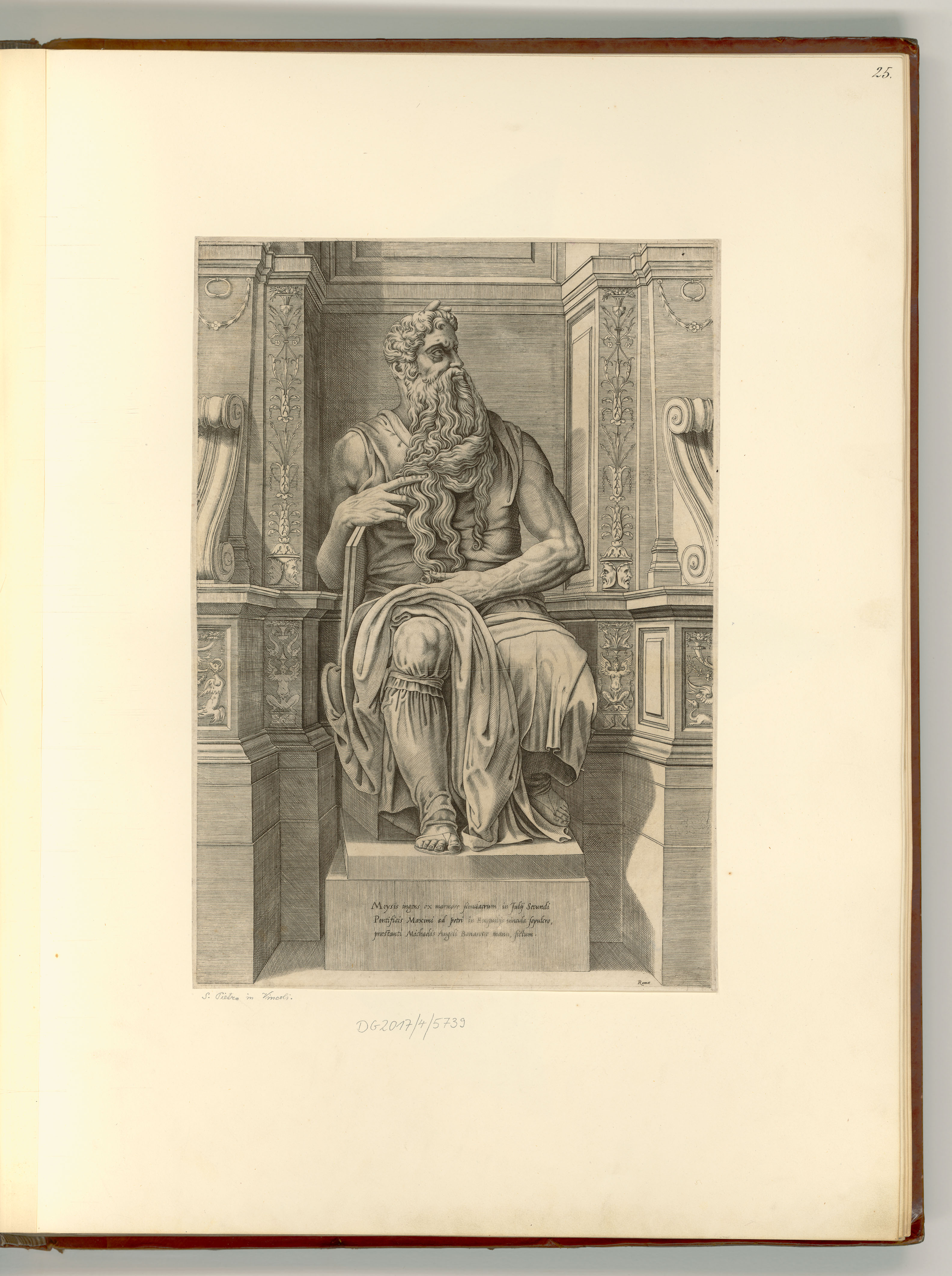
Statue of Moses by Michelangelo, San Pietro in Vincoli
unbestimmt
Ready when you are
Start chatting with Michelangelo Buonarroti now.
20 messages free · No credit card · Available in 50+ languages.