


Secondary sourcePainting1665
Tomb of Henry VII
Wenceslaus Hollar · 1665
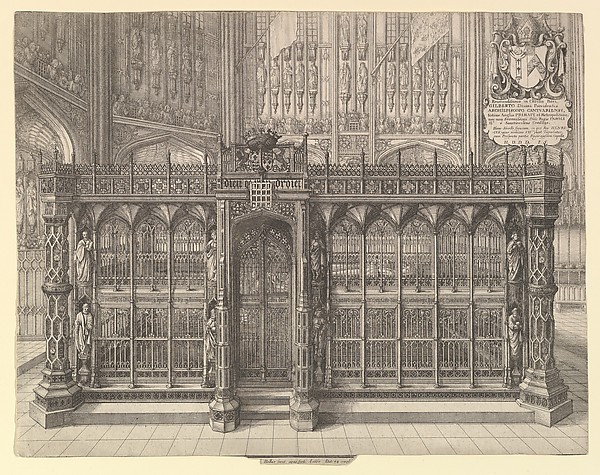
An etching by Wenceslaus Hollar showing the ornate chantry tomb of Henry VII in Westminster Abbey, made long after his death.
This etching documents the tomb built to commemorate Henry VII after his death.
About this source
What it is
This etching, made in 1665 by Wenceslaus Hollar, shows the tomb of Henry VII in Westminster Abbey. It comes from Francis Sandford's genealogical history of England and depicts the carved stone tomb enclosed by an ornate iron railing and gates, with Gothic windows and carved figures nearby. It is held at The Metropolitan Museum of Art.
Why it matters
The tomb itself was built to honor Henry VII after his death, and this print, made over a century later, shows how his memorial continued to be documented and remembered. It reflects the importance placed on royal burial monuments as symbols of lasting dynastic legacy.
Look closer
- Why would a king's tomb be made so elaborate?
- What might the iron railings and gates have been meant to protect or show?
- How does documenting a tomb in print help preserve history?
This painting is part of the curated material that grounds the AI version of Henry VII on Humy.ai — when students ask about related events, the AI can quote it and cite it.
More Henry VII sources
Browse all 98 →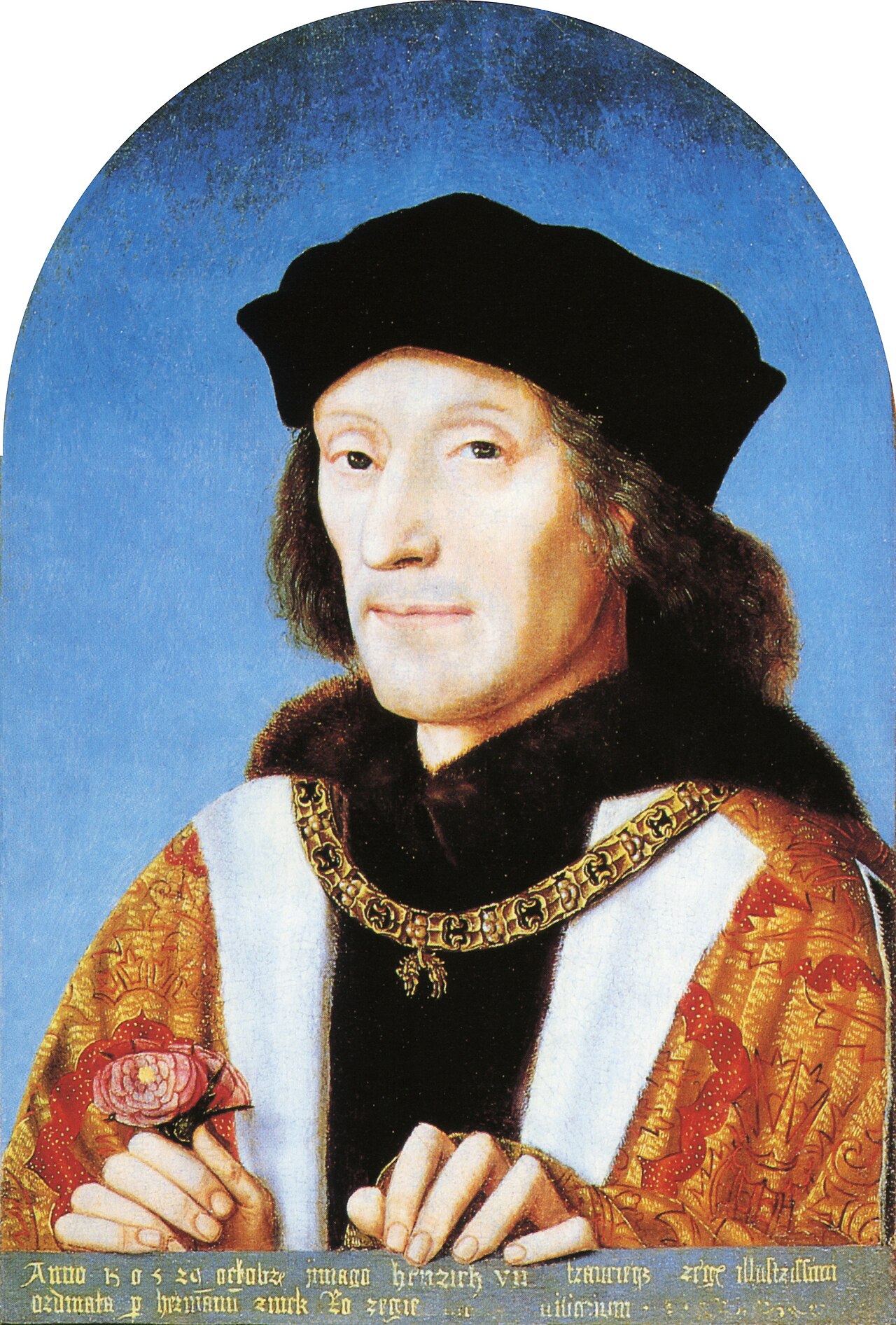 Painting
Primary source
King Henry VII
Unknown Netherlandish artist · 29 October 1505
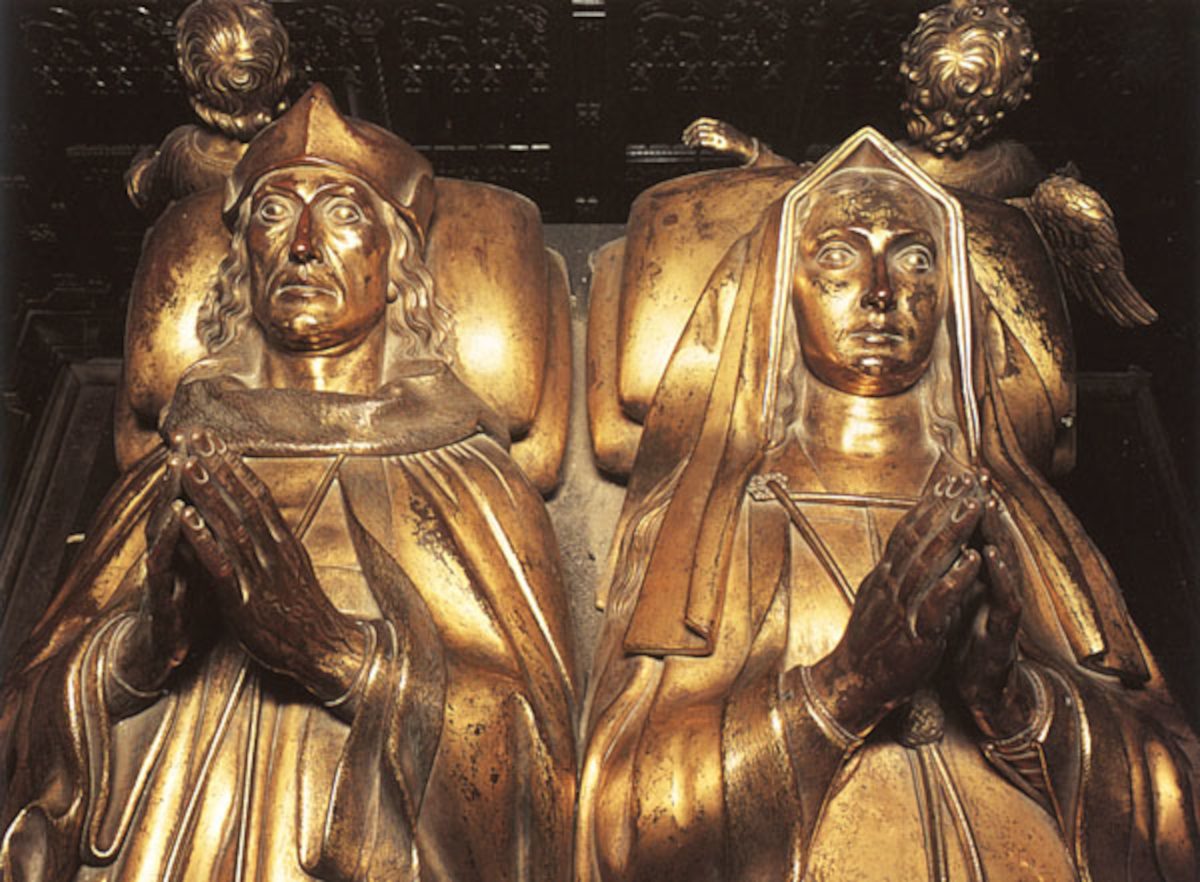 Sculpture
Secondary source
Tomb Effigies of Henry VII and Elizabeth of York
Pietro Torrigiano
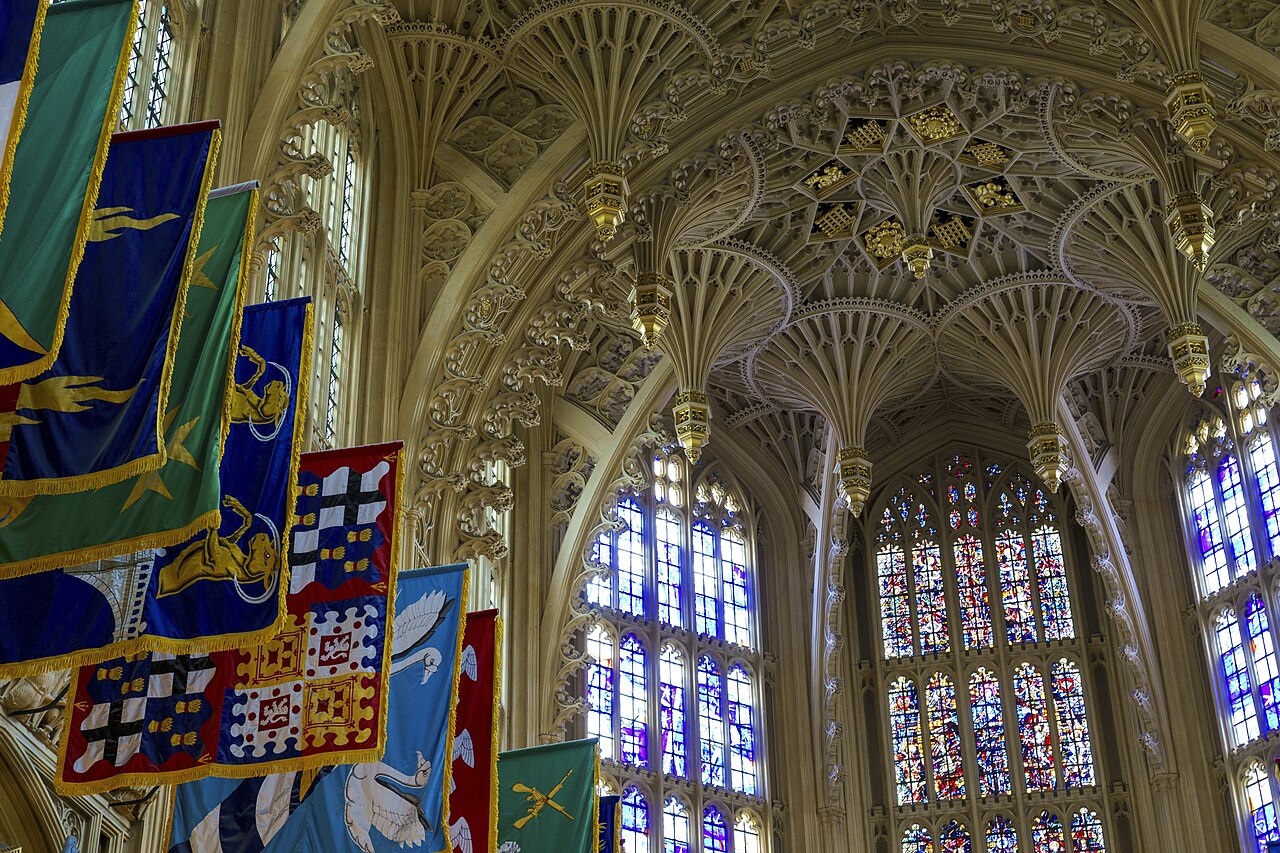 Artifact
Primary source
Henry VII Lady Chapel, Westminster Abbey
Robert and William Vertue · 1503–1519
 Document
Primary source
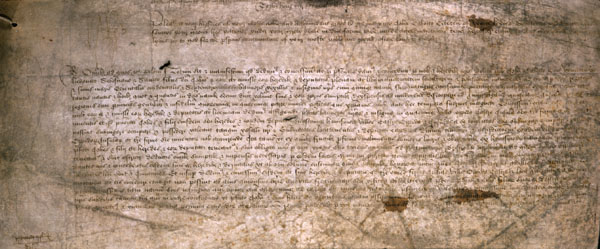
Letters Patent to John Cabot
Henry VII of England · 5 March 1496
Free account
Read every Henry VII source
Sign up free →
Ready when you are
Start chatting with Henry VII now.
20 messages free · No credit card · Available in 50+ languages.