


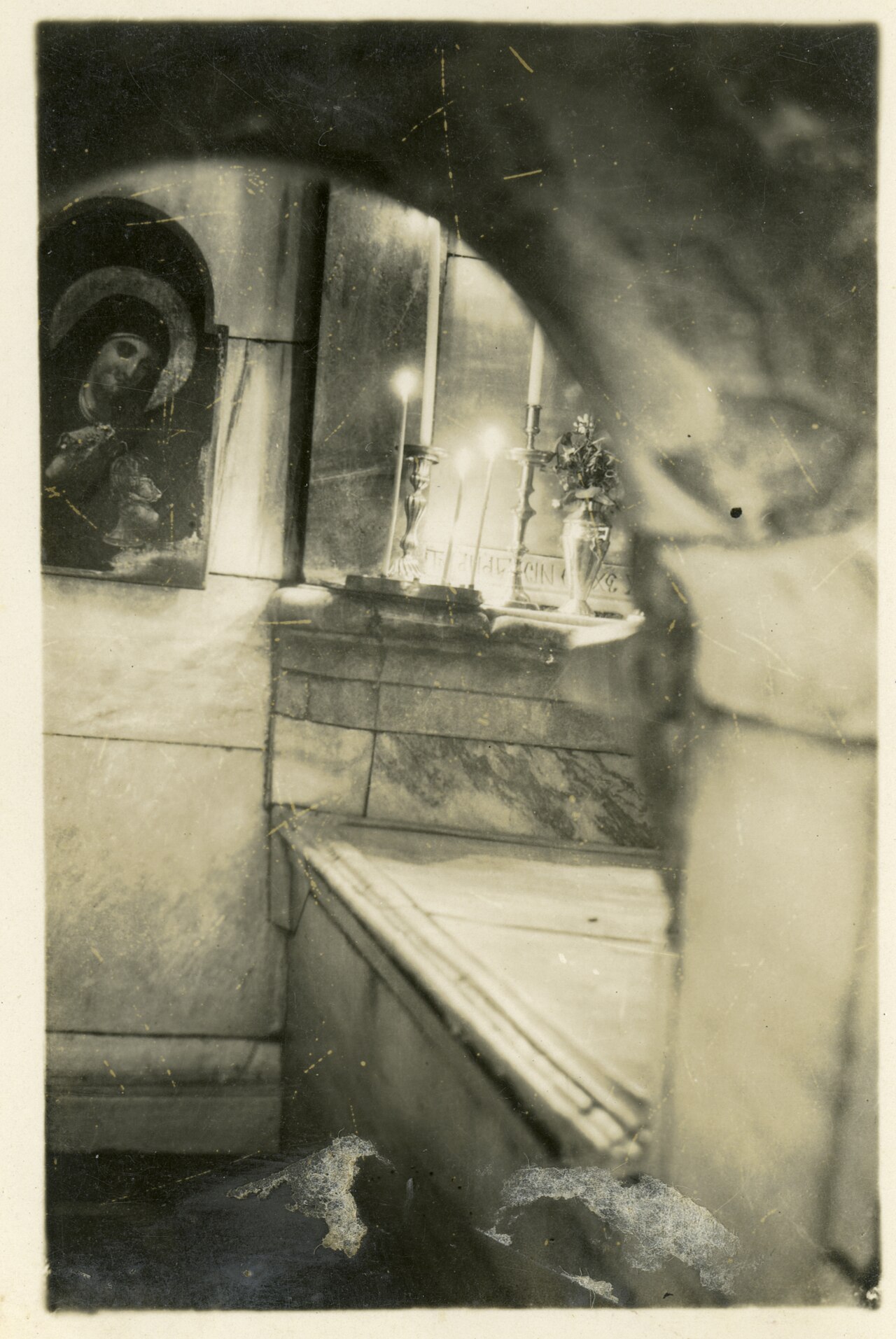
Secondary sourceArtifactSite identified c. 325; photograph c. 1941-1944
Tomb of Jesus (Church of the Holy Sepulchre)
Site identified c. 325; photograph c. 1941-1944
The site traditionally venerated since the 4th century as the place where Jesus was buried and, according to Christian belief, rose from the dead.
This site is venerated as Jesus's burial place, central to Christian belief in his resurrection.
About this source
What it is
According to the gospels, Jesus was buried in a tomb belonging to Joseph of Arimathea. Christian tradition locates this tomb inside the Church of the Holy Sepulchre in Jerusalem, built after Emperor Constantine's mother Helena identified the site around 325 and had a Roman temple built over it by Hadrian removed. Archaeological work has found details consistent with ancient accounts of the location.
Why it matters
The tomb is central to Christian belief, since the empty tomb was interpreted by Jesus's followers as proof of his resurrection. The church built over it reflects how Constantine and Helena shaped Christian geography and memory in the 4th century, turning a disputed ancient site into the religion's most sacred place.
Look closer
- Why would it matter to Christians whether this exact location is authentic?
- What role did Constantine and his mother Helena play in creating this holy site?
- Why have other locations also been claimed as the "true" tomb of Jesus?
This artifact is part of the curated material that grounds the AI version of Jesus Christ on Humy.ai — when students ask about related events, the AI can quote it and cite it.
More Jesus Christ sources
Meet the AI Jesus Christ →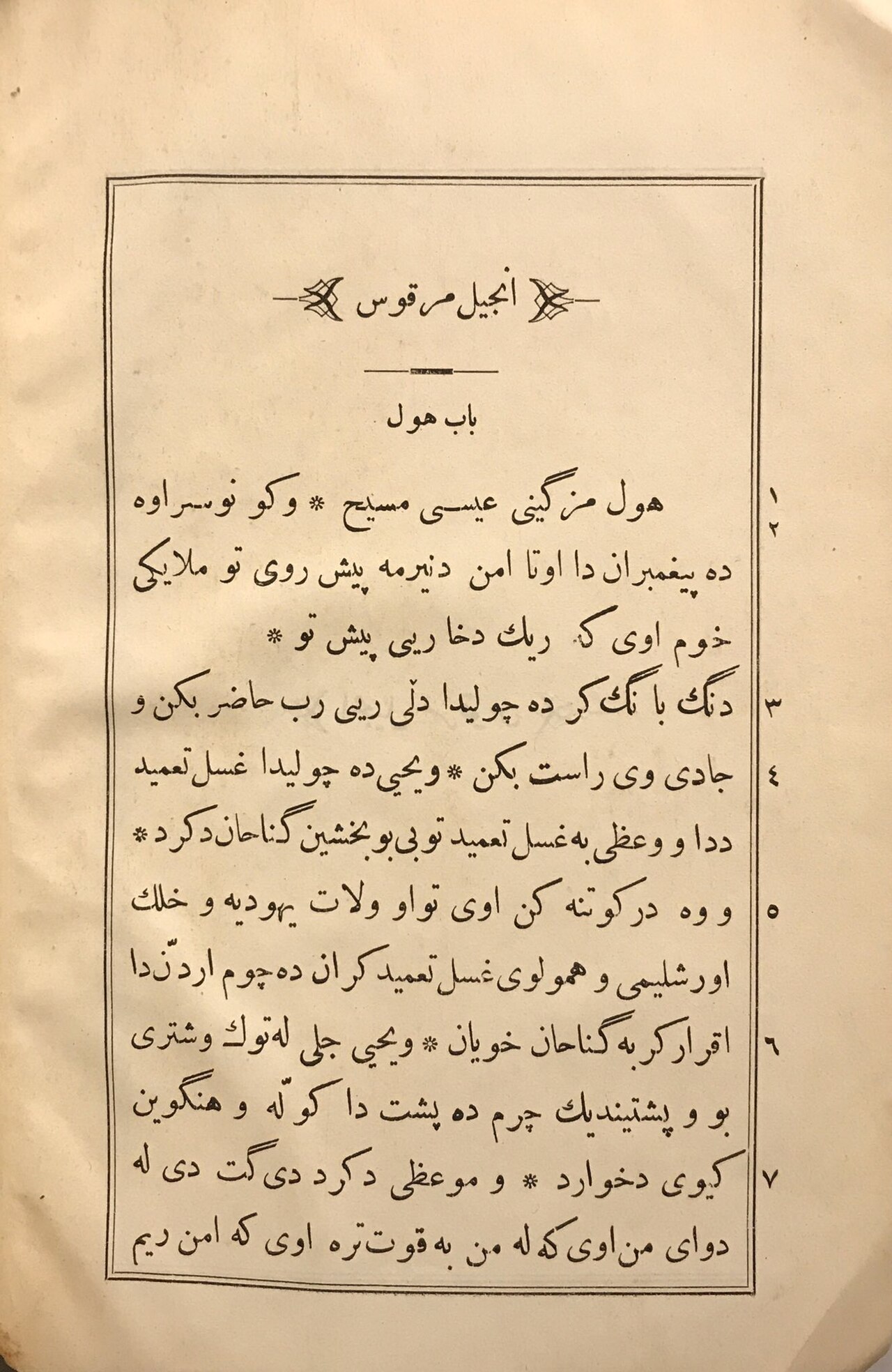 Book
Secondary source
Gospel of Mark
Mark the Evangelist · c. AD 66-75
 Artifact
Secondary source
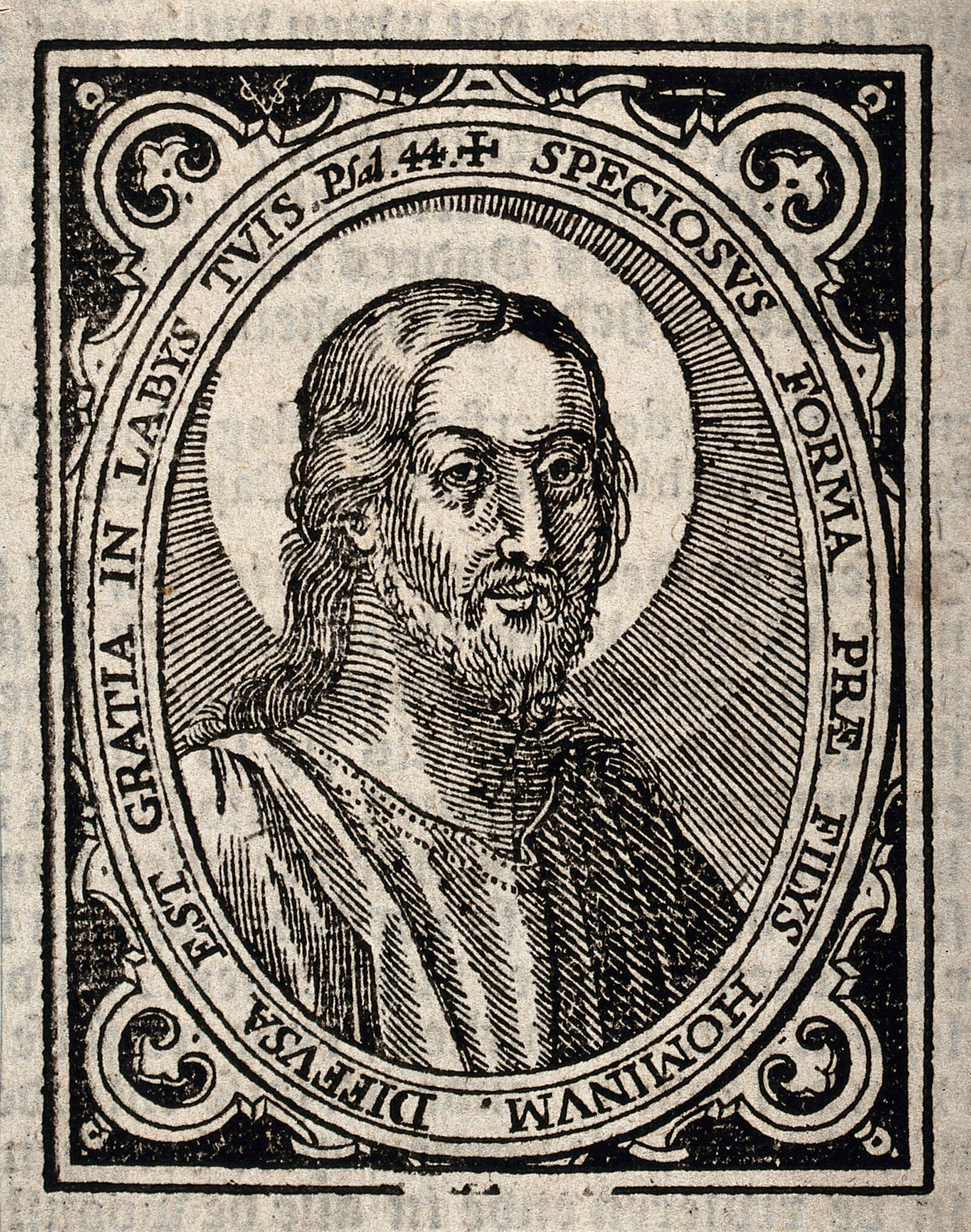
Jesus Christ, woodcut by Christoffel van Sichem III
Christoffel van Sichem III · c. 1645
 Book
Secondary source
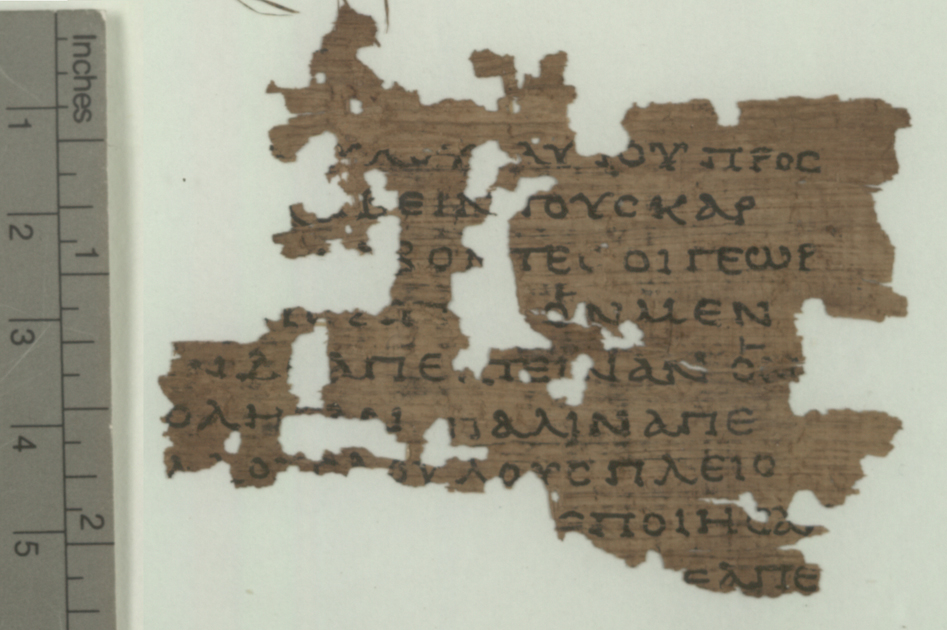
Gospel of Matthew
Matthew the Apostle · late 1st century AD
 Painting
Secondary source
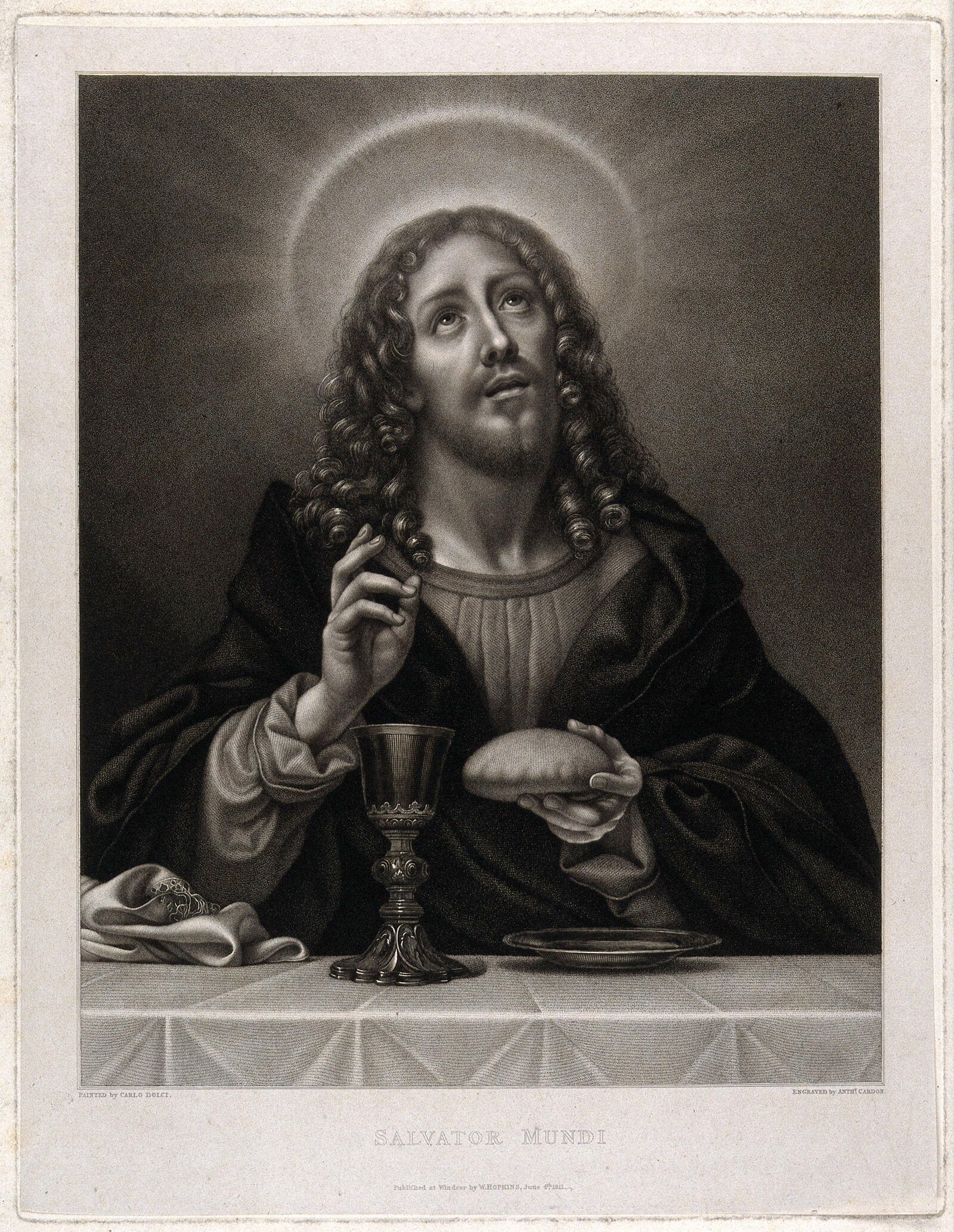
Jesus Christ blessing the Host
Carlo Dolci (painting); Anth. Cardon (engraving) · 4 June 1811
 Painting
Secondary source
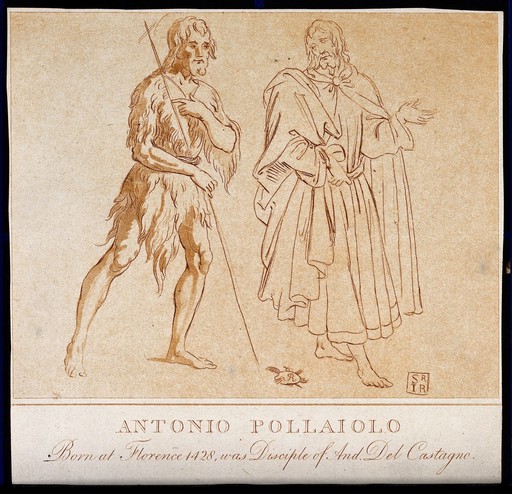
John the Baptist Meets Jesus Christ
Antonio Pollaiuolo
Ready when you are
Start chatting with Jesus Christ now.
20 messages free · No credit card · Available in 50+ languages.