


Secondary sourceSculpture1606-1612
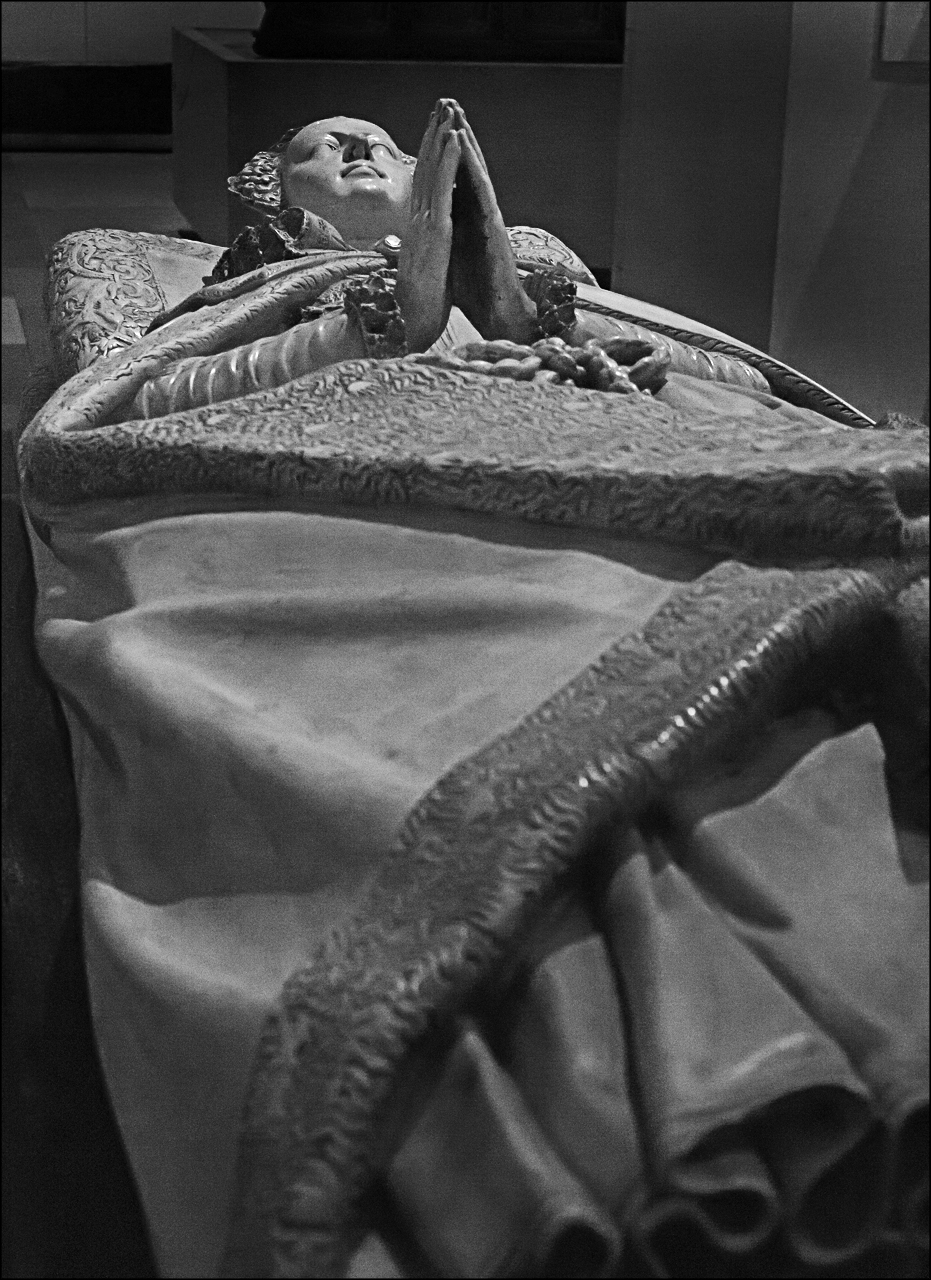
Tomb of Mary, Queen of Scots, Westminster Abbey
Cornelius Cure and William Cure · 1606-1612
The elaborate tomb monument commissioned by Mary's son, James VI and I, to honour her memory in Westminster Abbey.
This tomb, commissioned by Mary's son James VI and I, was meant to restore her reputation after her execution.
Free Humy account · No credit card · 120,912 sources to read
About this source
What it is
This monument to Mary, Queen of Scots, was created by Cornelius Cure and William Cure between 1606 and 1612, and stands in Westminster Abbey. King James issued a warrant for the tomb in 1607. The photograph shown here is of a casting of the recumbent effigy, which depicts a woman in prayer wearing a ruff and ornate mantle.
Why it matters
Mary's son, King James VI of Scotland and I of England, commissioned this grand monument years after her execution, placing it to rival the tomb of Elizabeth I, the queen who had ordered his mother's death. The tomb was part of an effort to restore Mary's reputation and honour her memory as a monarch and mother, long after her downfall.
Look closer
- Why might James want his mother's tomb to be as grand as, or grander than, Elizabeth's?
- What does the pose and clothing of the effigy suggest about how Mary was meant to be remembered?
- Why is this photograph of a casting rather than the tomb itself, and does that change how we should read it?
This sculpture is part of the curated material that grounds the AI version of Mary, Queen of Scots on Humy.ai — when students ask about related events, the AI can quote it and cite it.
More Mary, Queen of Scots sources
Browse all 88 →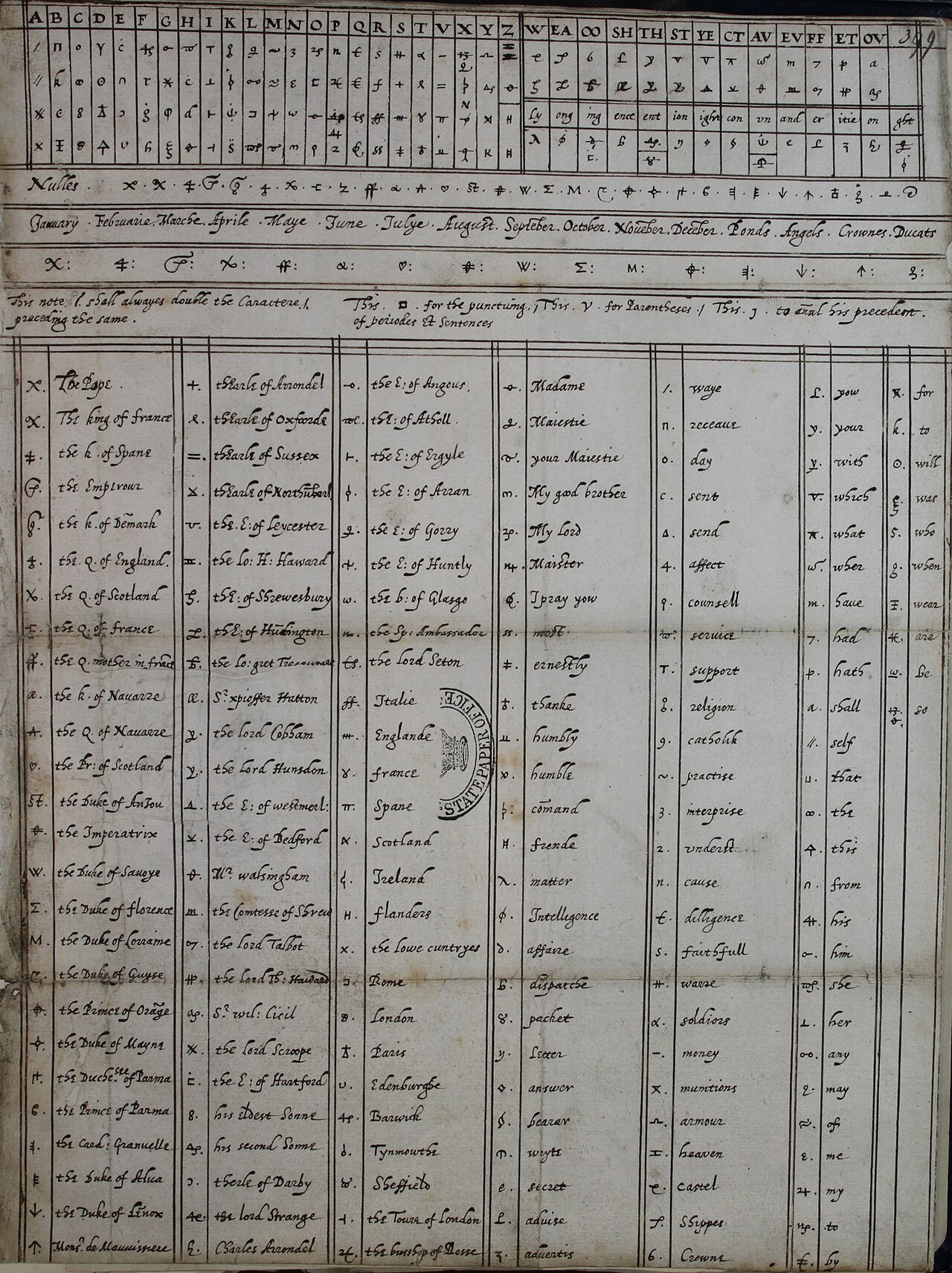 Document
Primary source
Cipher and Code Tables of Mary, Queen of Scots
Mary, Queen of Scots
 Painting
Primary source
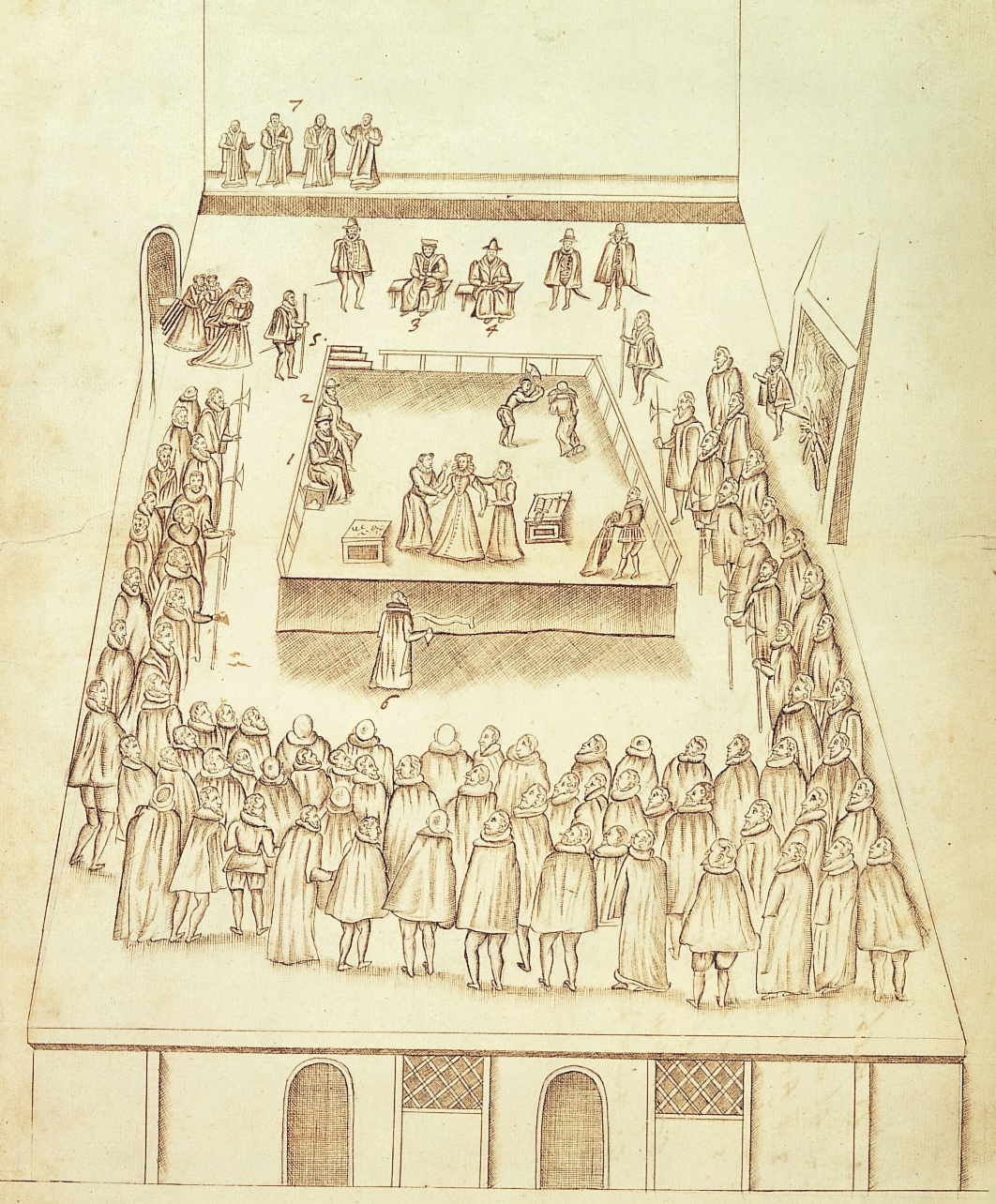
Drawing of the Execution of Mary, Queen of Scots at Fotheringhay
Unknown artist (Beale papers) · 1587
 Painting
Primary source
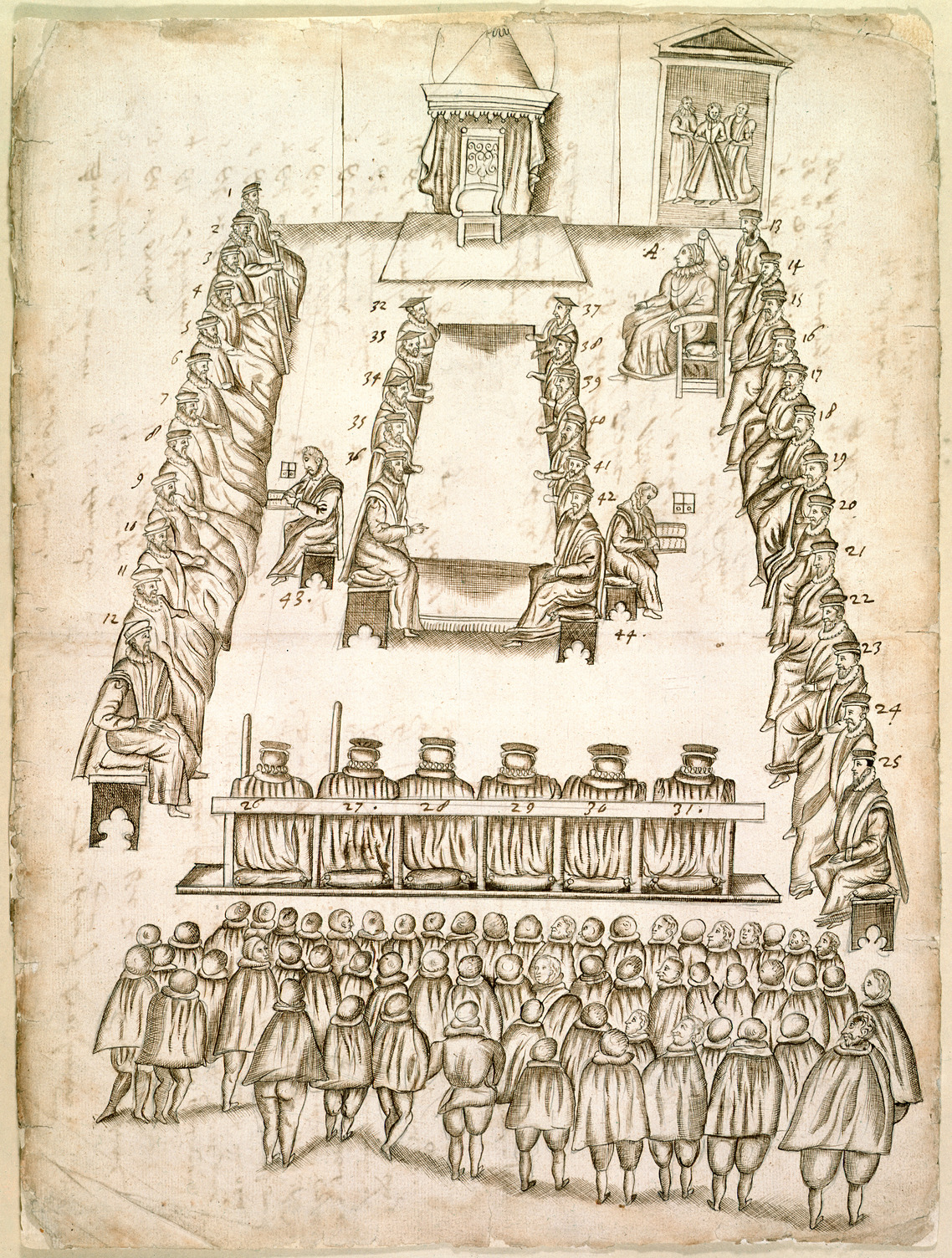
Drawing of the Trial of Mary, Queen of Scots
Unknown artist · 14-15 October 1586
 Letter
Primary source
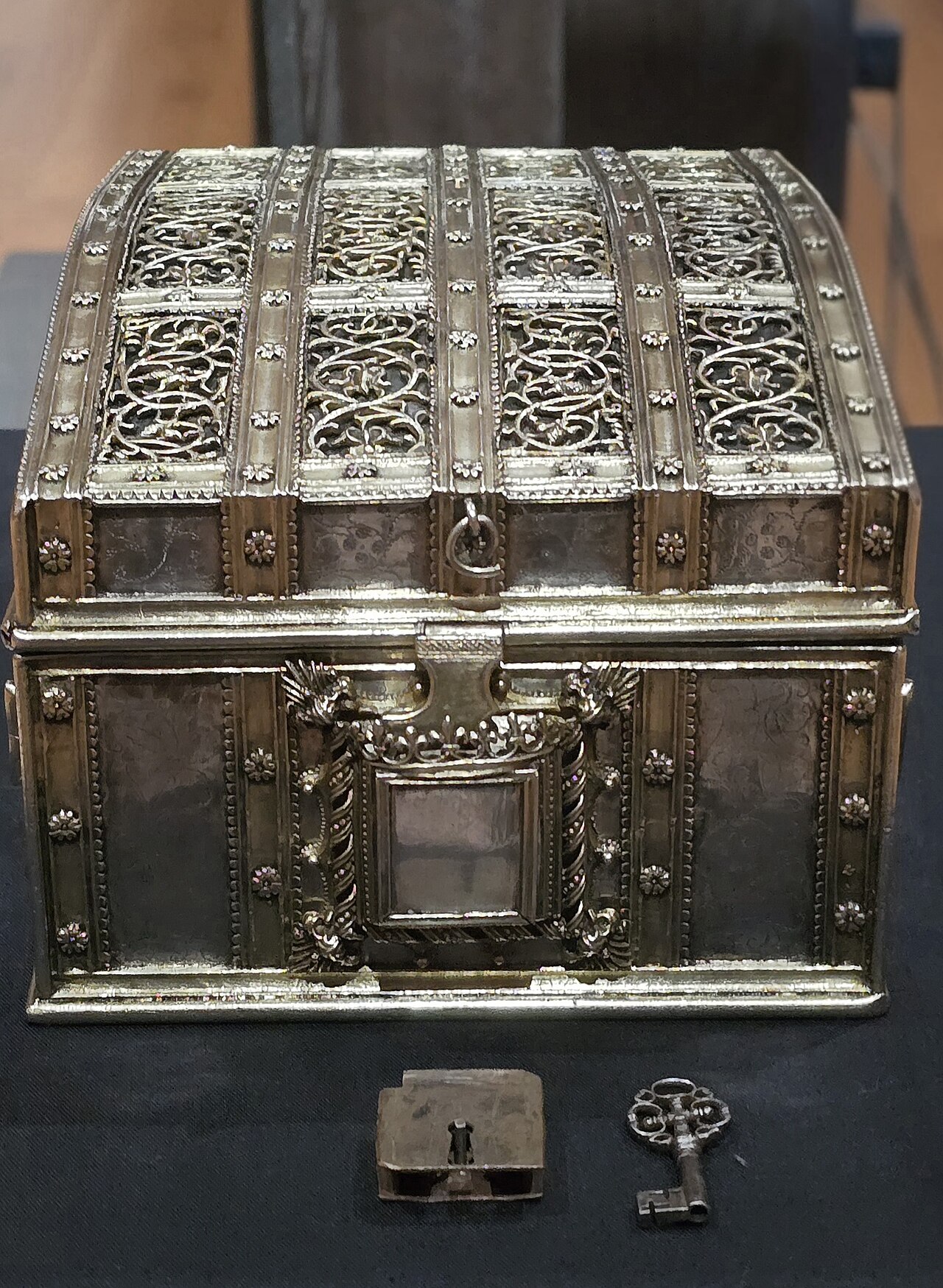
Casket Letters
Attributed to Mary, Queen of Scots (disputed) · January-April 1567
Free account
Read every Mary, Queen of Scots source
Sign up free →
Ready when you are
Start chatting with Mary, Queen of Scots now.
20 messages free · No credit card · Available in 50+ languages.