


Secondary sourceSculpturePhotographed 21 July 2009
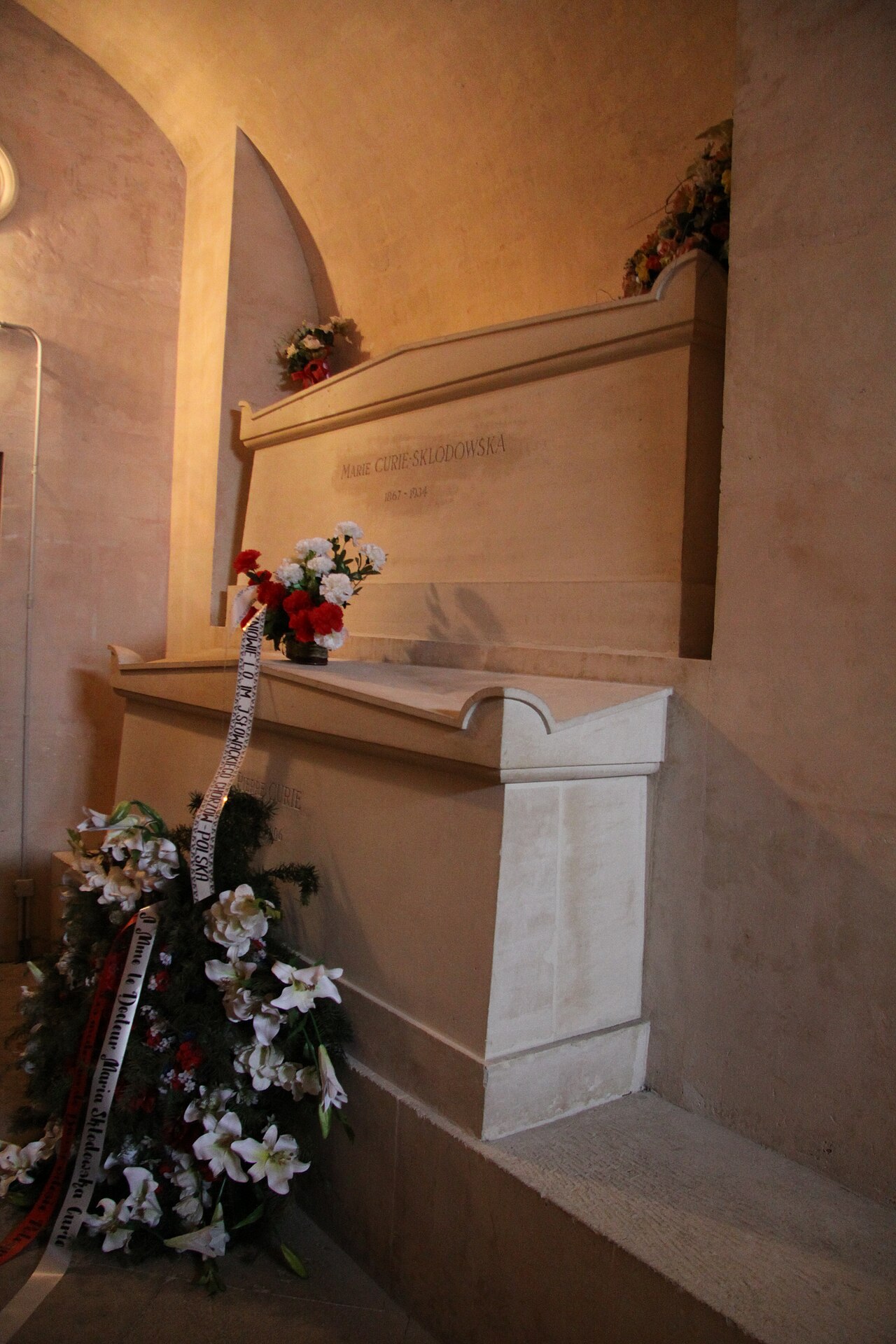
Tombs of Pierre and Marie Curie in the Pantheon
Piponwa · Photographed 21 July 2009
A photograph of the tombs of Pierre and Marie Curie inside the Pantheon in Paris, where they were reburied as a national honour.
Marie Curie's tomb, honouring her as one of the few people, and the first woman, buried in the Pantheon for her achievements.
About this source
What it is
This photograph shows the tombs of Pierre and Marie Curie in the crypt of the Pantheon in Paris, a building where France honours its most distinguished citizens. Marie Curie's tomb is inscribed with her name and the years 1867-1934, placed near Pierre's.
Why it matters
Being buried in the Pantheon is one of France's highest honours. Marie Curie was the first woman to receive this honour on her own merit, recognising her scientific achievements alongside those of her husband and research partner Pierre Curie.
Look closer
- Why do you think flowers and wreaths are placed on the tombs even now?
- What does it mean that Marie Curie's name appears alongside Pierre's in this national monument?
- What does burial in the Pantheon tell us about how society chooses to remember certain people?
This sculpture is part of the curated material that grounds the AI version of Marie Curie on Humy.ai — when students ask about related events, the AI can quote it and cite it.
More Marie Curie sources
Meet the AI Marie Curie →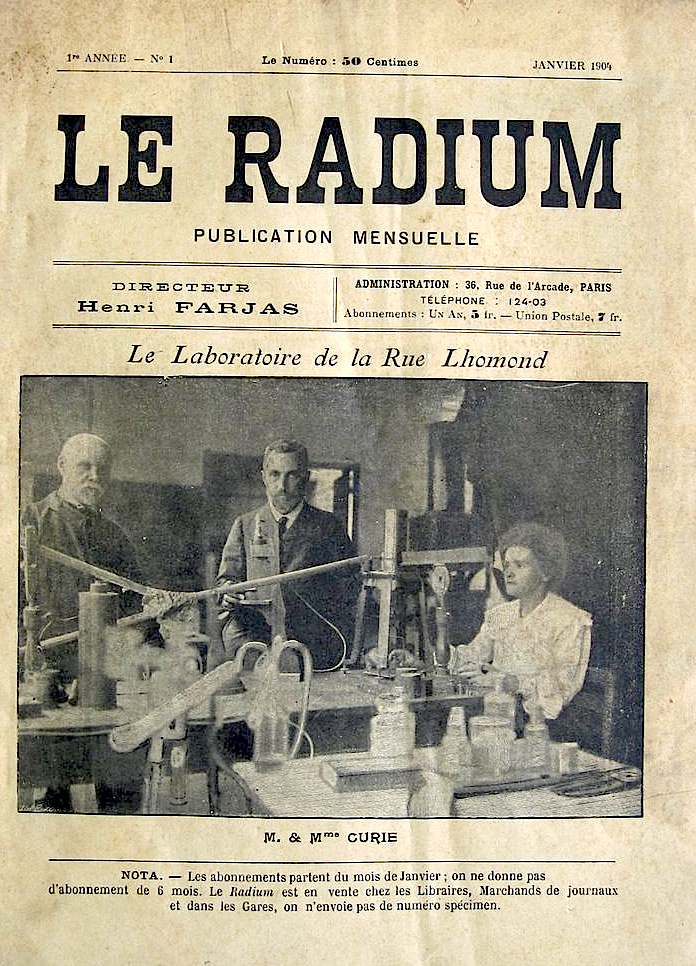 Photograph
Primary source
Photograph of Pierre and Marie Curie in their Laboratory, rue Lhomond
c. 1898-1904
 Book
Primary source
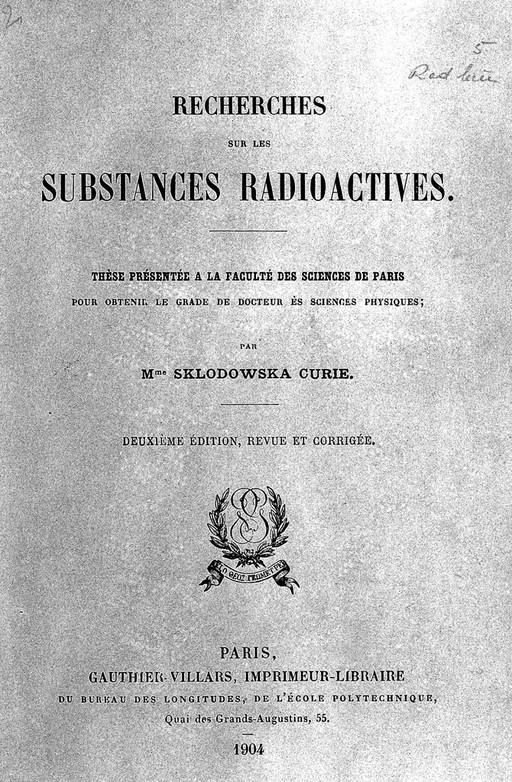
Recherches sur les substances radioactives
Marie Curie · 1904
Primary source
Rayons émis par les composés de l'uranium et du thorium
Marie Curie · 12 April 1898
 Artifact
Primary source
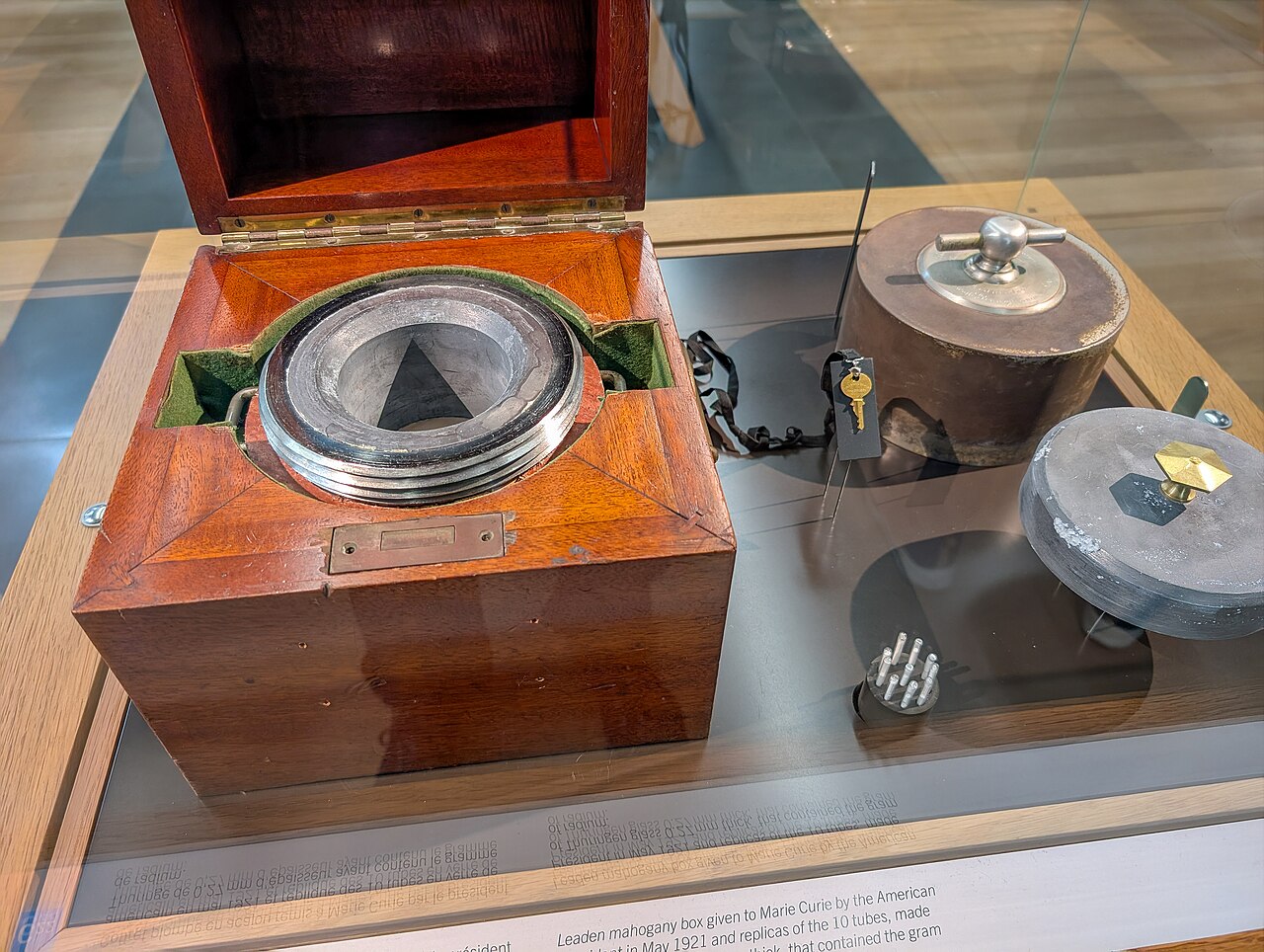
International Radium Standard
Marie Curie · 1911
 Artifact
Primary source
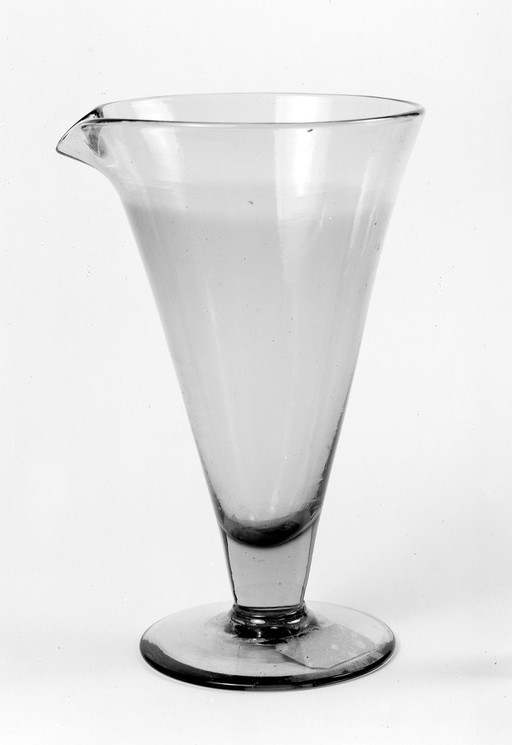
Glass beaker used for the first radium salt solution
Ready when you are
Start chatting with Marie Curie now.
20 messages free · No credit card · Available in 50+ languages.