


Primary sourceArtifact1635-1640 (renovation)
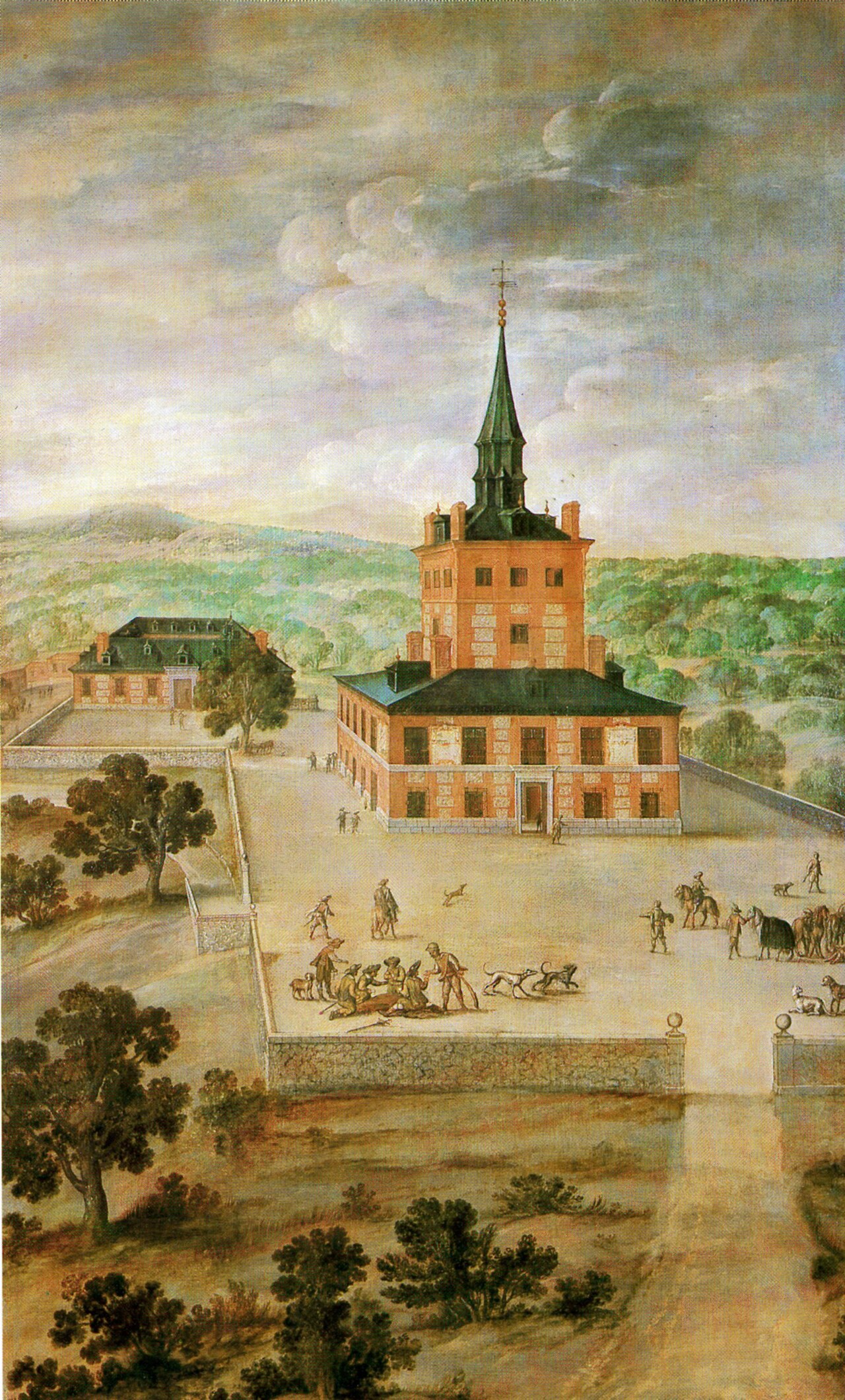
Torre de la Parada
1635-1640 (renovation)
A former royal hunting lodge owned by Philip IV, decorated with over sixty mythological paintings commissioned from Rubens's workshop.
This hunting lodge was owned and extensively redecorated by Philip IV, his largest artistic commission.
About this source
What it is
The Torre de la Parada was a hunting lodge near Madrid, first built in the mid-1500s and later renovated between 1635 and 1640 under King Philip IV, an enthusiastic hunter. He had it redecorated by leading painters including Rubens and Velázquez. The building was mostly destroyed by fire in 1714, and only ruins remain today near Monte de El Pardo.
Why it matters
Philip IV's commission here was his largest artistic project, resulting in dozens of paintings based on classical mythology, many still surviving in the Prado. It shows the scale of royal patronage of art in seventeenth-century Spain, and the close ties between the king and major Flemish painters like Rubens, who led a large workshop to complete the project quickly.
Look closer
- Why might a king devote so much artistic effort to a hunting lodge rather than a palace?
- What does the loss of the building tell you about how historical sites can disappear?
- How do the surviving paintings help us imagine what the lodge once looked like?
This artifact is part of the curated material that grounds the AI version of Philip IV of Spain on Humy.ai — when students ask about related events, the AI can quote it and cite it.
More Philip IV of Spain sources
Browse all 98 →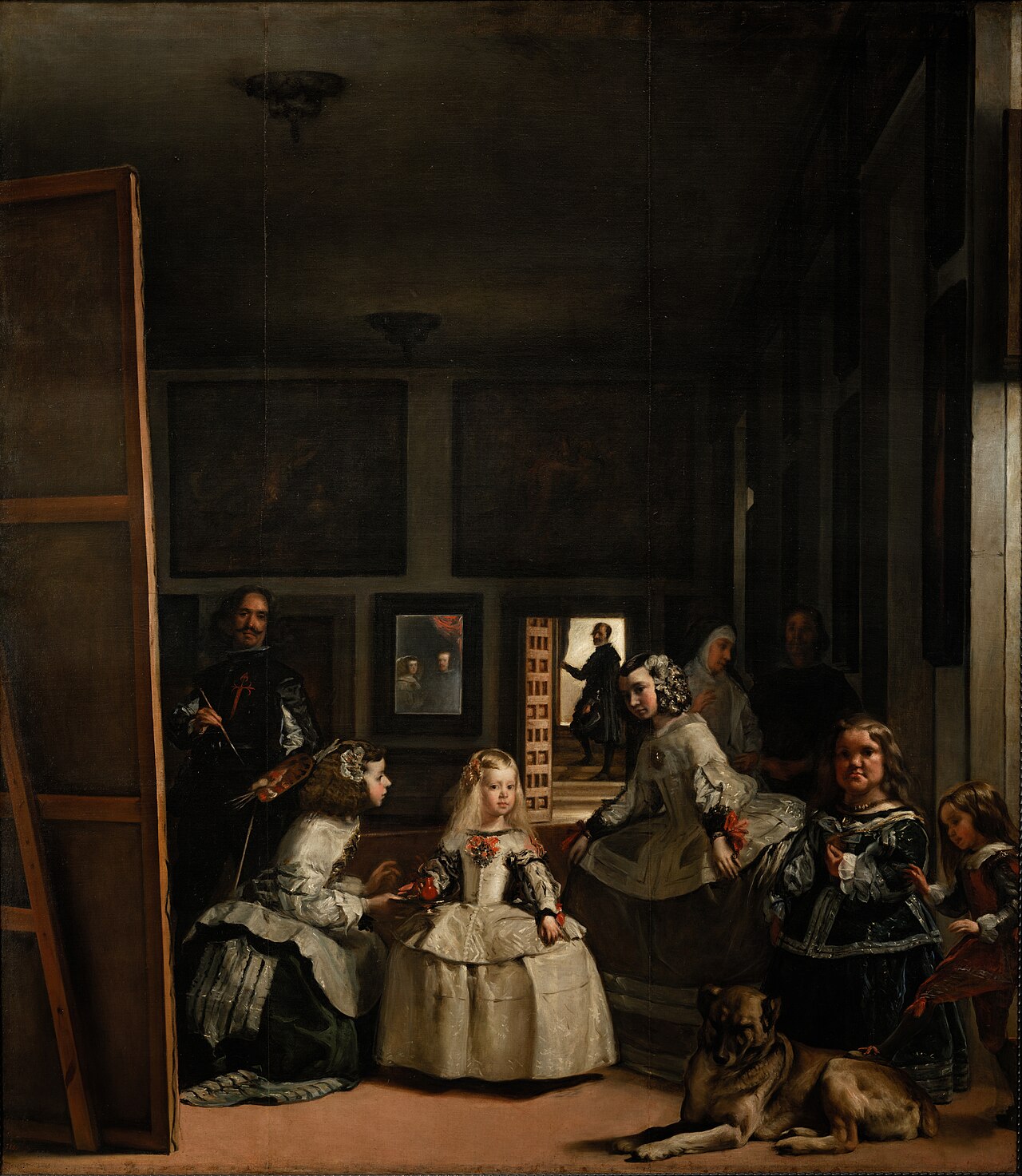 Painting
Primary source
Las Meninas
Diego Velázquez · 1656
 Painting
Primary source
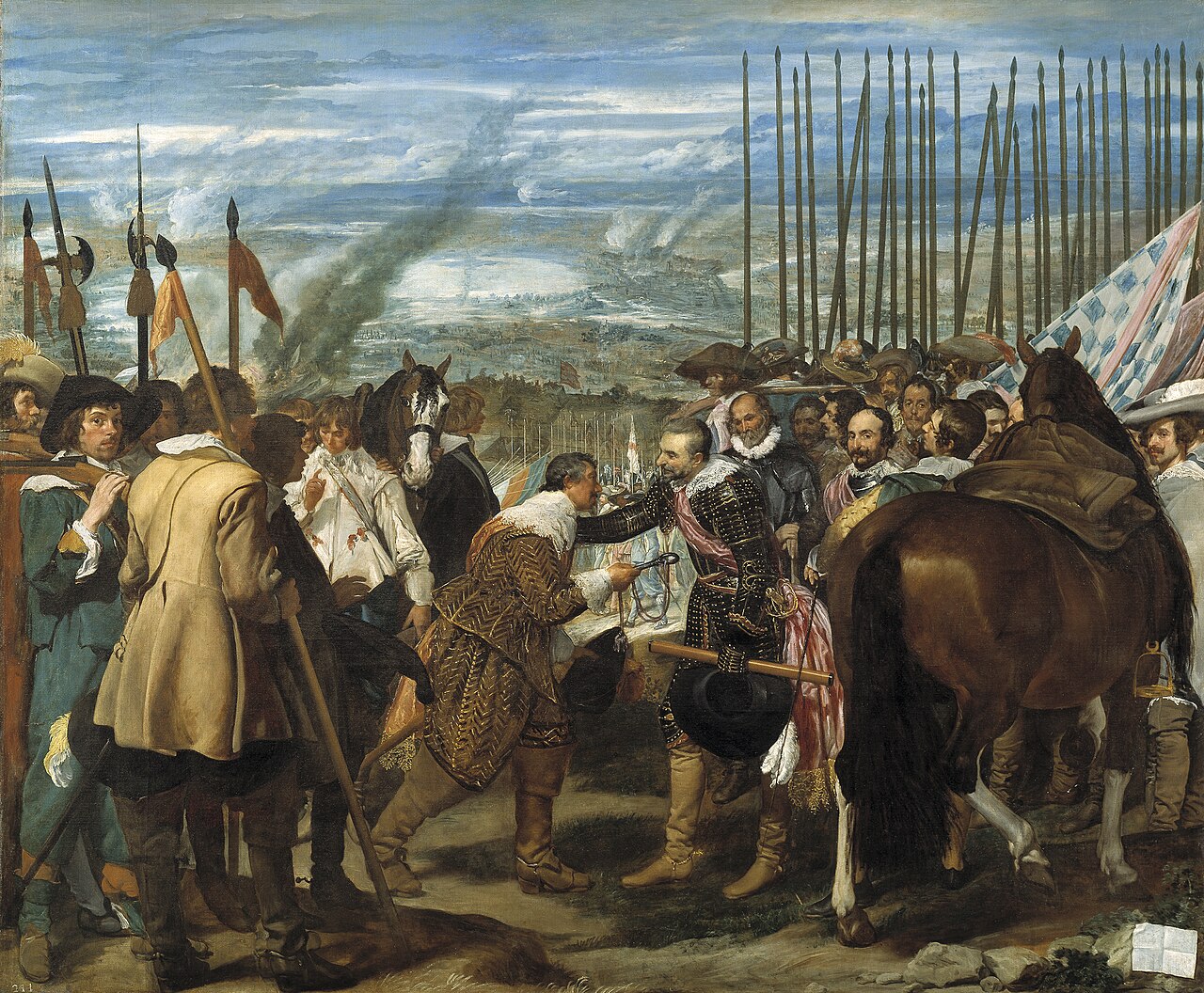
The Surrender of Breda
Diego Velázquez · 1634–1635
 Painting
Primary source
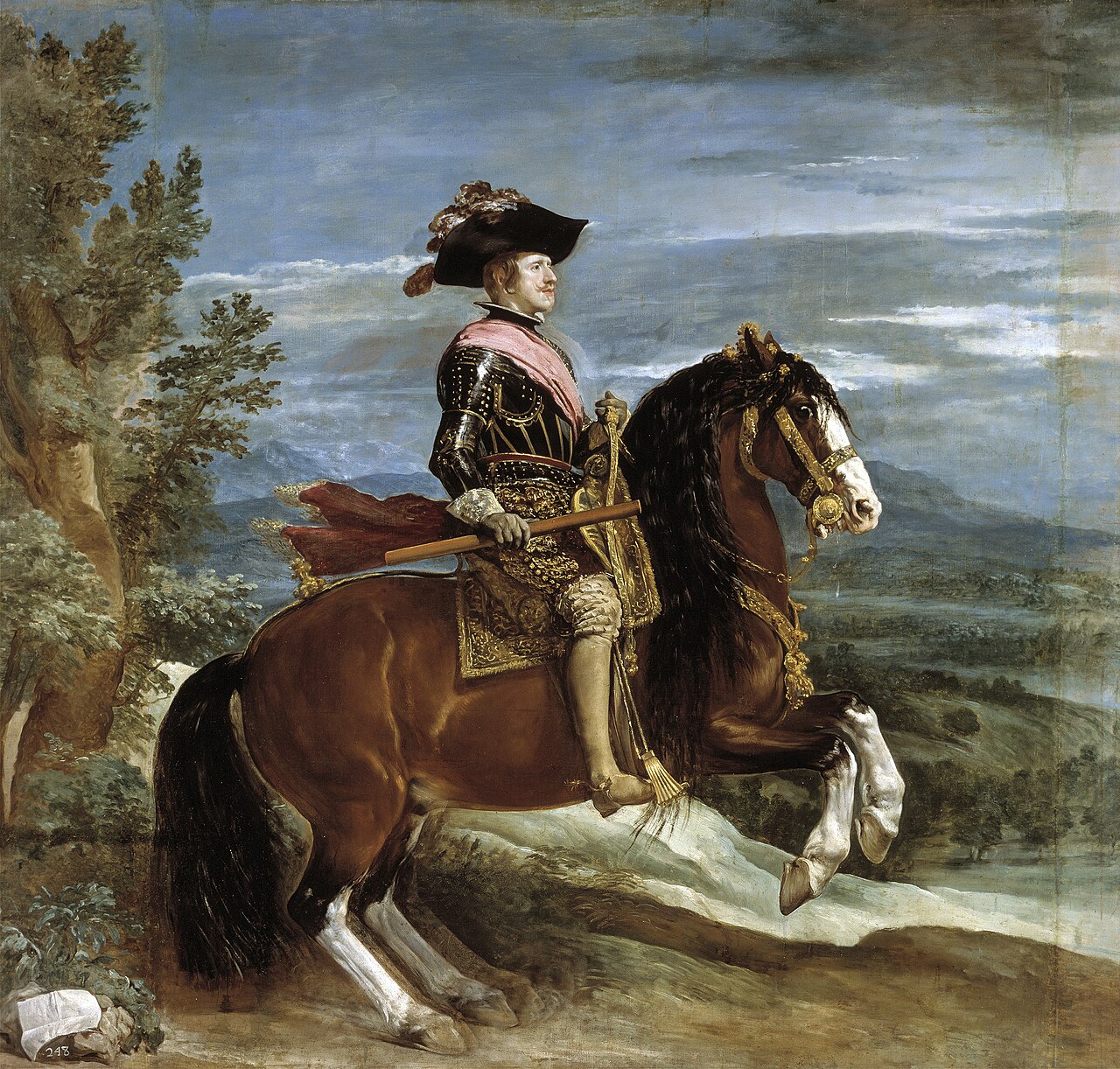
Equestrian Portrait of Philip IV
Diego Velázquez · 1634-1636
 Painting
Primary source
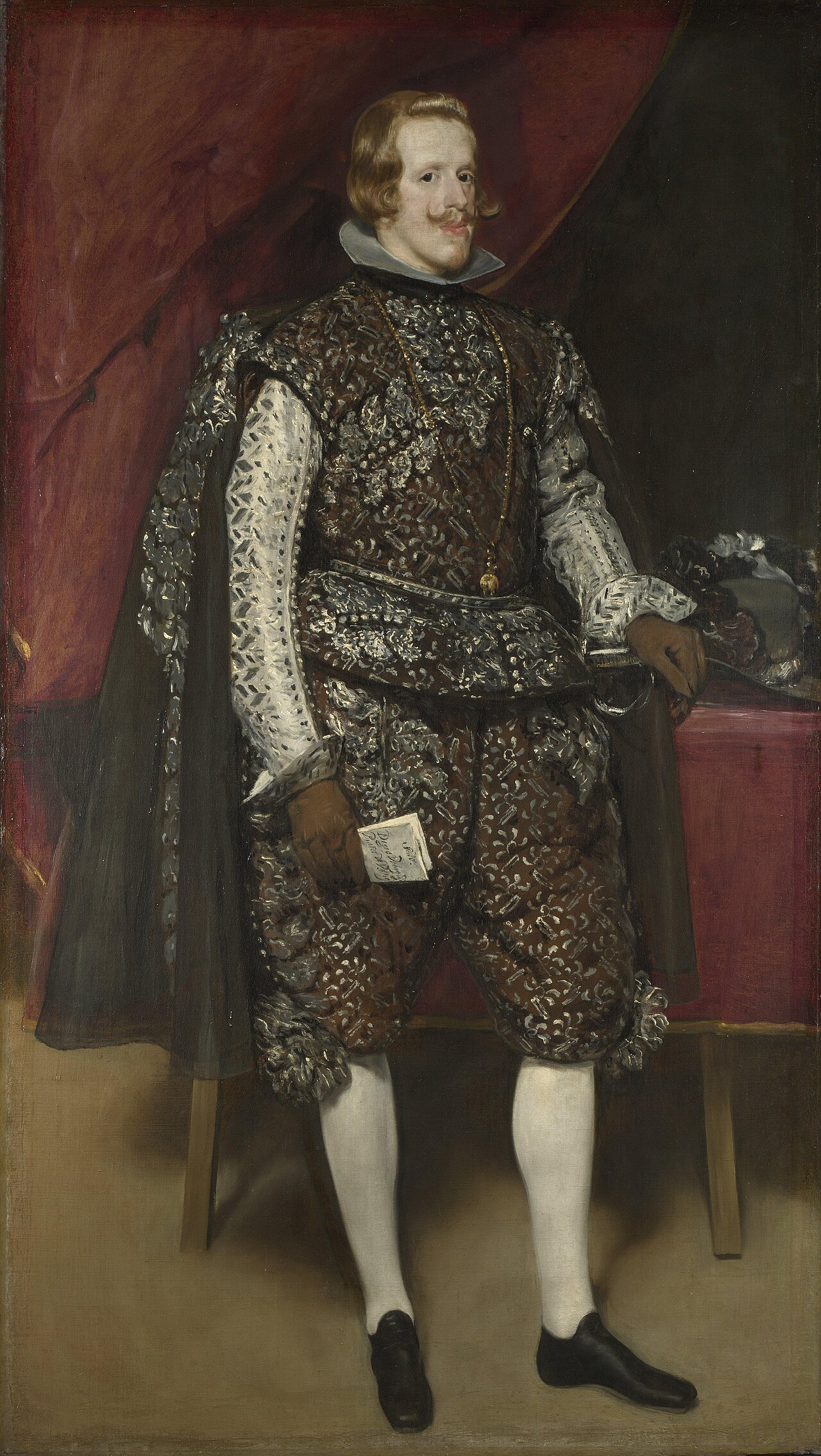
Philip IV in Brown and Silver
Diego Velázquez · c. 1631–1635
Free account
Read every Philip IV of Spain source
Sign up free →
Ready when you are
Start chatting with Philip IV of Spain now.
20 messages free · No credit card · Available in 50+ languages.