


Primary sourceDocument1991
Touby v. United States
Thurgood Marshall · 1991
A 1991 concurring opinion by Thurgood Marshall, in which he explains why a defendant must be able to challenge a temporary drug scheduling order during a criminal prosecution.
Marshall wrote this separate concurrence as a Supreme Court Justice, explaining his own reasons for joining the majority on drug scheduling.
About this source
What it is
This is a concurring opinion by Justice Thurgood Marshall in Touby v. United States, decided in 1991. Marshall joins the Court's opinion but writes separately to stress two points. The first is that a defendant must have the opportunity to challenge the substance of a temporary drug scheduling order during a criminal prosecution. He argues that Congress's silence on review in such settings should not be read as a bar. The opinion is reported as 500 U.S. 160 and is listed on Wikisource under concurrences.
Why it matters
The concurrence shows how Marshall thought about the power of administrators to make law through scheduling decisions and how courts should check that power. He refers to the Court's earlier cases on review, which shows how judges used precedent to shape the rules that govern drugs and criminal defendants.
Look closer
- Why does Marshall argue that silence in a statute should not be read as a ban on review?
- Who would be affected if defendants could not challenge a scheduling order, and who would benefit from that limit?
- What does the opinion leave out about the people charged under drug laws?
This document is part of the curated material that grounds the AI version of Thurgood Marshall on Humy.ai — when students ask about related events, the AI can quote it and cite it.
More Thurgood Marshall sources
Meet the AI Thurgood Marshall →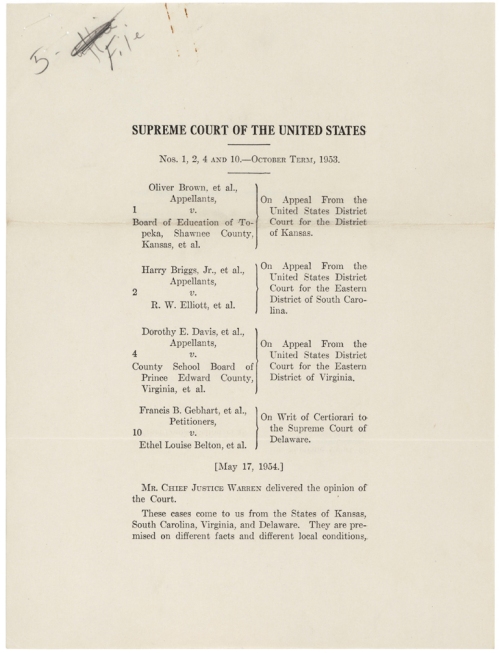 Document
Primary source
Brown v. Board of Education
Earl Warren · 17 May 1954
 Painting
Primary source
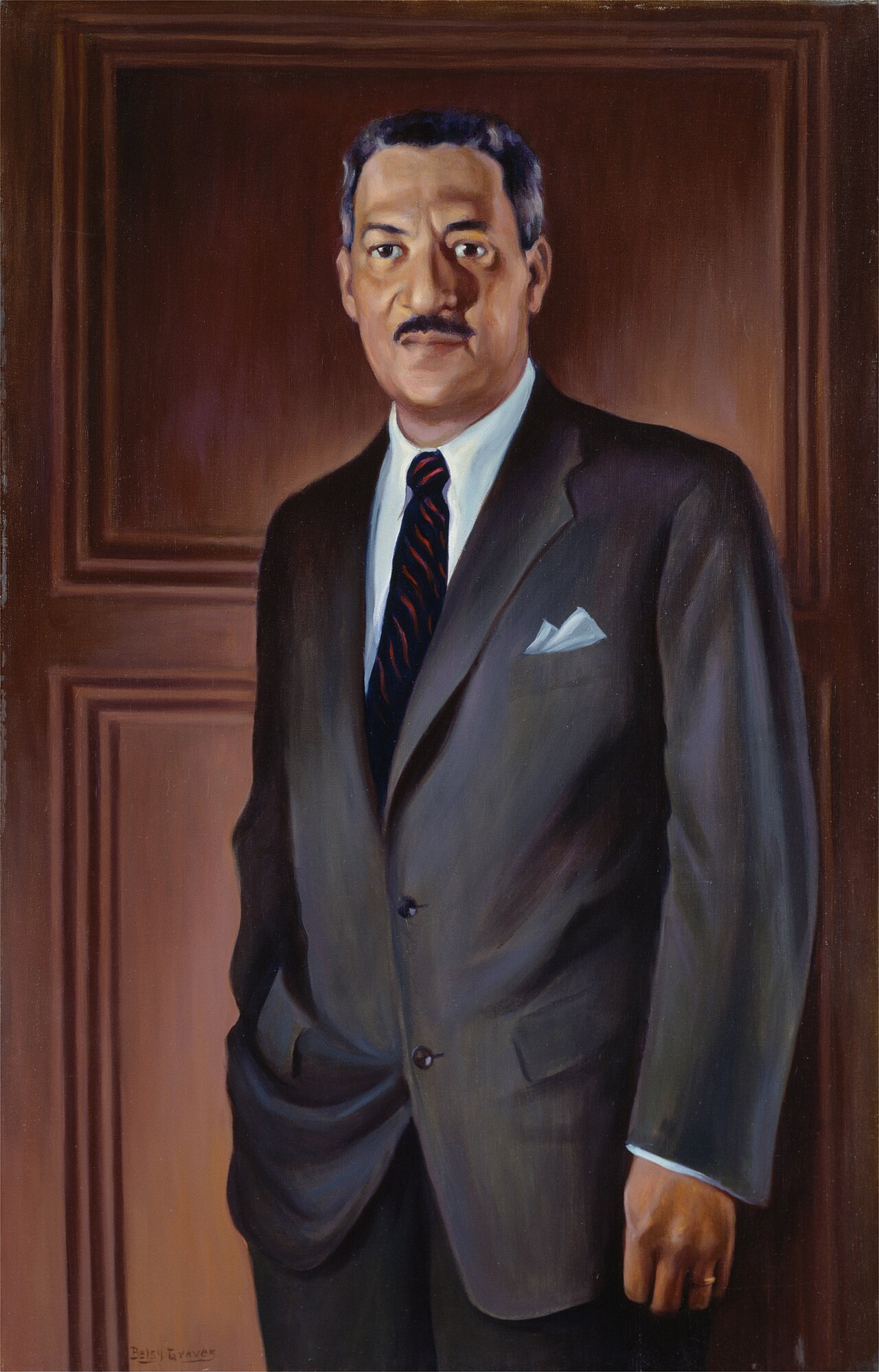
Thurgood Marshall
Betsy Graves Reyneau · 1956
 Photograph
Primary source
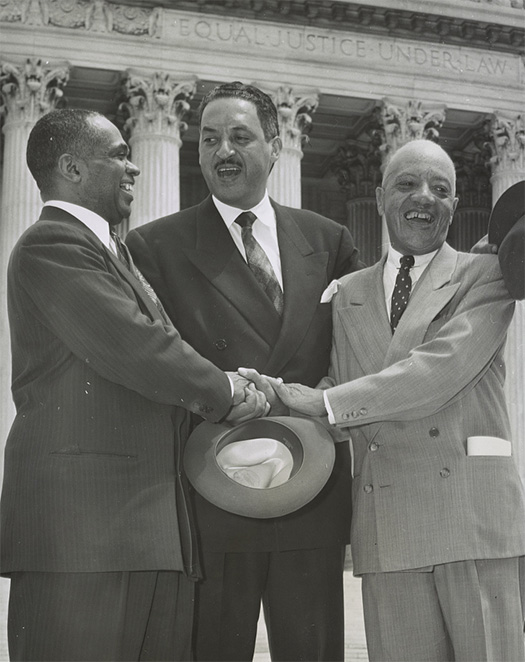
George Edward Chalmer Hayes, Thurgood Marshall, and James Nabrit in 1954 winning Brown case
1954
 Photograph
Primary source
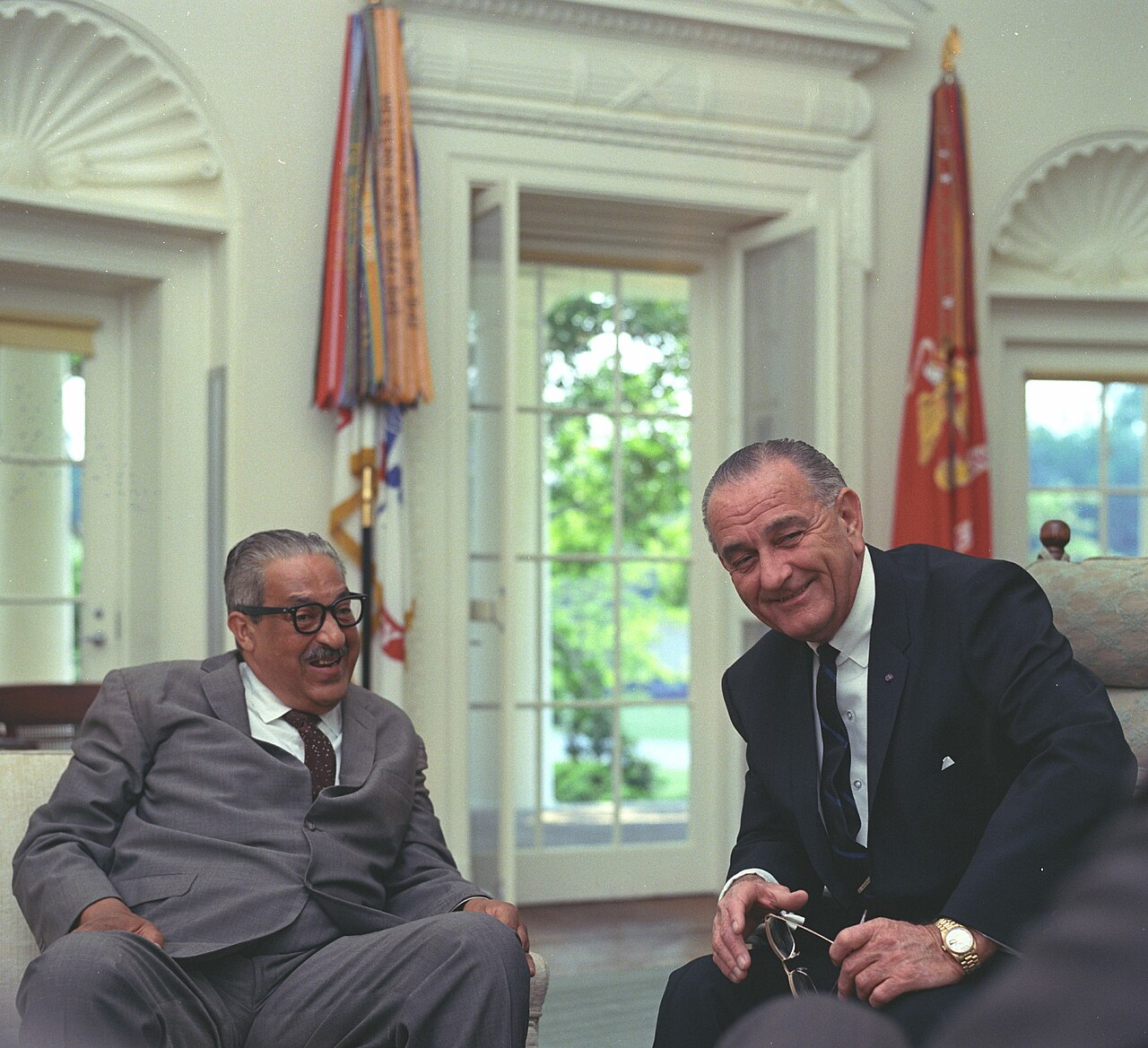
Thurgood Marshall and President Lyndon B. Johnson, June 13, 1967
Frank Wolfe · 13 June 1967
Primary source
Cooper v. Aaron
12 September 1958
Ready when you are
Start chatting with Thurgood Marshall now.
20 messages free · No credit card · Available in 50+ languages.