


Secondary sourceBook1921
Tractatus Logico-Philosophicus
Ludwig Wittgenstein · 1921
Wittgenstein's 1921 philosophical work, which built its 'picture theory of language' on ideas drawn from Hertz's writings on mechanics.
Wittgenstein's book shows how Hertz's 'picture' theory of mechanics influenced later philosophy.
Free Humy account · No credit card · 120,912 sources to read
About this source
What it is
The Tractatus Logico-Philosophicus is a philosophical work written by Ludwig Wittgenstein, published in 1921. It is a series of numbered propositions about logic, language, and the nature of the world.
Why it matters
Wittgenstein was inspired by Heinrich Hertz's 'picture' theory, found in Hertz's Principles of Mechanics, and extended it into a picture theory of language. This shows how a physicist's way of thinking about models and representation could shape ideas far beyond physics, influencing philosophy in the 20th century.
Look closer
- What might it mean for a scientific idea, like a 'picture' of mechanics, to inspire a philosopher's theory of language?
- Why do you think ideas can travel between very different fields such as physics and philosophy?
- What does this connection suggest about how Hertz's influence outlasted his own field?
This book is part of the curated material that grounds the AI version of Heinrich Hertz on Humy.ai — when students ask about related events, the AI can quote it and cite it.
More Heinrich Hertz sources
Browse all 65 →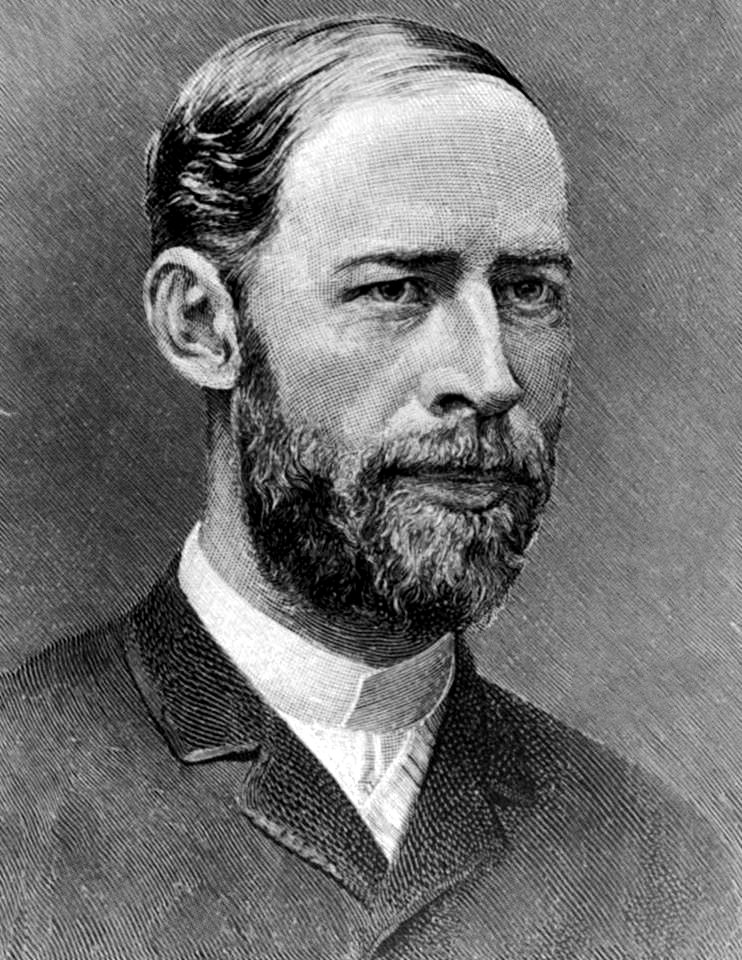 Photograph
Primary source
Heinrich Hertz
Robert Krewaldt
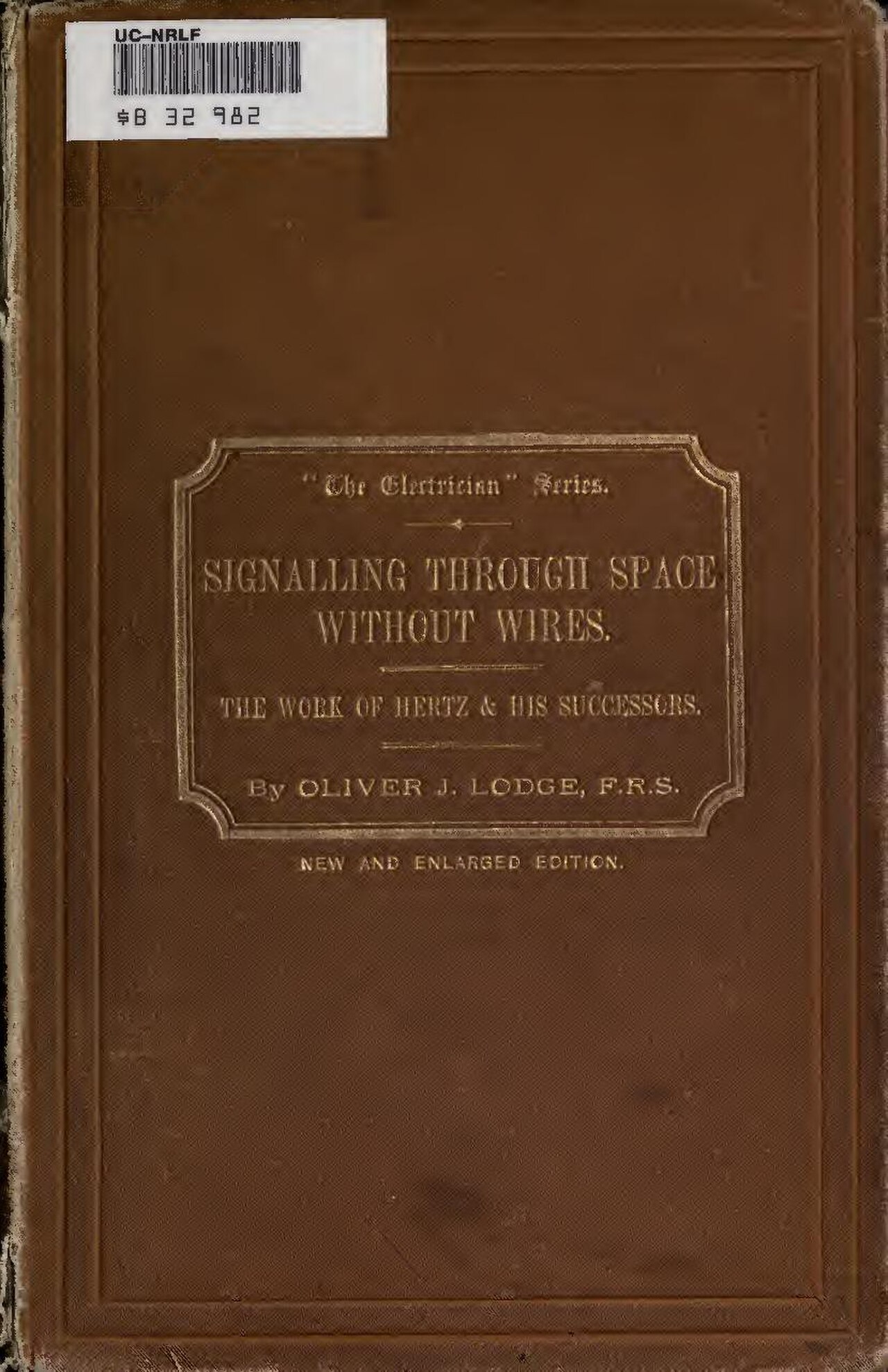 Speech
Secondary source
The Work of Hertz (Royal Institution lecture)
Oliver Lodge · 1 June 1894
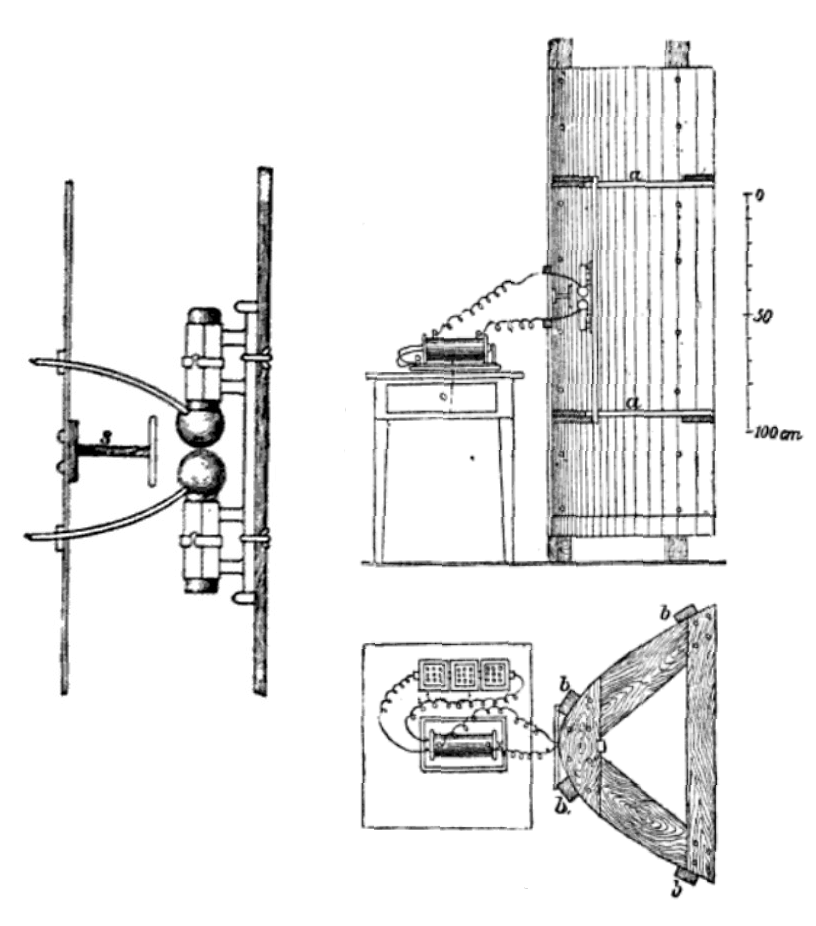 Artifact
Primary source
Hertz Spark Gap Transmitter and Parabolic Antenna
Heinrich Hertz · 1888 (published 1893)
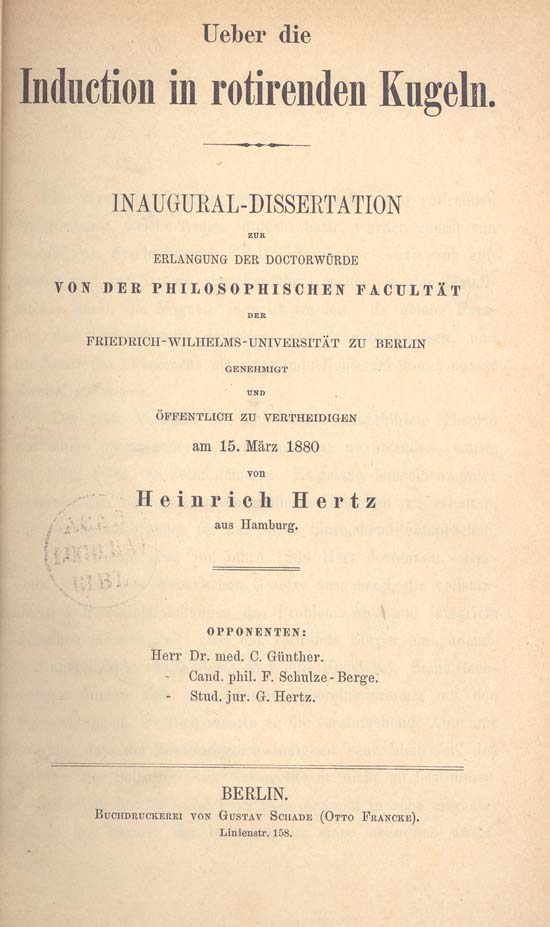 Document
Primary source
Ueber die Induction in rotirenden Kugeln
Heinrich Hertz · 1880


Free account
Read every Heinrich Hertz source
Sign up free →
Ready when you are
Start chatting with Heinrich Hertz now.
20 messages free · No credit card · Available in 50+ languages.