


Secondary sourceDocument
Translation: Esther (Hebrew)
A translation of the Book of Esther on Wikisource, with a note that identifies Ahasuerus, the king in the story, as generally believed to be Xerxes I.
The king in this biblical story, Ahasuerus, is generally identified with Xerxes I, so the text is part of how his reign was later remembered.
Free Humy account · No credit card · 120,288 sources to read
About this source
What it is
This is an online text of the Book of Esther, presented as a translation with chapter divisions and notes. The opening chapter describes a king named Ahasuerus who reigned from India to Ethiopia, held a long feast in Susa, and gathered his officials and army. A note on Wikisource says that Ahasuerus is generally believed to be Xerxes I, and it cites the commentary of Lewis Paton. The text is a translation hub rather than a study of history.
Why it matters
The Book of Esther is a story about Jewish life in the Persian empire. Its king is named Ahasuerus, and scholars have usually linked him with Xerxes I. The identification comes from later scholarship, not from the text alone, so students should treat it as an informed guess. The book shows how a Jewish community remembered Persian rule.
Look closer
- What does the opening description of the king's power and feast show the writer wanted readers to notice?
- Why do scholars need a note to connect the name Ahasuerus with Xerxes I?
- What does this story leave out about the Persian empire as a whole?
This document is part of the curated material that grounds the AI version of Xerxes I on Humy.ai — when students ask about related events, the AI can quote it and cite it.
More Xerxes I sources
Browse all 97 →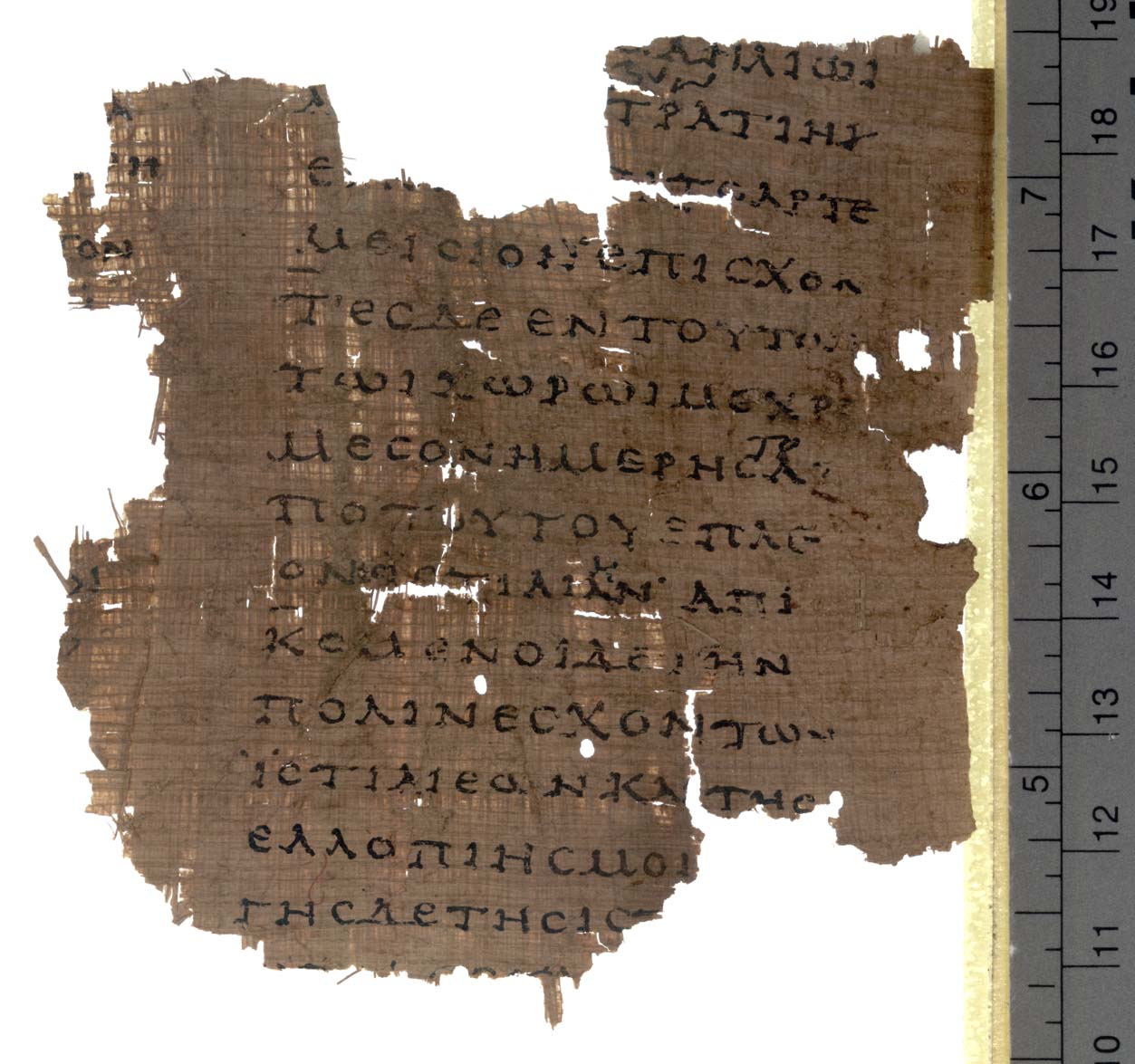

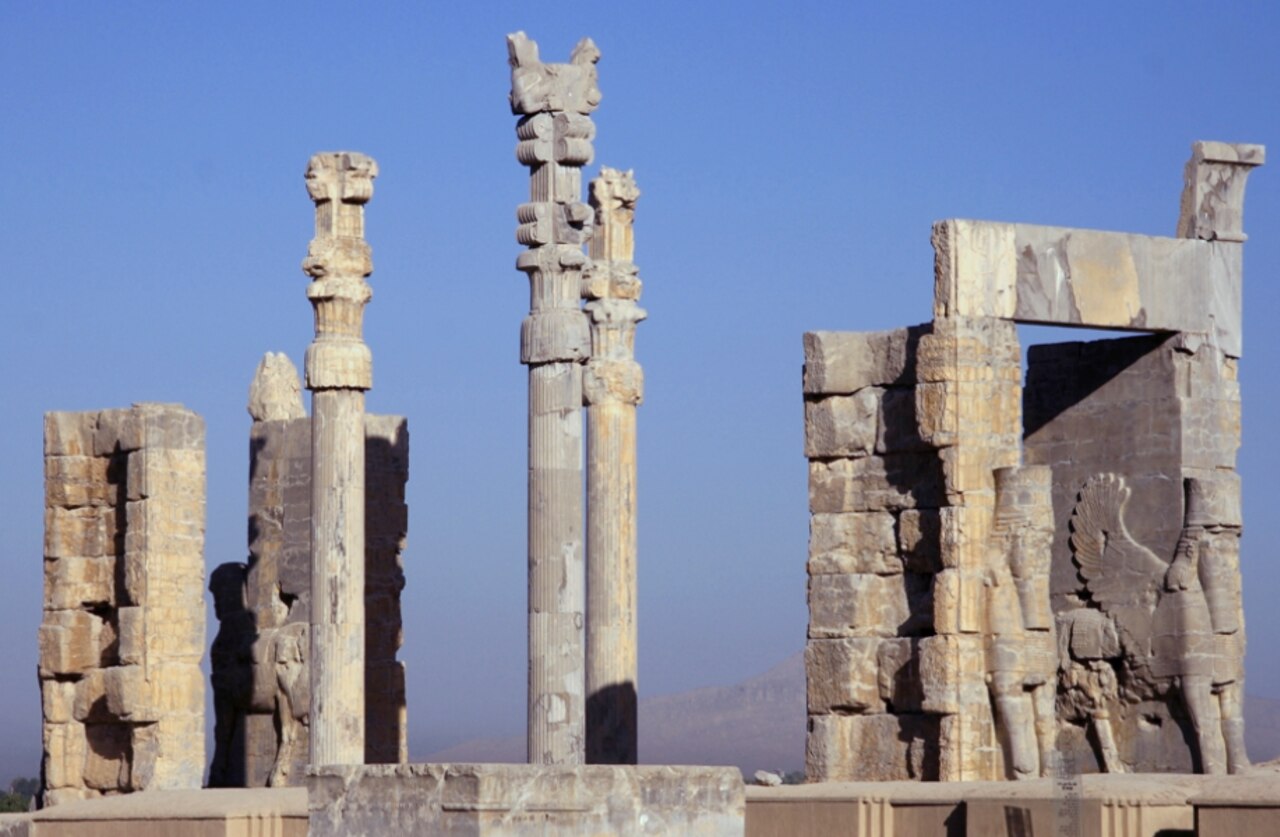
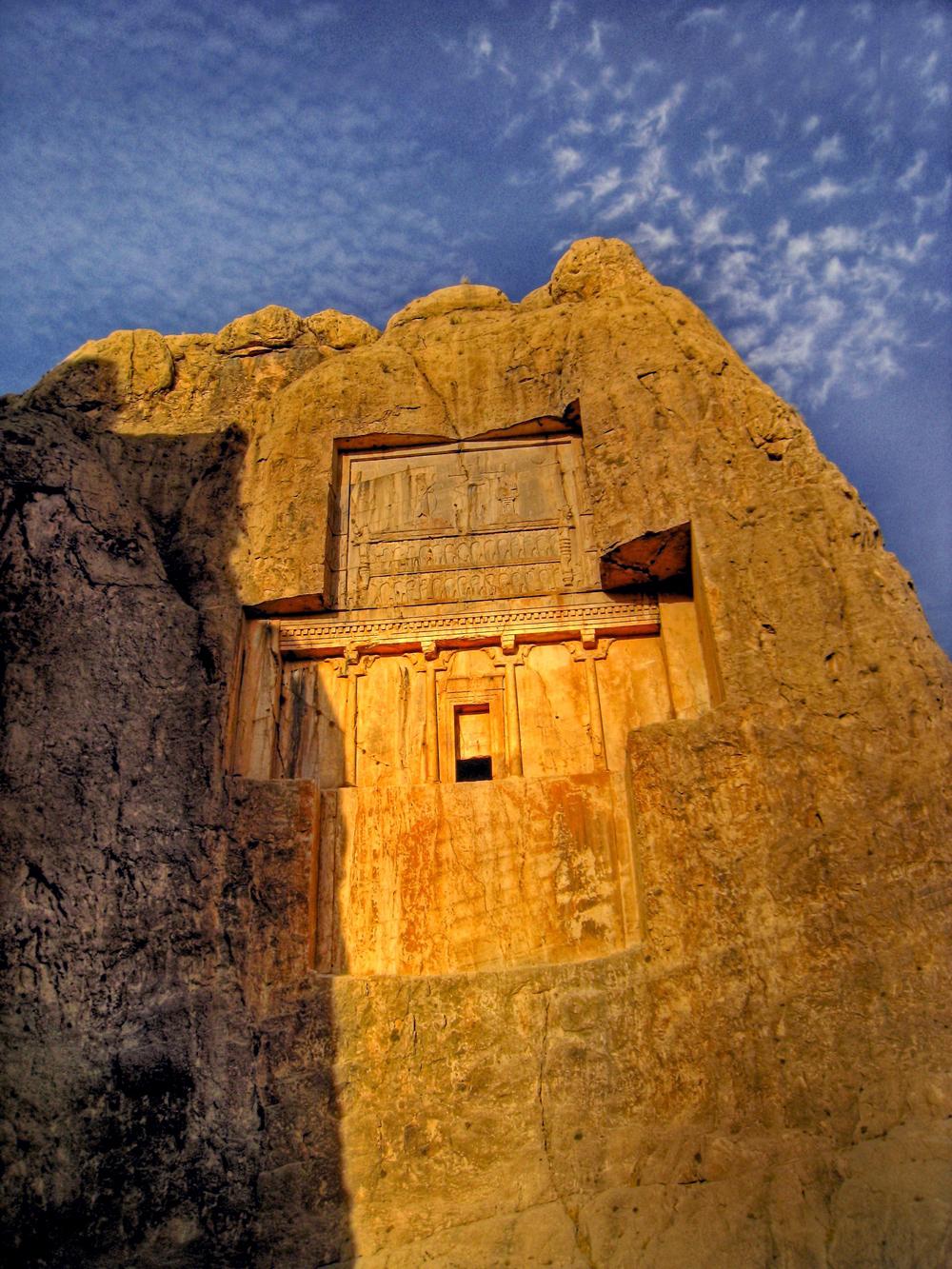
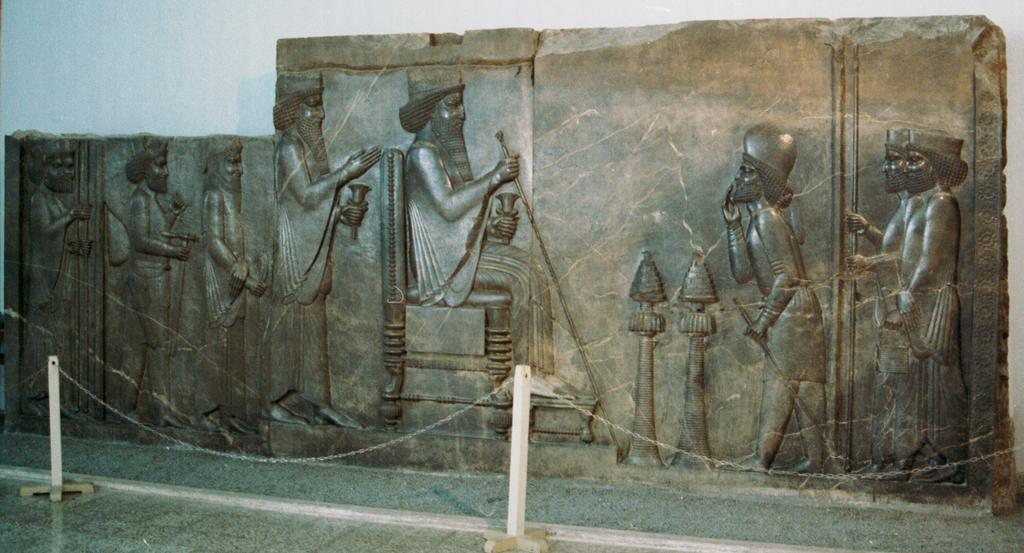
Ready when you are
Start chatting with Xerxes I now.
20 messages free · No credit card · Available in 50+ languages.