


Primary sourceDocument15 December 1543
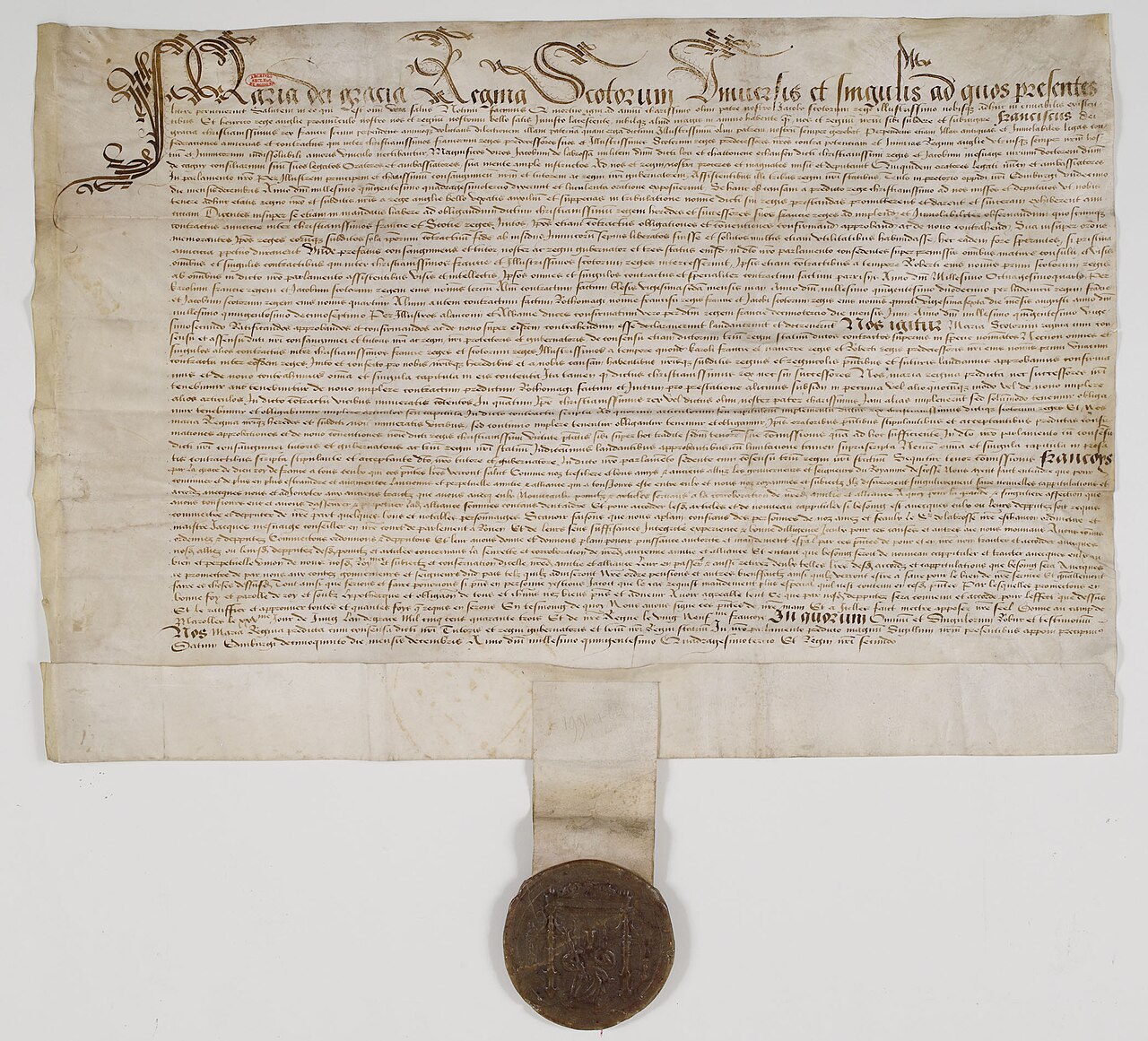
Treaty of Edinburgh, 1543
15 December 1543
A charter in the infant Mary's name renewing the Franco-Scottish alliance, signed after Scotland rejected the English marriage treaty.
This treaty was issued in the infant Mary's name, showing how her reign began under the control of regents and advisors.
About this source
What it is
This is a Latin charter on parchment, dated 15 December 1543, in which Mary, Queen of Scots, still an infant, confirmed and renewed the alliance treaties between her predecessors and the kings of France. It carries a wax seal and decorated lettering, and was issued at Edinburgh.
Why it matters
The document shows how Scotland's government used the baby queen's name to make major foreign-policy decisions on her behalf. It followed Scotland's rejection of a marriage treaty with England, turning instead toward France for protection and alliance — a choice that would shape Mary's later life, including her upbringing in France.
Look closer
- Who would have actually written and decided the contents of this charter, since Mary was an infant?
- What does the wax seal and formal Latin language tell you about how official documents conveyed authority?
- Why might Scotland's leaders have chosen France over England at this moment?
This document is part of the curated material that grounds the AI version of Mary, Queen of Scots and Francis I of France on Humy.ai — when students ask about related events, the AI can quote it and cite it.
More Mary, Queen of Scots sources
Browse all 88 →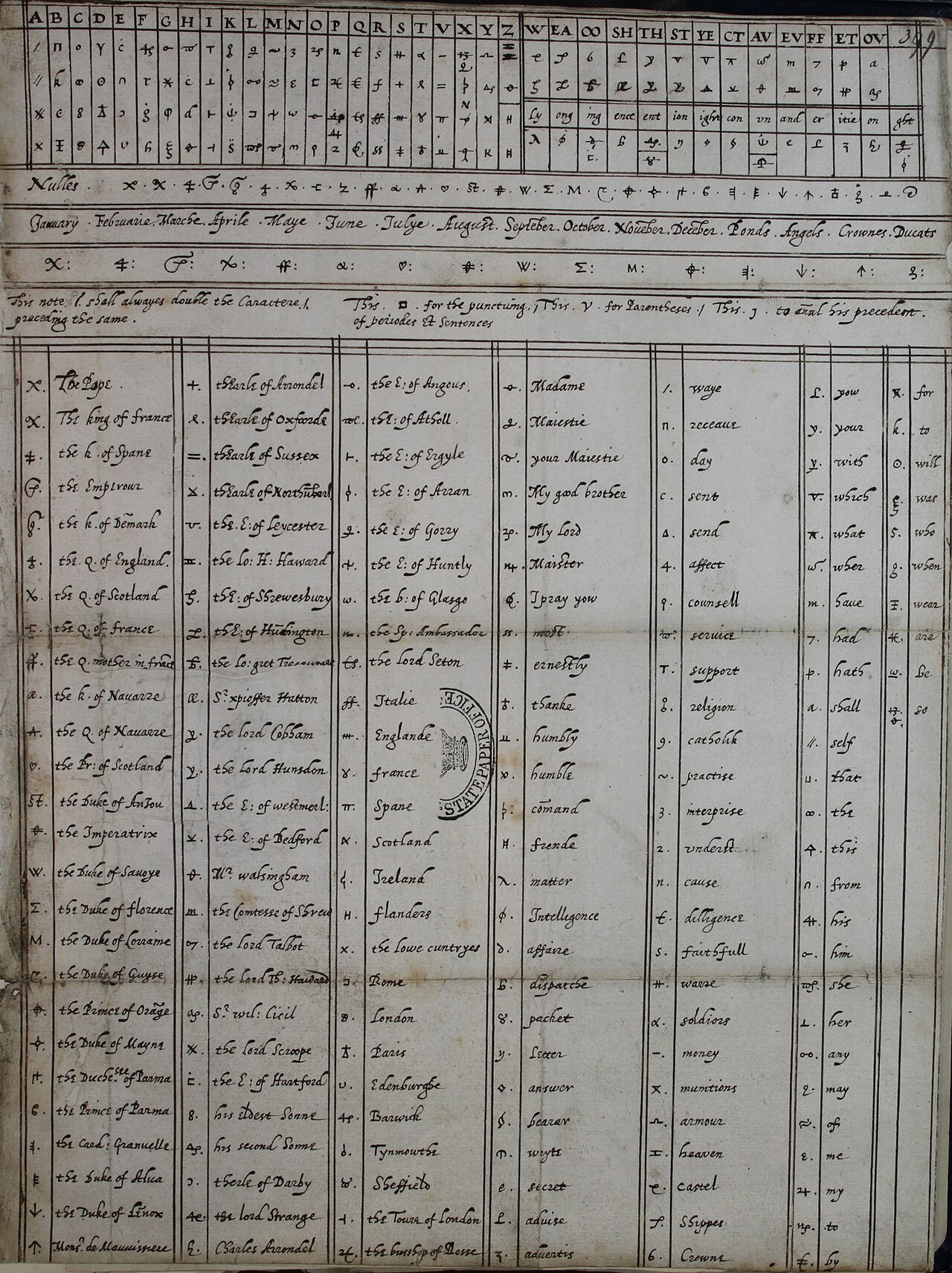 Document
Primary source
Cipher and Code Tables of Mary, Queen of Scots
Mary, Queen of Scots
 Painting
Primary source
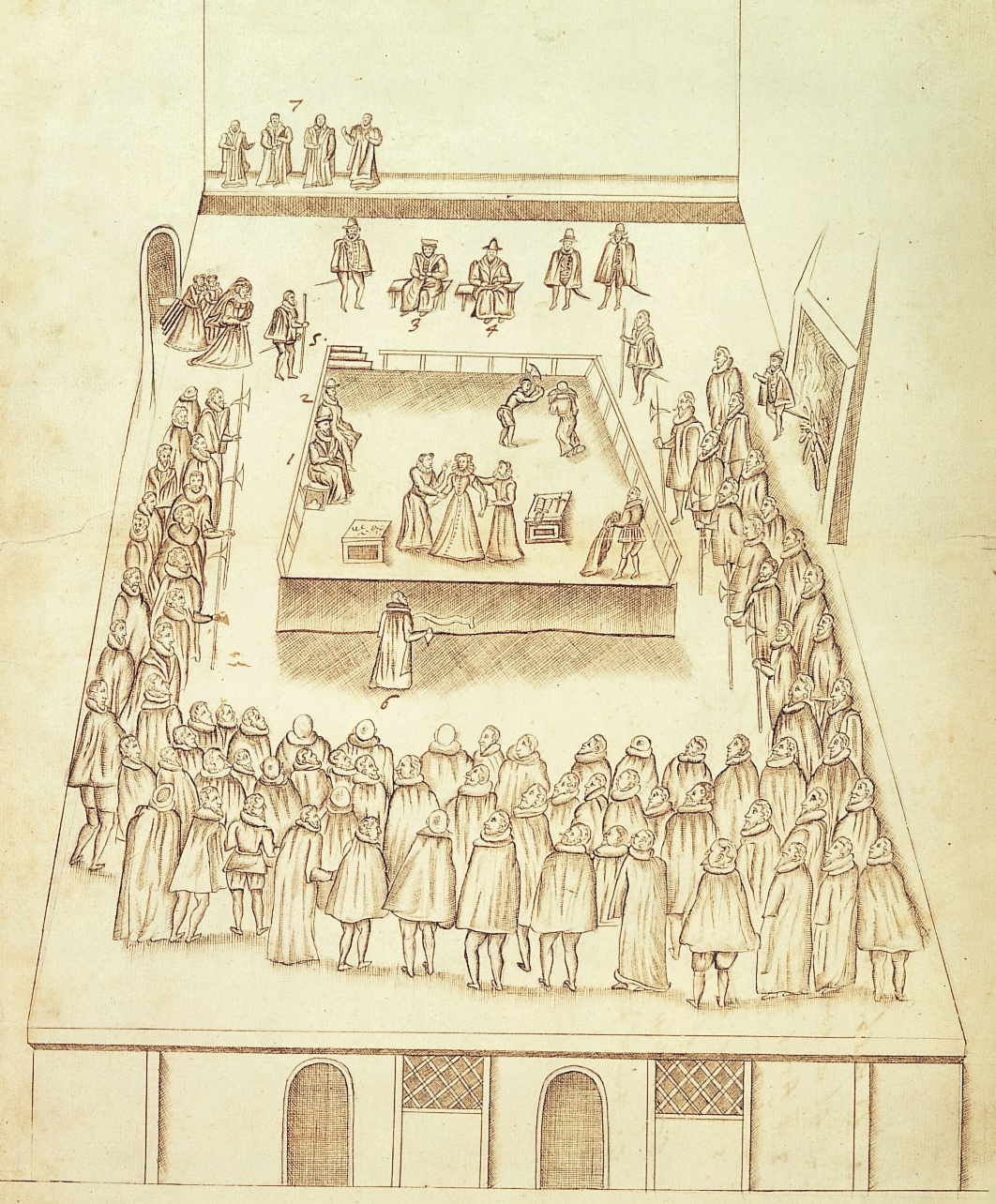
Drawing of the Execution of Mary, Queen of Scots at Fotheringhay
Unknown artist (Beale papers) · 1587
 Painting
Primary source
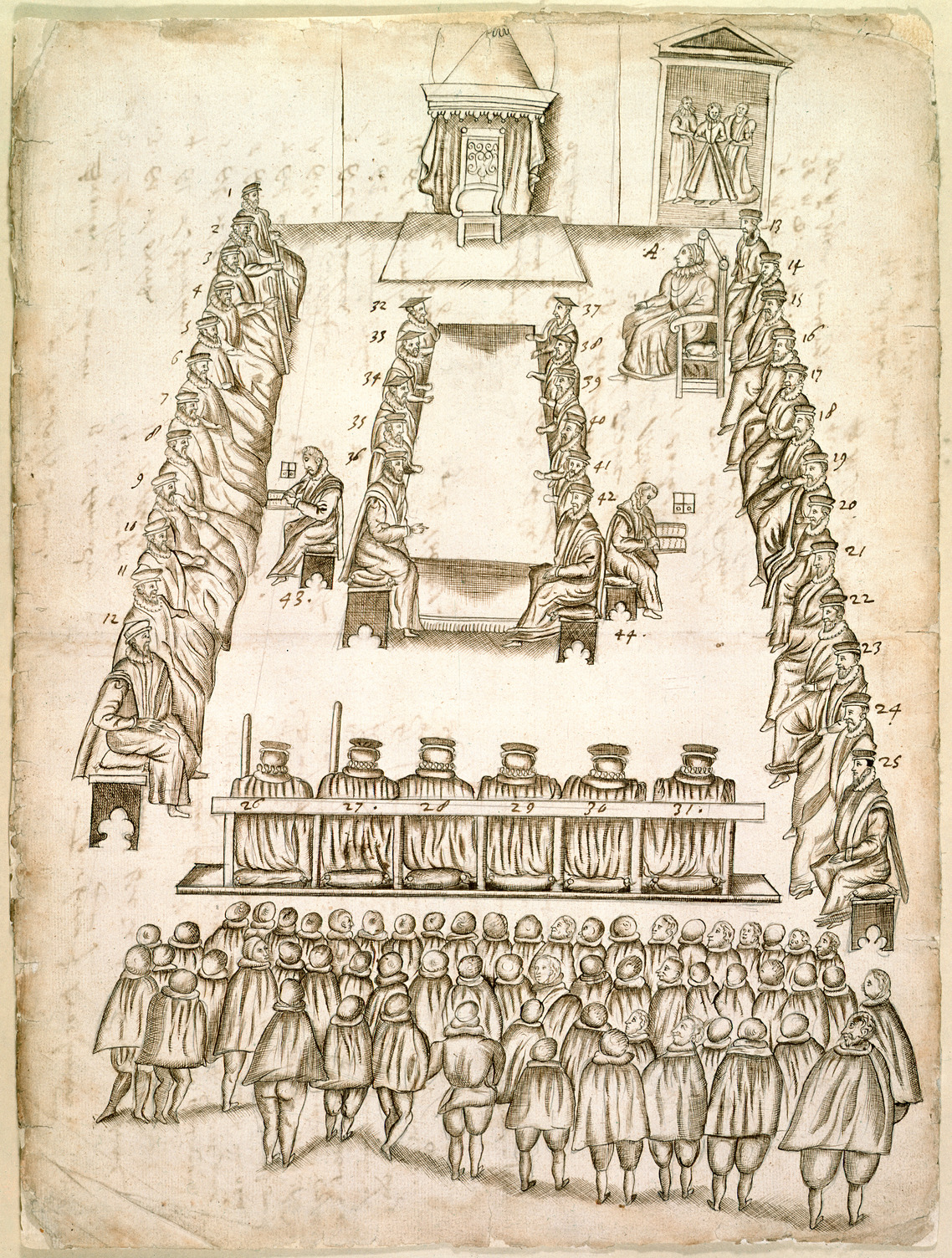
Drawing of the Trial of Mary, Queen of Scots
Unknown artist · 14-15 October 1586
 Letter
Primary source
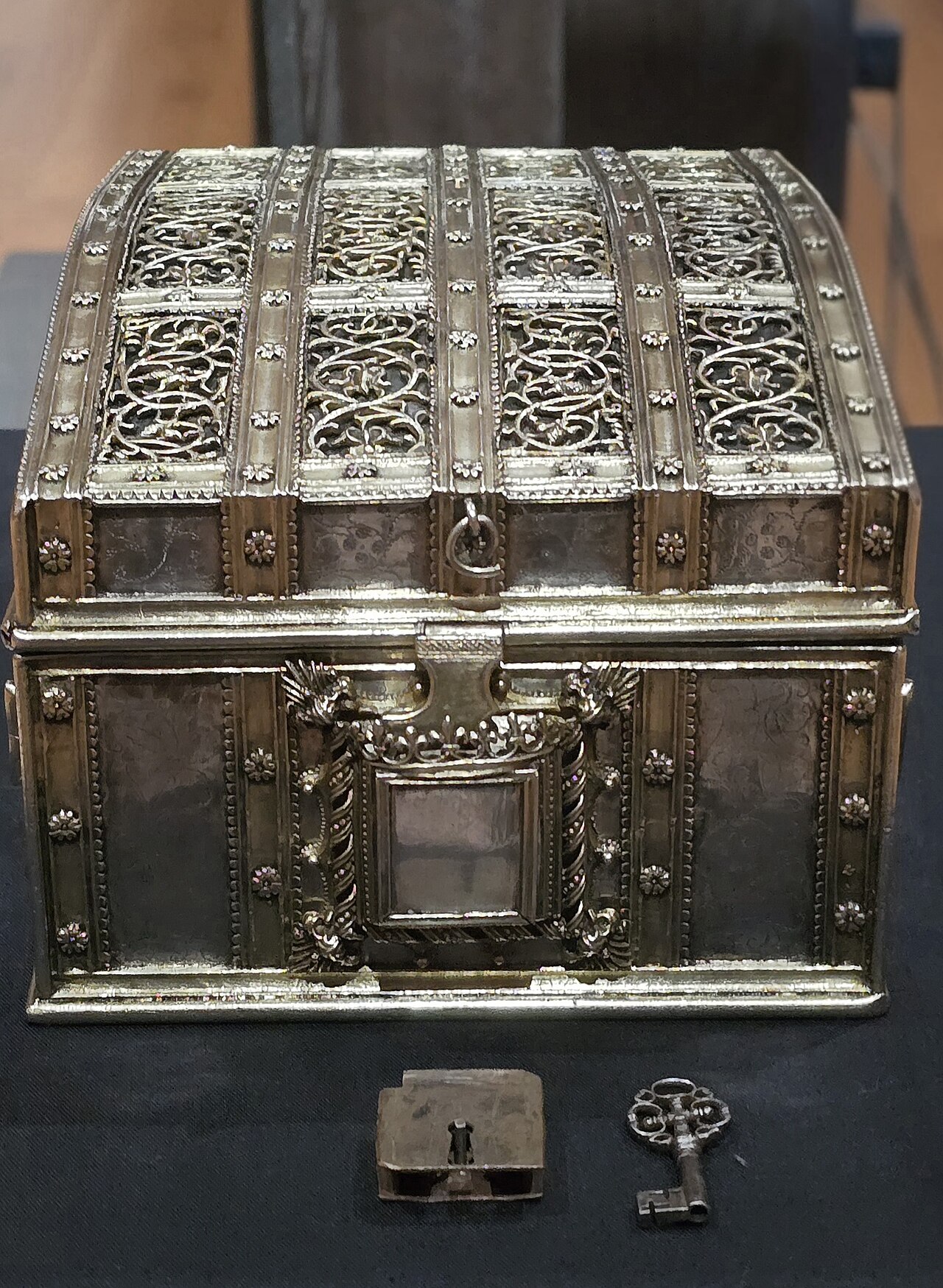
Casket Letters
Attributed to Mary, Queen of Scots (disputed) · January-April 1567
Free account
Read every Mary, Queen of Scots source
Sign up free →
Ready when you are
Start chatting with Mary, Queen of Scots now.
20 messages free · No credit card · Available in 50+ languages.