


Primary sourceDocumentDecember 1174
Treaty of Falaise
December 1174
A 1174 agreement forced on the captured William I of Scotland, making him accept Henry II as his feudal overlord.
Henry imposed this treaty on the captured Scottish king, marking the peak of his dominance over Scotland.
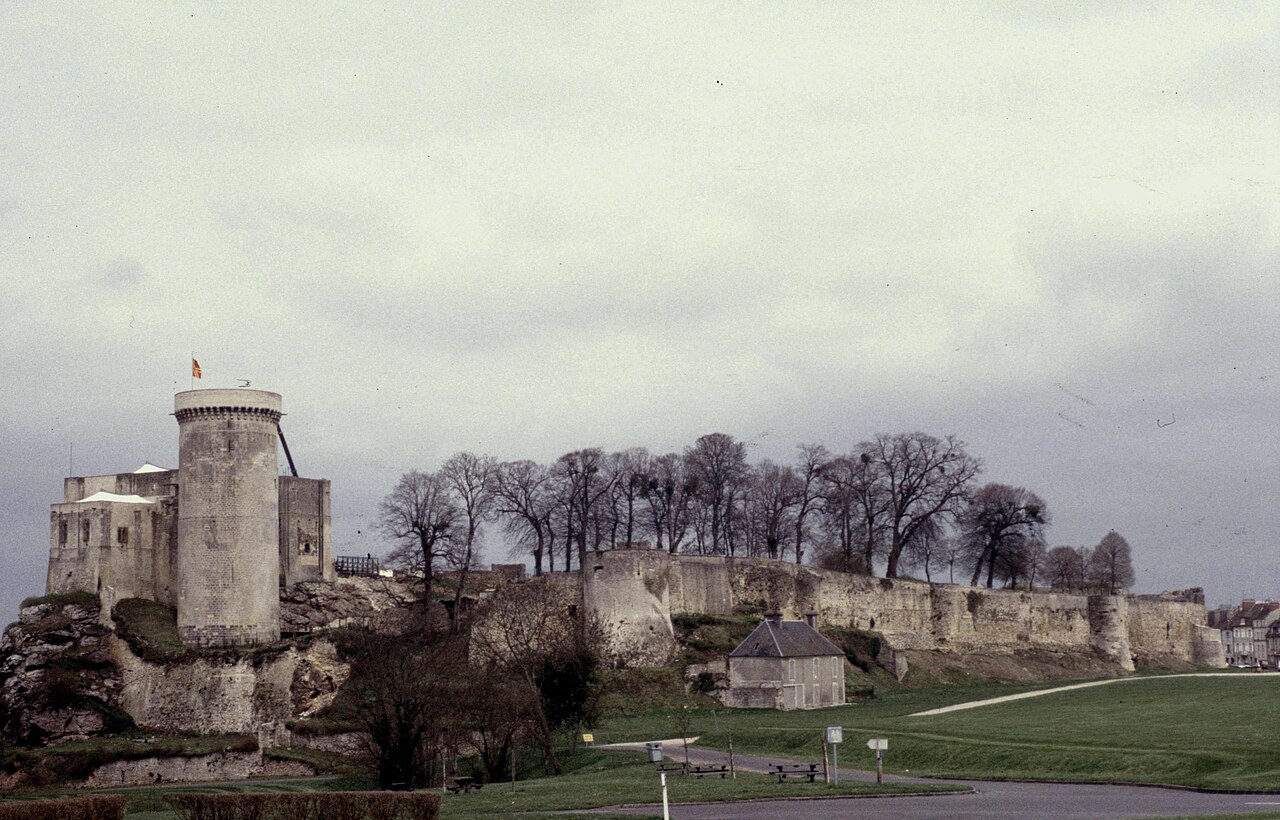
About this source
What it is
The Treaty of Falaise was a written agreement made in December 1174 between the captive William I, King of Scots, and King Henry II of England, after William was captured during a rebellion against Henry.
Why it matters
For the first time, the relationship between the kings of Scotland and England was put in writing, with Scotland's king, nobles and clergy all subject to English authority, and key castles handed to English soldiers. It marks the high point of Henry's power over Scotland, though the treaty was cancelled by Henry's son Richard I in 1189. It shows how Henry used his sons' rebellion and William's defeat to extend English control northward.
Look closer
- Why would a treaty made under capture be seen differently from one agreed freely?
- What does the list of castles handed over tell us about the real balance of power?
- Why might Richard I have been willing to cancel his father's treaty?
This document is part of the curated material that grounds the AI version of Henry II on Humy.ai — when students ask about related events, the AI can quote it and cite it.
More Henry II sources
Browse all 90 →Primary source
Constitutions of Clarendon
Henry II of England · 1164
Primary source
Assize of Clarendon
Henry II of England · 1166
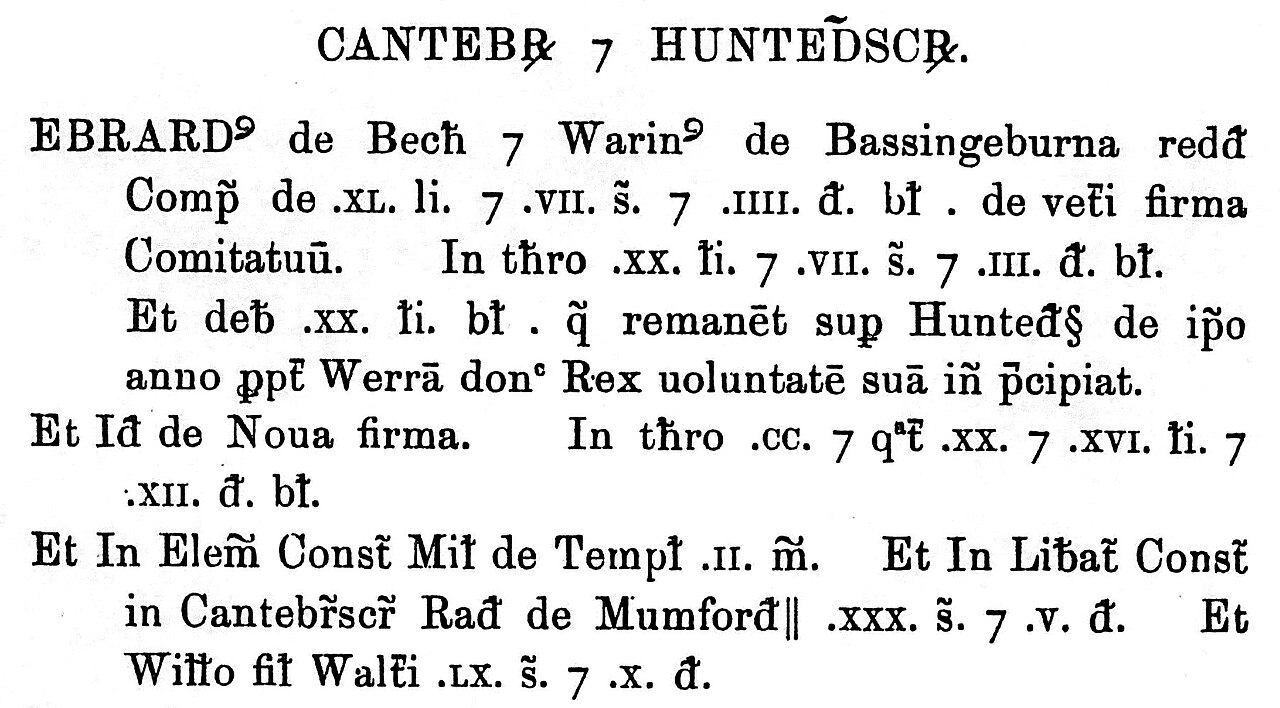 Document
Primary source
Pipe Roll, 21 Henry II
1174-1175
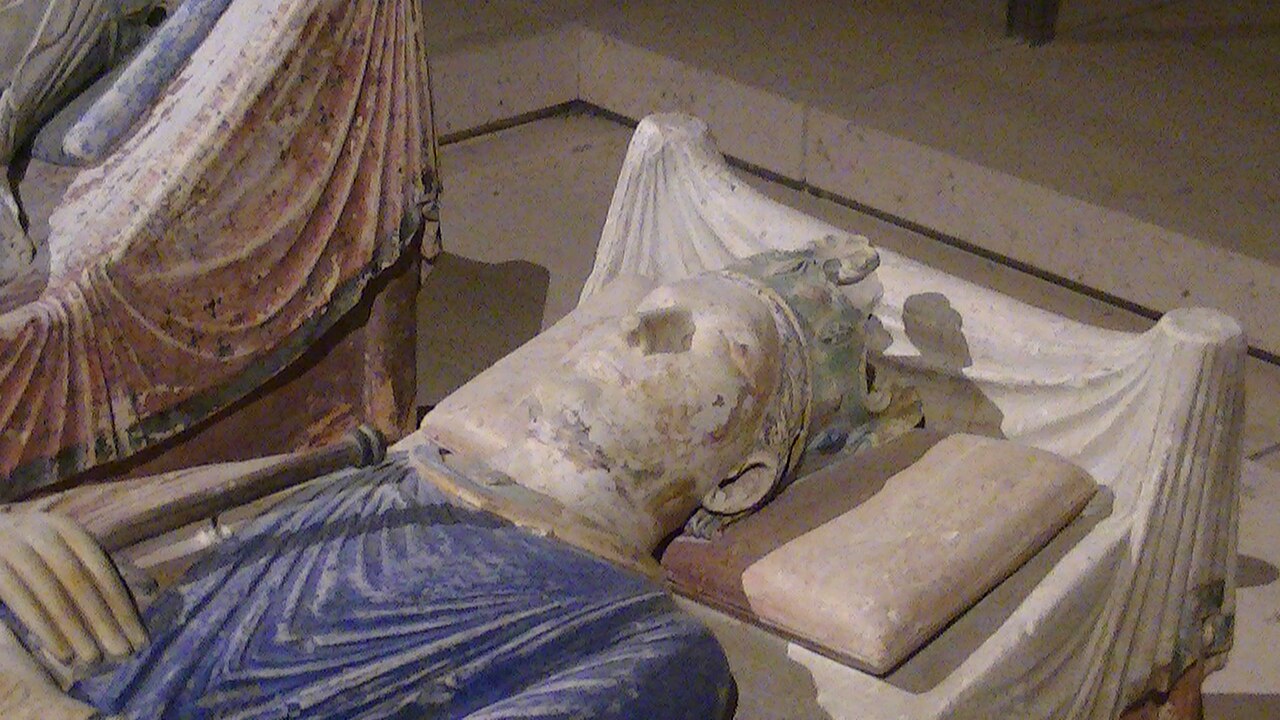 Sculpture
Secondary source
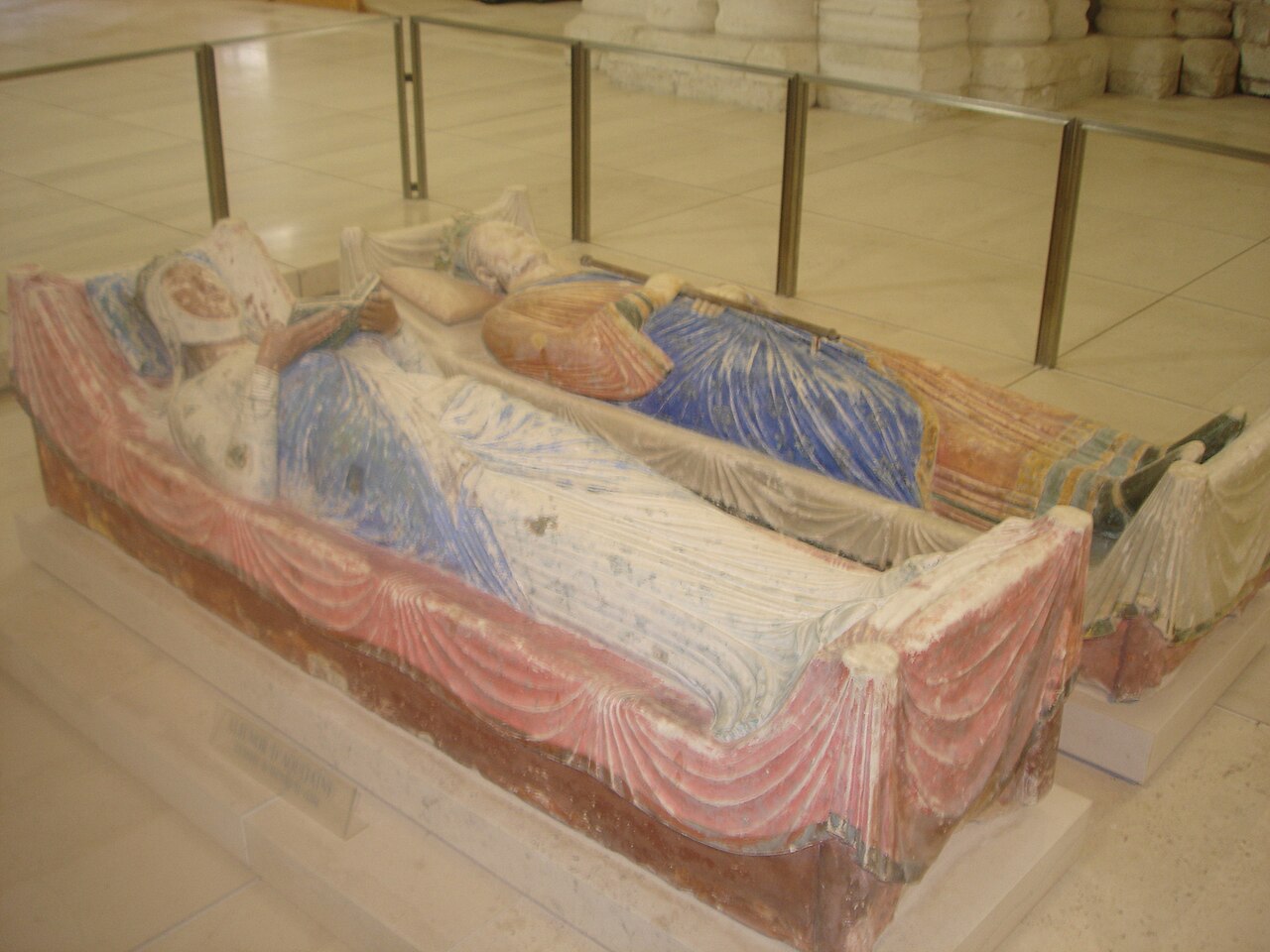
Effigy of Henry II at Fontevraud Abbey
Unknown sculptor · c. 1200
Free account
Read every Henry II source
Sign up free →
Ready when you are
Start chatting with Henry II now.
20 messages free · No credit card · Available in 50+ languages.