


Primary sourceDocument10 November 1808
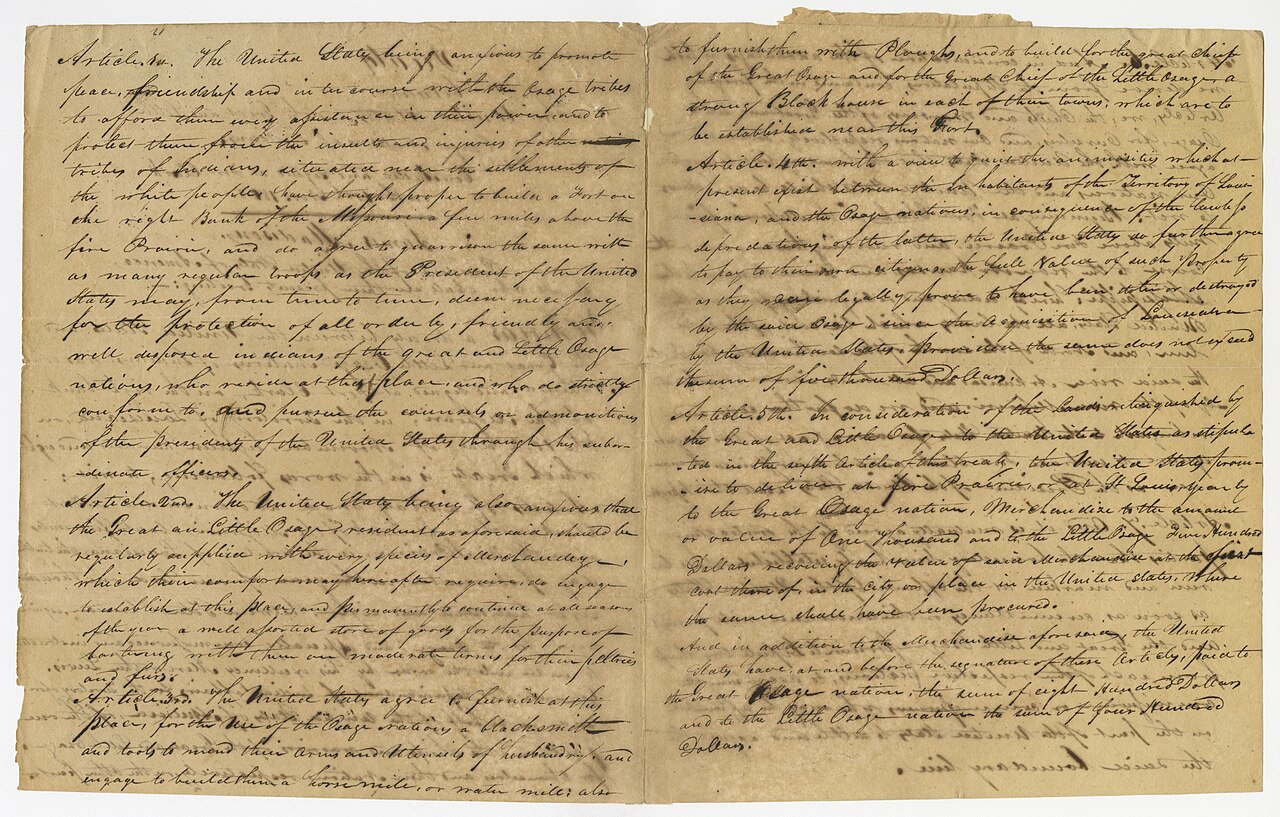
Treaty of Fort Clark
William Clark · 10 November 1808
A 1808 treaty in which the Osage ceded most of Missouri to the United States, negotiated by William Clark at the fort named for him.
Clark led the building of the fort and negotiated this early, major land cession from the Osage as Indian agent.
About this source
What it is
This treaty was signed at Fort Osage (then called Fort Clark) on November 10, 1808, and ratified in 1810. It records the Osage Nation ceding land east of the fort in Missouri and Arkansas to the United States. It is held at Fort Osage, and includes the marked signatures of many Osage chiefs.
Why it matters
William Clark led the group that built the fort and oversaw the treaty's negotiation, with help from trader Pierre Chouteau. It was one of the first major land cessions in the newly acquired Louisiana Purchase, and it set the stage for later removals of Native peoples across the region. The treaty reveals how trading posts, diplomacy, and military presence were used together to pressure Indigenous nations into giving up land.
Look closer
- What does the document promise the Osage in exchange for their land?
- Why might the Osage chiefs have agreed to sign, even though many later protested the terms?
- What clues in the handwriting or signatures show who actually controlled the agreement?
This document is part of the curated material that grounds the AI version of William Clark on Humy.ai — when students ask about related events, the AI can quote it and cite it.
More William Clark sources
Meet the AI William Clark →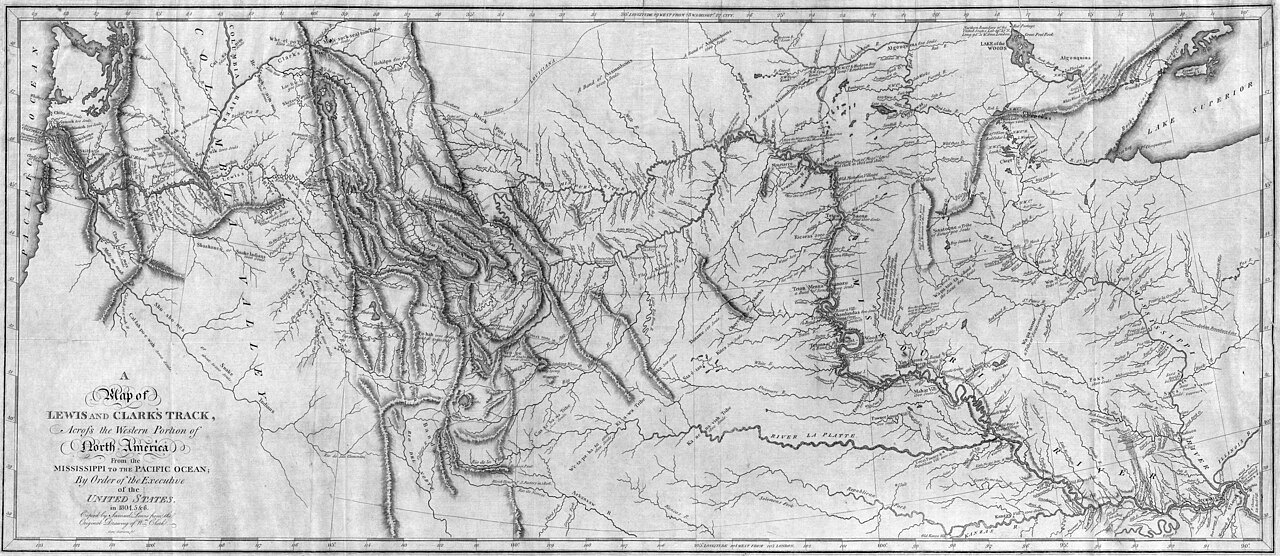 Document
Primary source
A Map of Lewis and Clark's Track Across the Western Portion of North America
William Clark · 1814
 Document
Primary source
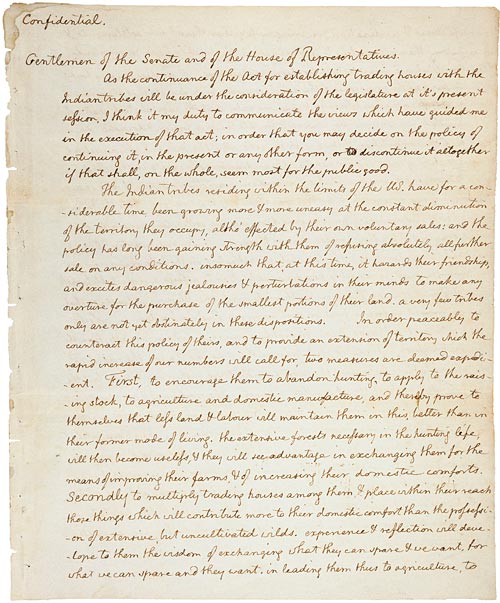
Jefferson's Secret Message to Congress Regarding the Lewis and Clark Expedition
Thomas Jefferson · 18 January 1803
Primary source
Louisiana Purchase Treaty
30 April 1803
 Painting
Primary source
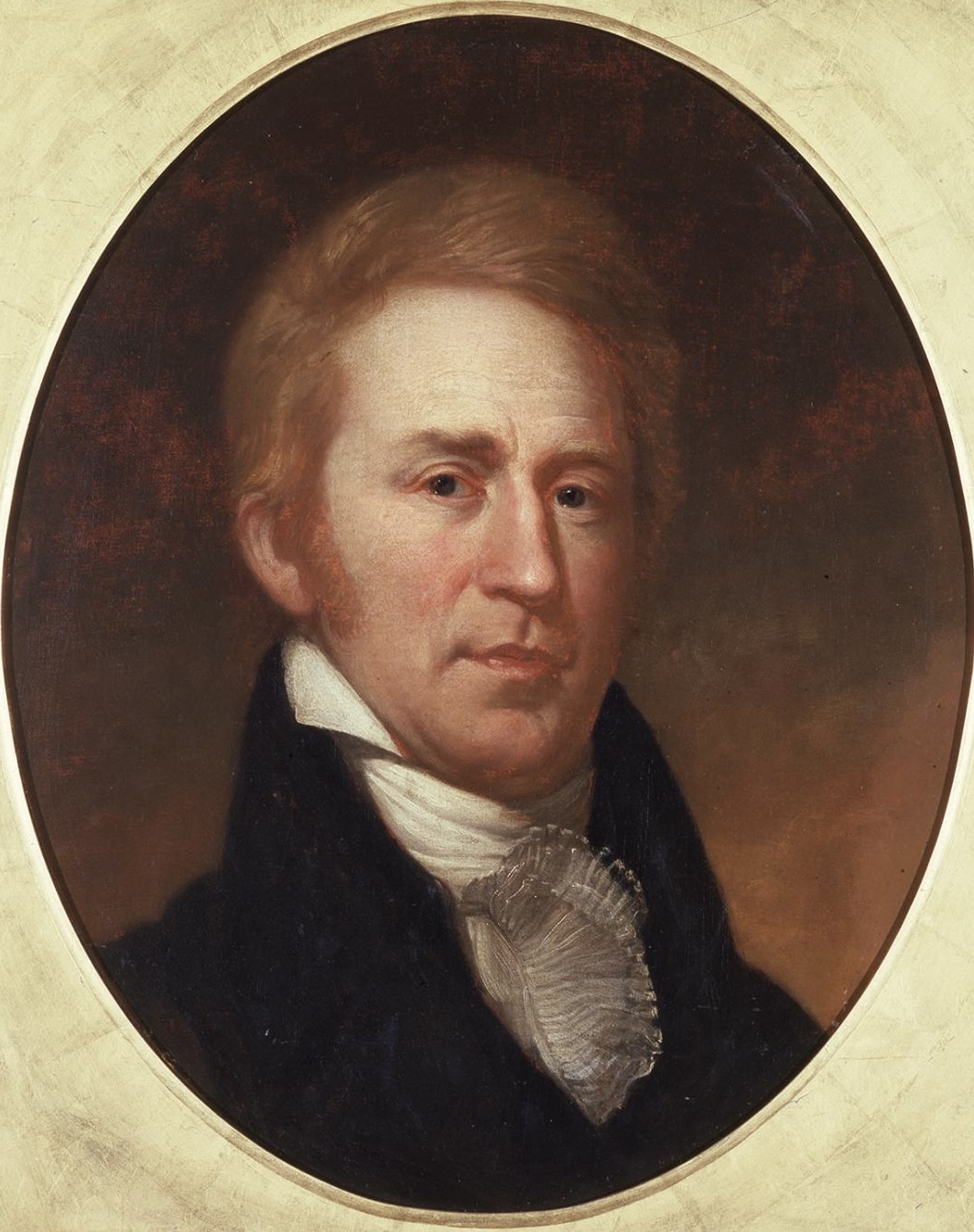
Portrait of William Clark
Charles Willson Peale
 Photograph
Primary source
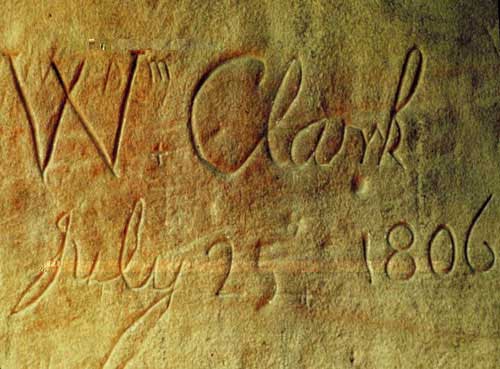
Clark's Signature at Pompeys Pillar
25 July 1806
Ready when you are
Start chatting with William Clark now.
20 messages free · No credit card · Available in 50+ languages.