


Primary sourceDocument10 February 1763
Treaty of Paris (1763)
10 February 1763
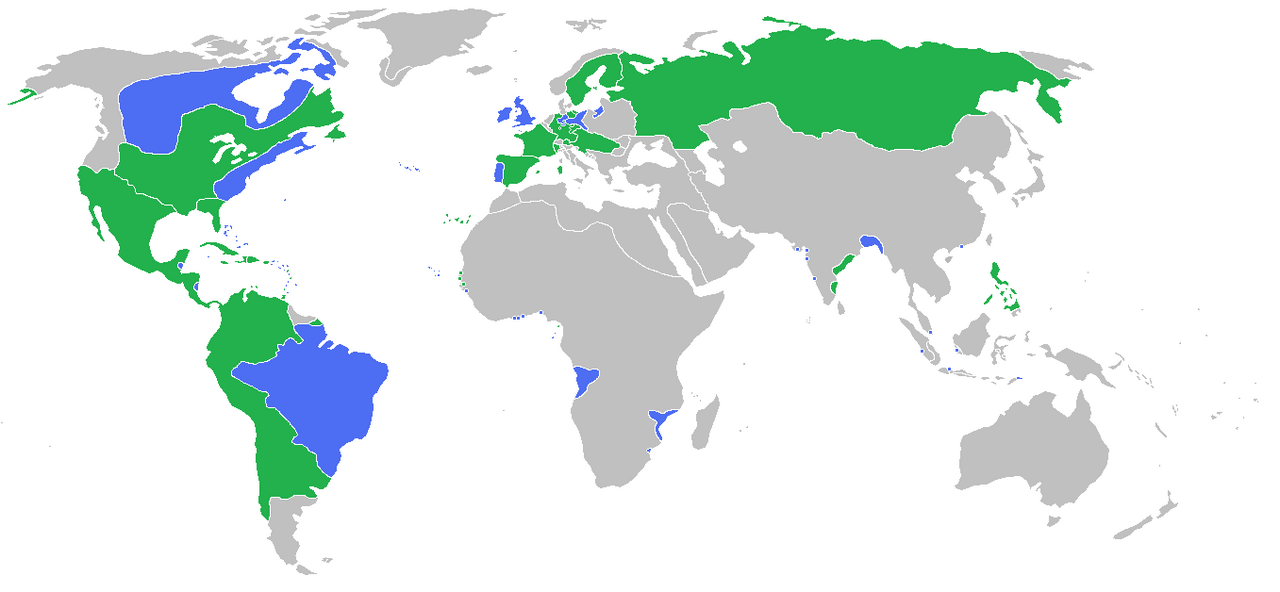
The peace treaty ending the Seven Years' War, signed early in George III's reign, giving Britain Canada and much of North America.
Signed early in George III's reign, this treaty's territorial gains shaped the imperial troubles of his rule.
About this source
What it is
This is the treaty signed on 10 February 1763 by Great Britain, France and Spain, with Portugal in agreement, ending the Seven Years' War. It was concluded in Paris during the reign of George III, who had succeeded his grandfather George II during the conflict.
Why it matters
The treaty handed Britain huge new territories, including Canada and land east of the Mississippi, making Britain the dominant power outside Europe. But governing this vastly expanded empire created new problems and costs that fed directly into the later disputes with the American colonies, disputes that unfolded under George III's rule.
Look closer
- Why would a treaty about war in Europe and America also affect French Catholics and Indigenous lands?
- What does the formal religious language at the start of the treaty tell you about how rulers saw their authority?
- What problems might come from gaining so much new territory so quickly?
This document is part of the curated material that grounds the AI version of George III on Humy.ai — when students ask about related events, the AI can quote it and cite it.
More George III sources
Meet the AI George III →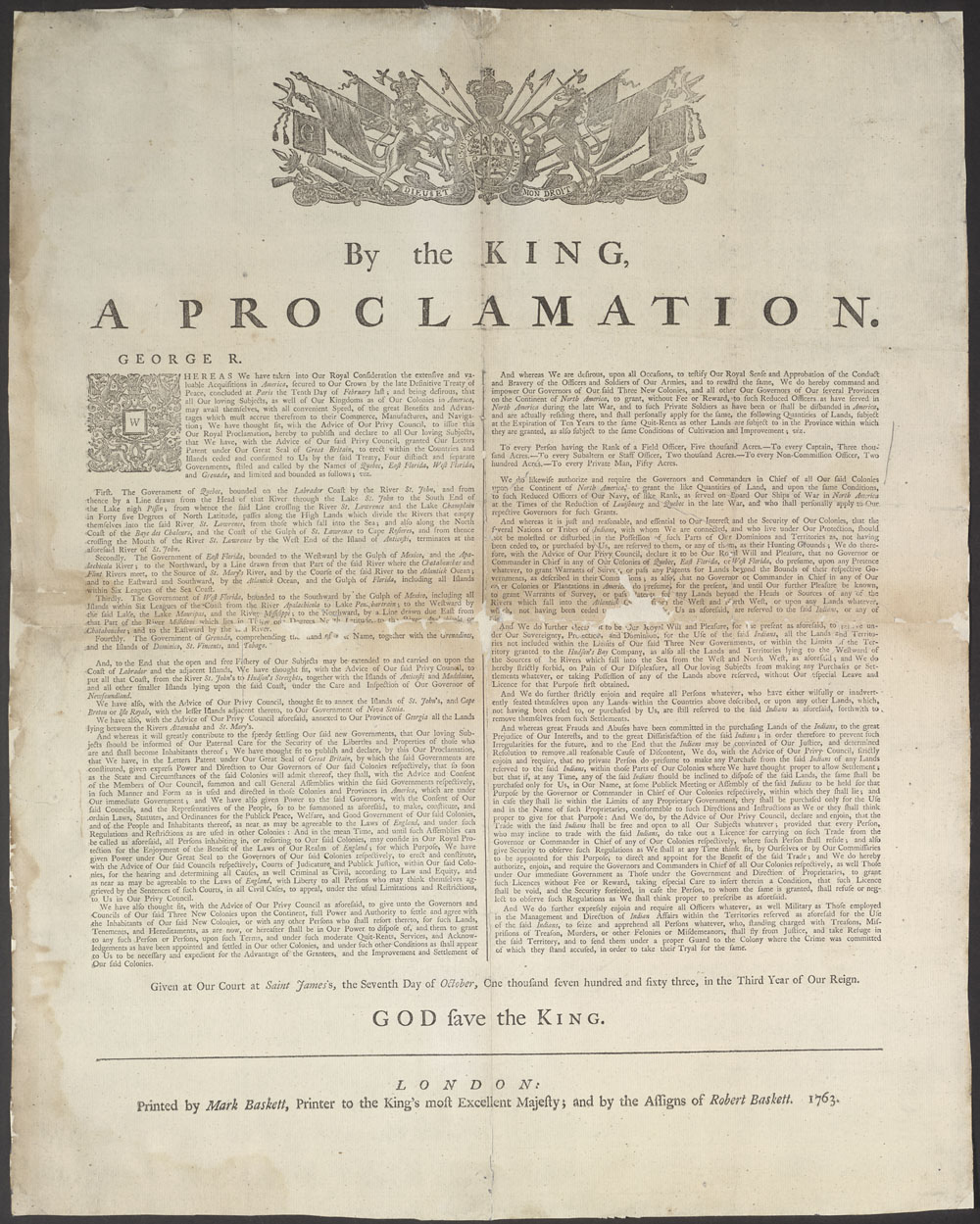 Document
Primary source
Royal Proclamation of 1763
7 October 1763
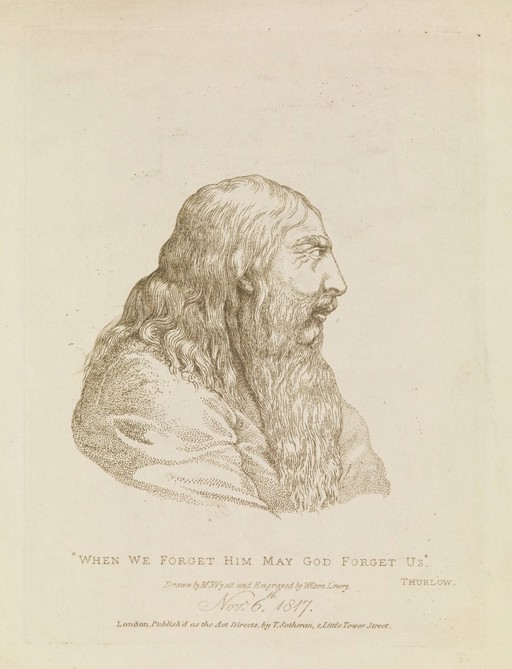 Painting
Primary source
King George III, Etching by Wilson Lowry after M. C. Wyatt
Matthew Coates Wyatt · 6 November 1817
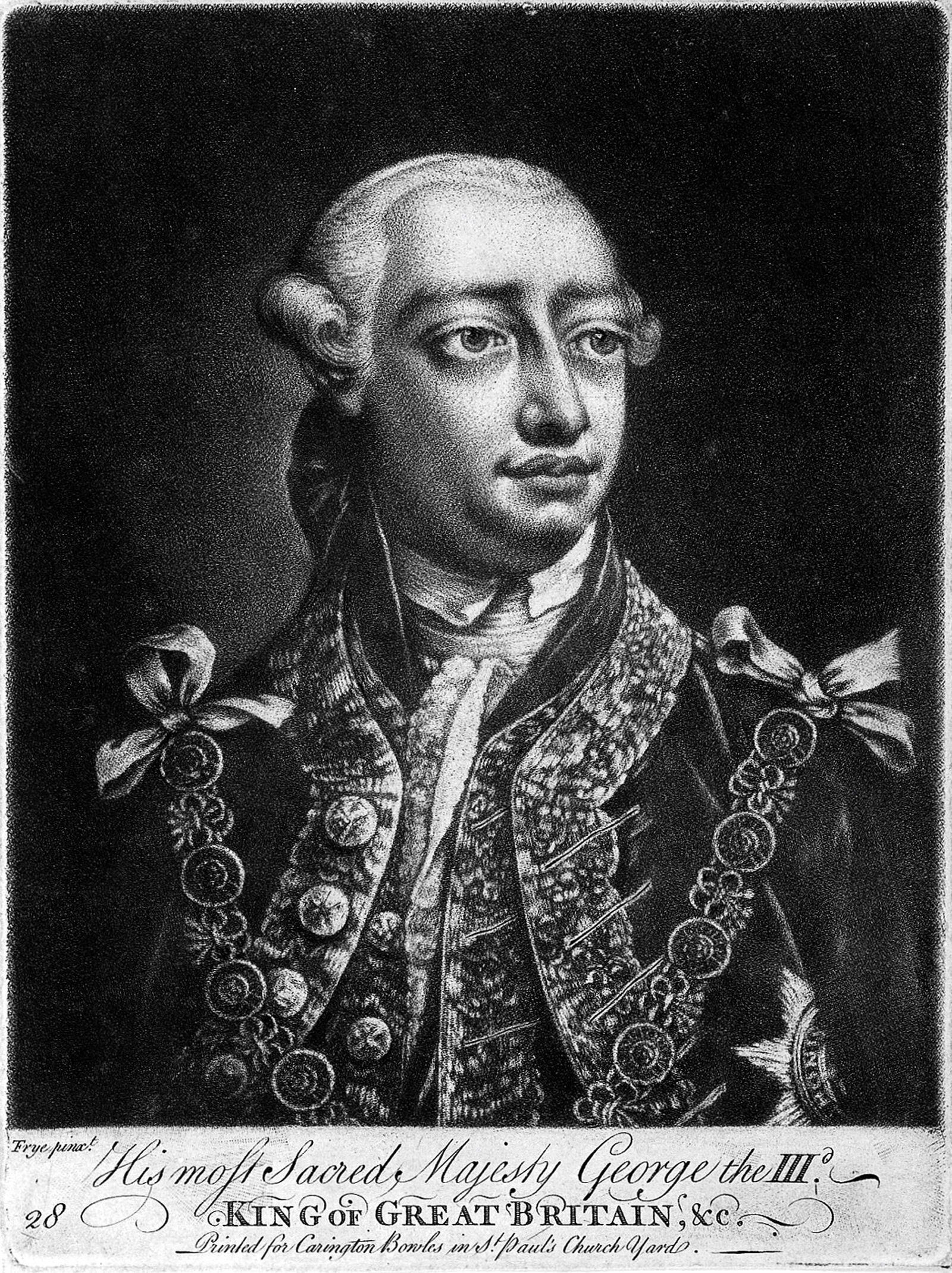 Painting
Primary source
King George III, Mezzotint after Thomas Frye
Thomas Frye · not later than 1762
 Document
Primary source
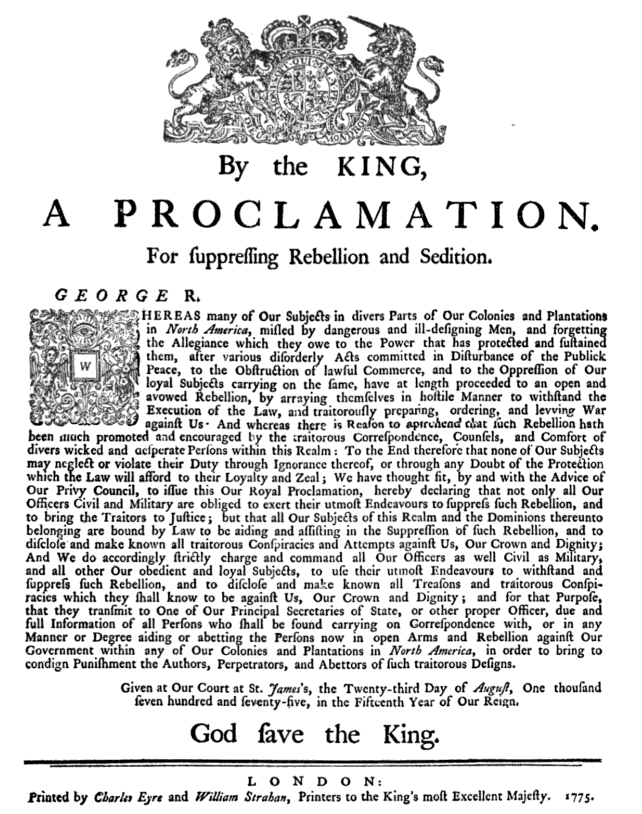
Proclamation of Rebellion
George III of Great Britain · 23 August 1775
 Document
Primary source
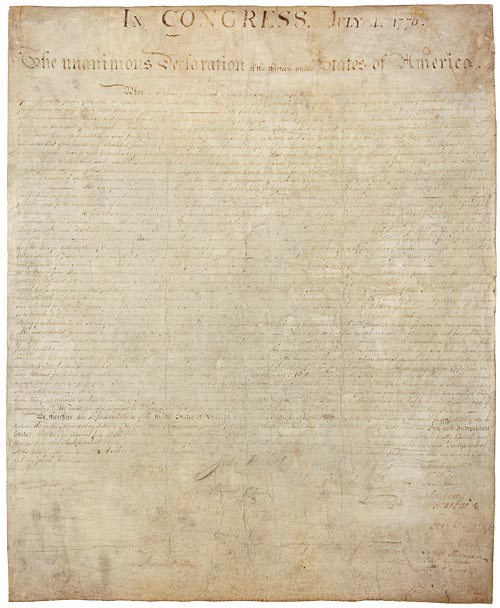
Declaration of Independence
Continental Congress (drafted by Thomas Jefferson) · 1776
Ready when you are
Start chatting with George III now.
20 messages free · No credit card · Available in 50+ languages.