


Primary sourceDocument24 October 1844
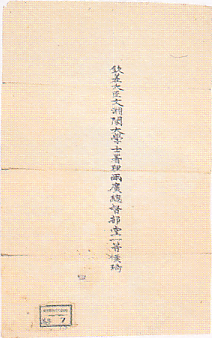
Treaty of Whampoa
Qiying and Théodore de Lagrené · 24 October 1844
An unequal treaty signed in 1844 between Qing China and France, approved under Daoguang's reign, granting France trade and religious privileges.
Daoguang approved this treaty's concessions to France, including tolerating Catholicism, revealing his reactive diplomacy under Western pressure.
Free Humy account · No credit card · 120,912 sources to read
About this source
What it is
The Treaty of Whampoa was signed on 24 October 1844 aboard the warship L'Archimède by the Qing official Qiying and the French envoy Théodore de Lagrené. It extended to France the same trading privileges Britain had gained in the Treaty of Nanking, including access to five treaty ports, extraterritorial rights, fixed tariffs and the right to station consuls.
Why it matters
The treaty also legalised Catholic practice across China and protected missionaries, after Lagrené persuaded Qiying to seek the Daoguang Emperor's consent. Daoguang agreed partly to drive a wedge between French and British interests. The treaty shows how the Qing court, under pressure after earlier defeats, was forced into a pattern of concessions to Western powers.
Look closer
- Why would the Daoguang Emperor agree to concessions for France so soon after conceding to Britain?
- What does the treaty reveal about rivalries among Western powers in China?
- Whose voices are missing from a treaty negotiated between emperors and envoys?
This document is part of the curated material that grounds the AI version of Daoguang Emperor on Humy.ai — when students ask about related events, the AI can quote it and cite it.
More Daoguang Emperor sources
Browse all 75 →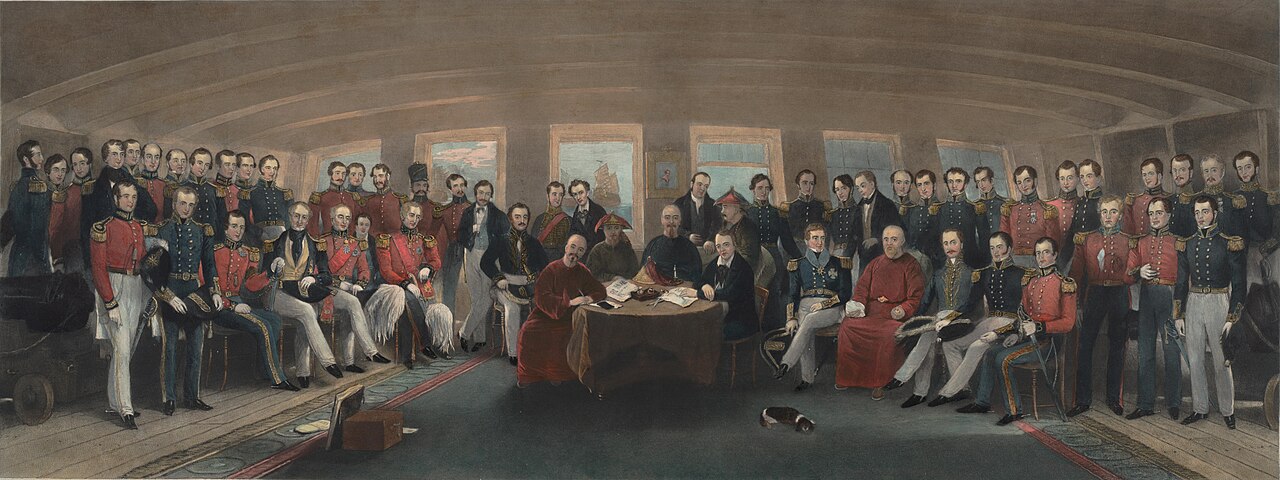 Document
Primary source
Treaty of Nanjing
29 August 1842
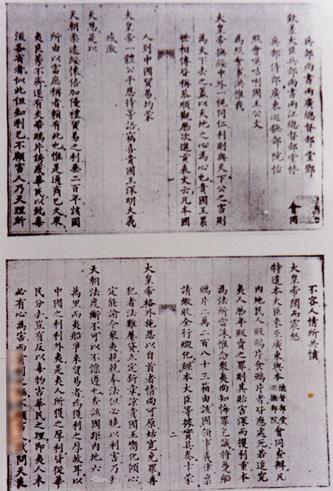 Letter
Primary source
Letter to Queen Victoria
Lin Tse-hsu · 1839
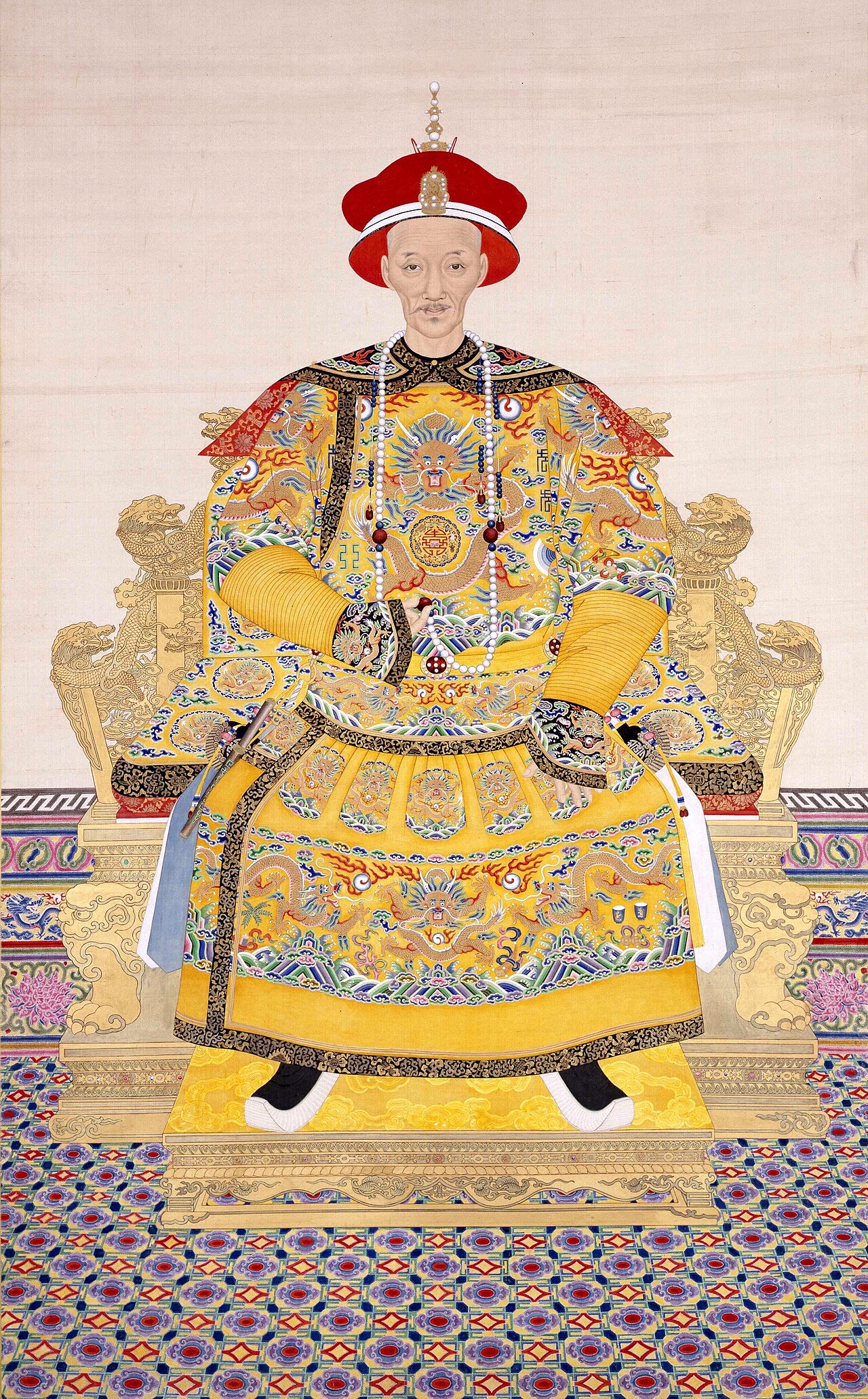 Painting
Primary source
Portrait of the Daoguang Emperor in Court Dress
Anonymous Qing Dynasty Court Painter
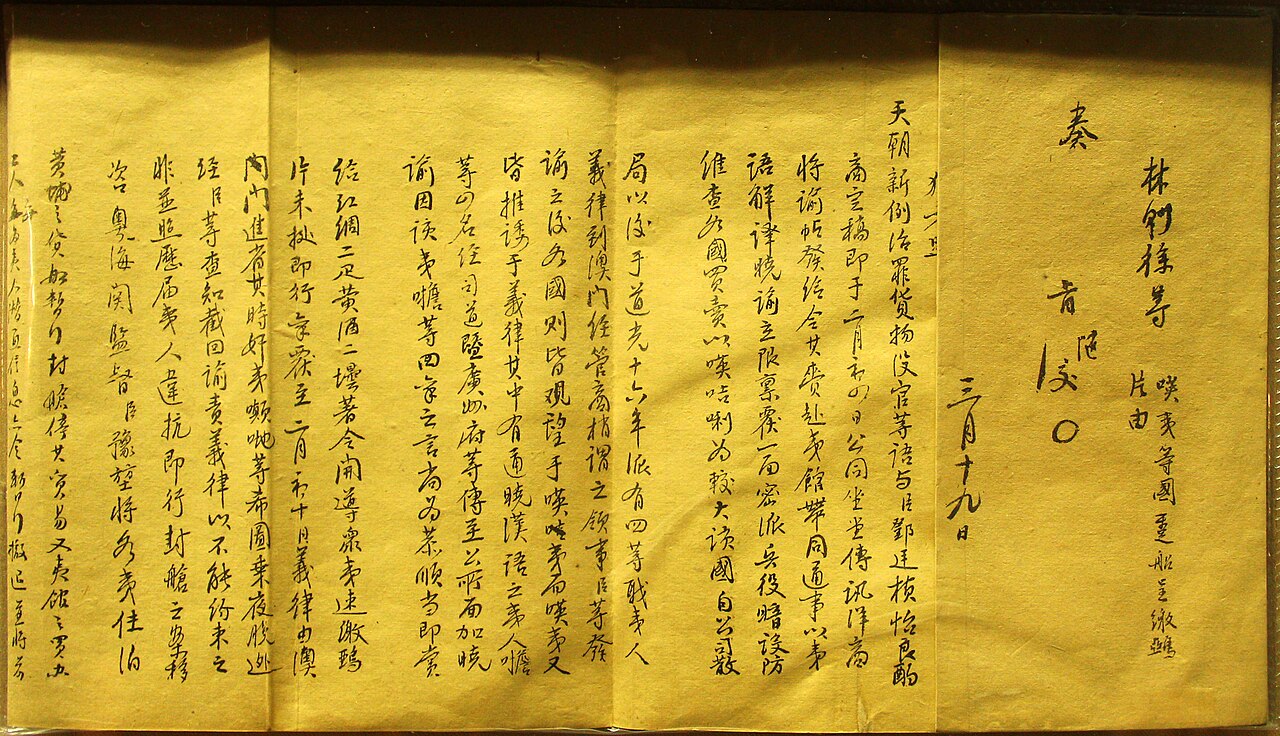 Document
Primary source
Lin Zexu's Memorial Reporting the Confiscation of Opium
Lin Zexu
Free account
Read every Daoguang Emperor source
Sign up free →
Ready when you are
Start chatting with Daoguang Emperor now.
20 messages free · No credit card · Available in 50+ languages.