


Primary sourceDocument1816
Treaty with the Ottawa, Chippewa, and Potawatomi, 1816
Ninian Edwards, William Clark, and Auguste Chouteau · 1816
A 1816 treaty of peace, friendship, and limits between the United States and the united tribes of Ottawa, Chippewa, and Potawatomi, negotiated by Clark with two co-commissioners.
A treaty Clark negotiated as one of three commissioners, showing his diplomacy with Native nations in the Illinois and Lake Michigan region.
About this source
What it is
This is a written treaty of Peace, Friendship, and Limits from 1816. It was made between three United States commissioners, Ninian Edwards, William Clark, and Auguste Chouteau, and the chiefs and warriors of the united tribes of Ottawa, Chippewa, and Potawatomi. The treaty concerns a dispute over land ceded by the Sacs and Foxes in 1804. In the first article, the tribes agreed to give up their claim to that land. Its text is available on Wikisource.
Why it matters
The treaty shows that Clark took part in United States diplomacy with Native nations, working alongside other commissioners. It also shows that the government described its goal as a harmonious and friendly relationship, while the terms themselves transferred land to the United States. Reading the document alongside the account of the tribes helps reveal what peace meant in these agreements.
Look closer
- Which parties made the treaty, and who is named as acting for each side?
- Why does the text say the tribes agreed to give up their claims, and what did they receive?
- What does the phrase peace and friendship mean in a treaty that transfers land?
This document is part of the curated material that grounds the AI version of William Clark on Humy.ai — when students ask about related events, the AI can quote it and cite it.
More William Clark sources
Meet the AI William Clark →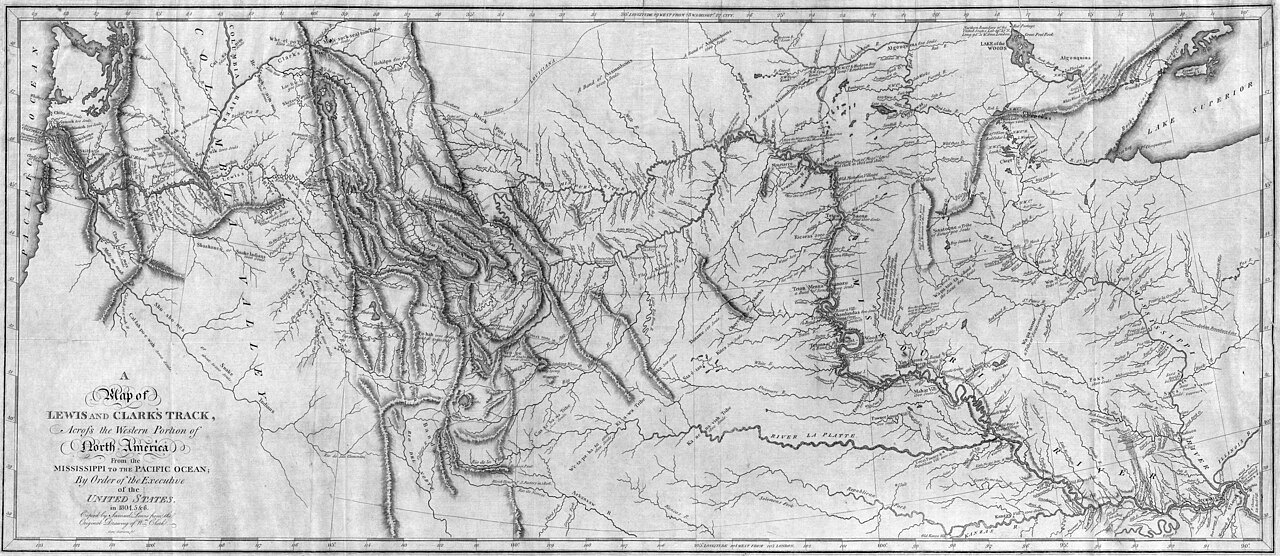 Document
Primary source
A Map of Lewis and Clark's Track Across the Western Portion of North America
William Clark · 1814
 Document
Primary source
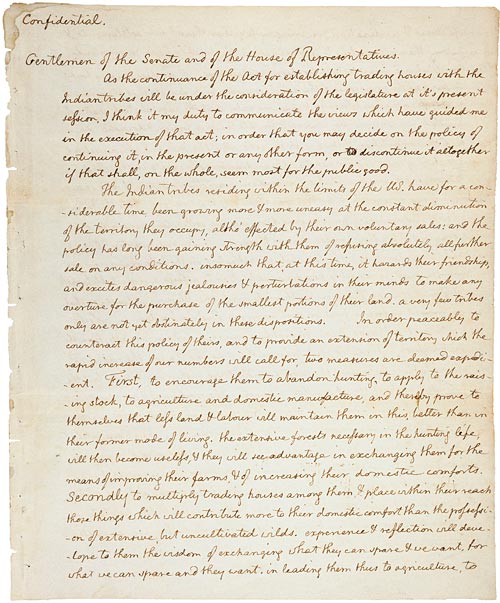
Jefferson's Secret Message to Congress Regarding the Lewis and Clark Expedition
Thomas Jefferson · 18 January 1803
Primary source
Louisiana Purchase Treaty
30 April 1803
 Painting
Primary source
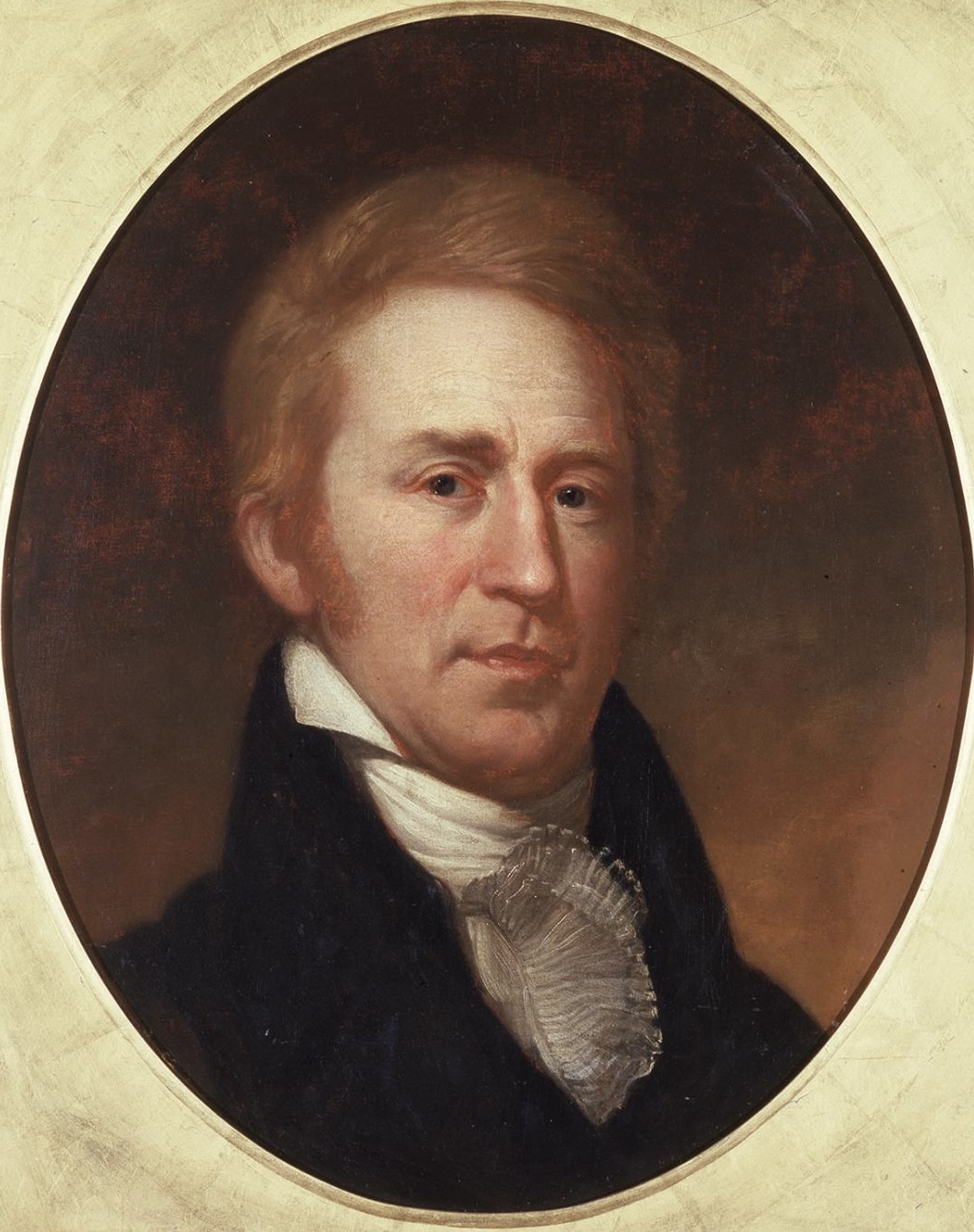
Portrait of William Clark
Charles Willson Peale
 Photograph
Primary source
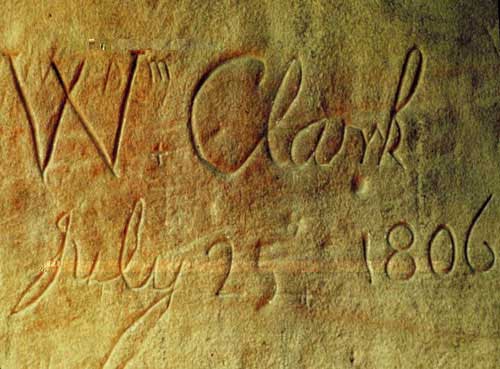
Clark's Signature at Pompeys Pillar
25 July 1806
Ready when you are
Start chatting with William Clark now.
20 messages free · No credit card · Available in 50+ languages.