


Primary sourceArtifact
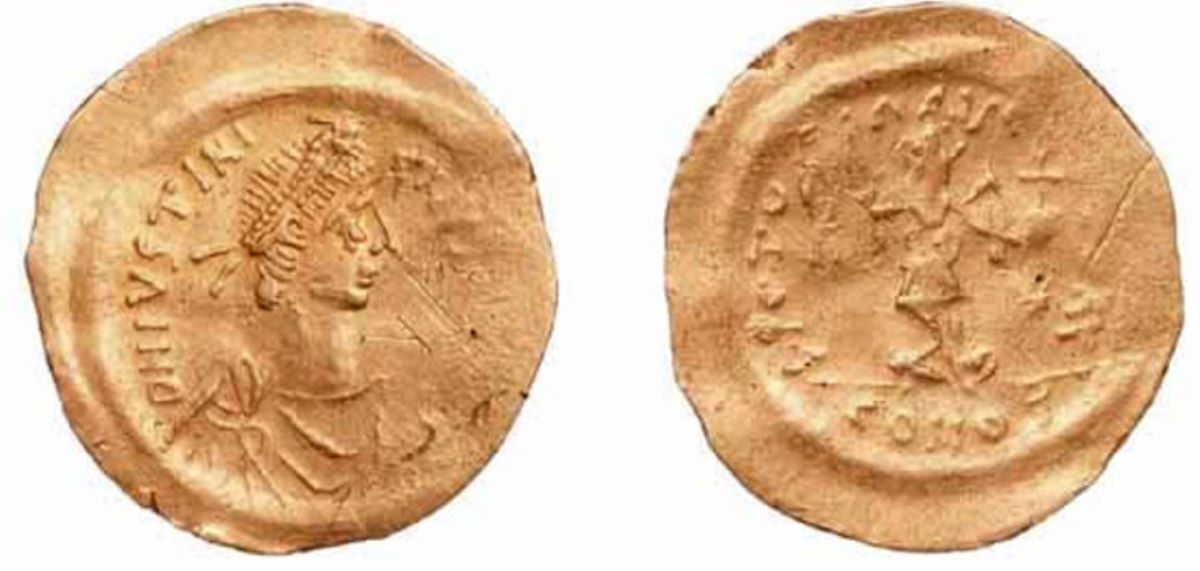
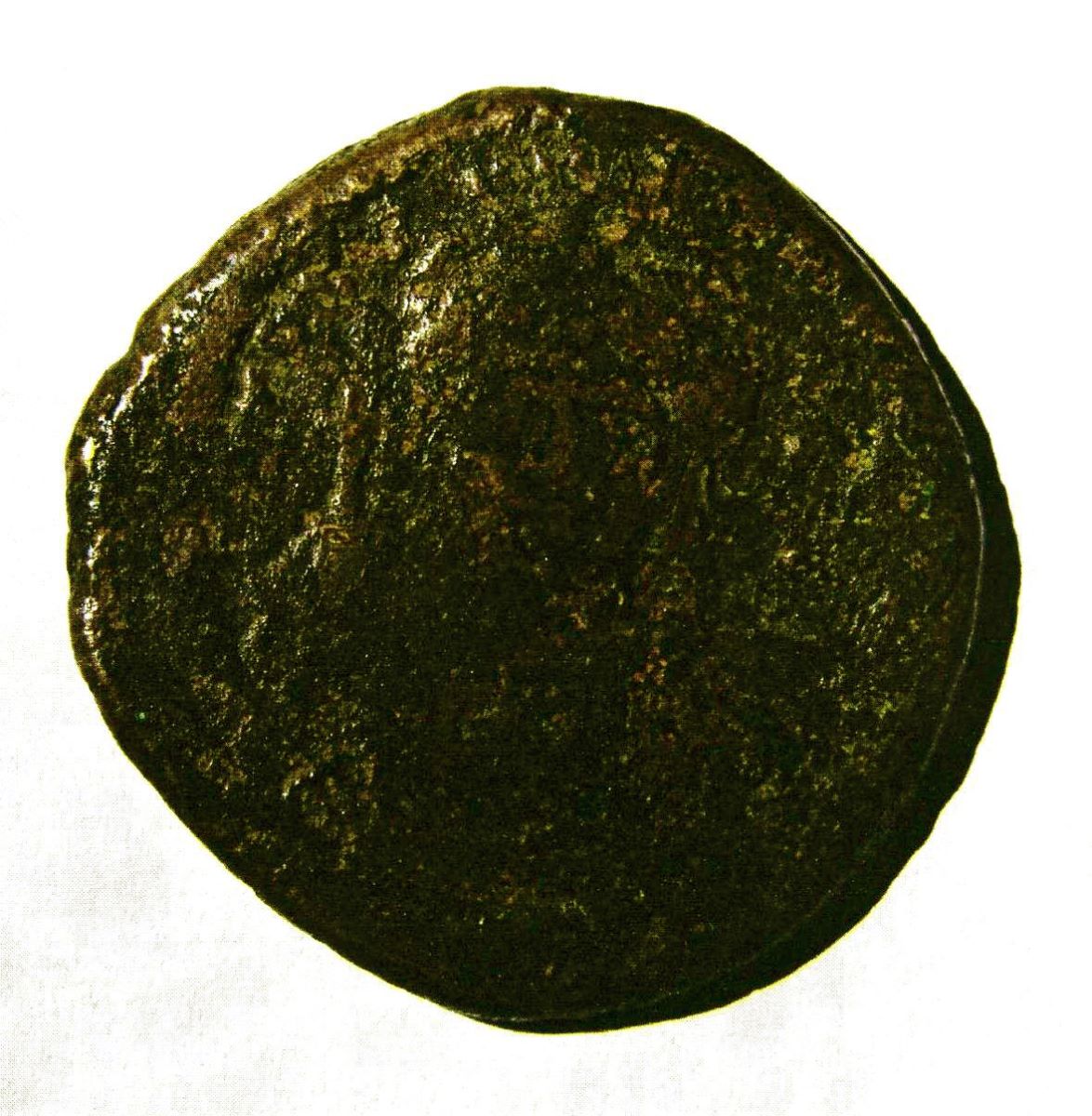
Tremissis of Justinian I with Victory Reverse
A gold coin minted during Justinian's reign, showing his diademed profile on one side and a winged Victory figure on the other.
This gold coin, struck during Justinian's reign, pairs his portrait with imagery of Victory to project imperial triumph.
About this source
What it is
This gold tremissis, a third of a solidus, was minted during the reign of Justinian I. One side shows his bust in profile, diademed and wearing armor and the paludamentum cloak. The other side shows a winged Victory figure walking and looking back, holding a wreath and a globus cruciger. The coin is held by the Lower Danube Museum in Romania.
Why it matters
As a gold coin struck during Justinian's own reign, this object is genuine evidence of the empire's wealth and its use of imagery to communicate imperial triumph and divine favor. The pairing of the emperor's portrait with a Victory figure reflects how Roman and early Byzantine rulers linked themselves to military success and legitimacy.
Look closer
- What might the Victory figure on the reverse be meant to communicate about Justinian's rule?
- Why would an emperor's image be paired with a symbol like Victory on currency?
- What details on this coin have survived clearly, and what has faded with time?
This artifact is part of the curated material that grounds the AI version of Justinian I on Humy.ai — when students ask about related events, the AI can quote it and cite it.
More Justinian I sources
Meet the AI Justinian I →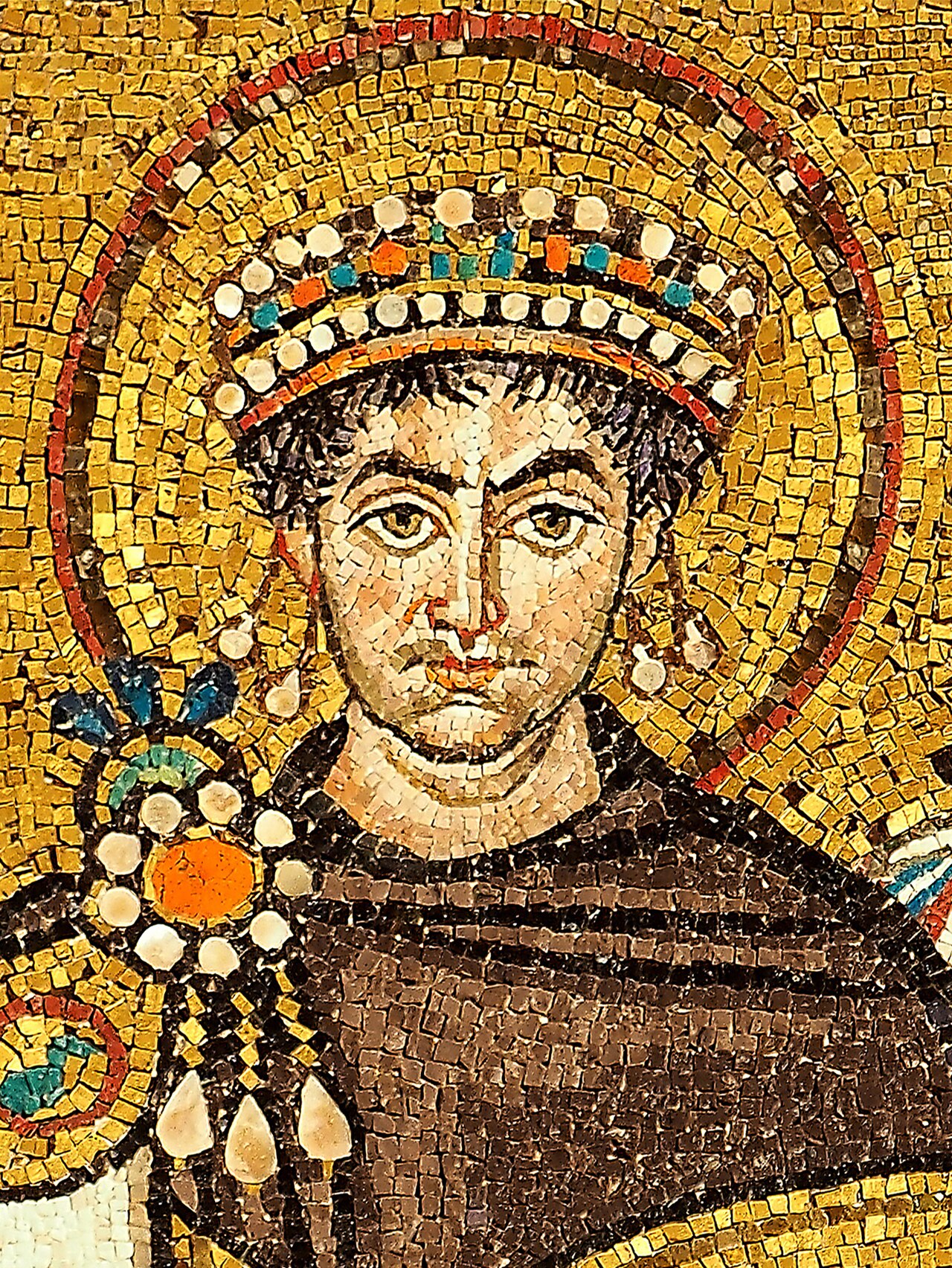 Artifact
Primary source
Portrait of Justinian I, San Vitale Mosaic
Byzantine mosaicists · c. 547
 Painting
Secondary source
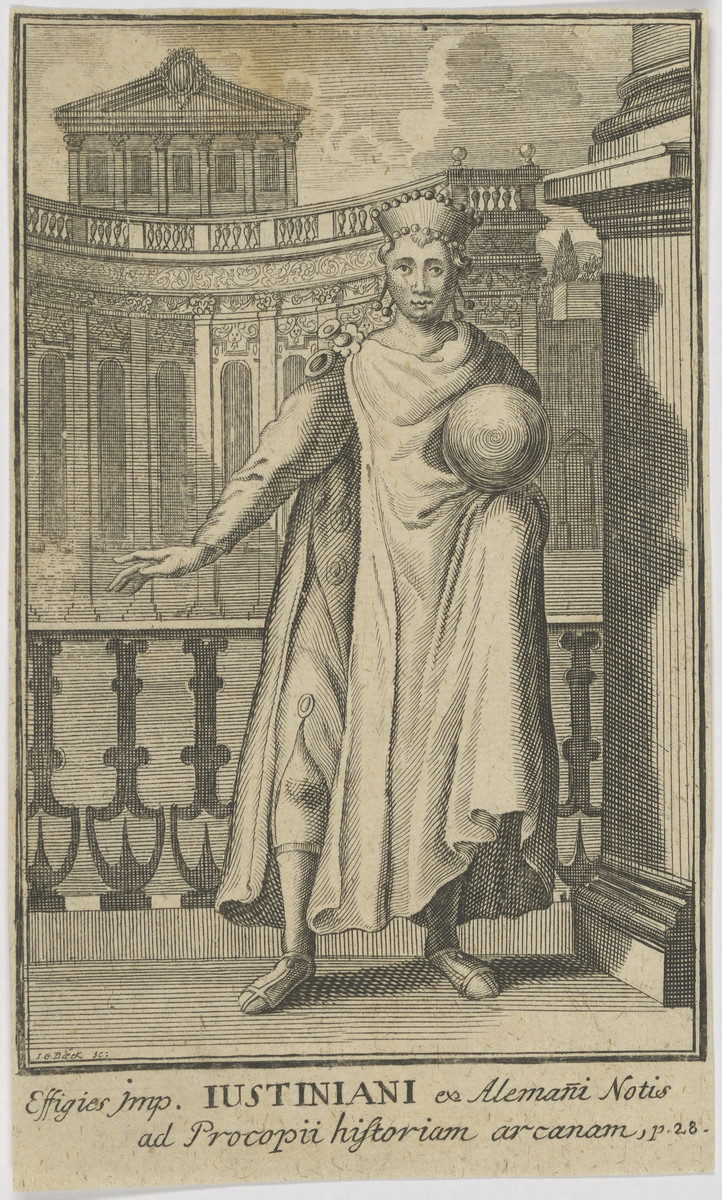
Portrait of Emperor Justinian
Johann Friedrich Böck
 Document
Primary source
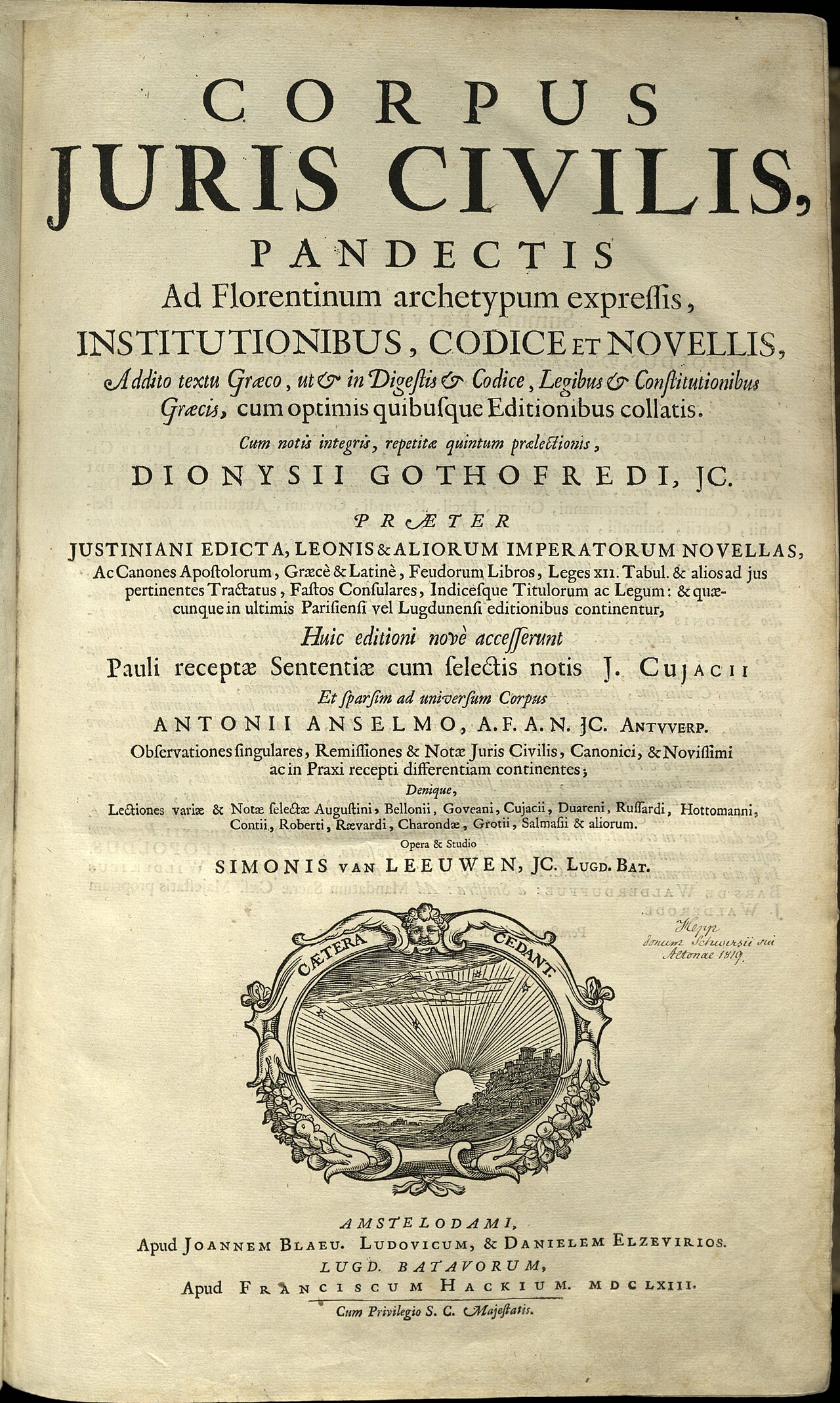
Corpus Juris Civilis
Tribonian · 528-534
 Artifact
Primary source
Bronze Follis of Justinian I with Globus Cruciger
 Artifact
Secondary source
Hagia Sophia
Isidore of Miletus and Anthemius of Tralles · 532-537 CE
Ready when you are
Start chatting with Justinian I now.
20 messages free · No credit card · Available in 50+ languages.