


Primary sourcePhotograph
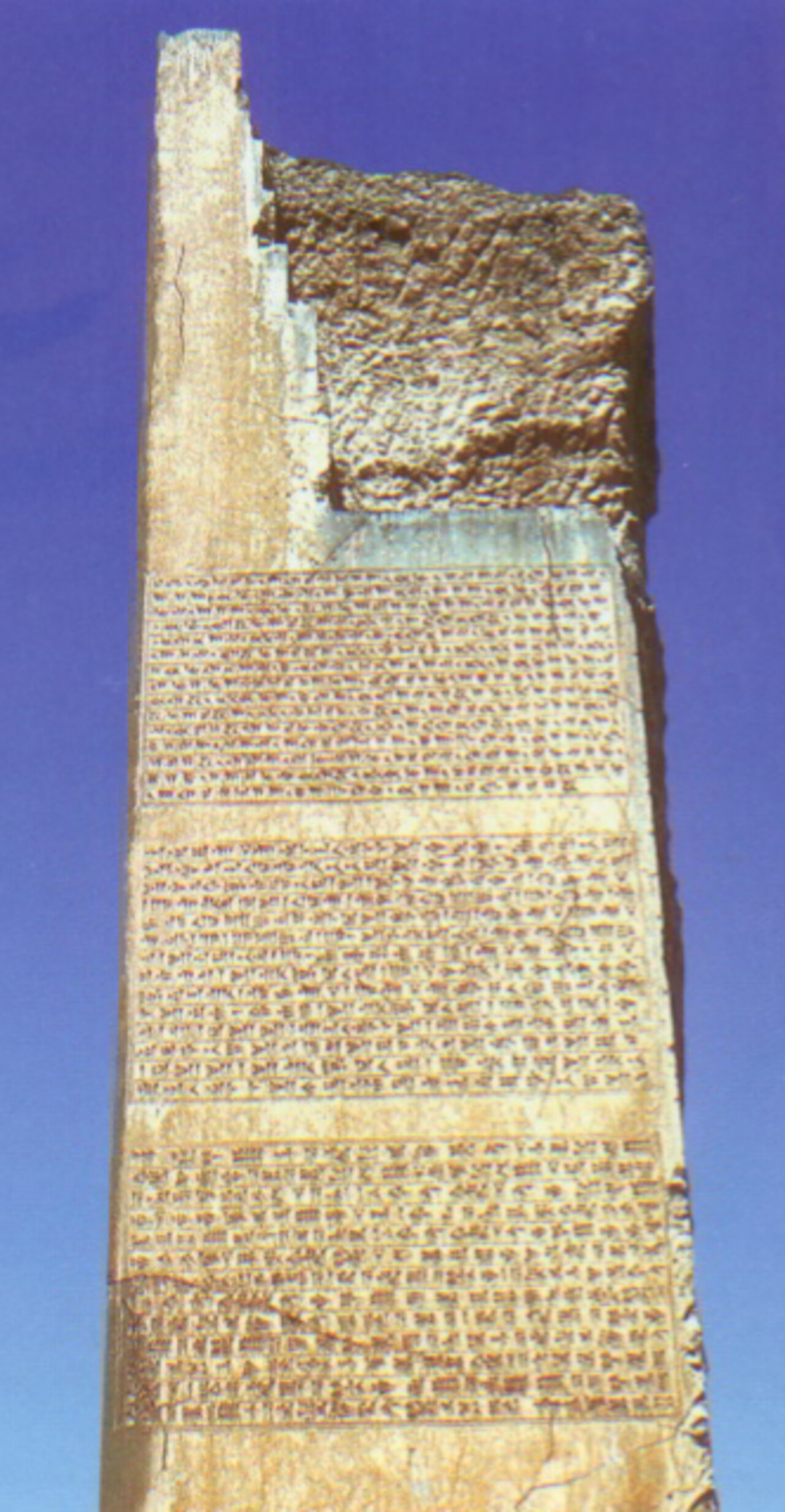
Trilingual Inscription of the Tachara Palace
Alborzagros
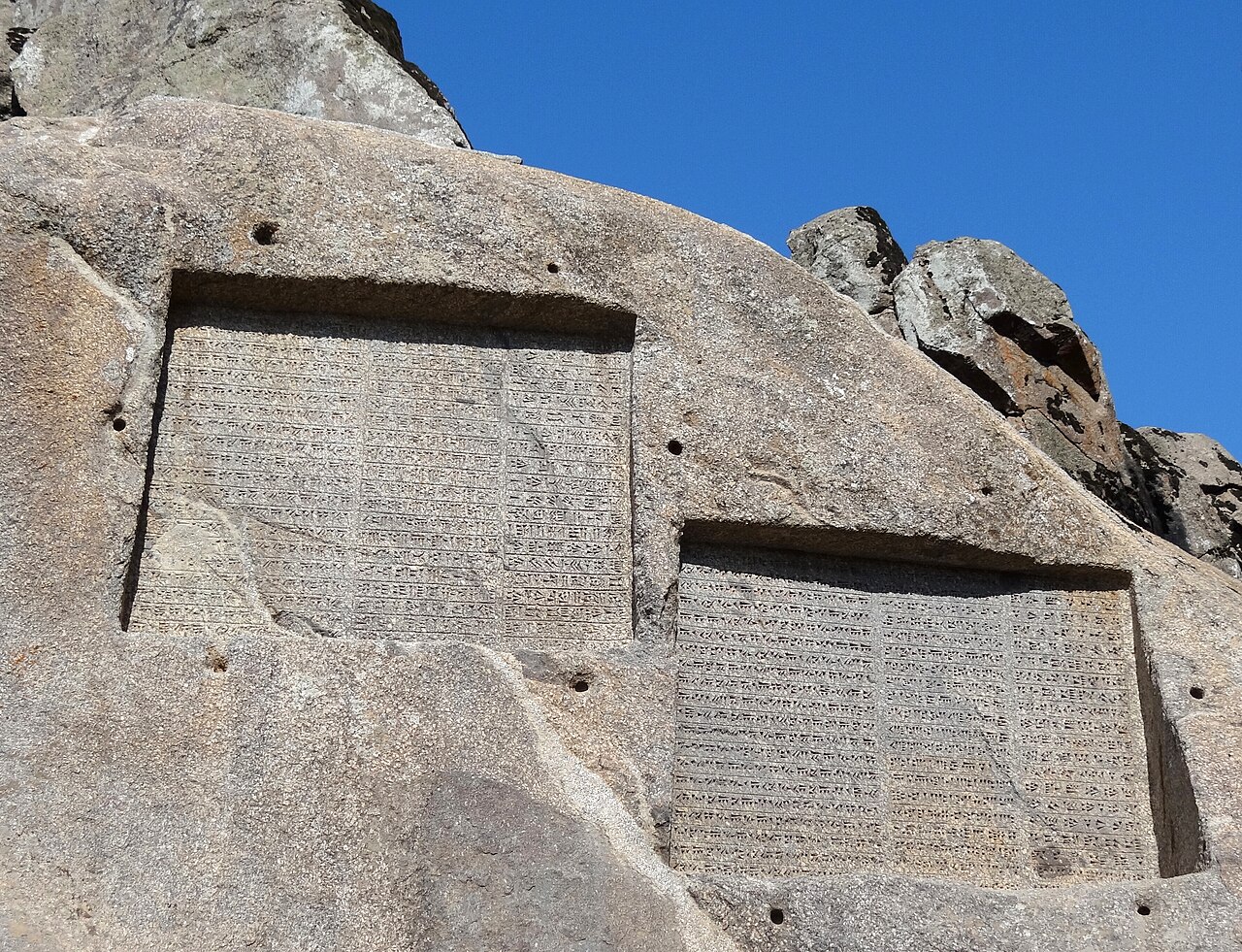
A trilingual cuneiform inscription on the Tachara palace at Persepolis recording Xerxes' completion of his father's palace.
The inscription, carved for Xerxes, records his completion of his father's palace at Persepolis.
About this source
What it is
This is a photograph of an inscription carved in three languages on the Tachara (Tachar) palace at Persepolis. The inscription records that Xerxes I finished the palace that his father Darius I had begun.
Why it matters
Royal inscriptions like this were a key way Achaemenid kings recorded their building projects and asserted legitimacy as rulers and sons of previous kings. Writing in three languages reflects the empire's mix of peoples and administrative traditions.
Look closer
- Why might a king want to record in writing that he completed his father's unfinished work?
- What does using three languages on one inscription tell you about the empire?
- What has been lost or damaged on this column, and how might that affect what we can learn from it?
This photograph is part of the curated material that grounds the AI version of Xerxes I on Humy.ai — when students ask about related events, the AI can quote it and cite it.
More Xerxes I sources
Browse all 97 →
Ready when you are
Start chatting with Xerxes I now.
20 messages free · No credit card · Available in 50+ languages.