


Primary sourceArtifact1584
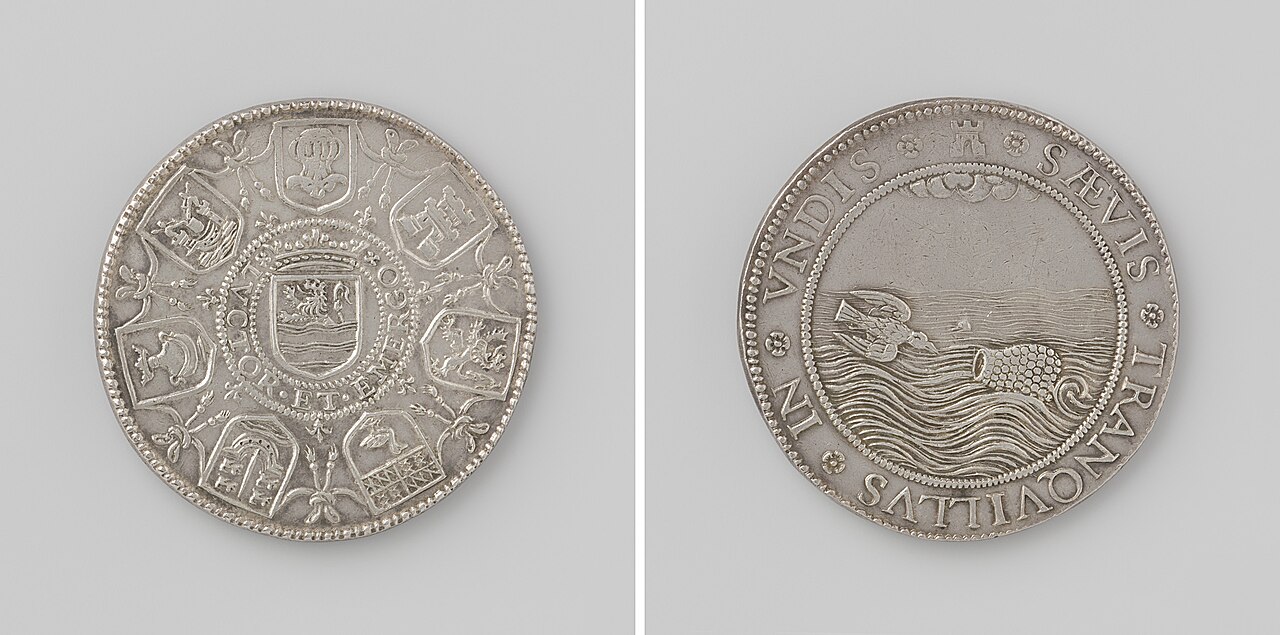
Triumph Medal on the Murder of William I (Coats of Arms Variant)
Herman Klaassens · 1584
A silver medal of 1584 by Herman Klaassens, ordered by the States of Zeeland, with a crowned coat of arms and a kingfisher on its reverse.
A silver medal struck by order of the States of Zeeland after William's murder, using coats of arms that present the provinces united behind him.
About this source
What it is
This silver medal, about 4.5 cm across and weighing about 37.5 grams, was made in 1584 in Middelburg by Herman Klaassens. It was struck on the orders of the States of Zeeland. The front shows a crowned coat of arms within an inscription, surrounded by a border of seven coats of arms tied together with a ribbon. The back shows a kingfisher flying to its nest on the sea, with an inscription. The date given is 10 July 1584, the day of William's murder. The Rijksmuseum holds it.
Why it matters
The medal uses coats of arms to show the provinces that joined together around William. A border of seven shields tied together suggests a union of provinces, which was a central idea of the Dutch Revolt. Because the States of Zeeland ordered it, the medal also shows how provincial governments used such objects to honour their leader and to present their own role in the cause. It shows the political meaning of heraldry in the period.
Look closer
- What does the ring of seven shields tell you about the provinces, and why might they be tied together?
- Why did the States of Zeeland order this medal, and what did they want people to think about William?
- What does the medal leave out about the divisions within the Netherlands or the people who did not support William?
This artifact is part of the curated material that grounds the AI version of William the Silent on Humy.ai — when students ask about related events, the AI can quote it and cite it.
More William the Silent sources
Browse all 93 →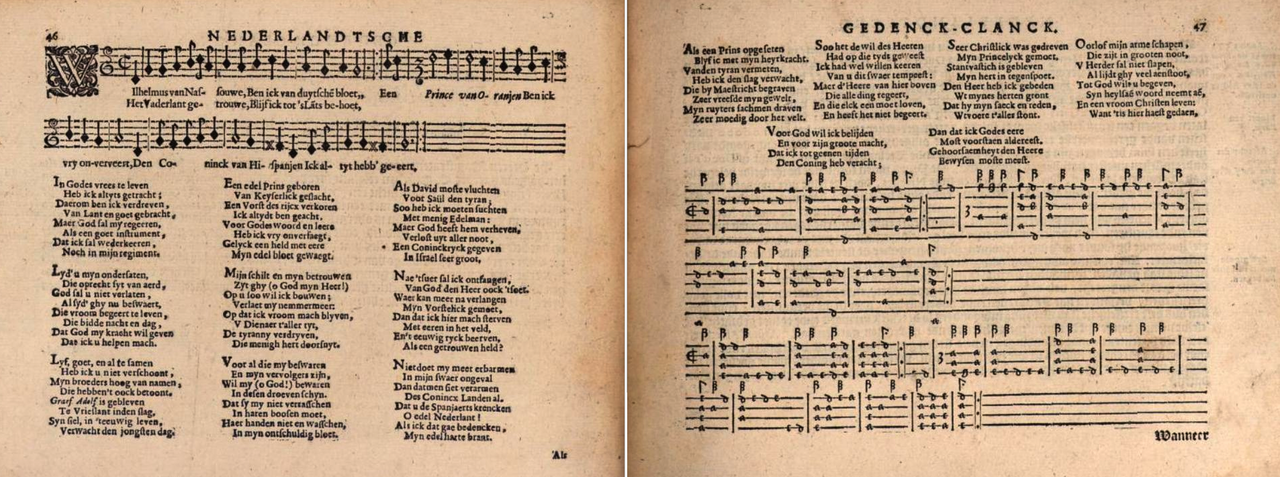 Document
Secondary source
Wilhelmus
Adrianus Valerius · 1572 (text); printed with music 1626
 Document
Primary source
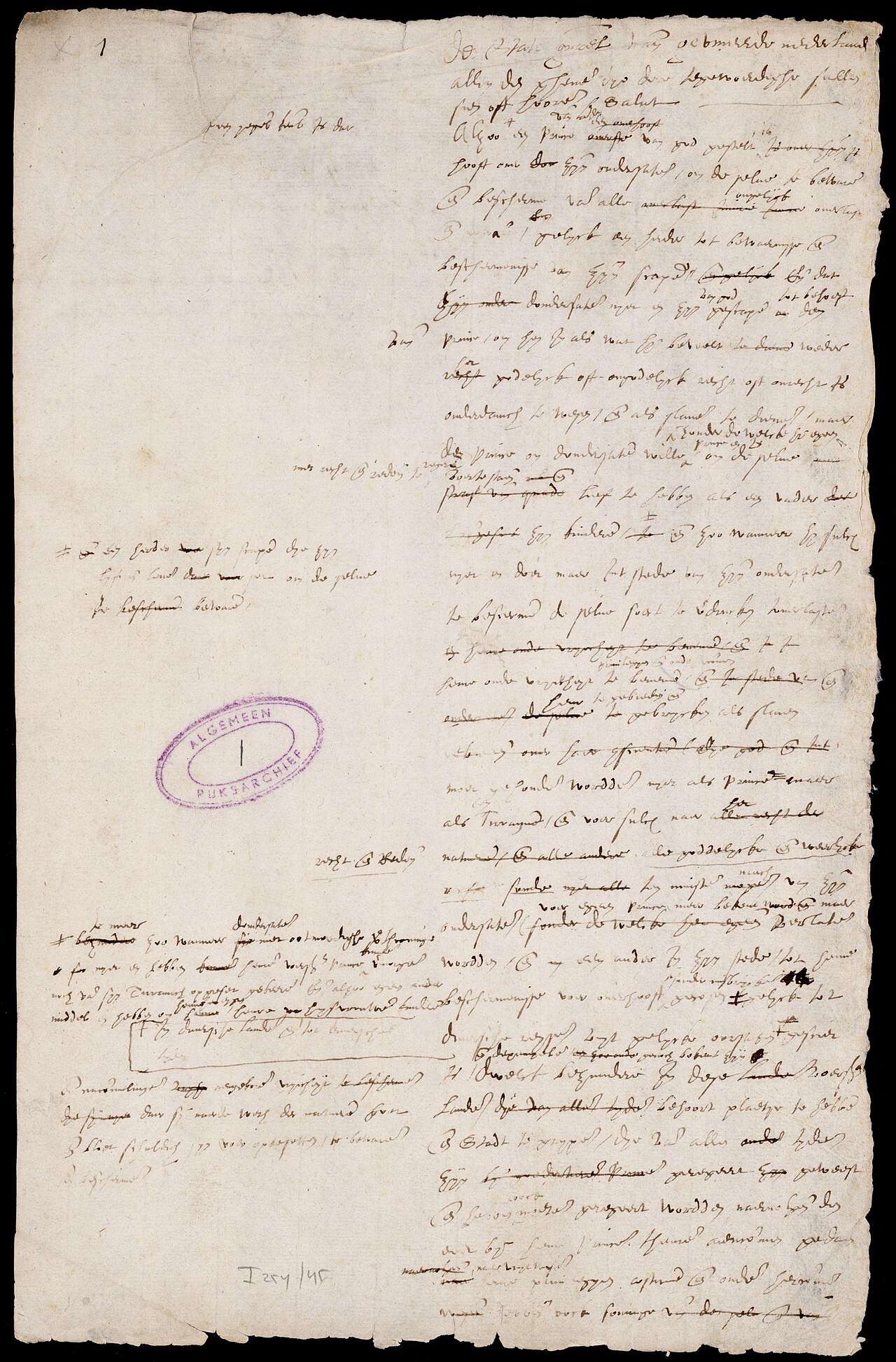
Act of Abjuration
Jan van Asseliers · 26 July 1581
 Artifact
Primary source
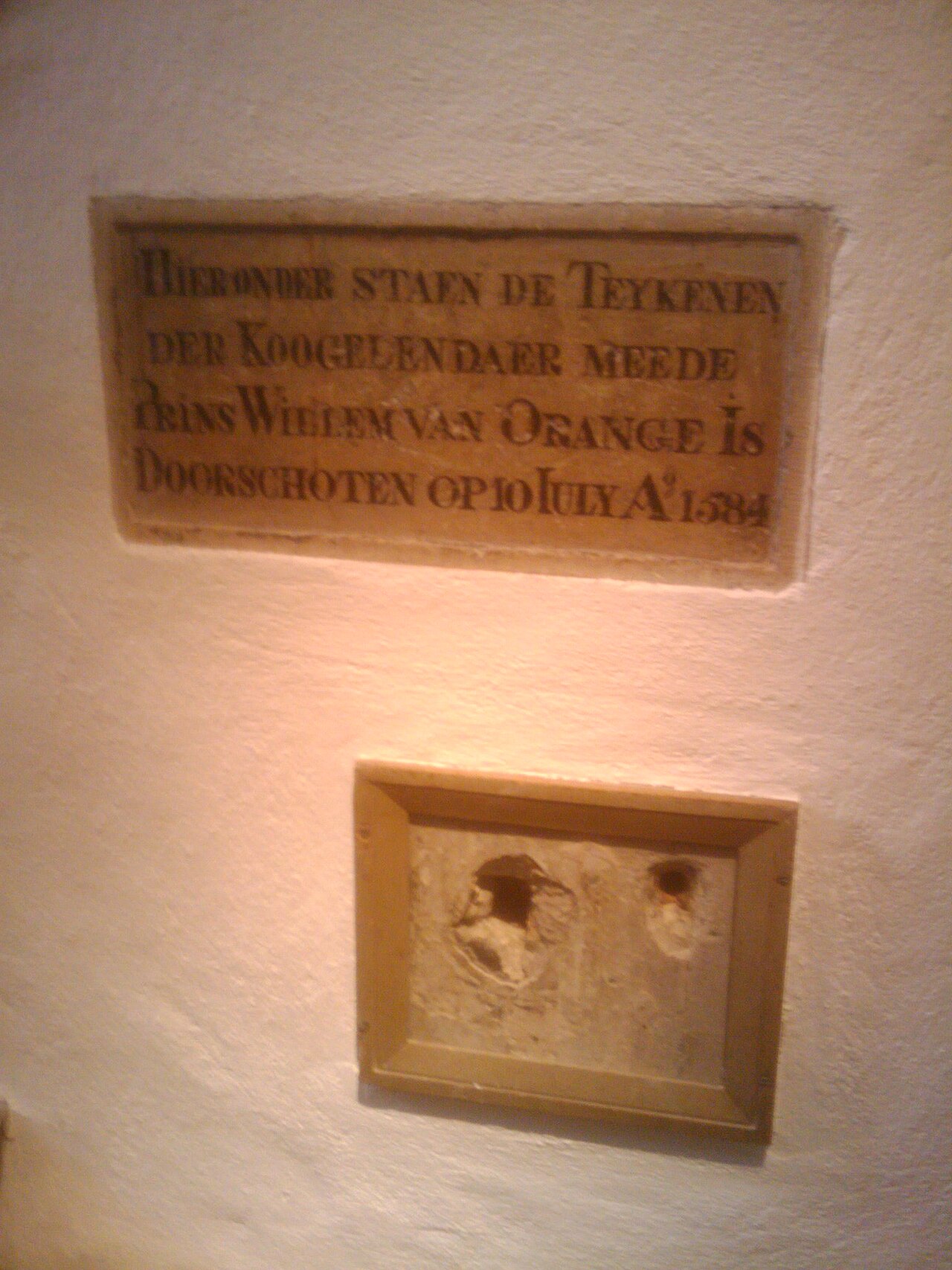
Prinsenhof, Delft
15th century (building); residence 1572–1584
 Painting
Primary source
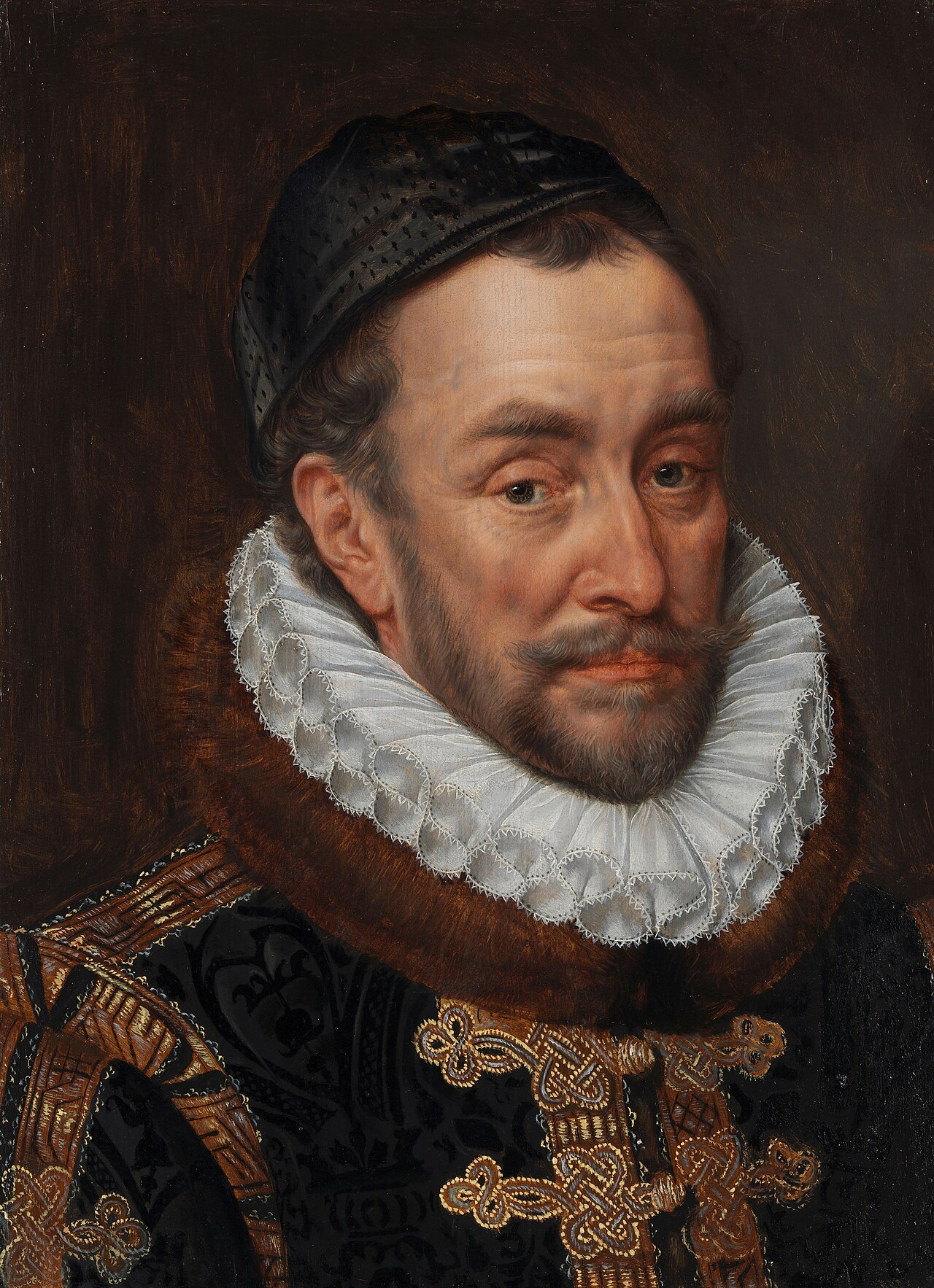
William I, Prince of Orange
Adriaen Thomasz. Key · 1579
Free account
Read every William the Silent source
Sign up free →
Ready when you are
Start chatting with William the Silent now.
20 messages free · No credit card · Available in 50+ languages.