


Primary sourcePaintingc. 1510-1512
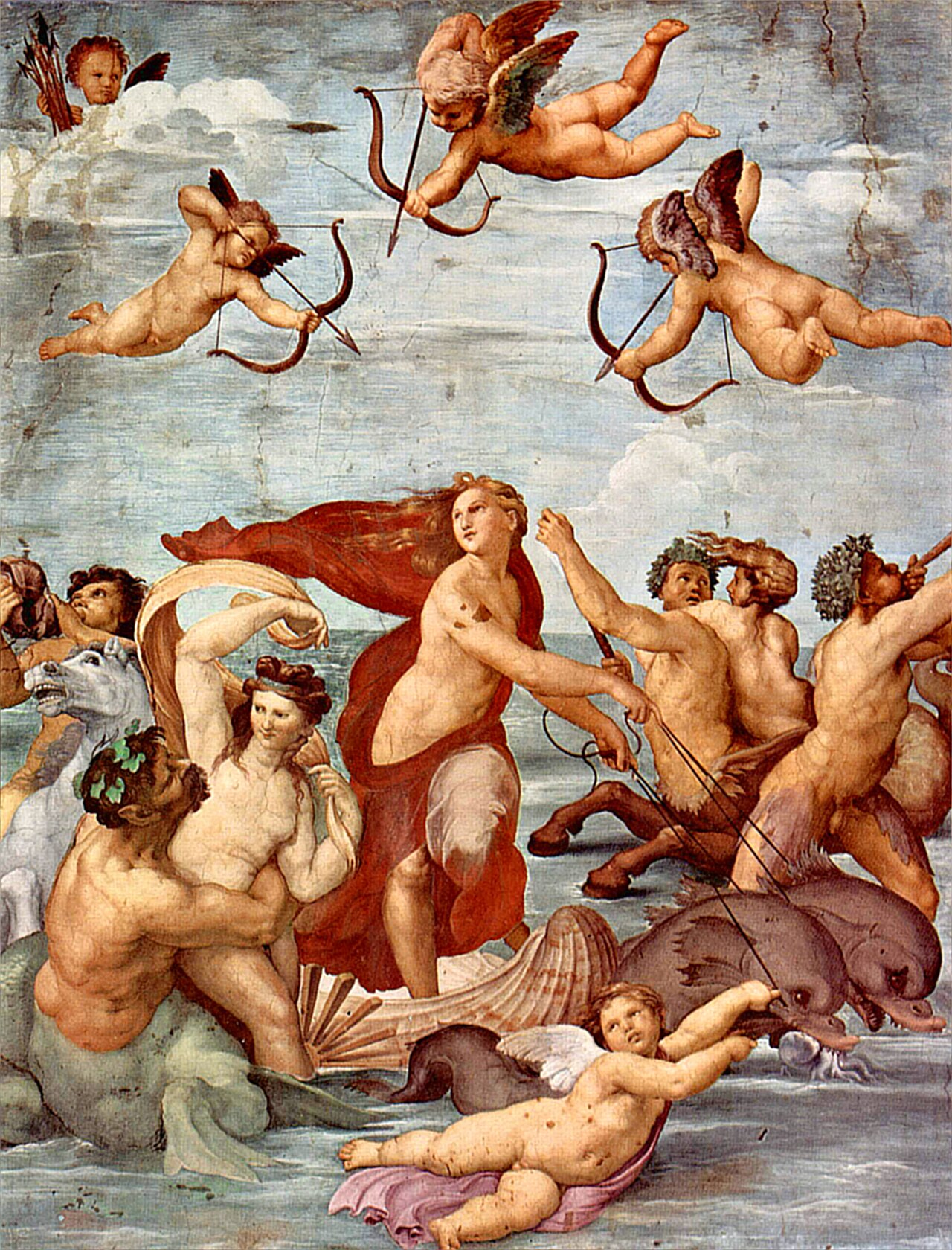
Triumph of Galatea
Raphael · c. 1510-1512
A mythological fresco by Raphael painted for the Roman villa of banker Agostino Chigi.
Raphael painted this mythological fresco for a private patron, showing his classical ideals outside church commissions.
About this source
What it is
This fresco, completed around 1512 by Raphael, decorates the Villa Farnesina in Rome, built for the wealthy banker Agostino Chigi. It shows the sea nymph Galatea riding a shell-chariot pulled by dolphins, surrounded by sea creatures.
Why it matters
Unlike Raphael's papal commissions, this work was made for a private patron and lets him explore classical mythology and ideal beauty rather than religious subjects. Writers of the time, including Giorgio Vasari, said Raphael did not base Galatea on one real woman but on an ideal he imagined. Scientific analysis has even found that Raphael used an ancient Roman pigment, showing his deep interest in reviving the ancient world.
Look closer
- What details suggest Raphael was inspired by ancient Roman art rather than only Christian themes?
- Why might a rich patron want mythological scenes rather than religious ones in his home?
- How does the fresco try to show an 'ideal' beauty rather than a real person?
This painting is part of the curated material that grounds the AI version of Raphael on Humy.ai — when students ask about related events, the AI can quote it and cite it.
More Raphael sources
Meet the AI Raphael →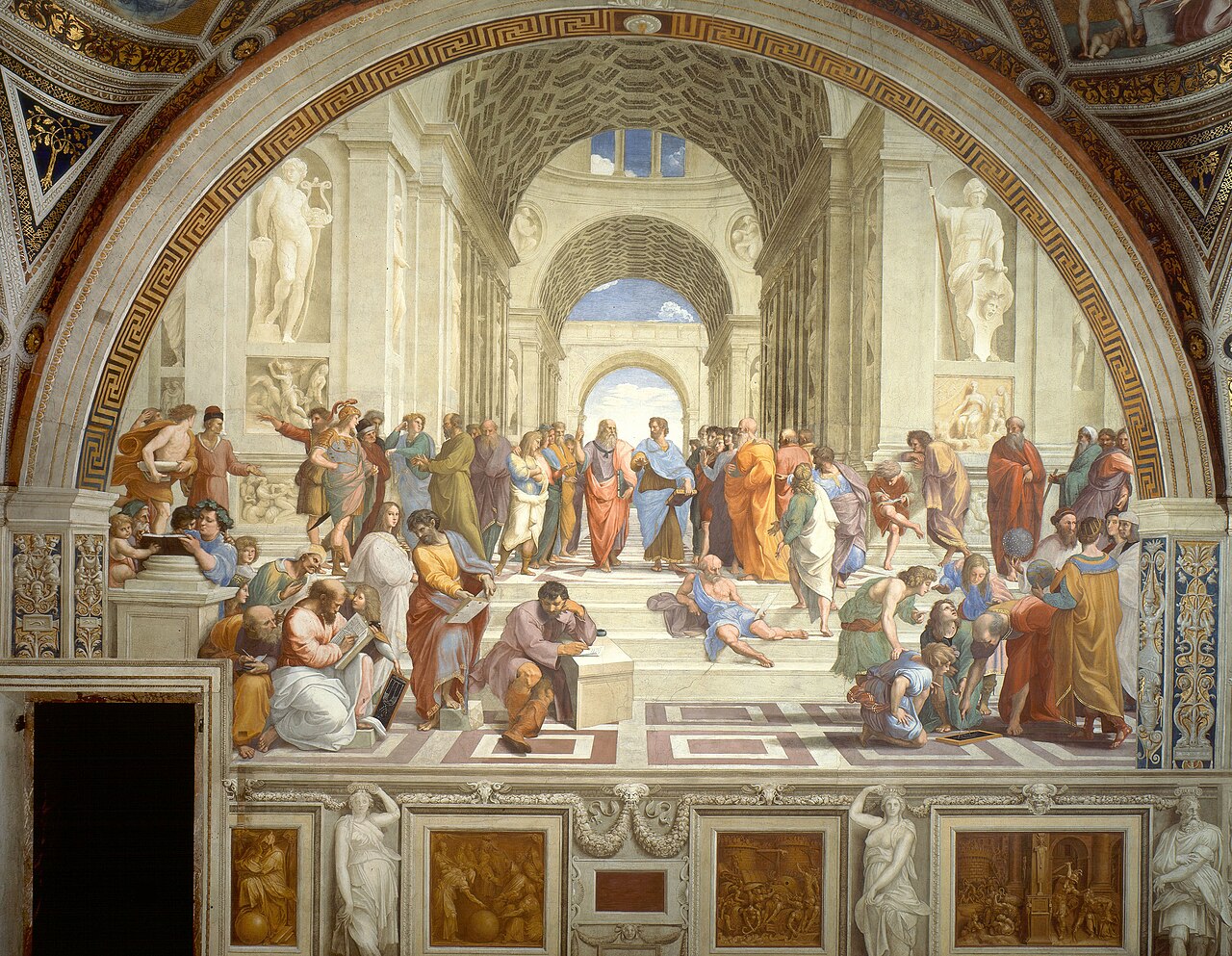 Painting
Secondary source
The School of Athens
Raphael · 1509-1511
 Painting
Secondary source
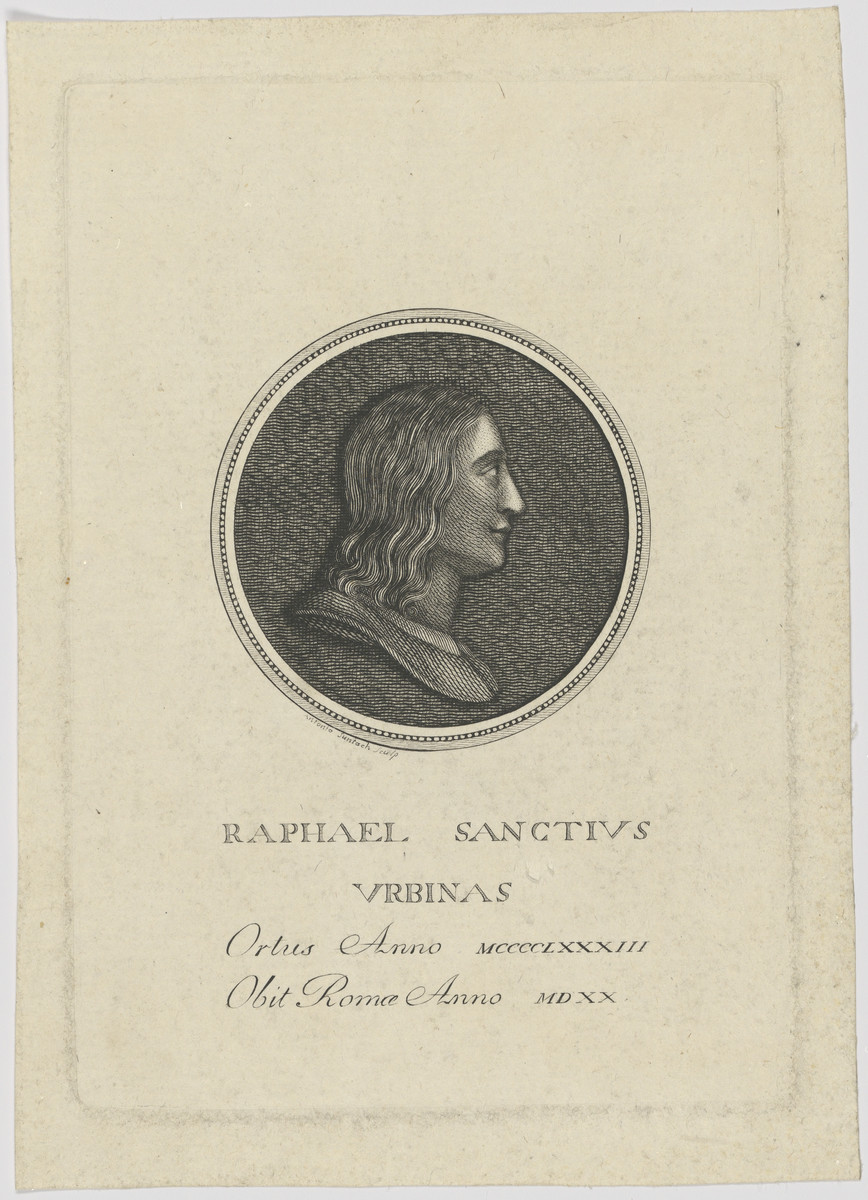
Portrait of Raphael Sanctive
Antonio Suntach
 Painting
Secondary source
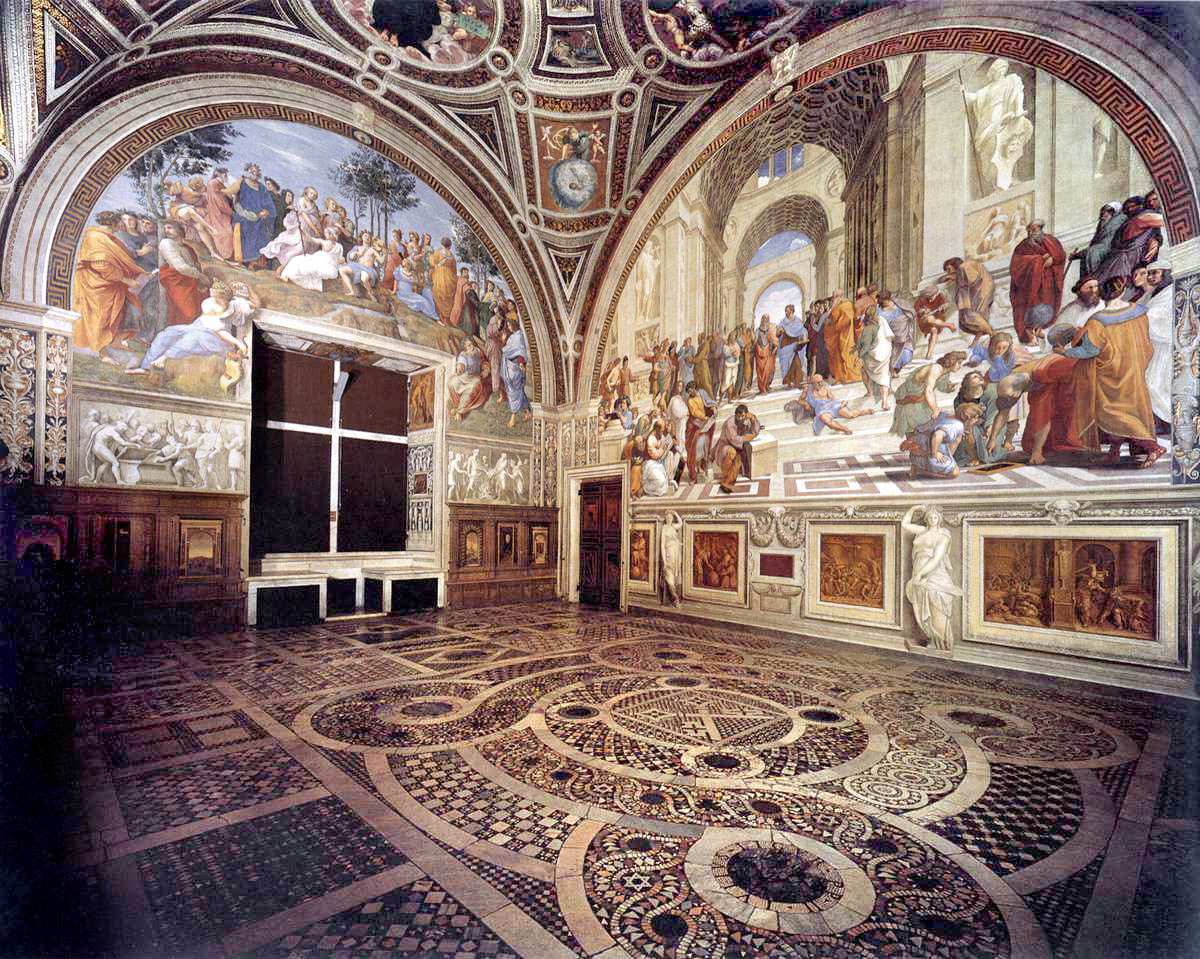
Raphael Rooms: Sala di Costantino
Raphael · 1508-1524
 Photograph
Secondary source
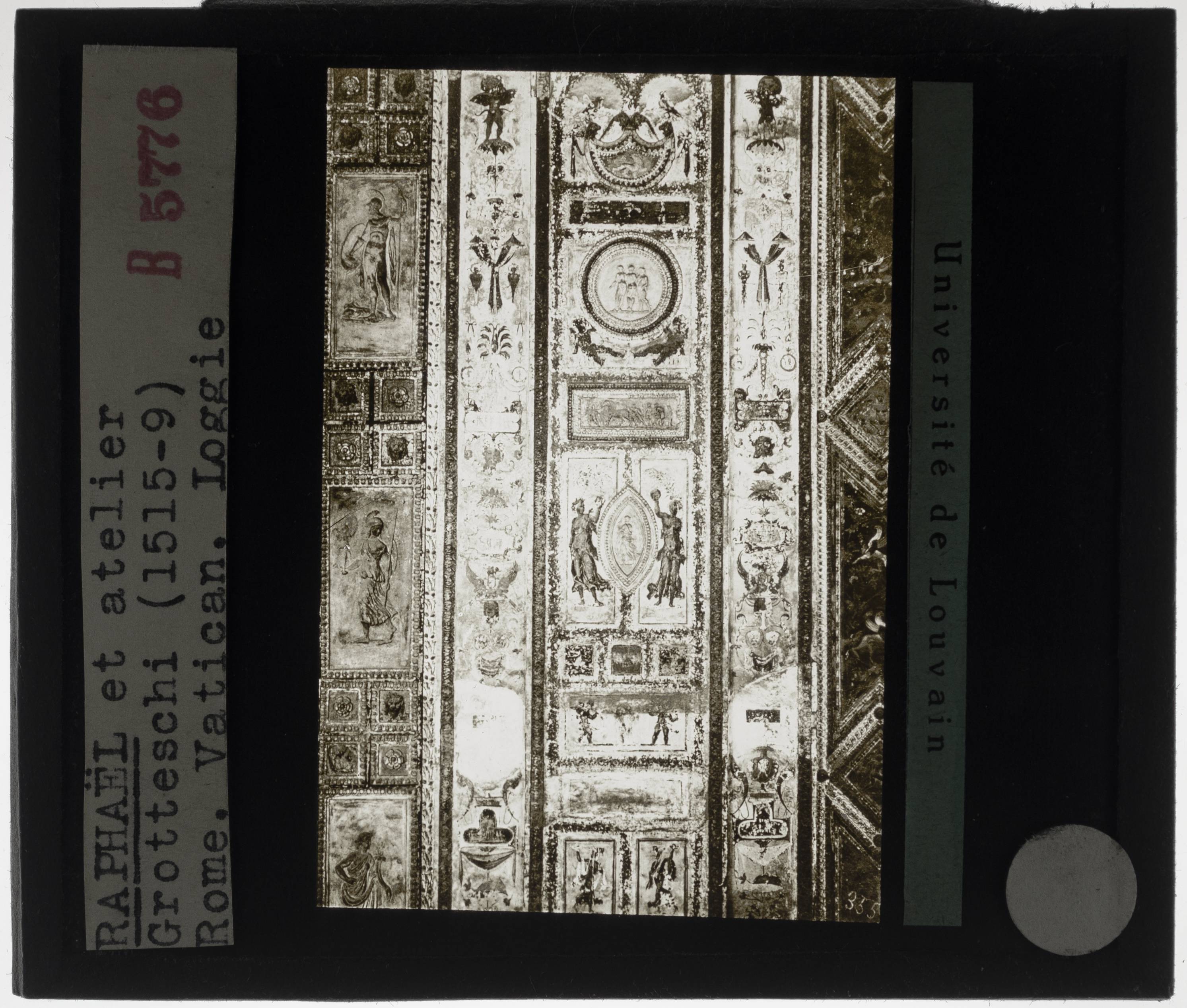
Glass Slide of Raphael's Grotesques in the Vatican
Raphael · 1518-1519 (fresco); slide made 1839-1939
 Painting
Primary source
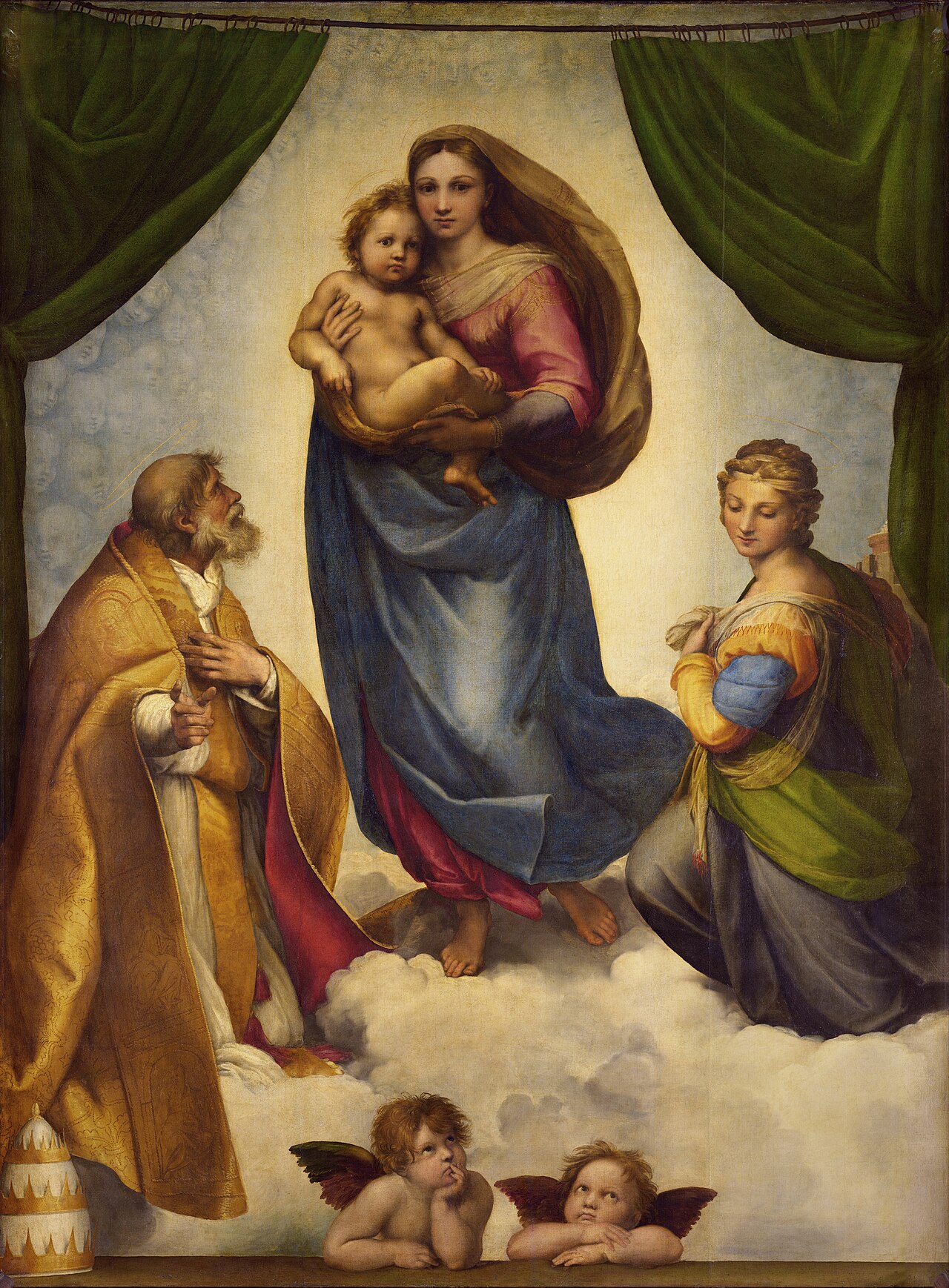
Sistine Madonna
Raphael · c. 1513-1514
Ready when you are
Start chatting with Raphael now.
20 messages free · No credit card · Available in 50+ languages.