


Primary sourceArtifactc. 1625-1628
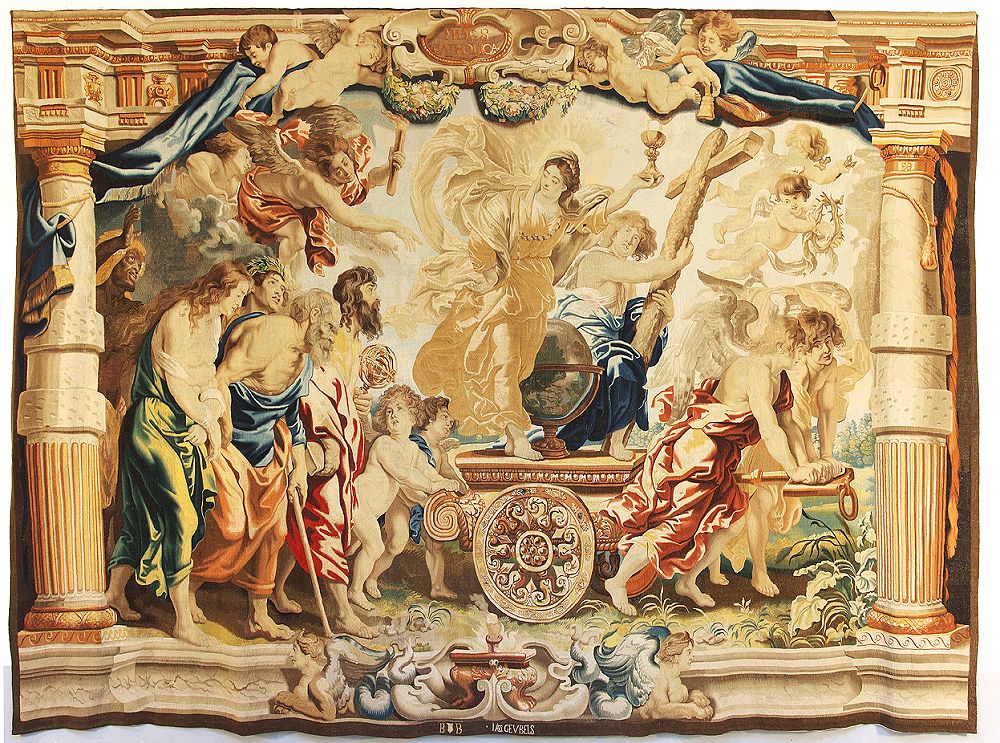
Triumph of the Eucharist tapestry series
Peter Paul Rubens (designs); Brussels weavers · c. 1625-1628
A set of tapestries woven in Brussels from designs by Rubens, commissioned for Infanta Isabella and given to a Madrid convent.
Rubens designed this tapestry series, showing his work beyond painting as a designer for Habsburg patrons.
Free Humy account · No credit card · 120,912 sources to read
About this source
What it is
A series of tapestries designed by Peter Paul Rubens and woven by Brussels weavers between about 1625 and 1633. They were commissioned for Infanta Isabella Clara Eugenia and given to the Monasterio de las Descalzas Reales convent in Madrid, where they remain today. This example, the "Triumph of Faith," shows an allegorical scene with religious and triumphal imagery.
Why it matters
The series shows Rubens working beyond painting, as a designer for the luxury craft of tapestry weaving, a major art form for Habsburg courts. Commissioned by Isabella, a powerful Habsburg ruler, the tapestries reveal how Rubens's art served religious and political patronage at the highest levels of European power.
Look closer
- How is this different from a painted work by Rubens — who actually wove it?
- What symbols of triumph and faith can you identify in the scene?
- Why might a ruler like Isabella choose to give such an elaborate gift to a convent?
This artifact is part of the curated material that grounds the AI version of Peter Paul Rubens on Humy.ai — when students ask about related events, the AI can quote it and cite it.
More Peter Paul Rubens sources
Browse all 97 →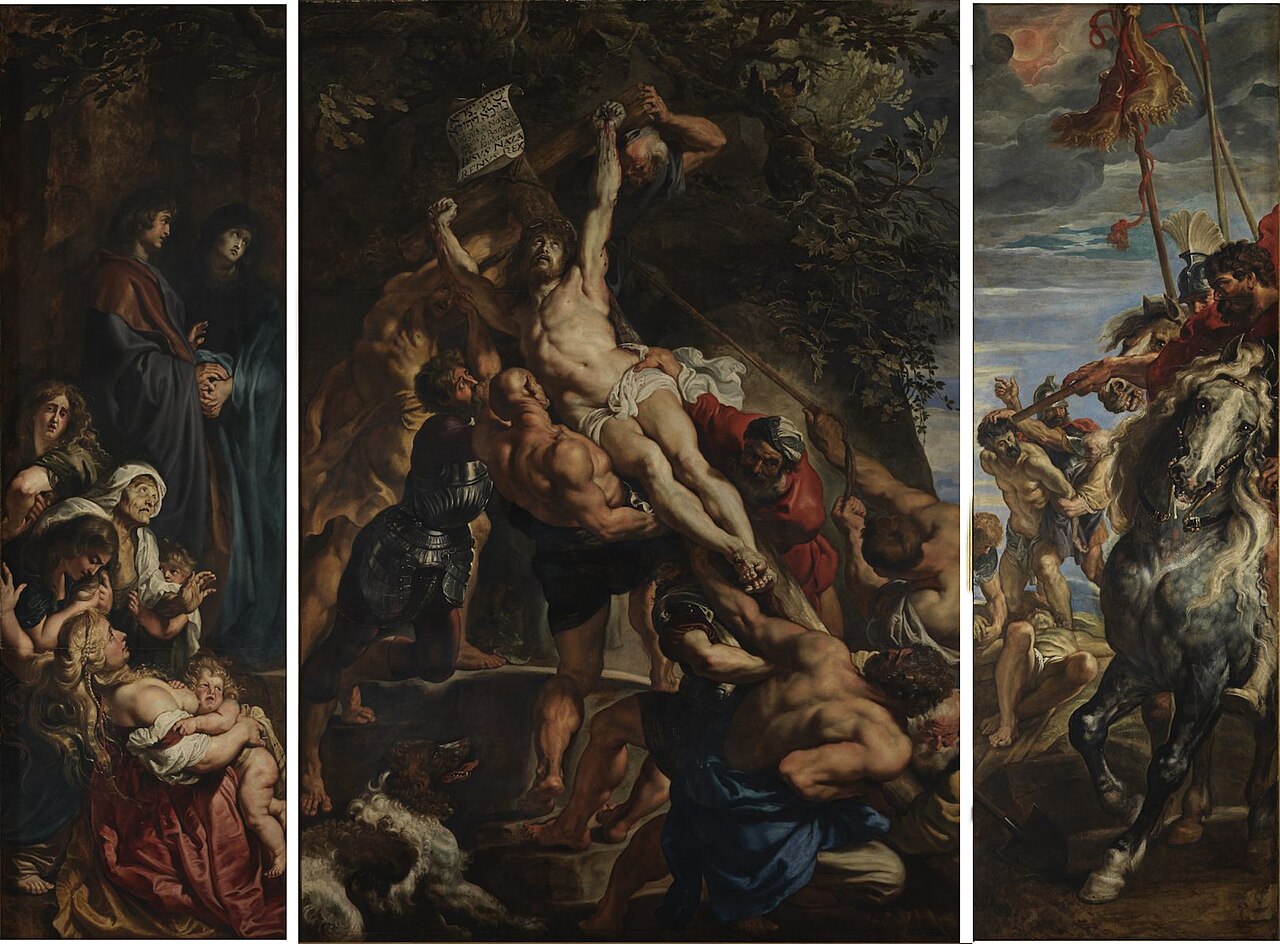 Painting
Primary source
The Elevation of the Cross
Peter Paul Rubens · 1610–1611
 Painting
Primary source
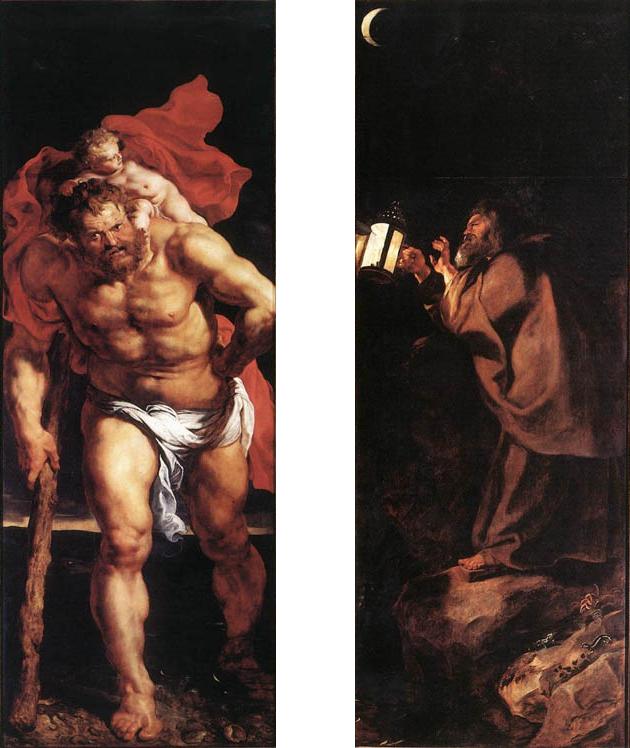
The Descent from the Cross
Peter Paul Rubens · 1611–1614
 Painting
Primary source
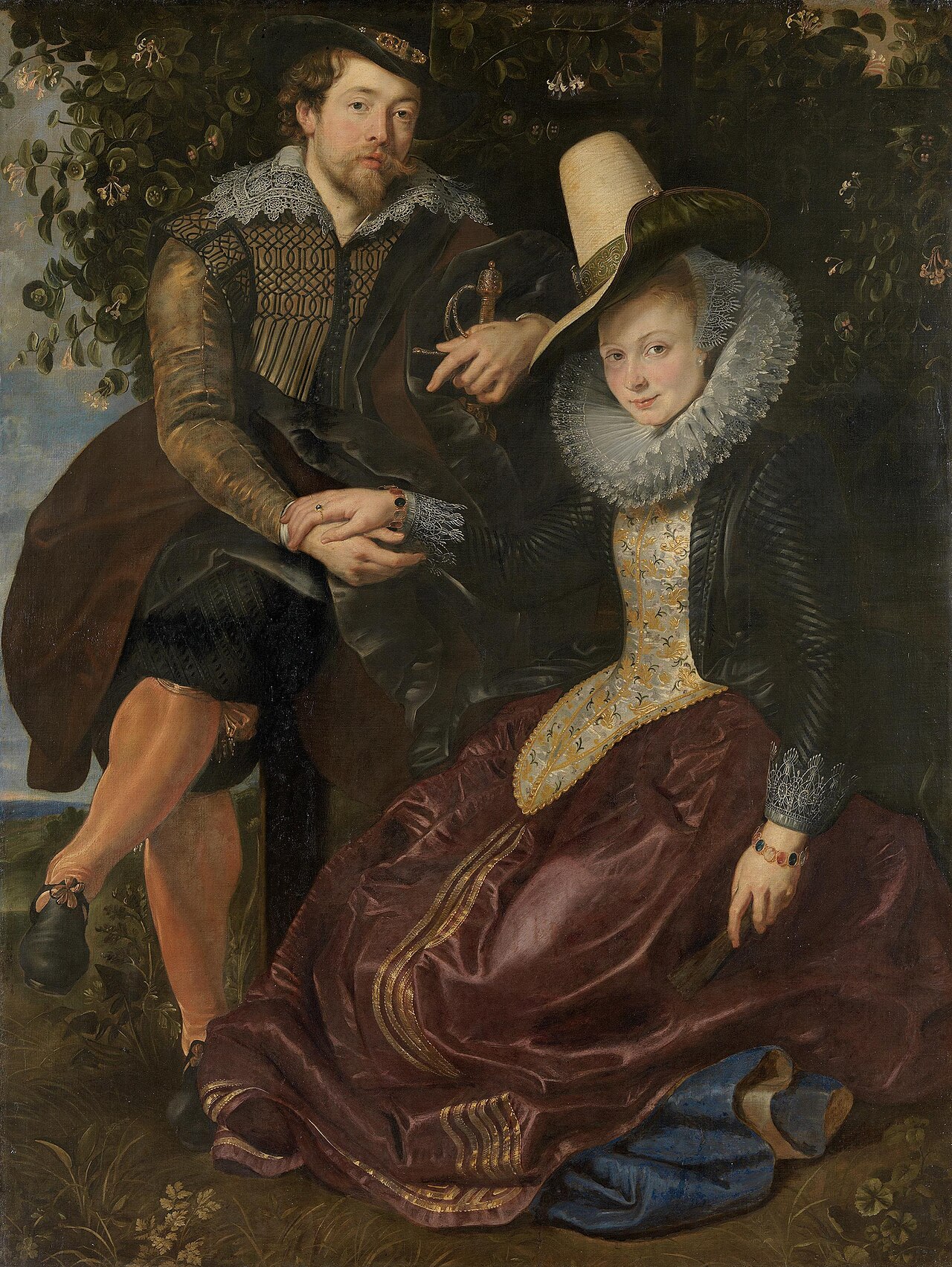
The Honeysuckle Bower
Peter Paul Rubens · c. 1609
 Painting
Primary source
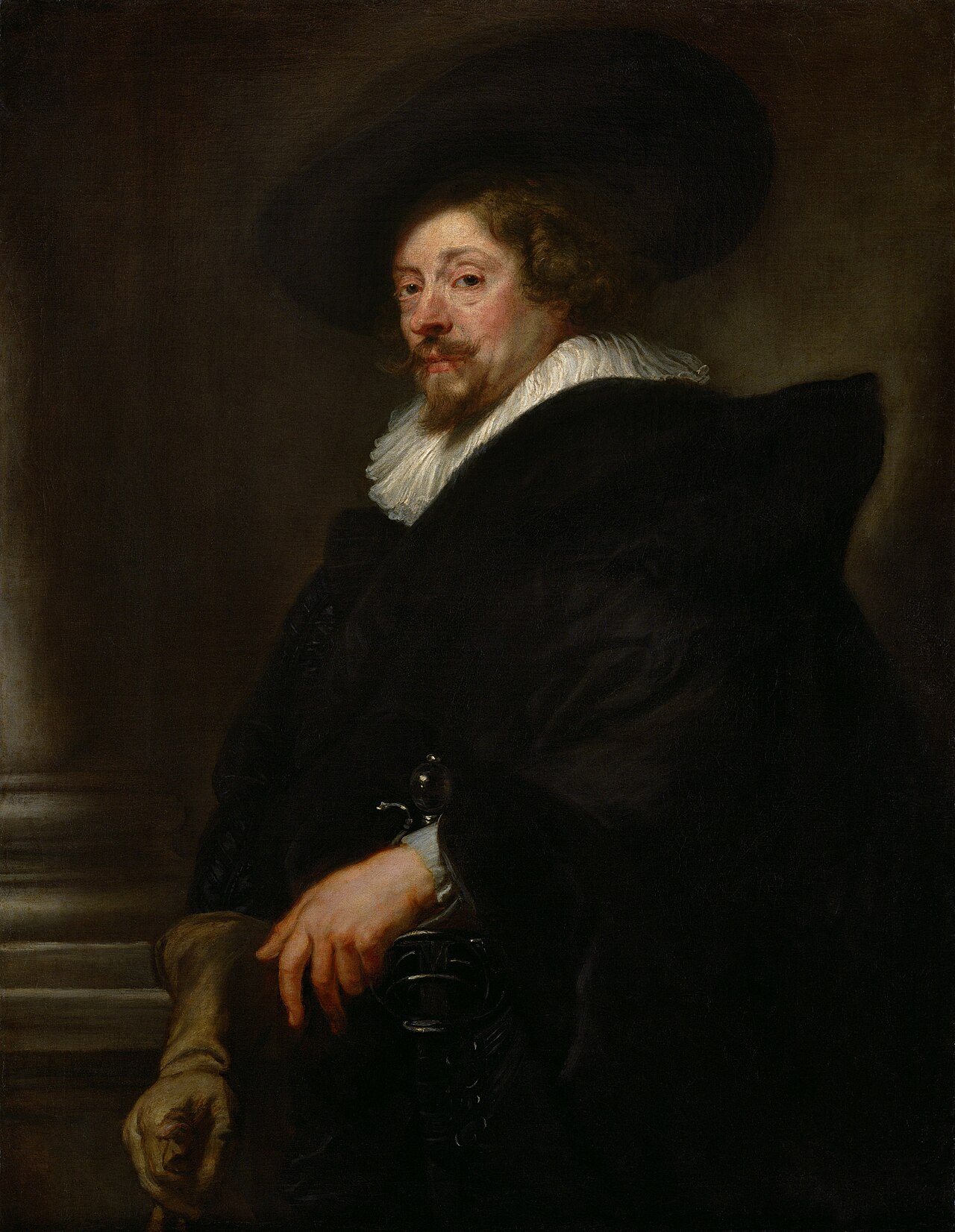
Self-Portrait
Peter Paul Rubens · 1638–1639
Free account
Read every Peter Paul Rubens source
Sign up free →
Ready when you are
Start chatting with Peter Paul Rubens now.
20 messages free · No credit card · Available in 50+ languages.