


Primary sourcePaintingc. 1513-1515
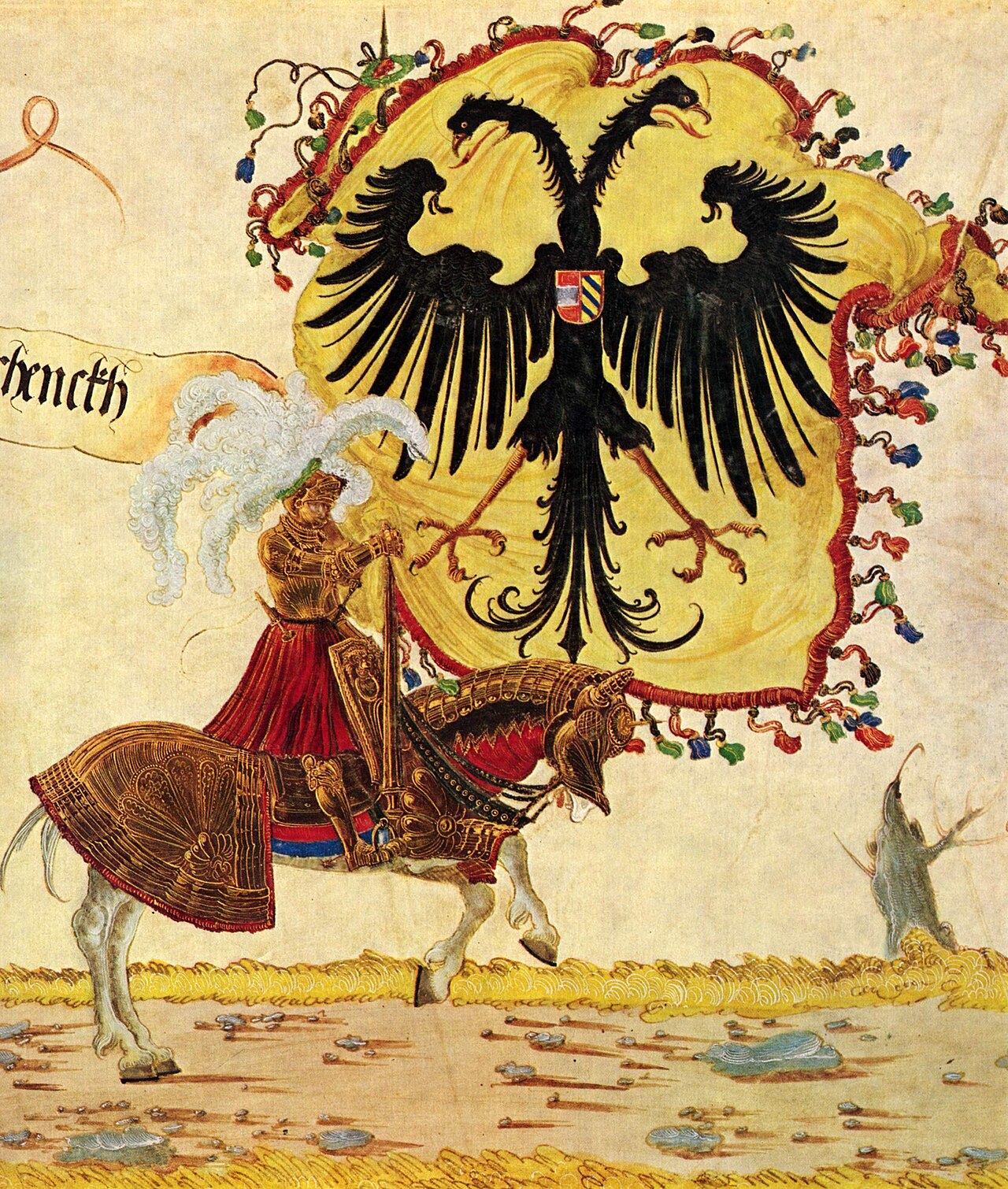
Triumphal Procession, detail of imperial banner and sword
Albrecht Altdorfer · c. 1513-1515
A detail from Albrecht Altdorfer's woodcut series celebrating Maximilian I's reign, showing an armored knight and an imperial banner.
This image was created to glorify Maximilian's reign, showing imperial symbols associated with his rule.
About this source
What it is
This is a detail from a hand-colored woodcut created by Albrecht Altdorfer between about 1513 and 1515, part of a larger series called the Triumphal Procession, made during Maximilian I's lifetime. It shows a mounted knight in gold armor beside a banner bearing the double-headed eagle, a symbol of imperial power.
Why it matters
The Triumphal Procession was commissioned to celebrate and promote Maximilian's reign through grand imperial imagery. Such propaganda art reveals how rulers of this era used visual symbols—armor, banners, heraldry—to project authority and legitimacy to their subjects.
Look closer
- What does the choice of symbols, like the double-headed eagle, tell you about how Maximilian wanted to be seen?
- Why might an emperor commission elaborate artwork like this instead of relying only on written decrees?
- What is missing from this idealized image of imperial power?
This painting is part of the curated material that grounds the AI version of Maximilian I, Holy Roman Emperor on Humy.ai — when students ask about related events, the AI can quote it and cite it.
More Maximilian I, Holy Roman Emperor sources
Browse all 87 →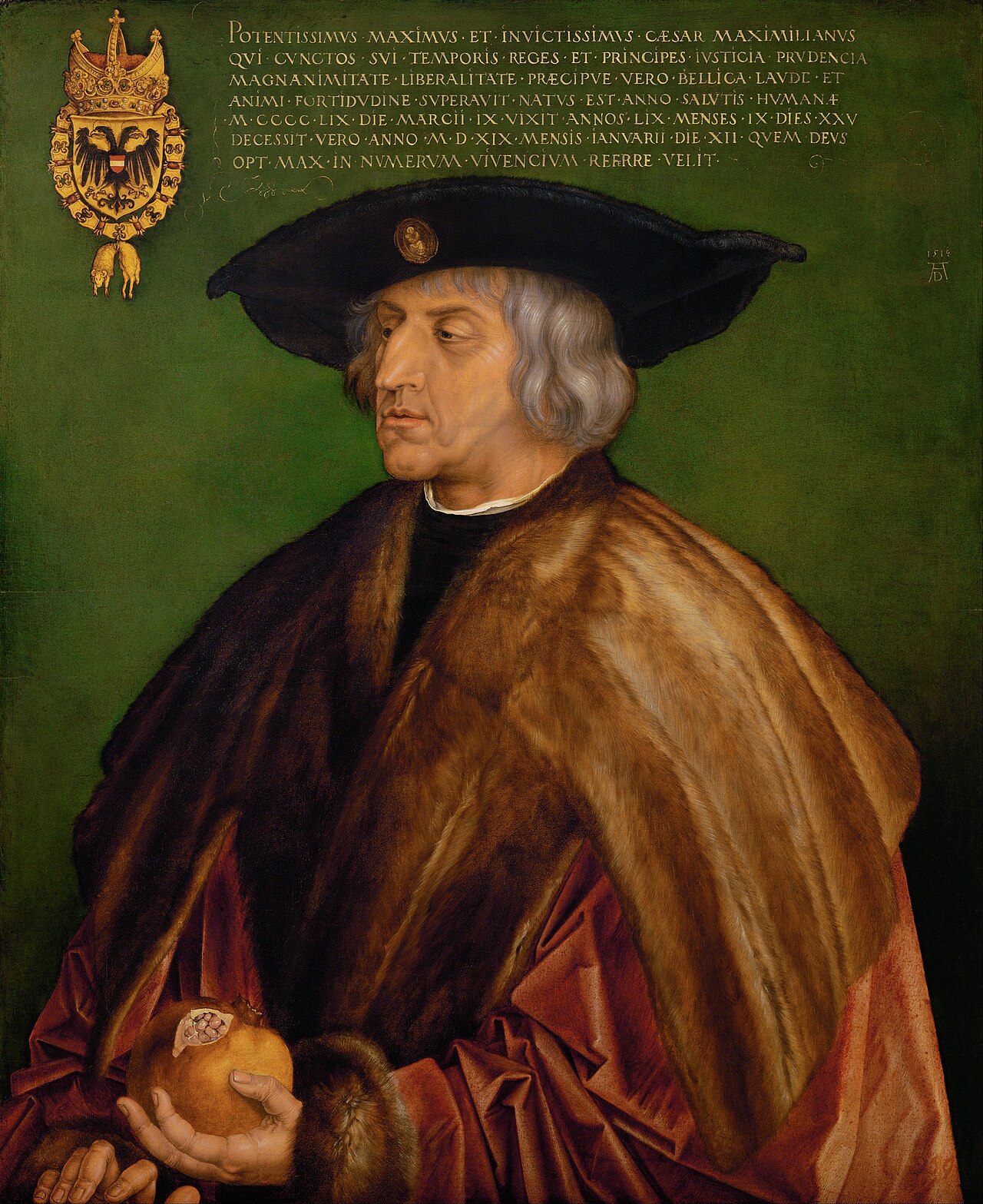 Painting
Primary source
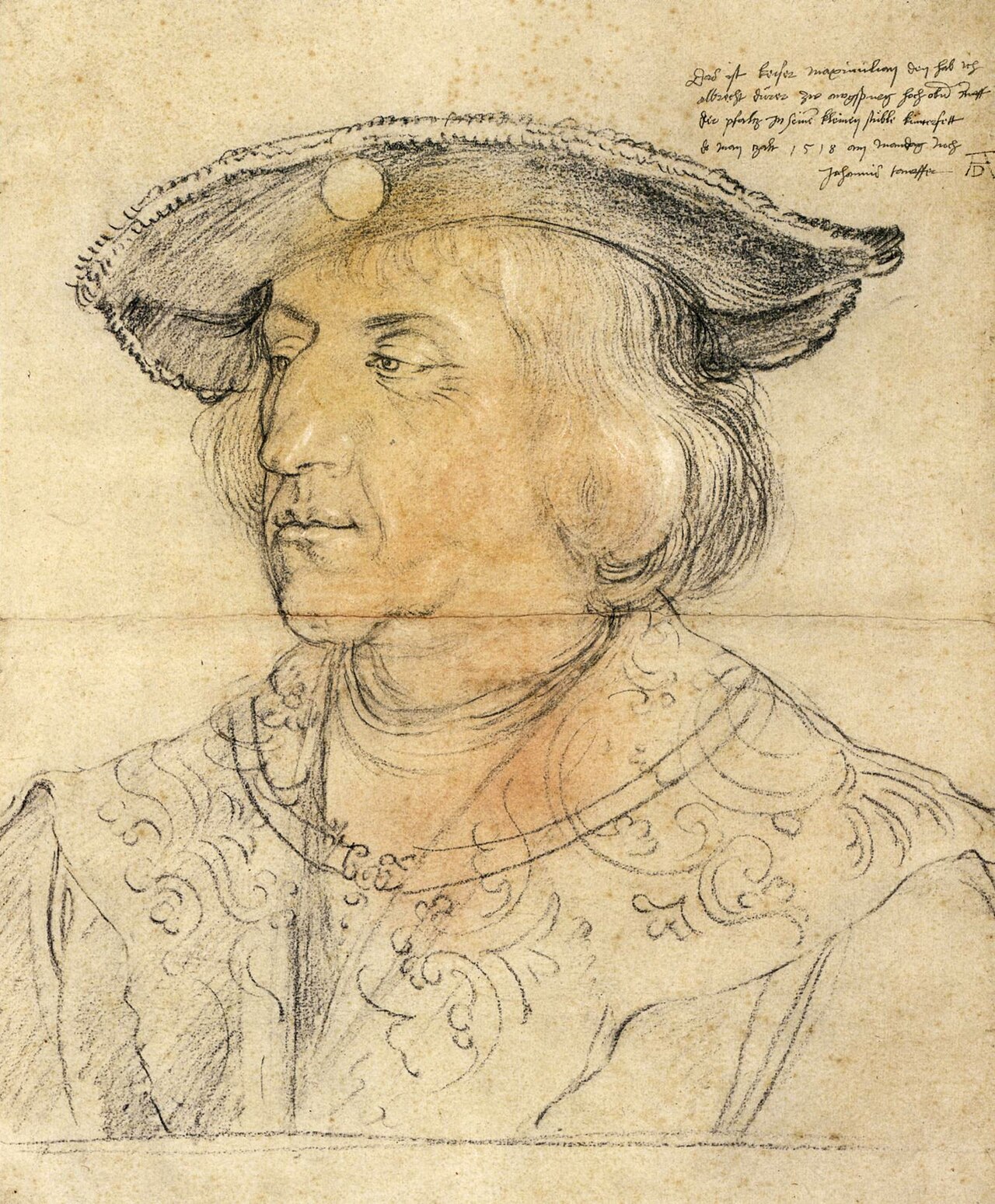
Portrait of Emperor Maximilian I
Albrecht Dürer · 1519
 Artifact
Primary source
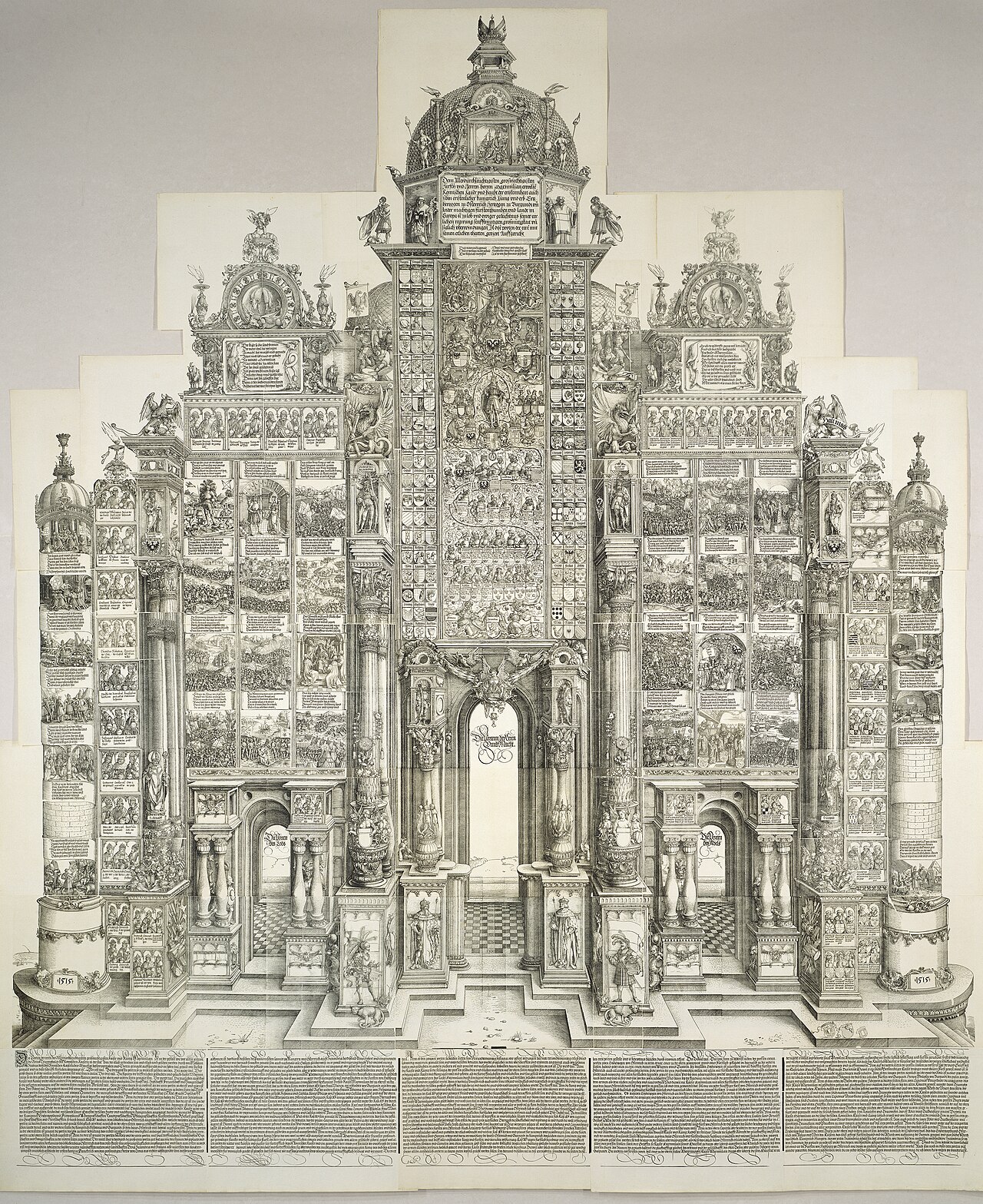
Triumphal Arch
Wolf Traut · 1512-1515
 Artifact
Primary source
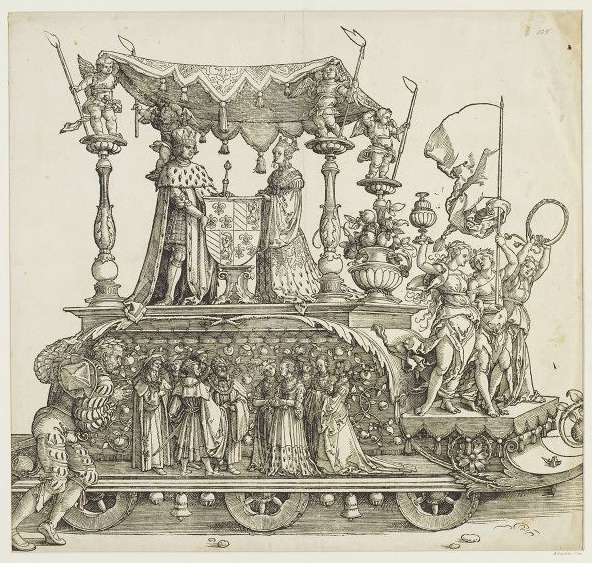
Triumphal Procession
Maximilian I · 1512-1519
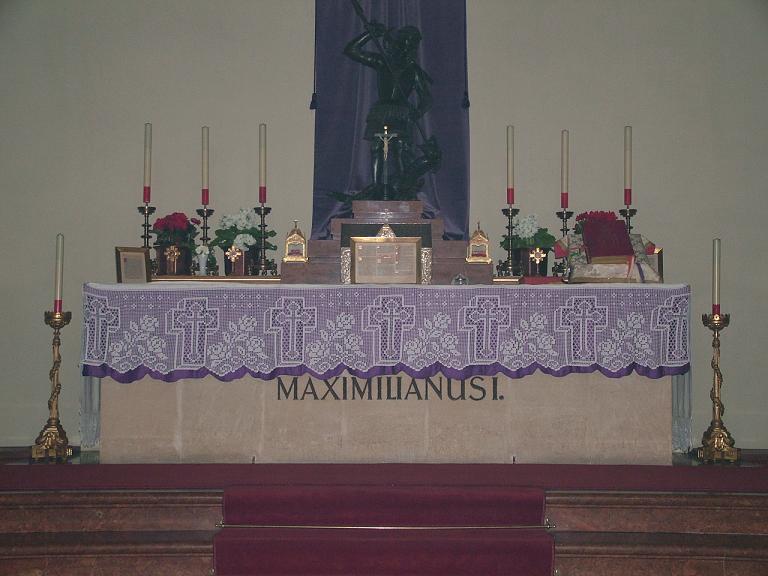 Sculpture
Secondary source
Grave of Maximilian I
Free account
Read every Maximilian I, Holy Roman Emperor source
Sign up free →
Ready when you are
Start chatting with Maximilian I, Holy Roman Emperor now.
20 messages free · No credit card · Available in 50+ languages.