


Secondary sourcePainting1599
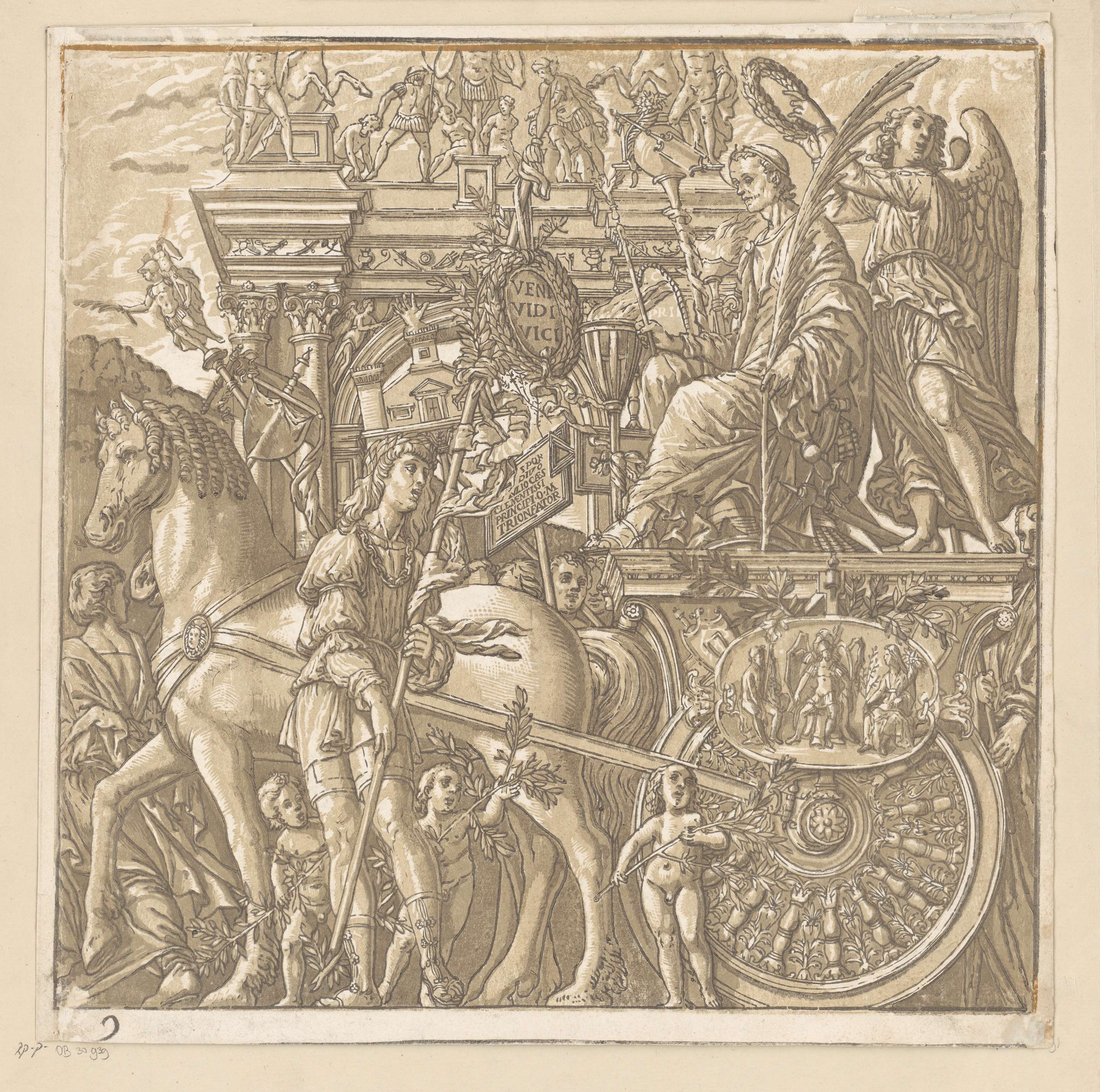
Triumphal Procession of Julius Caesar
1599
A 1599 print showing Julius Caesar's triumphal procession, created long after his lifetime as a celebratory image of his victories.
This later print celebrates Caesar's military triumphs, showing his lasting image as a conqueror.
About this source
What it is
This is a print dated 1599, held by the Rijksmuseum in the Netherlands. It shows a triumphal procession associated with Julius Caesar, featuring a chariot, a seated laureate figure, a helmeted youth, an inscription reading 'VENI VIDI VICI,' and decorative figures including cupids and a winged angel.
Why it matters
Made over 1,600 years after Caesar's death, this print shows how Renaissance-era artists imagined and celebrated Caesar's military triumphs. The phrase 'VENI VIDI VICI' ('I came, I saw, I conquered') became closely associated with Caesar's reputation as a conqueror. This image reveals how later European culture used Caesar as a symbol of military glory and power.
Look closer
- What symbols in the print suggest victory and celebration?
- Why would an artist in 1599 choose to depict a Roman triumph?
- What does the inscription 'VENI VIDI VICI' tell us about how Caesar wanted to be remembered?
This painting is part of the curated material that grounds the AI version of Julius Caesar on Humy.ai — when students ask about related events, the AI can quote it and cite it.
More Julius Caesar sources
Meet the AI Julius Caesar →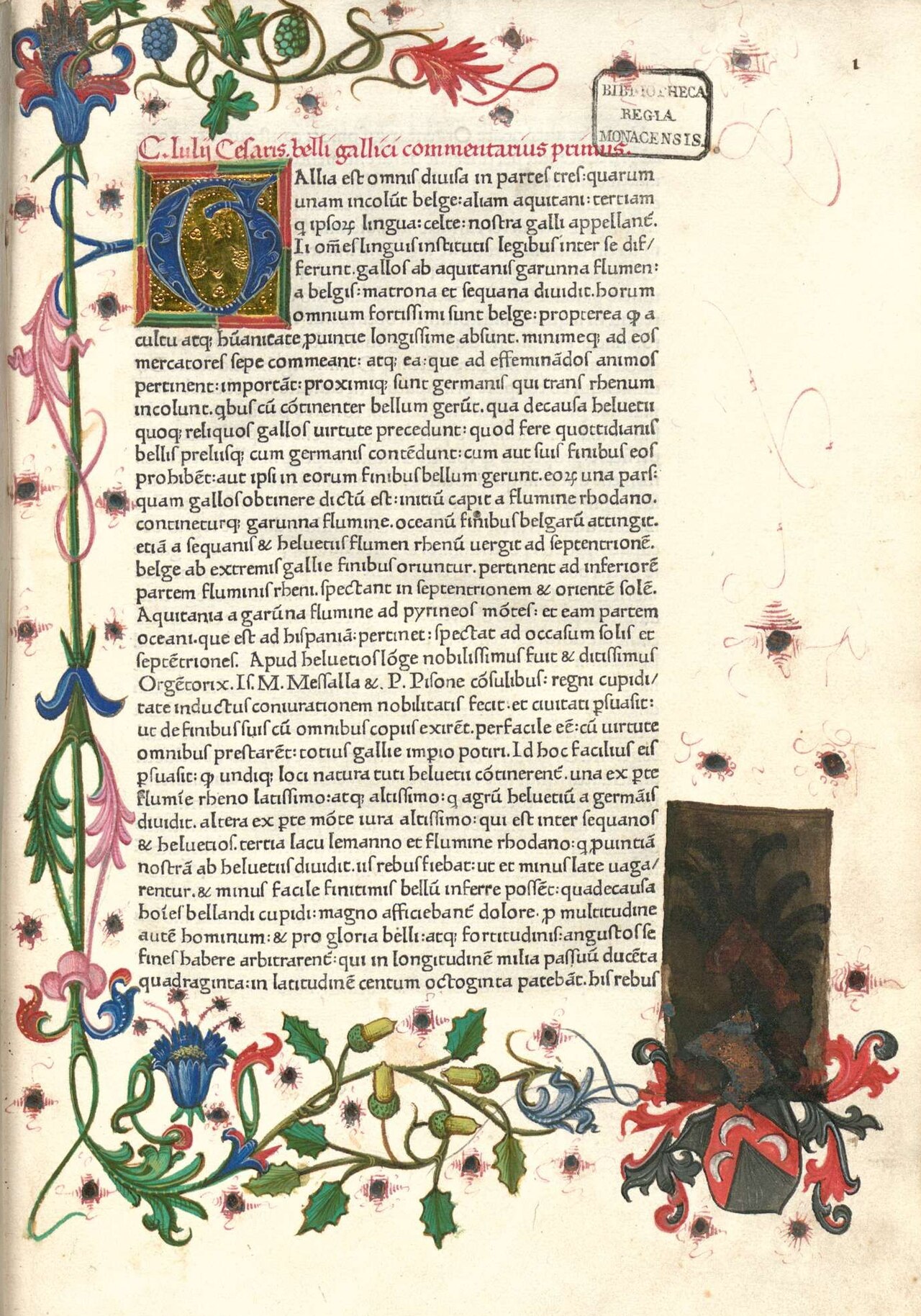 Book
Primary source
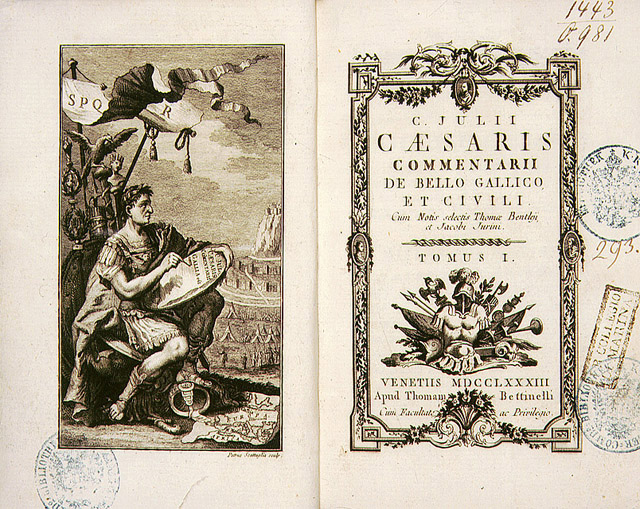
Commentarii de Bello Gallico
Julius Caesar · c. 58-50 BCE (this copy 1469)
 Painting
Secondary source
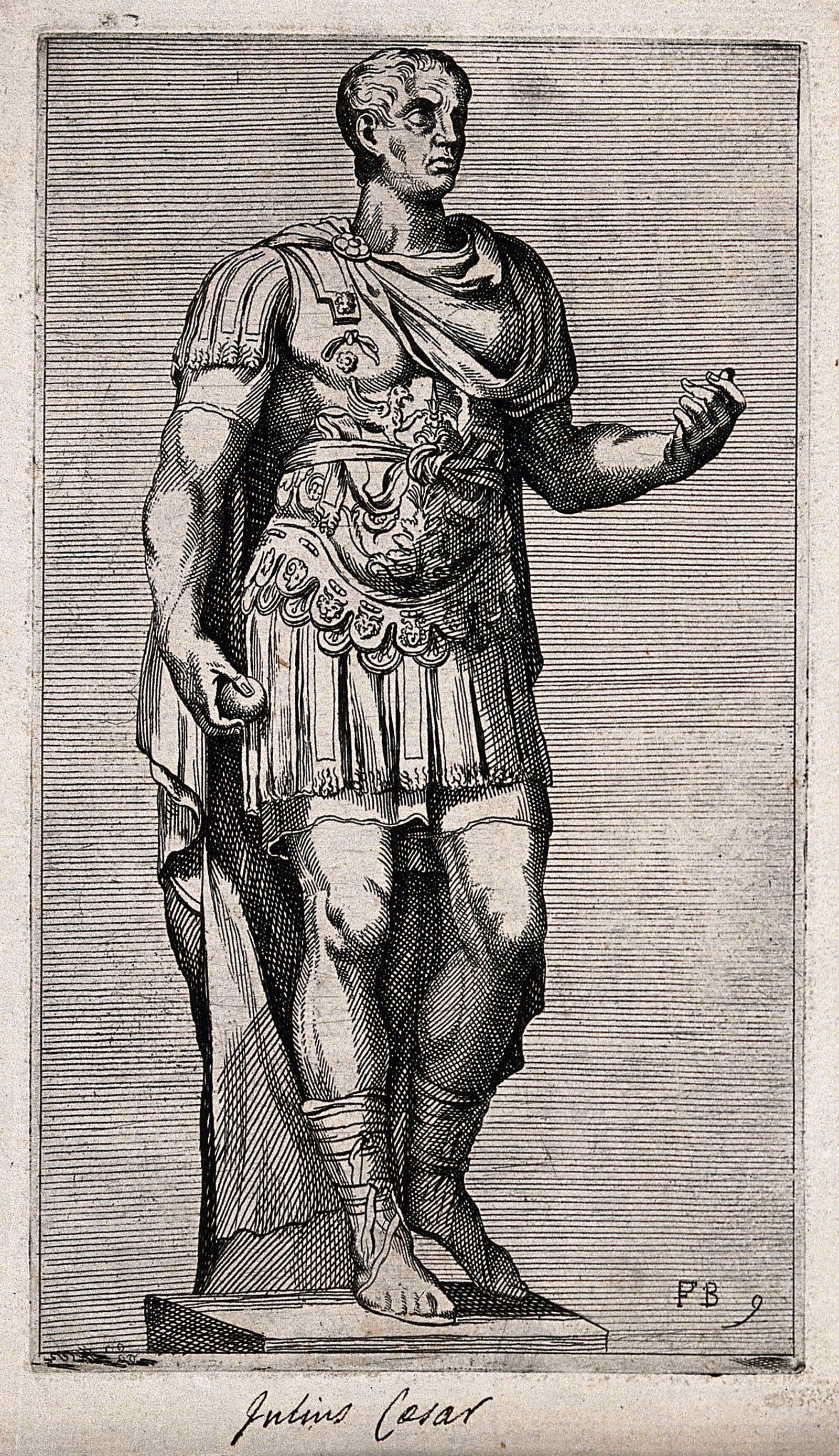
Etched Portrait of Julius Caesar
F. Perrier
 Painting
Secondary source
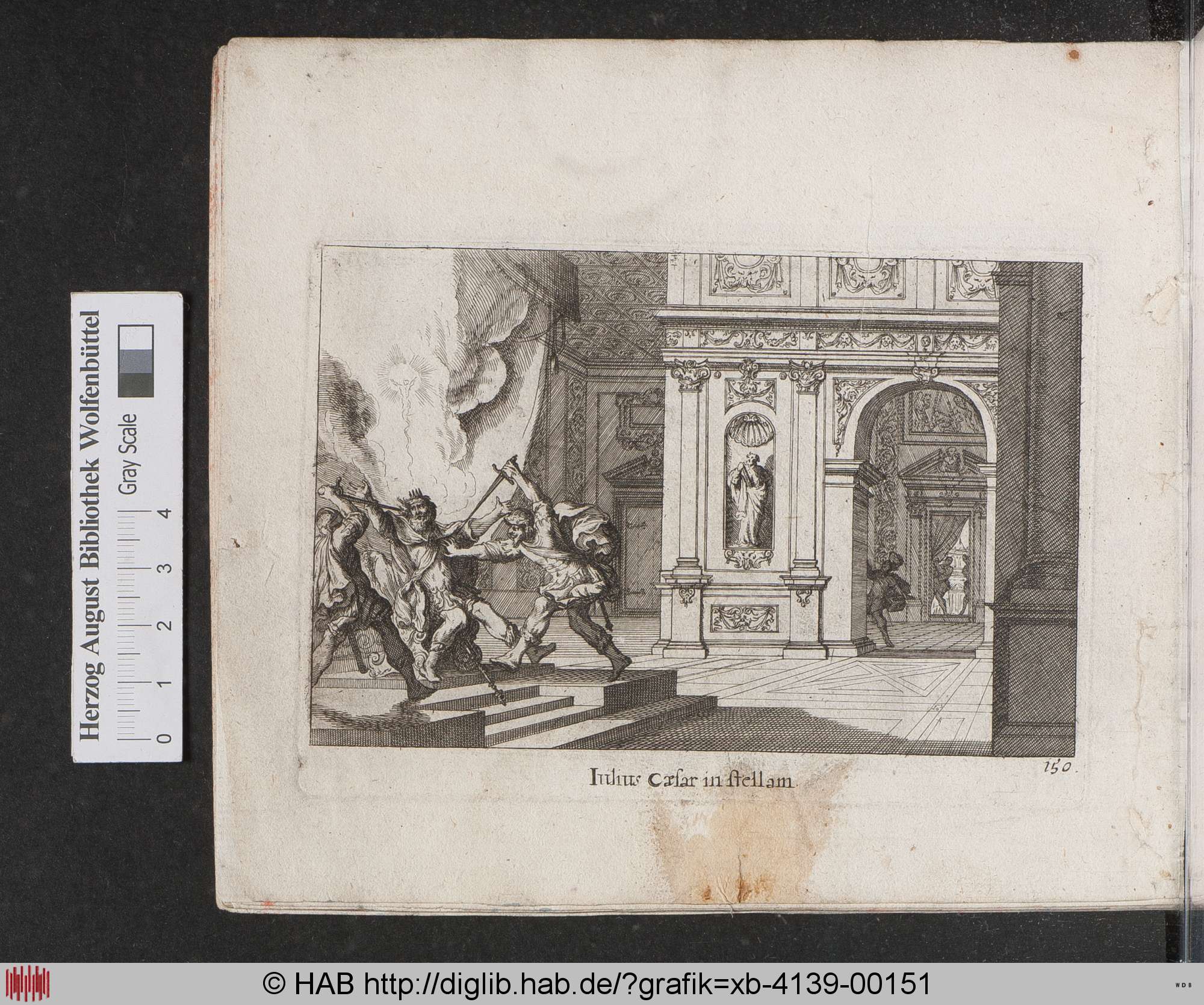
Murder of Julius Caesar in the Senate
 Book
Primary source
Commentarii de Bello Civili
Julius Caesar · 49-48 BCE
 Painting
Secondary source
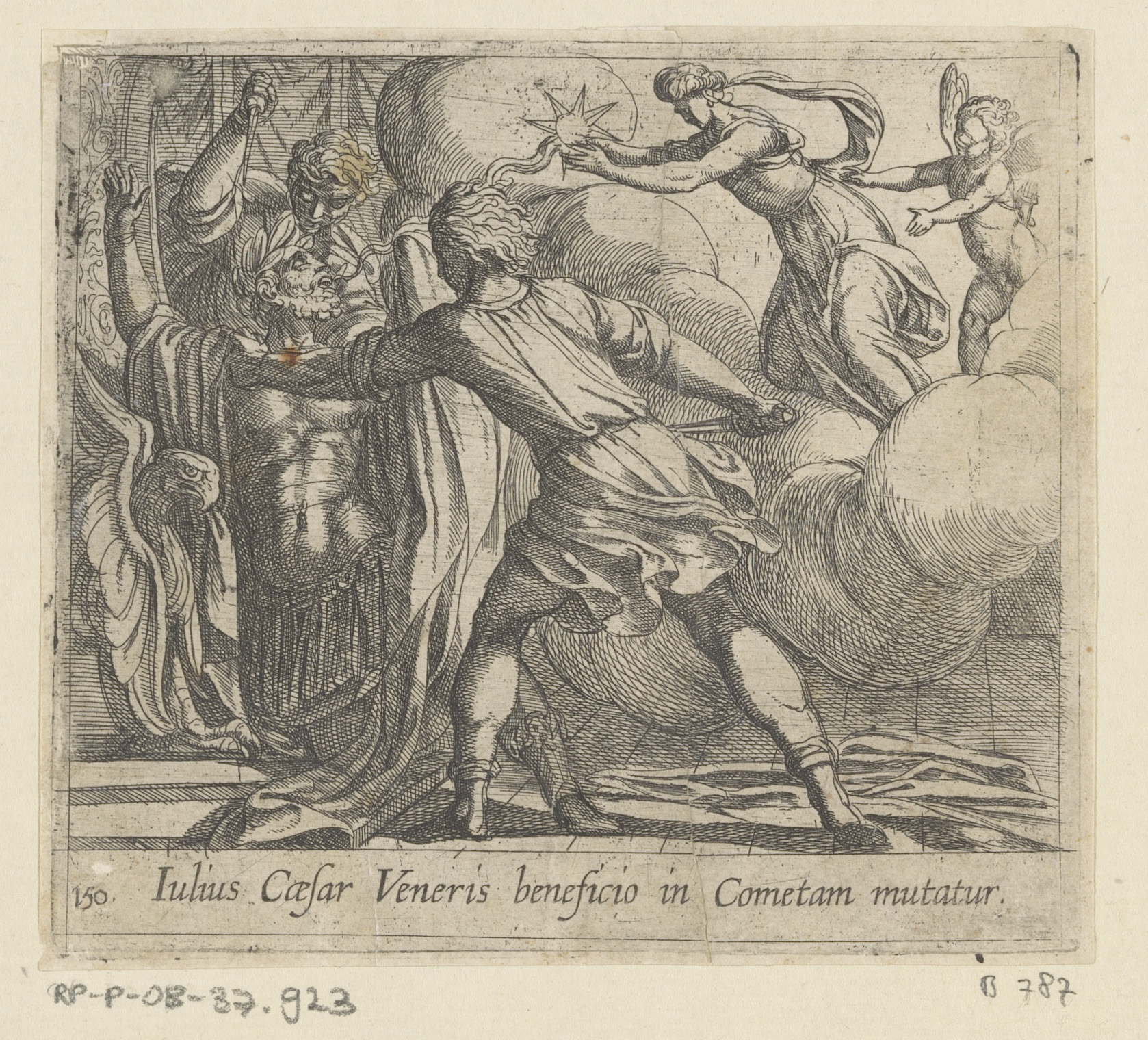
The Murder of Julius Caesar
1606
Ready when you are
Start chatting with Julius Caesar now.
20 messages free · No credit card · Available in 50+ languages.