


Primary sourceDocument1520–1566
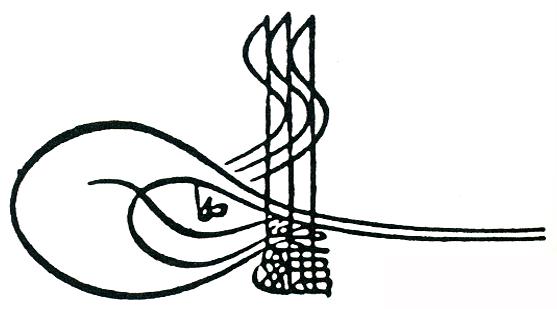
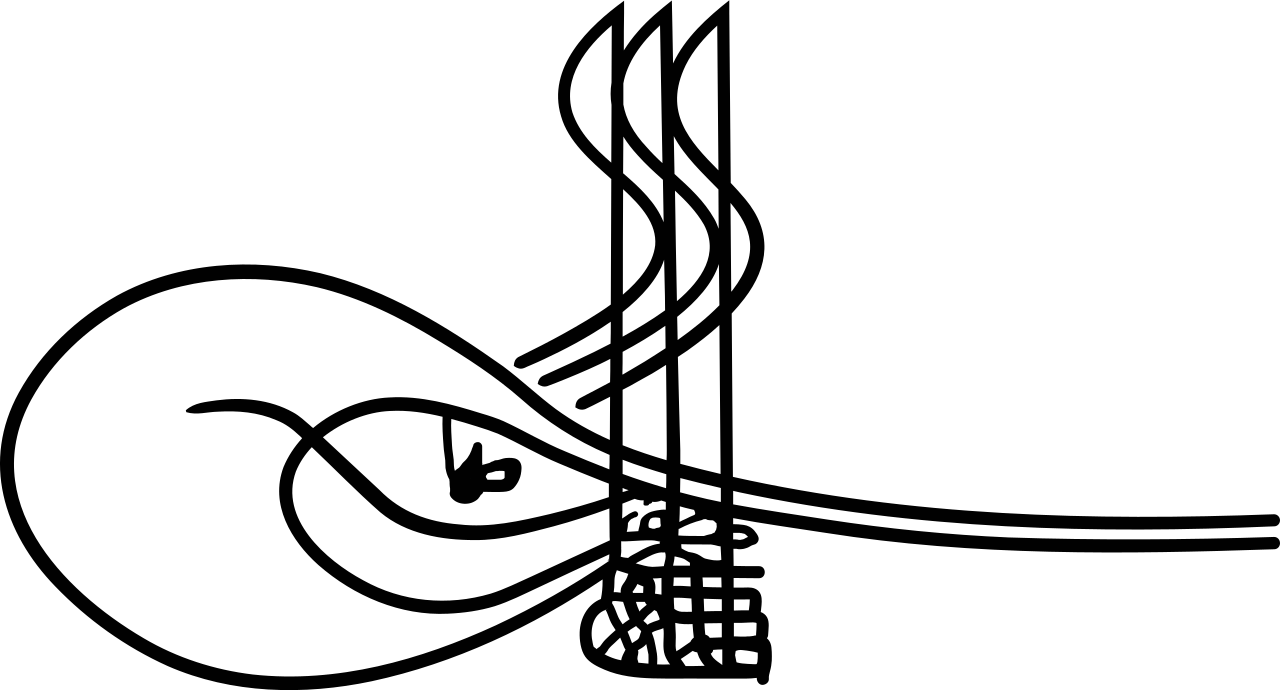
Tughra of Suleiman I
Unknown court calligrapher · 1520–1566
The elaborate calligraphic monogram that served as Suleiman the Magnificent's official signature, stamped on decrees and coins throughout his reign.
This tughra was Suleiman's personal imperial seal, used on all his official decrees and coins.
About this source
What it is
A tughra is an imperial calligraphic emblem used as a sultan's personal seal or signature. This one belonged to Suleiman I, Sultan of the Ottoman Empire, and was used on official documents and coins between 1520 and 1566. It was created by an unknown court calligrapher trained in this specialised art.
Why it matters
The tughra was the mark of legitimate imperial authority — no decree, law, or coin was valid without it. It shows how the Ottoman state turned writing into a powerful visual symbol of the sultan's rule, blending beauty and bureaucracy. Studying it reveals how much care Ottoman rulers put into projecting authority through art, not just words.
Look closer
- What shapes and patterns do you notice in the design, and what might they represent?
- Why might a ruler want a unique, hard-to-copy signature like this?
- What does the use of this symbol on coins and documents tell you about how power was communicated?
This document is part of the curated material that grounds the AI version of Suleiman the Magnificent on Humy.ai — when students ask about related events, the AI can quote it and cite it.
More Suleiman the Magnificent sources
Meet the AI Suleiman the Magnificent → Artifact
Primary source
Süleymaniye Mosque
Mimar Sinan · 1550-1557
 Letter
Primary source
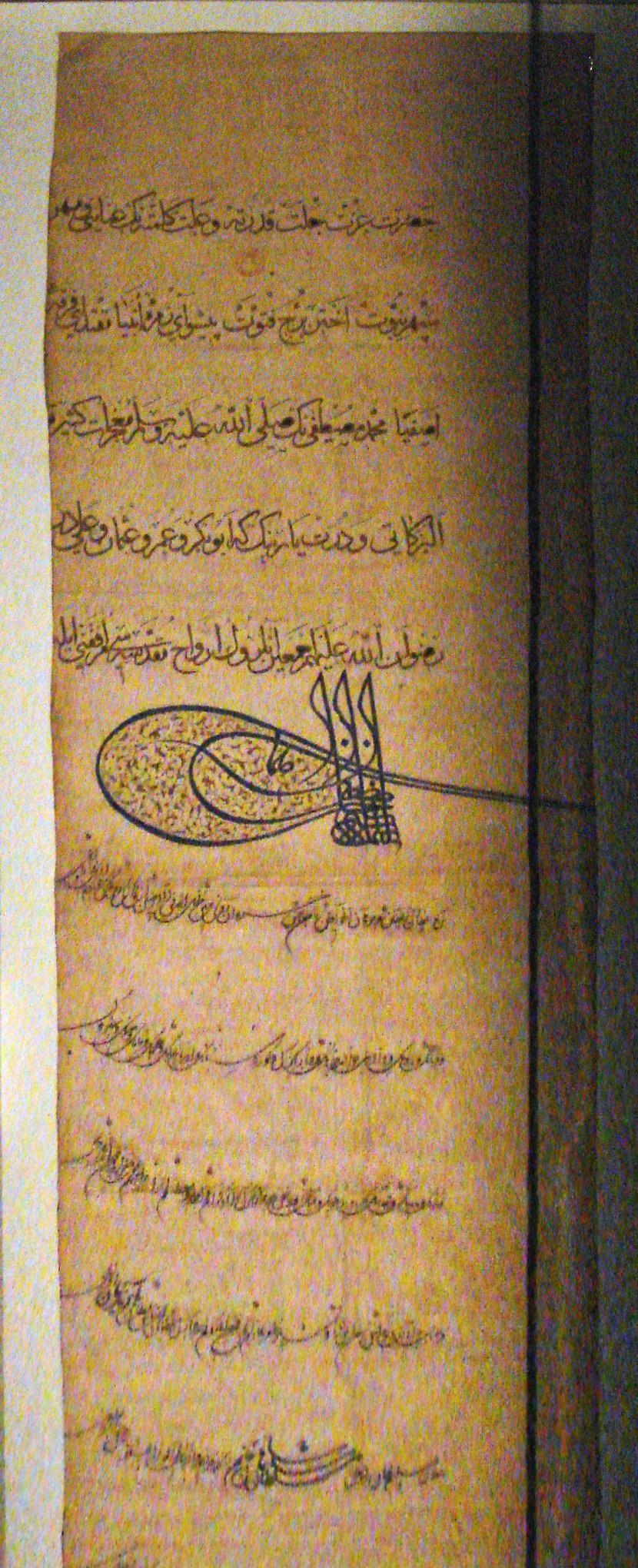
Letter to the King of France
Suleiman the Magnificent · 1526
 Painting
Primary source
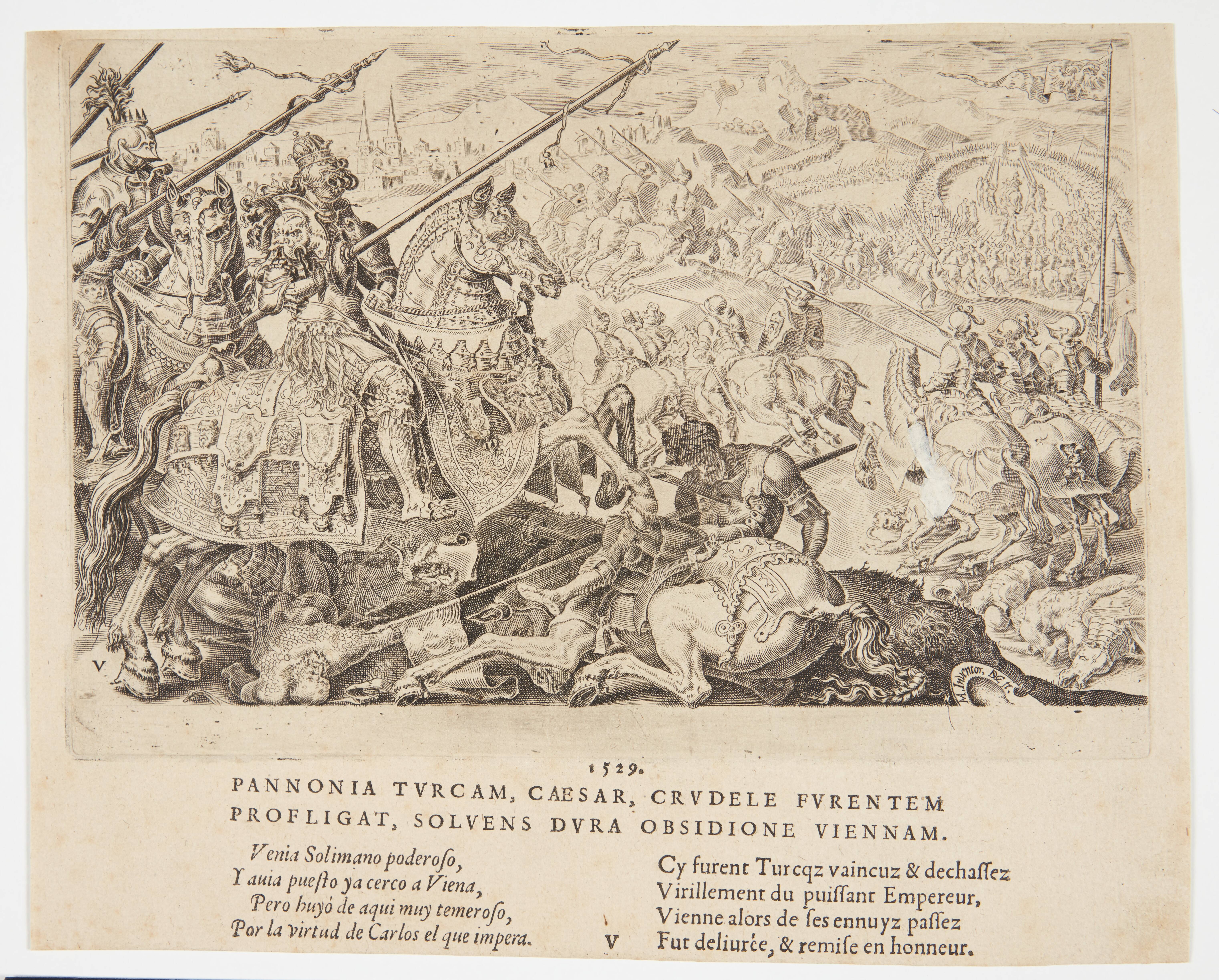
Suleiman the Magnificent Forced to Raise the Siege of Vienna
1555
 Painting
Secondary source
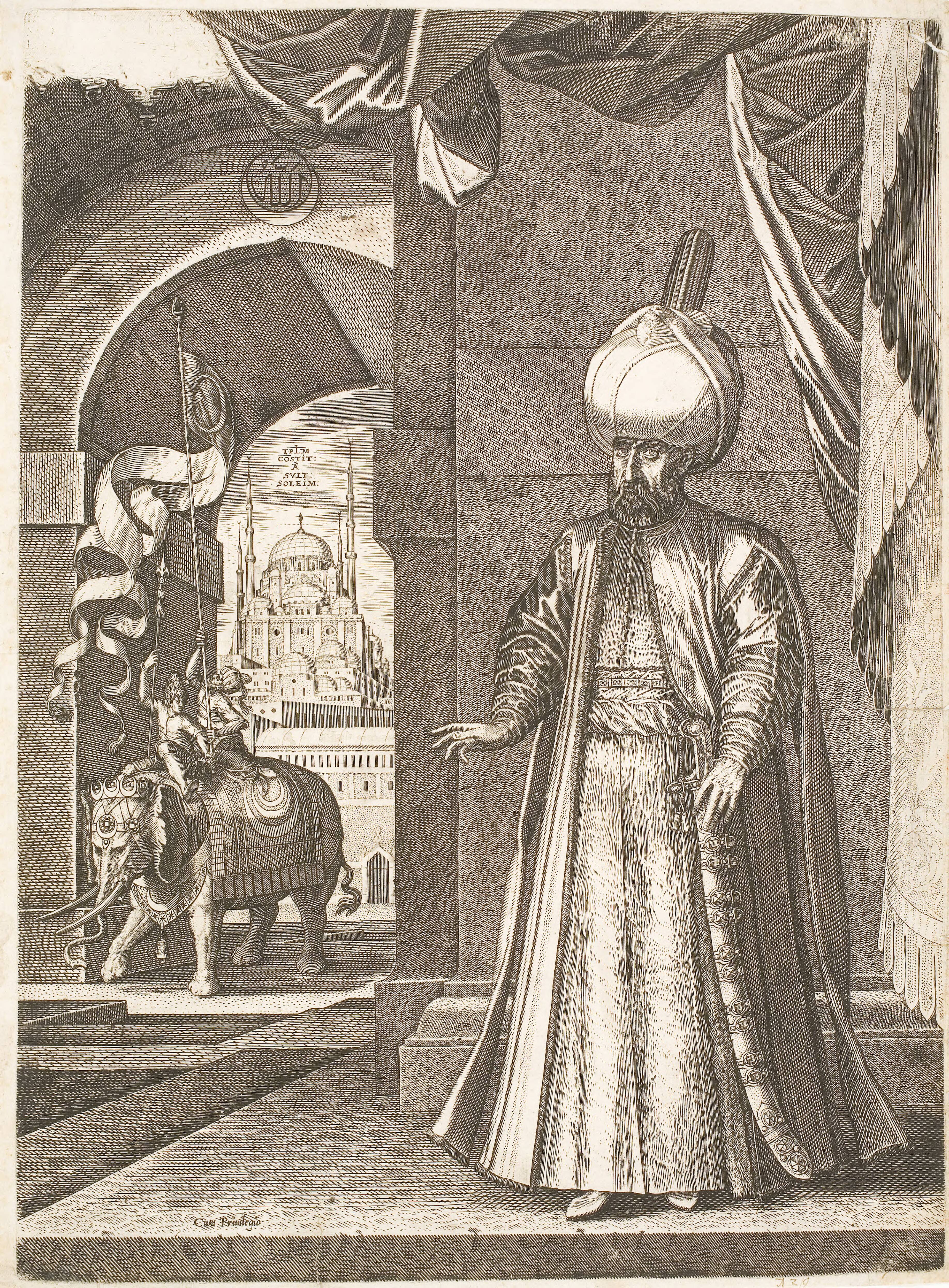
Standing Portrait of Sultan Suleiman the Magnificent
1574
 Artifact
Primary source
Tughra of Suleiman the Magnificent
Ready when you are
Start chatting with Suleiman the Magnificent now.
20 messages free · No credit card · Available in 50+ languages.