


Primary sourceDocument1481
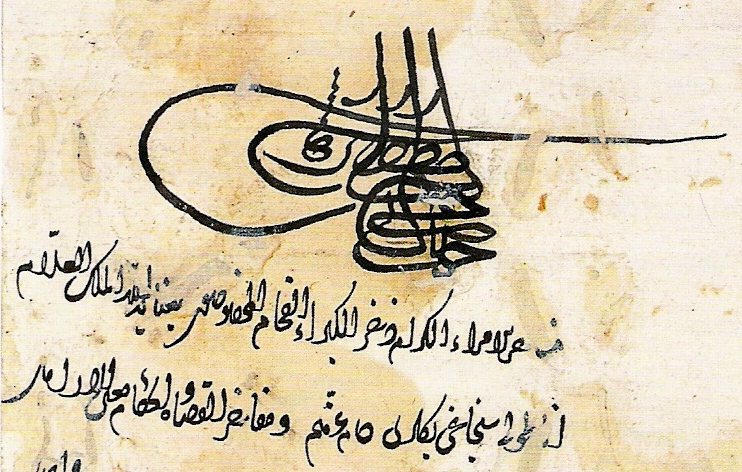
Tughra on 1481 Fermān Issued to Cem Sultan
Unknown Ottoman scribe · 1481
The imperial monogram, or tughra, on a 1481 decree issued in the name of Cem, Bayezid II's rival brother and claimant to the throne.
A rival decree from the year Bayezid II became sultan, showing his brother Cem's competing claim to the throne.
About this source
What it is
This is the head of a fermān, an imperial decree, from 1481, bearing a tughra (official monogram) issued in the name of Cem Sultan. The tughra names him 'Cem b. Mehemmed Han, ever victorious', asserting his claim to be sultan.
Why it matters
In 1481, after Mehmed II died, his sons Bayezid and Cem both claimed the throne. This document, made that same year, shows Cem using the imperial tughra to assert his own right to rule, directly challenging his brother Bayezid II who ultimately won the struggle and became sultan.
It is a rare piece of direct evidence from the succession crisis itself, rather than a later retelling, showing how both brothers used official symbols to claim legitimacy.
- Why would Cem use the same kind of imperial symbol, the tughra, that a sultan would use?
- What does this document tell us about how fragile or contested a succession could be?
- What does the document not tell us about how the dispute was eventually resolved?
This document is part of the curated material that grounds the AI version of Bayezid II on Humy.ai — when students ask about related events, the AI can quote it and cite it.
More Bayezid II sources
Browse all 79 → Artifact
Primary source
Bayezid II Mosque
Yakubşah ibn Islamşah (attributed) · 1500-1505
 Document
Primary source
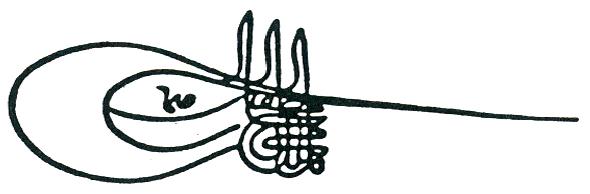
Tughra of Bayezid II
Unknown court calligrapher · 1481-1512
 Painting
Primary source
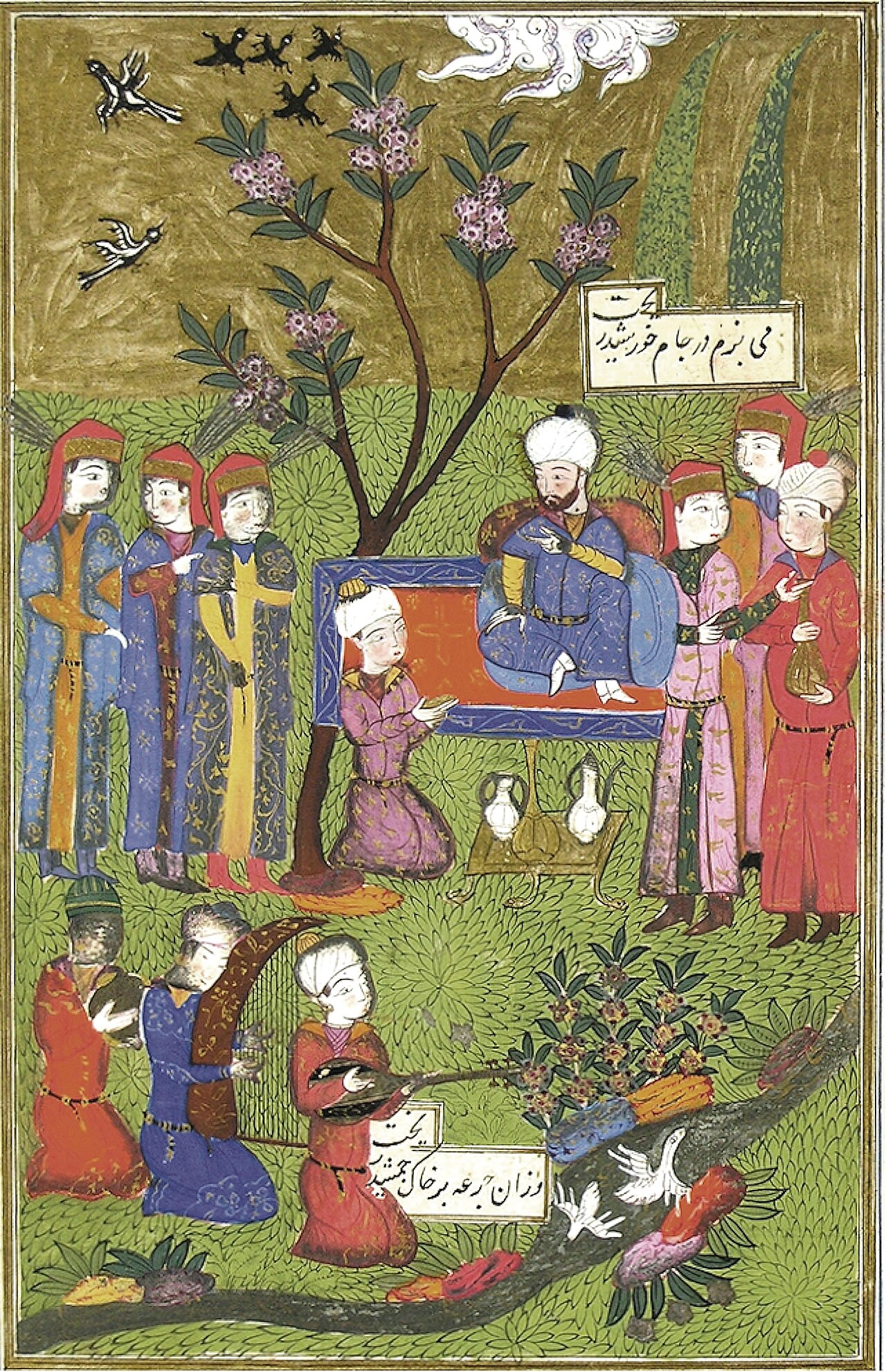
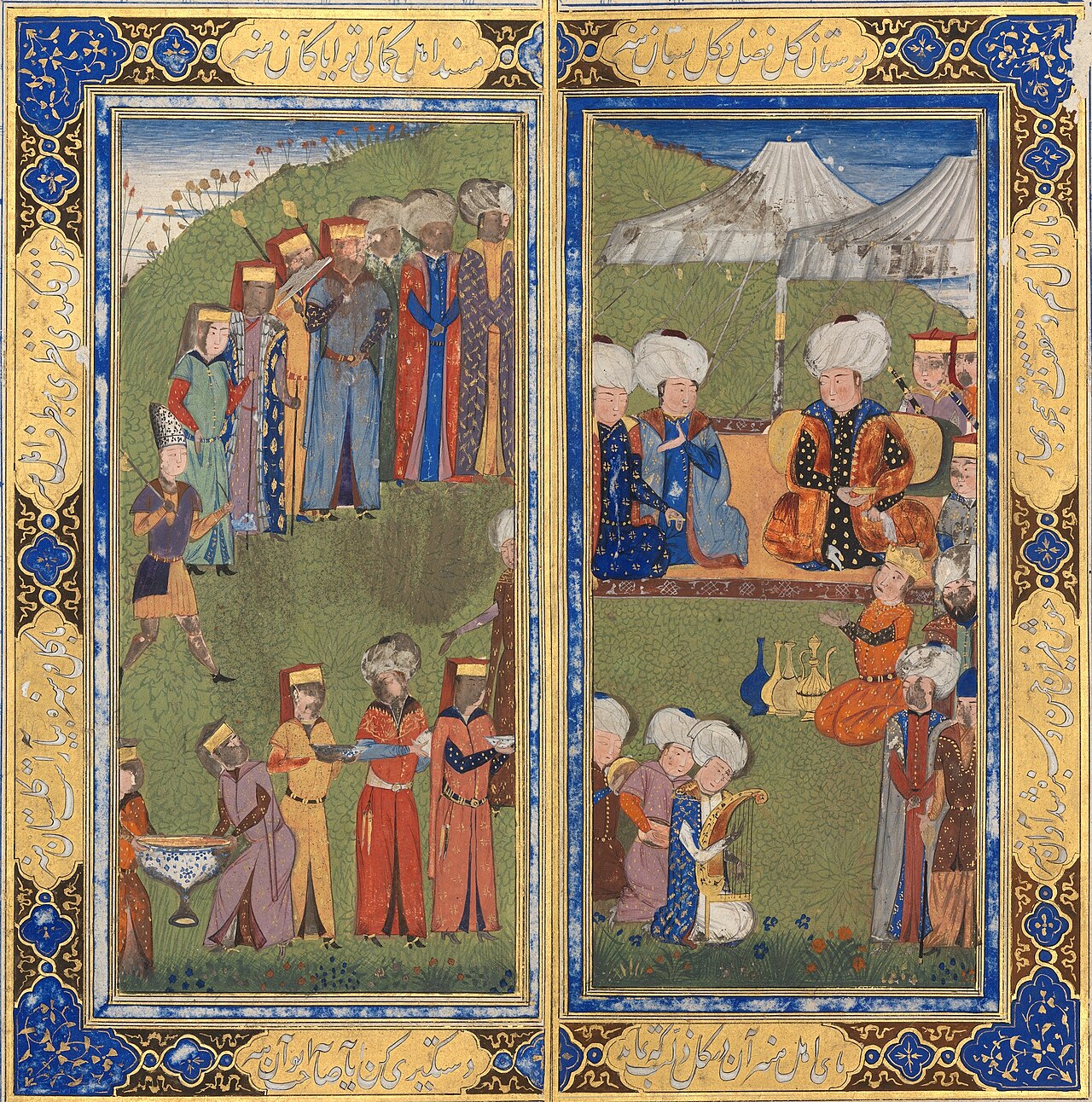
Assembly of Sultan Bayezid II
Darwish Mahmud b. Abdullah nakkash · c. 1495
 Artifact
Primary source
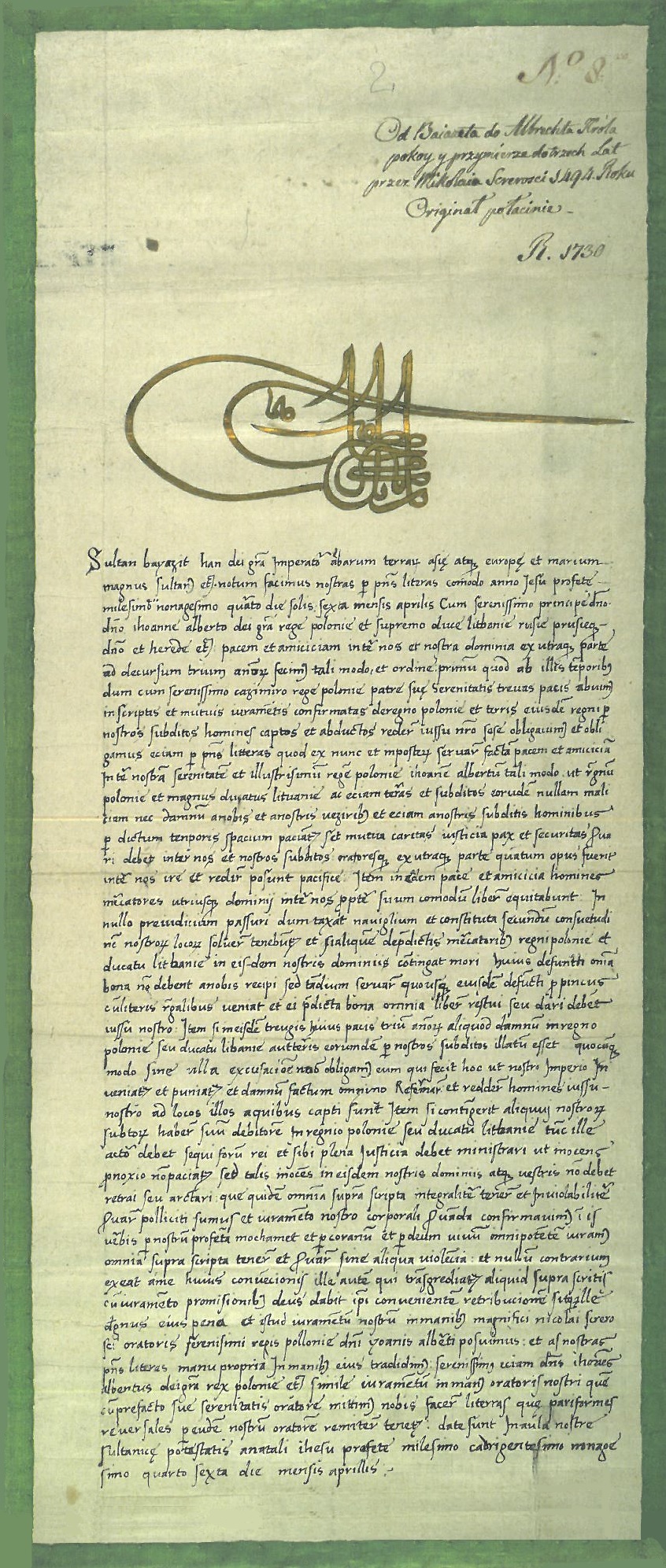
Sultan Bayezid II Complex
Mimar Hayruddin · 1484-1488
Free account
Read every Bayezid II source
Sign up free →
Ready when you are
Start chatting with Bayezid II now.
20 messages free · No credit card · Available in 50+ languages.