


Secondary sourcePainting16th century
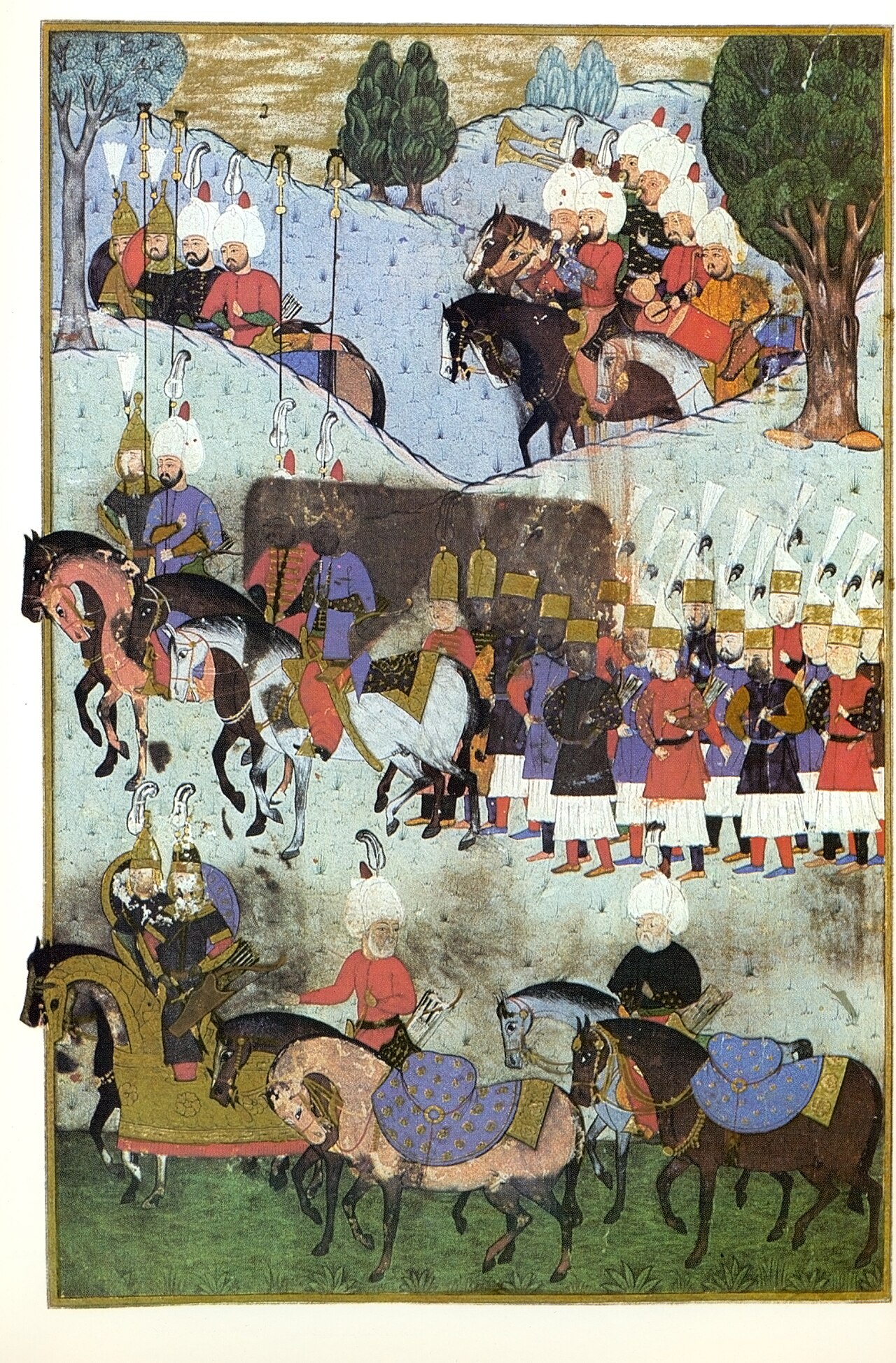
Turkish Army Returns from Szigetvár, Concealing Suleiman's Death
Nakkaş Osman · 16th century
A later Ottoman miniature by Nakkaş Osman depicting the army's march home after Szigetvár, concealing the death of Suleiman the Magnificent.
The painting depicts the concealment of Suleiman's death as his army marched home from Szigetvár, where he died.
About this source
What it is
This double miniature painting, created by the court artist Nakkaş Osman in the 16th century, depicts the Ottoman army returning from the campaign at Szigetvár. It shows a procession of soldiers moving across a landscape, with a covered litter carried among them.
Why it matters
The scene refers to the moment after Suleiman's death in 1566, when his army is said to have concealed his death during the return march to maintain order and morale. As a later depiction, it reflects how this dramatic episode became part of the story told about the end of Suleiman's reign and the transition of power.
Look closer
- What does the covered litter in the painting suggest is being hidden from view?
- Why might an army need to conceal the death of its leader during a military campaign?
- This image was painted later — what might that tell us about how this story was remembered and retold?
This painting is part of the curated material that grounds the AI version of Suleiman the Magnificent on Humy.ai — when students ask about related events, the AI can quote it and cite it.
More Suleiman the Magnificent sources
Meet the AI Suleiman the Magnificent →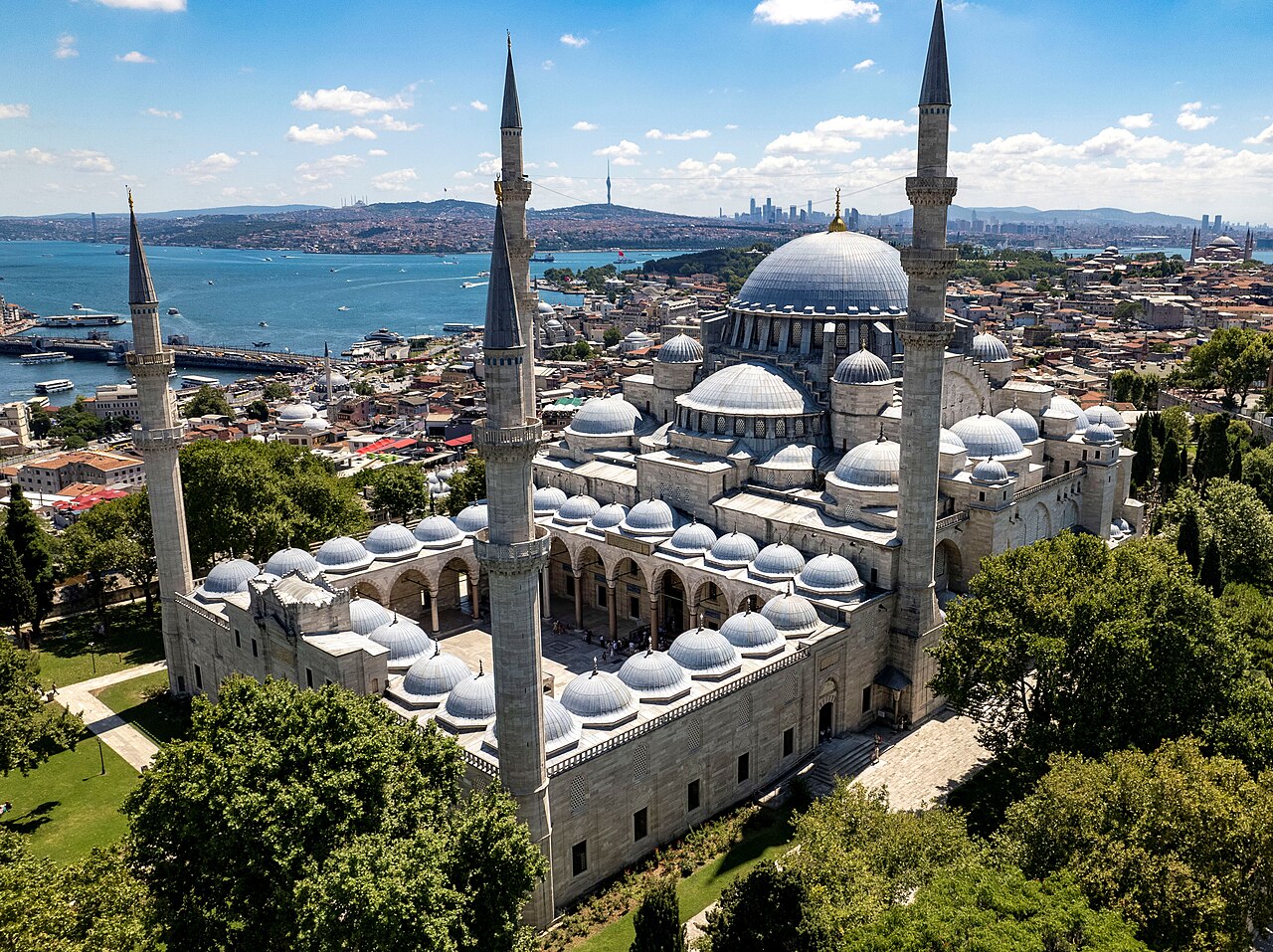 Artifact
Primary source
Süleymaniye Mosque
Mimar Sinan · 1550-1557
 Letter
Primary source
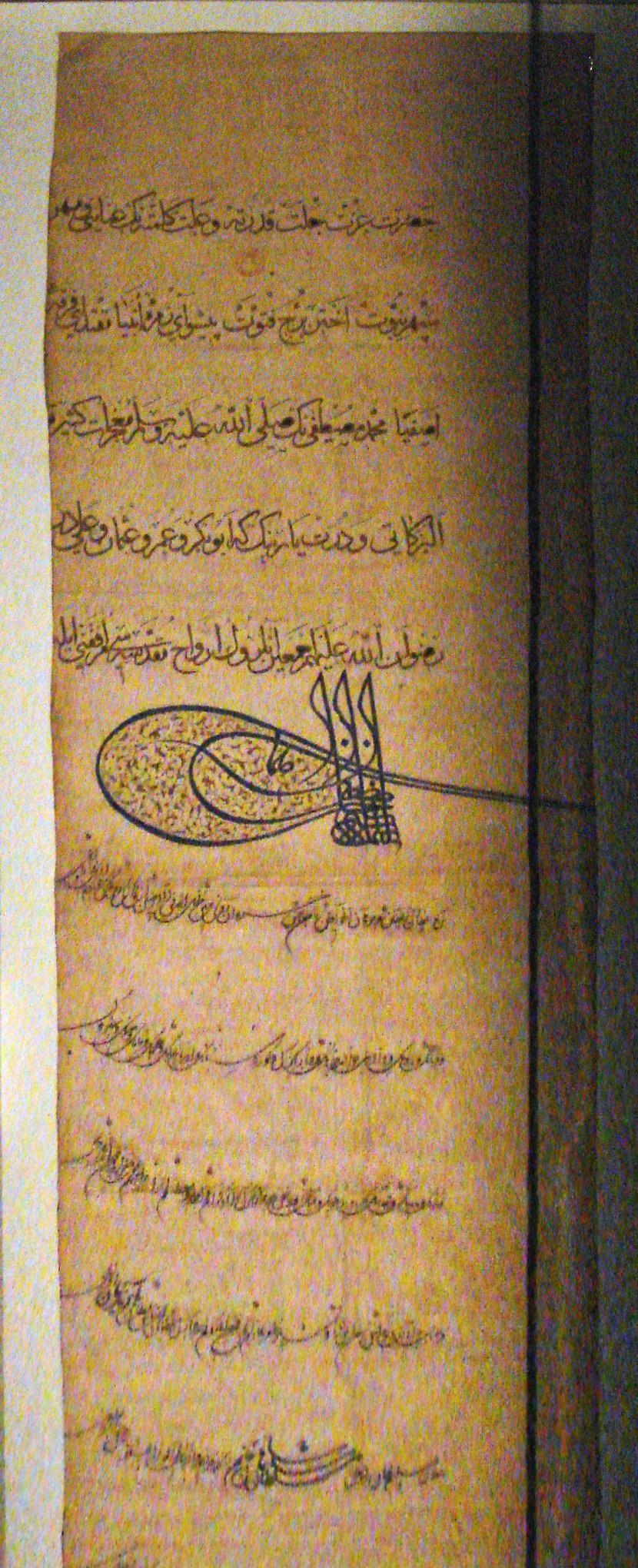
Letter to the King of France
Suleiman the Magnificent · 1526
 Painting
Primary source
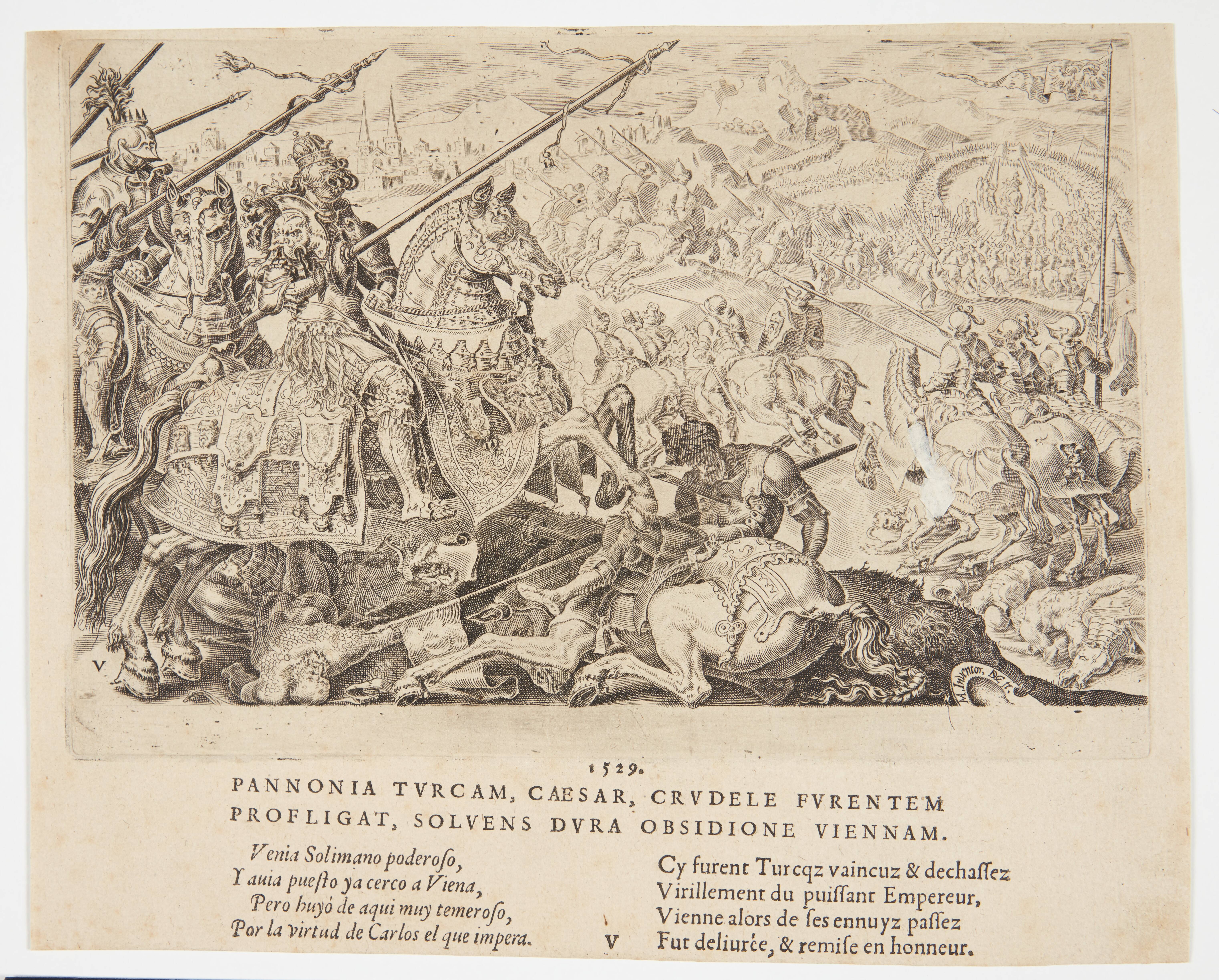
Suleiman the Magnificent Forced to Raise the Siege of Vienna
1555
 Painting
Secondary source
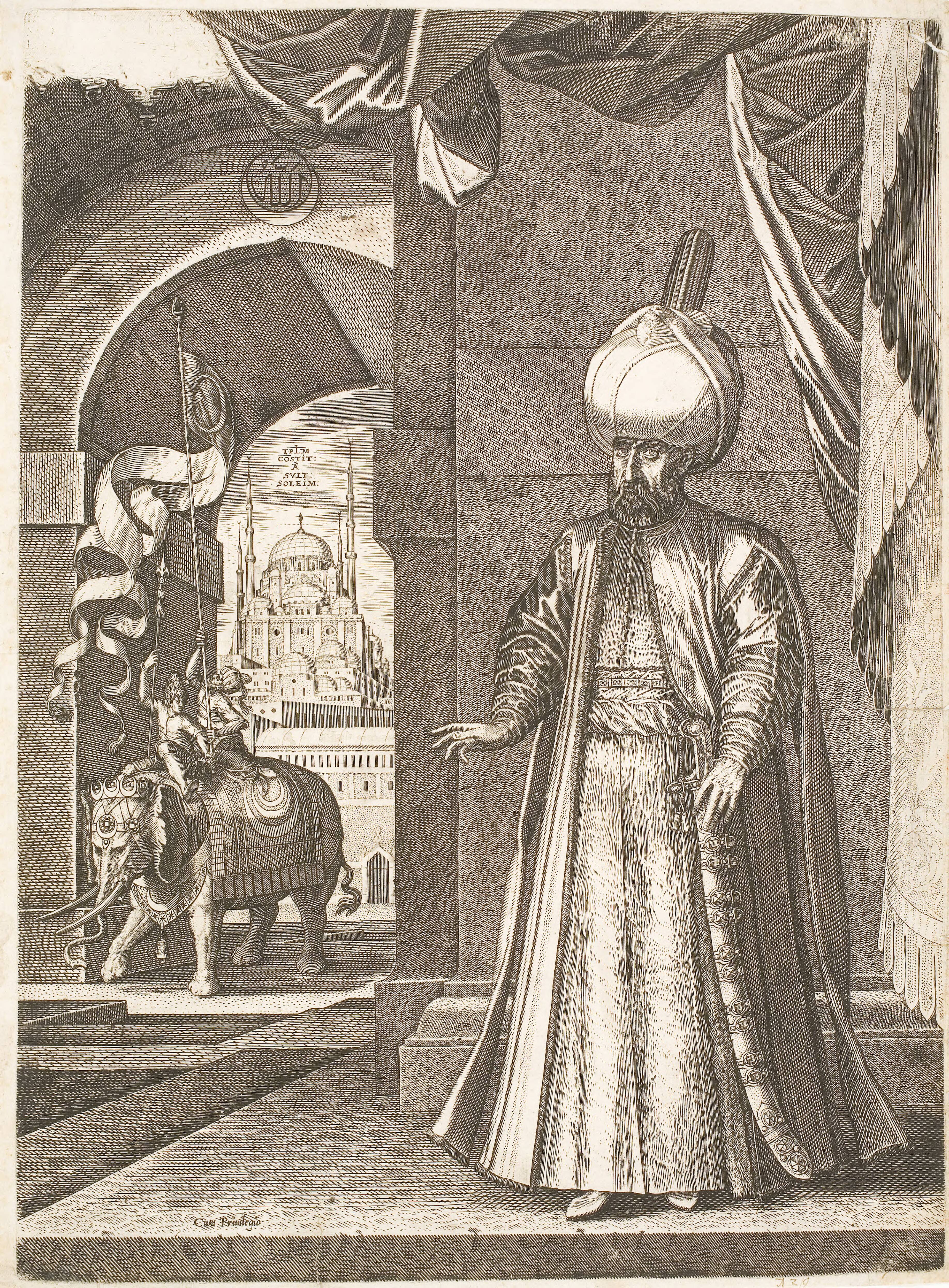
Standing Portrait of Sultan Suleiman the Magnificent
1574
 Artifact
Primary source
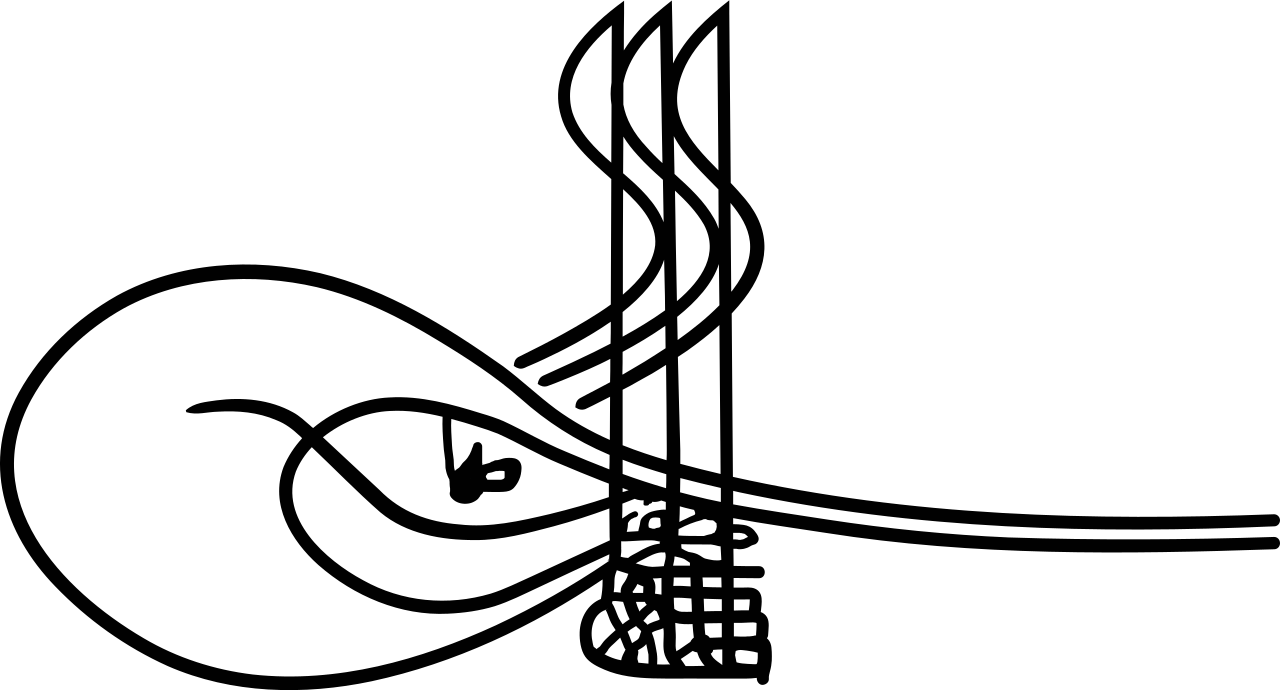
Tughra of Suleiman the Magnificent
Ready when you are
Start chatting with Suleiman the Magnificent now.
20 messages free · No credit card · Available in 50+ languages.