


Primary sourceSculpturec. 50-40 BCE
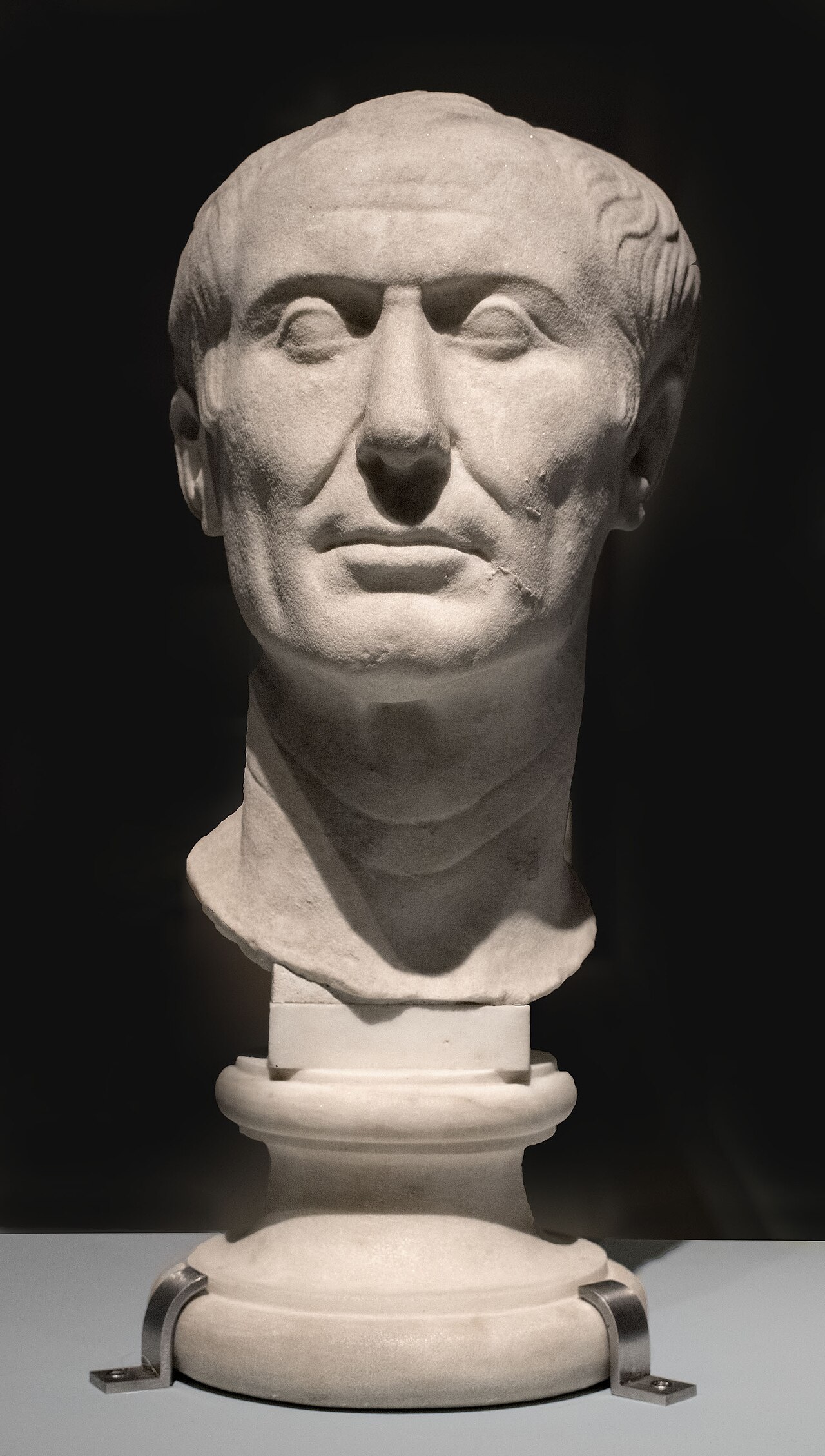
Tusculum portrait
c. 50-40 BCE
A marble bust believed to be the only surviving sculpture of Julius Caesar made during his own lifetime.
This bust is thought to be the only surviving sculpted portrait of Caesar made while he was still alive.
About this source
What it is
This marble bust, dated to around 50-40 BCE, is believed to be the only existing portrait of Julius Caesar carved during his lifetime. It is thought to be a copy of a bronze original and is held in the Museum of Antiquities in Turin, Italy. It was excavated in 1825 and only identified as Caesar in 1940.
Why it matters
Because it may have been made while Caesar was alive, this bust is treated as closer to his real appearance than the many idealized busts made after his death. Its features match those on coins struck shortly before his assassination. Scholars have studied its unusual skull shape and wrinkled neck, features later busts often removed, as signs of how Caesar's image changed over time from general to ruler.
Look closer
- What details in the face look realistic rather than idealized?
- Why might later portraits of Caesar look different from this one?
- Why does it matter whether a portrait was made during someone's life or after their death?
This sculpture is part of the curated material that grounds the AI version of Julius Caesar on Humy.ai — when students ask about related events, the AI can quote it and cite it.
More Julius Caesar sources
Meet the AI Julius Caesar →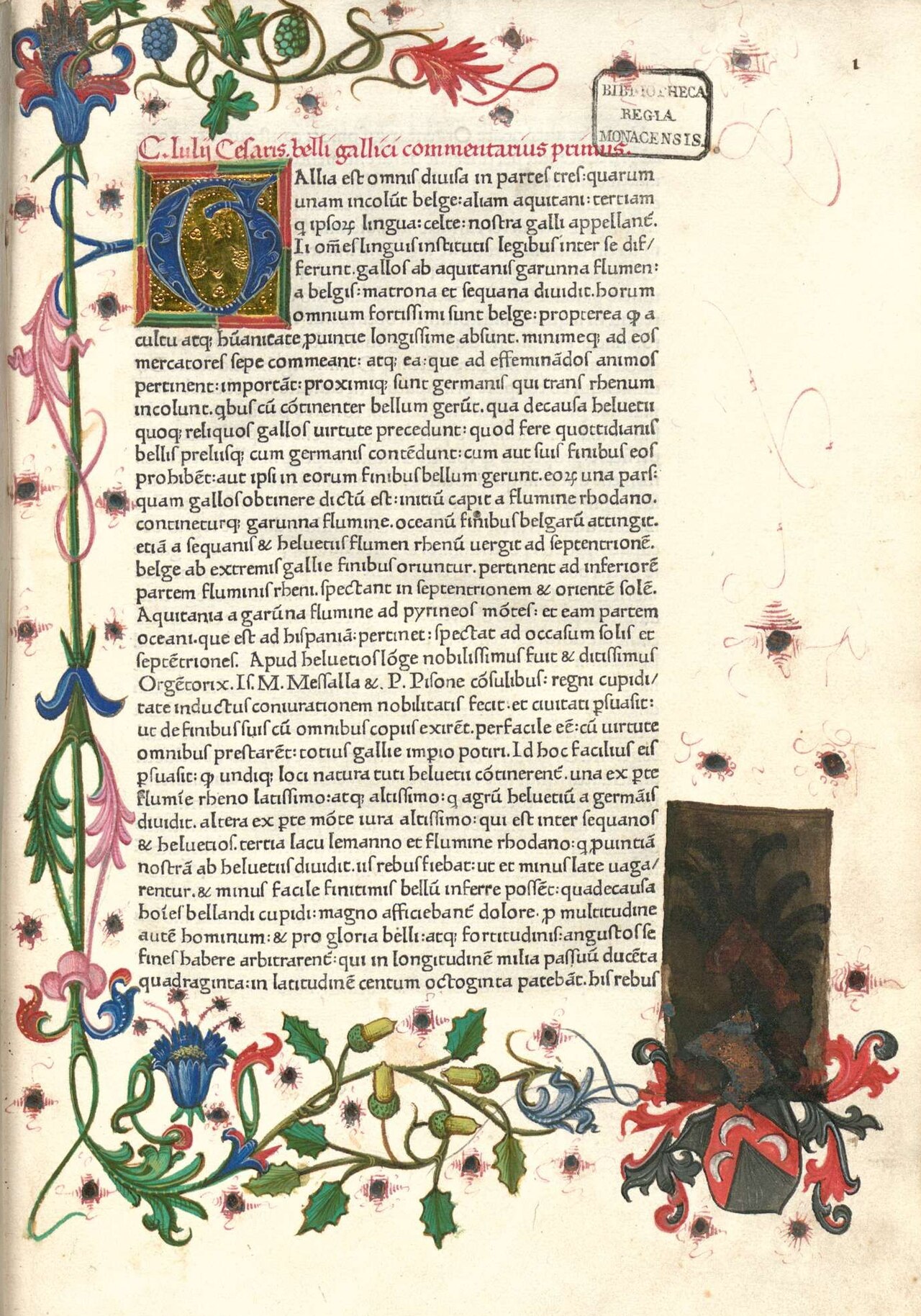 Book
Primary source
Commentarii de Bello Gallico
Julius Caesar · c. 58-50 BCE (this copy 1469)
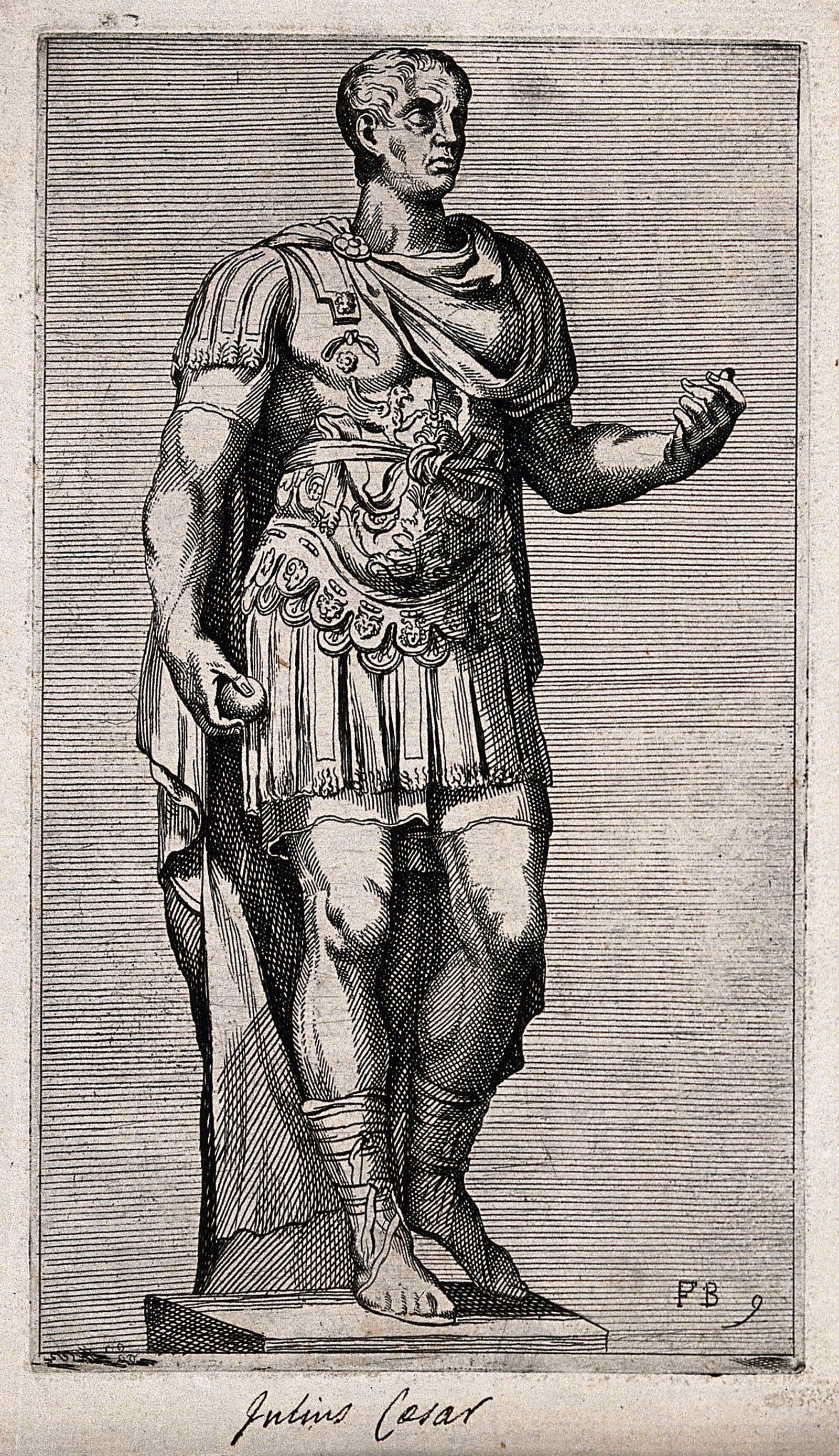 Painting
Secondary source
Etched Portrait of Julius Caesar
F. Perrier
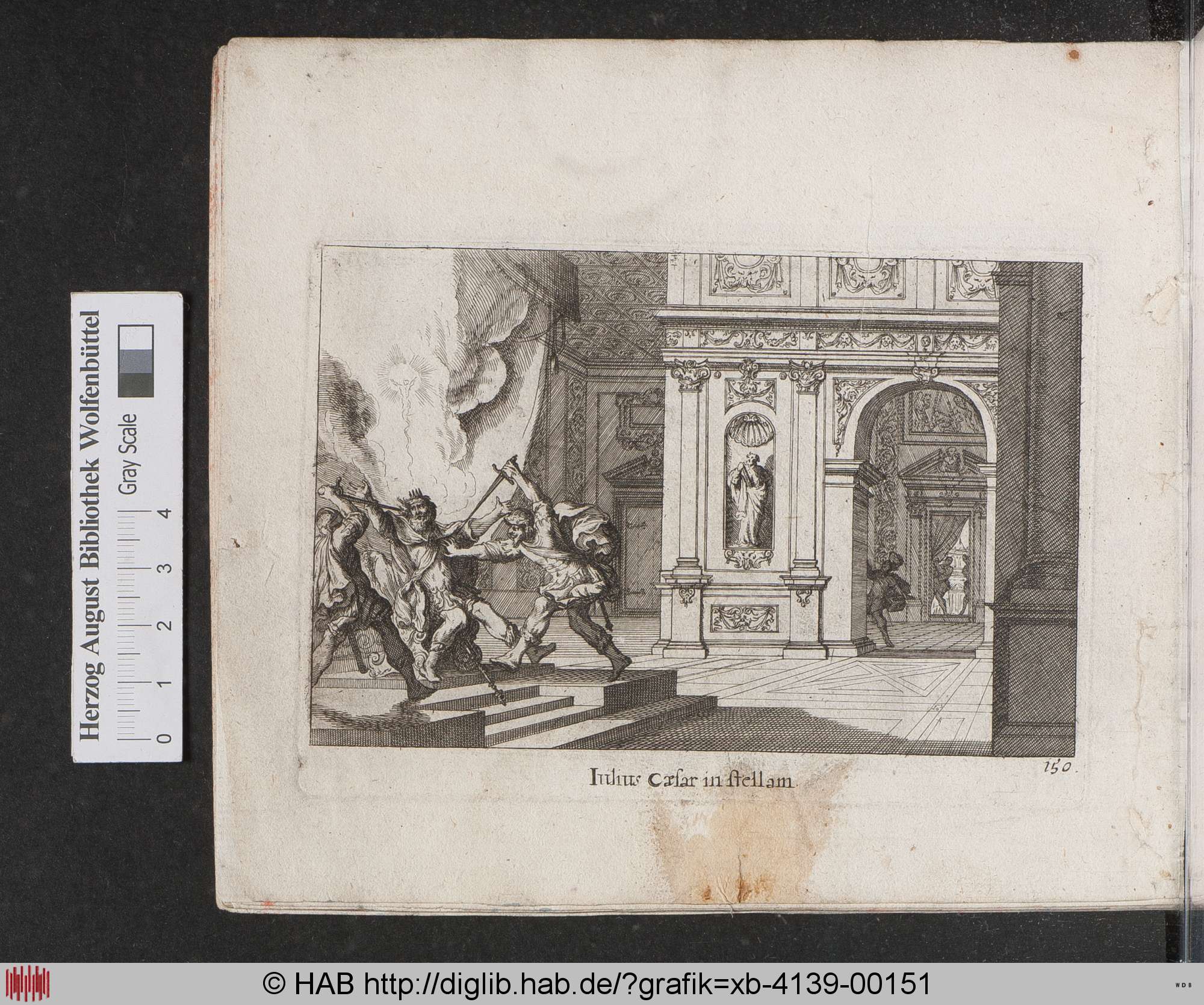 Painting
Secondary source
Murder of Julius Caesar in the Senate
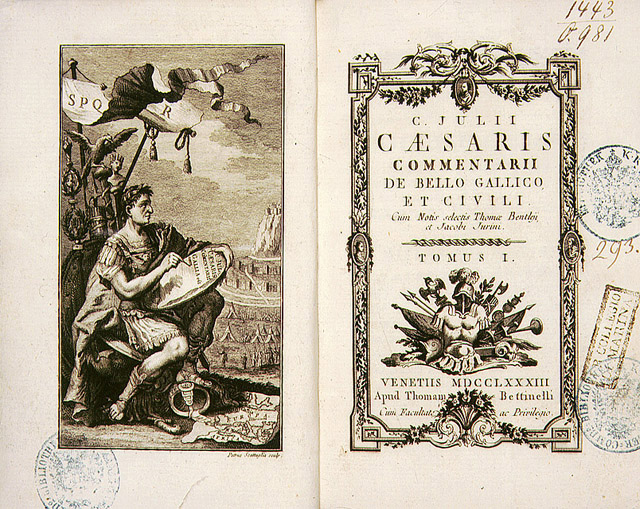 Book
Primary source
Commentarii de Bello Civili
Julius Caesar · 49-48 BCE
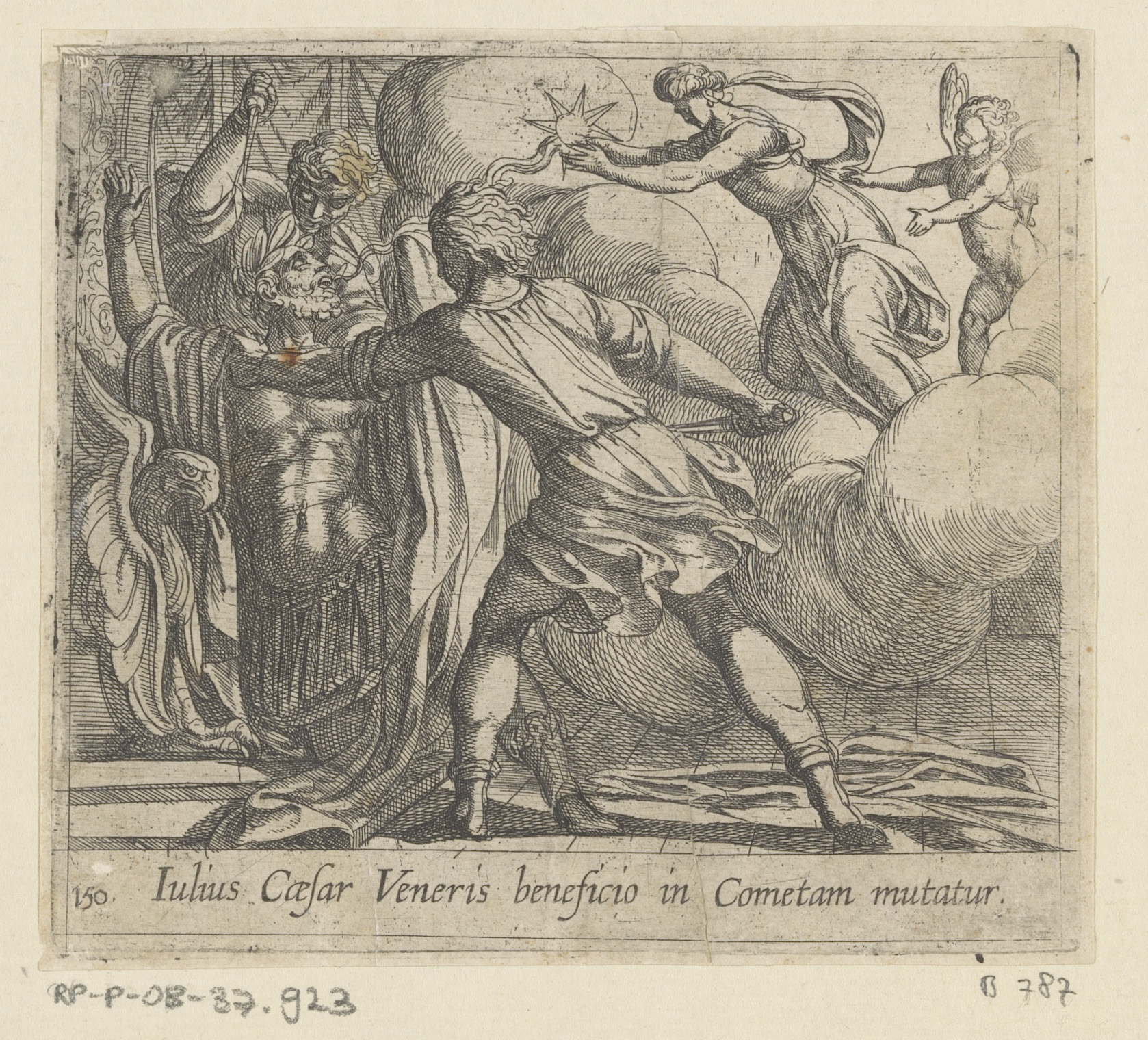 Painting
Secondary source
The Murder of Julius Caesar
1606
Ready when you are
Start chatting with Julius Caesar now.
20 messages free · No credit card · Available in 50+ languages.