


Secondary sourcePaintingc. 1791
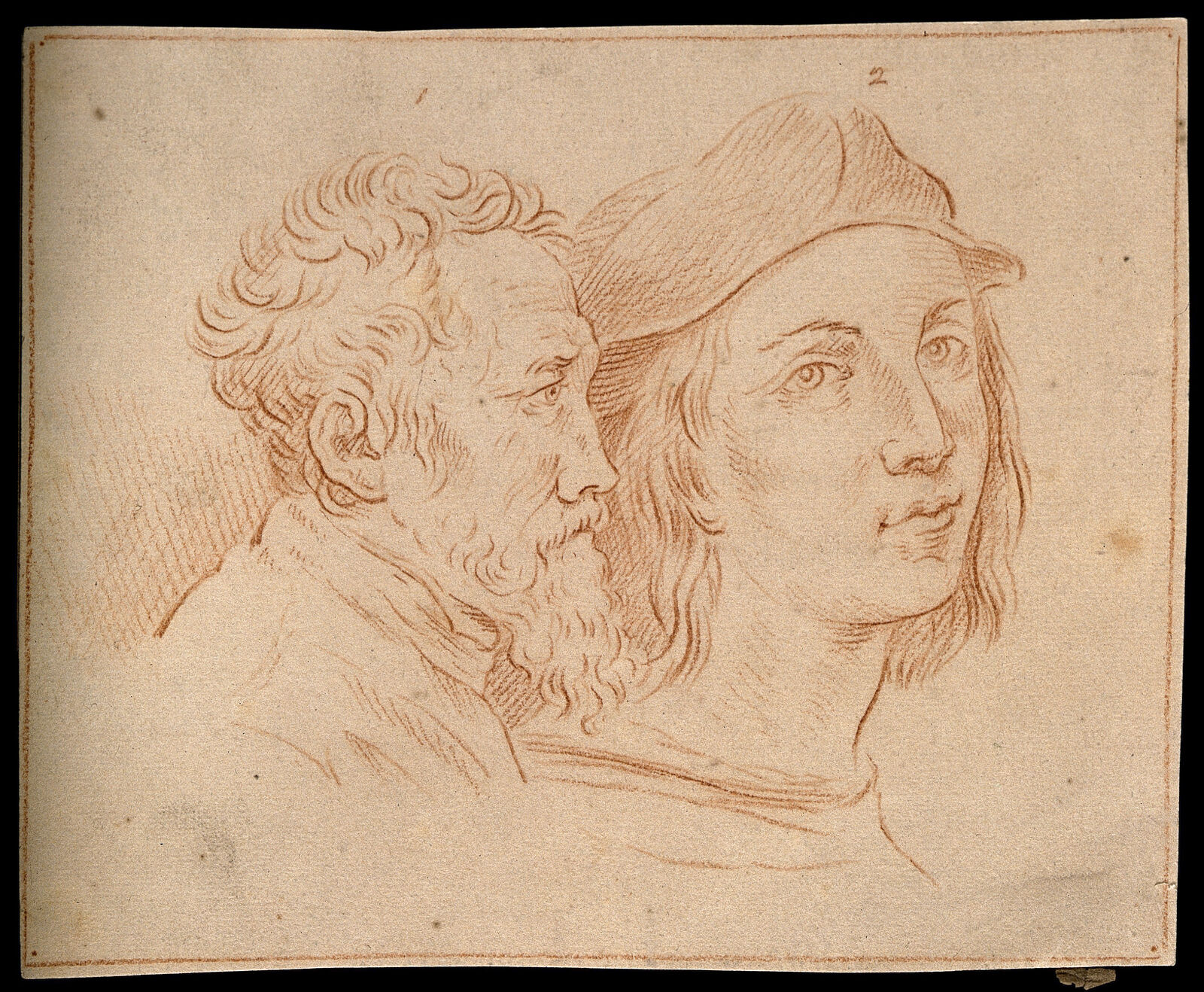
Two Heads: Michelangelo and Raphael
Johann Kaspar Lavater · c. 1791
A pencil drawing pairing imagined profile portraits of Michelangelo and Raphael, made by the Swiss physiognomist Johann Kaspar Lavater to illustrate his theories about facial character and genius.
An 18th-century imagined portrait of Michelangelo used to illustrate ideas about genius and facial character, long after his death.
About this source
What it is
This is a red-chalk drawing on cream paper by Johann Kaspar Lavater, made around 1791. It shows two male heads side by side: an older bearded man labelled as Michelangelo, and a younger man in a cap labelled as Raphael. It is held today by the Wellcome Collection in London.
Why it matters
Lavater was a pioneer of physiognomy, the idea that a person's face reveals their character. He used imagined portraits of famous artists like Michelangelo and Raphael to argue that genius could be read in facial features. The drawing tells us more about how later generations idealised Renaissance masters than about what Michelangelo actually looked like.
Look closer
- Does this drawing look like it was made from life, or from imagination?
- Why might an 18th-century writer want to connect a person's face to their talent?
- What does this source tell us about Michelangelo's reputation centuries after his death?
This painting is part of the curated material that grounds the AI version of Michelangelo Buonarroti on Humy.ai — when students ask about related events, the AI can quote it and cite it.
More Michelangelo Buonarroti sources
Meet the AI Michelangelo Buonarroti →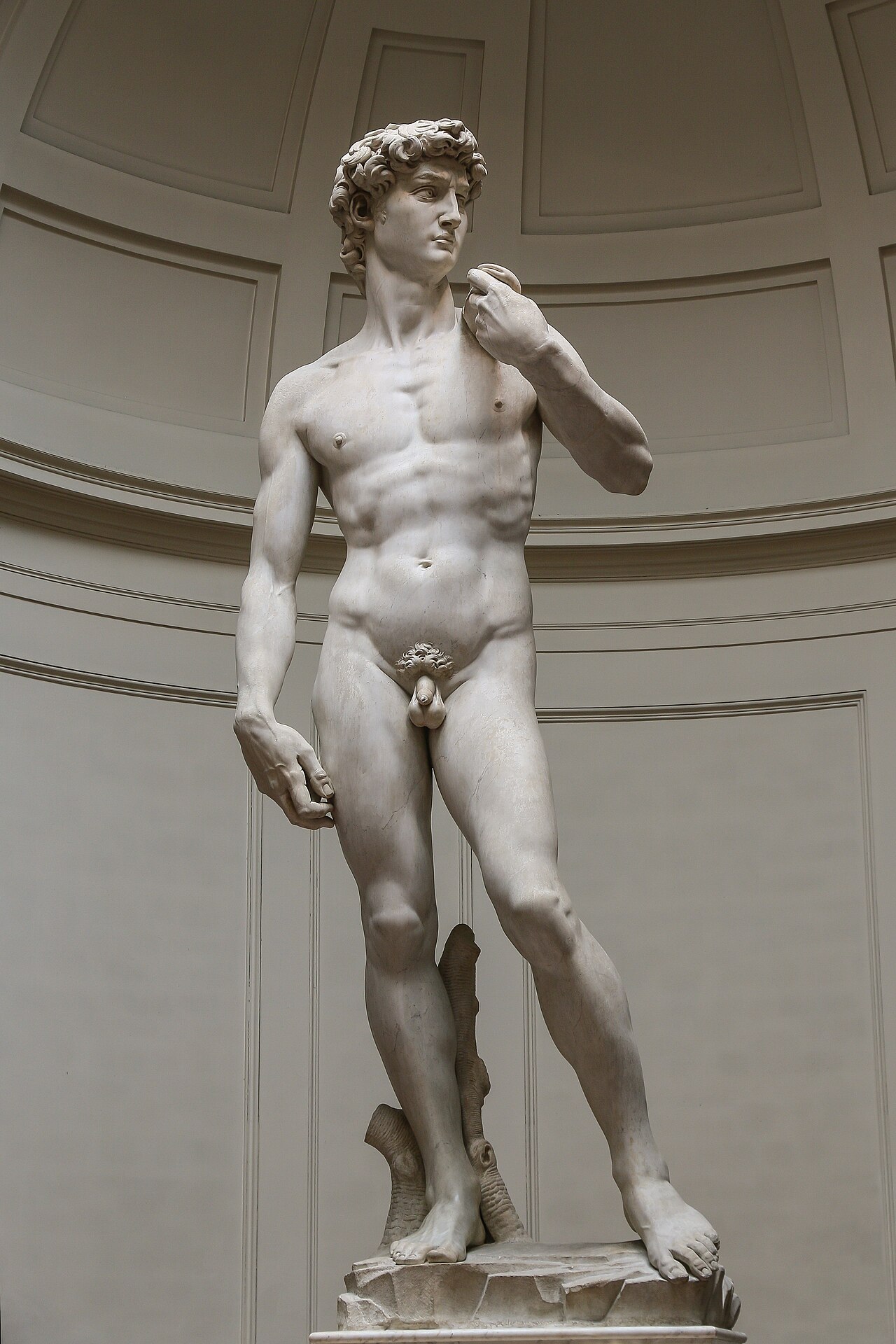 Sculpture
Primary source
David
Michelangelo · 1501-1504
 Artifact
Primary source
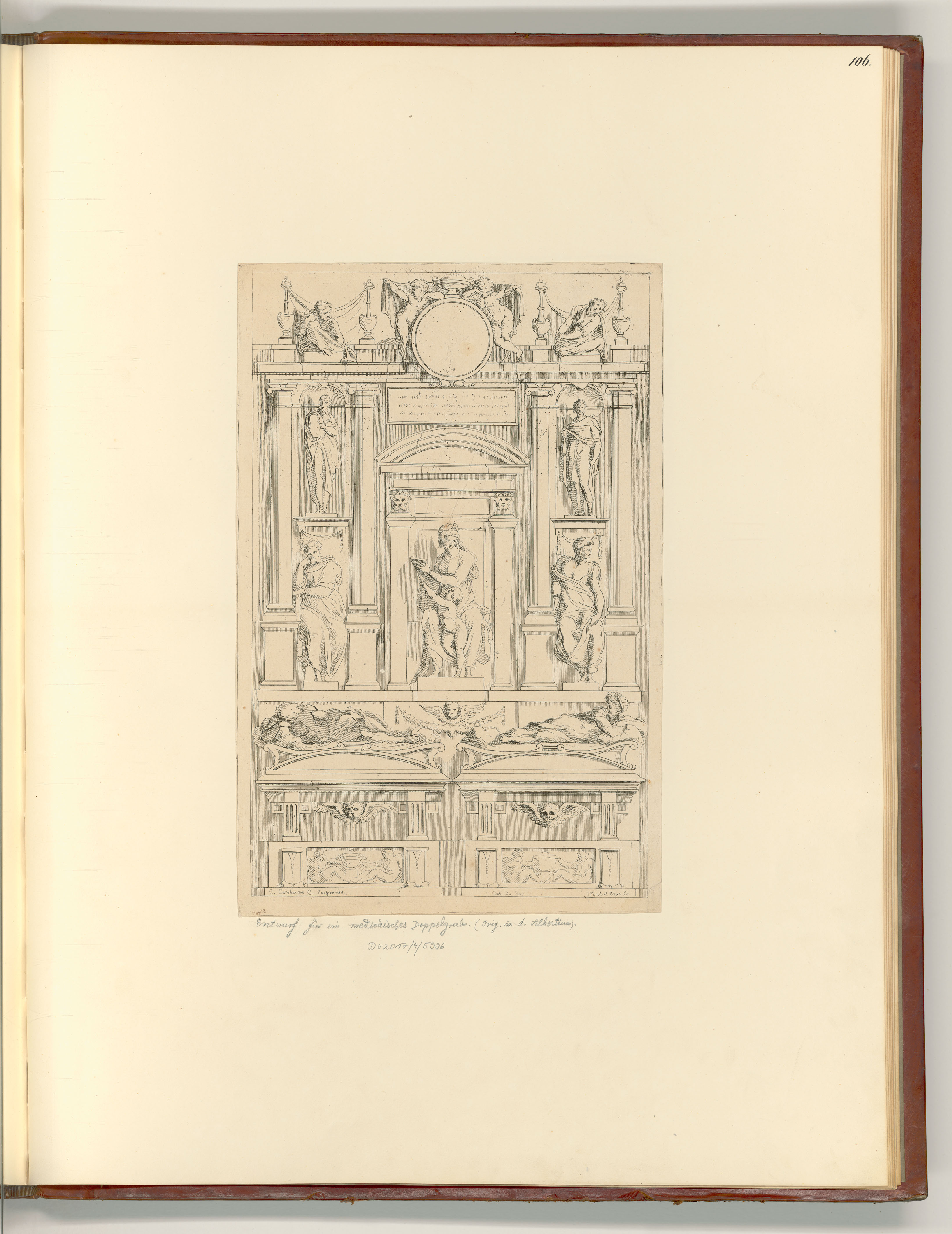
Elevation of a Planned Double Tomb for the Magnifici, Medici Chapel
unbestimmt
 Painting
Primary source
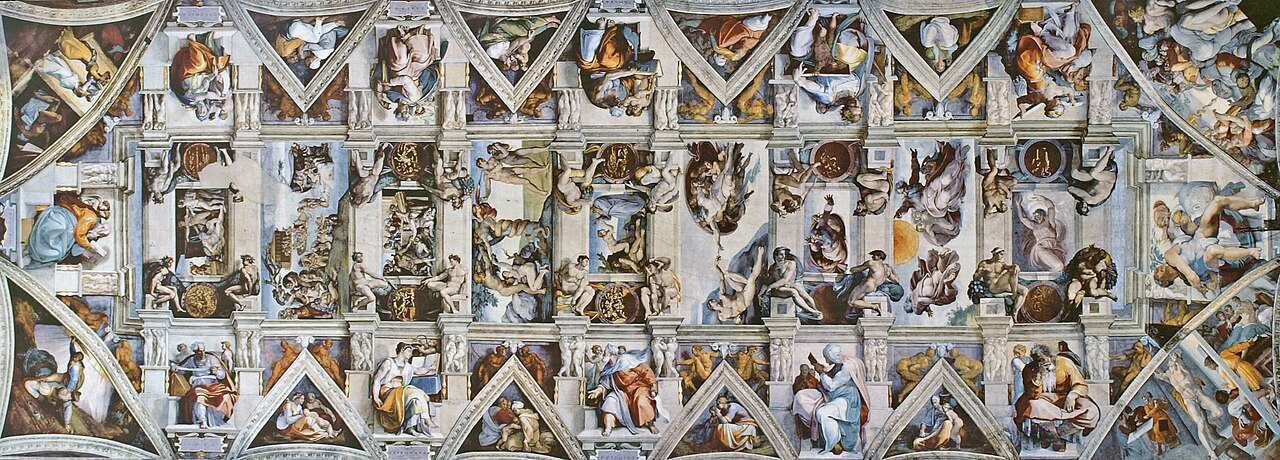
Sistine Chapel ceiling
Michelangelo · 1508-1512
 Painting
Secondary source
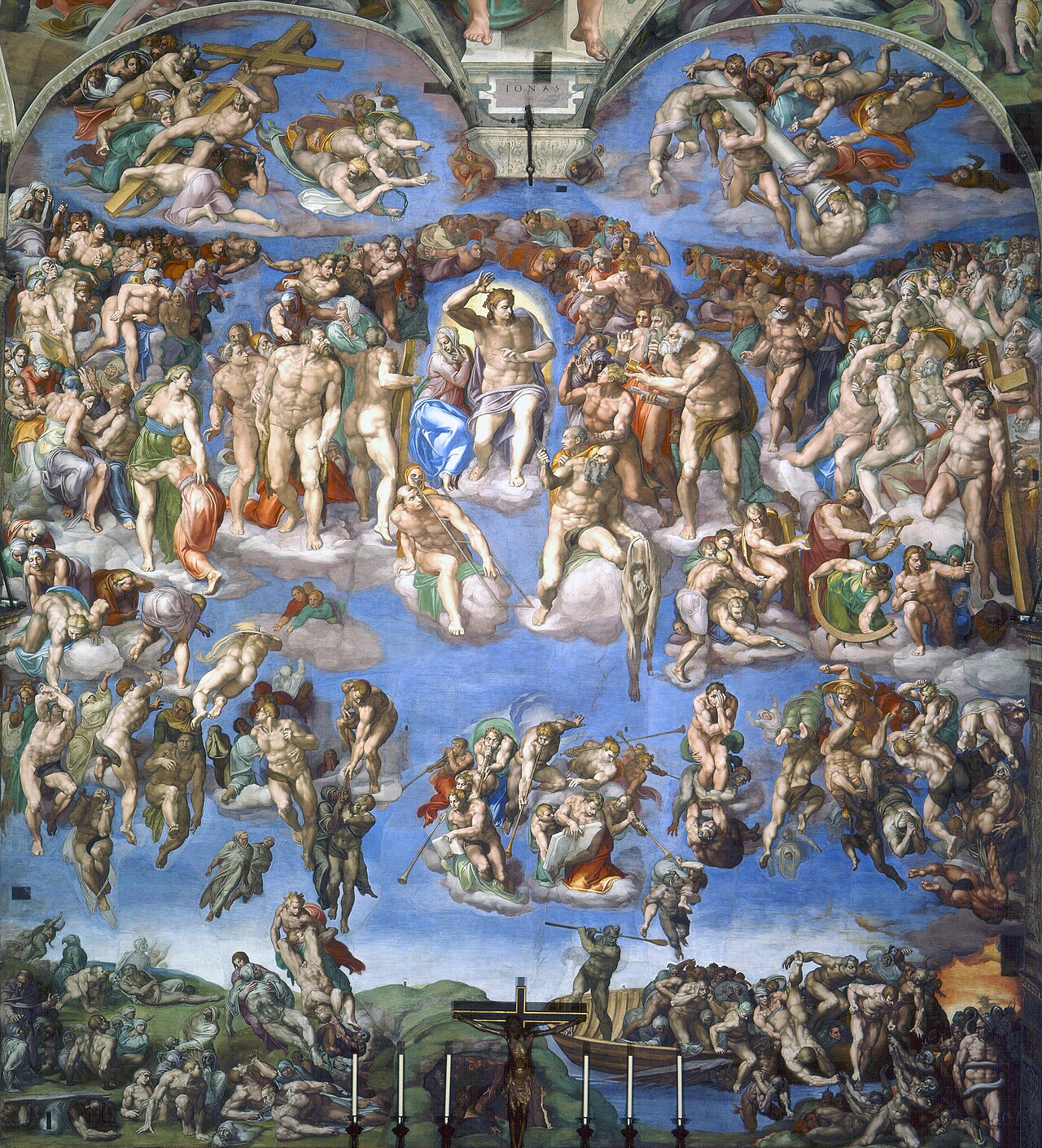
The Last Judgment
Michelangelo · 1536-1541
 Photograph
Secondary source
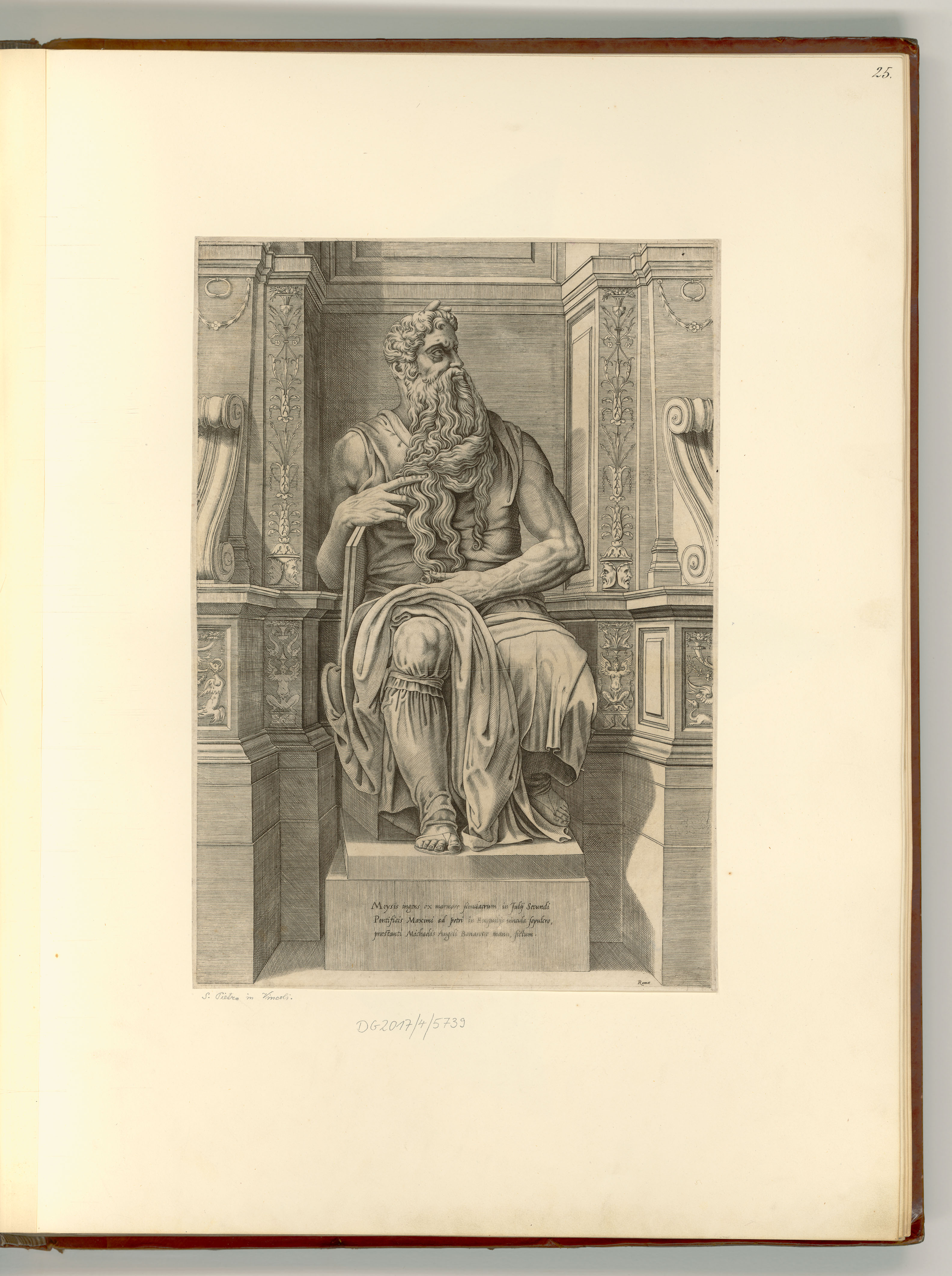
Statue of Moses by Michelangelo, San Pietro in Vincoli
unbestimmt
Ready when you are
Start chatting with Michelangelo Buonarroti now.
20 messages free · No credit card · Available in 50+ languages.