


Secondary sourcePhotograph1839-1939 (slide); the sculptures date to 25-24 BC and 13-9 BC
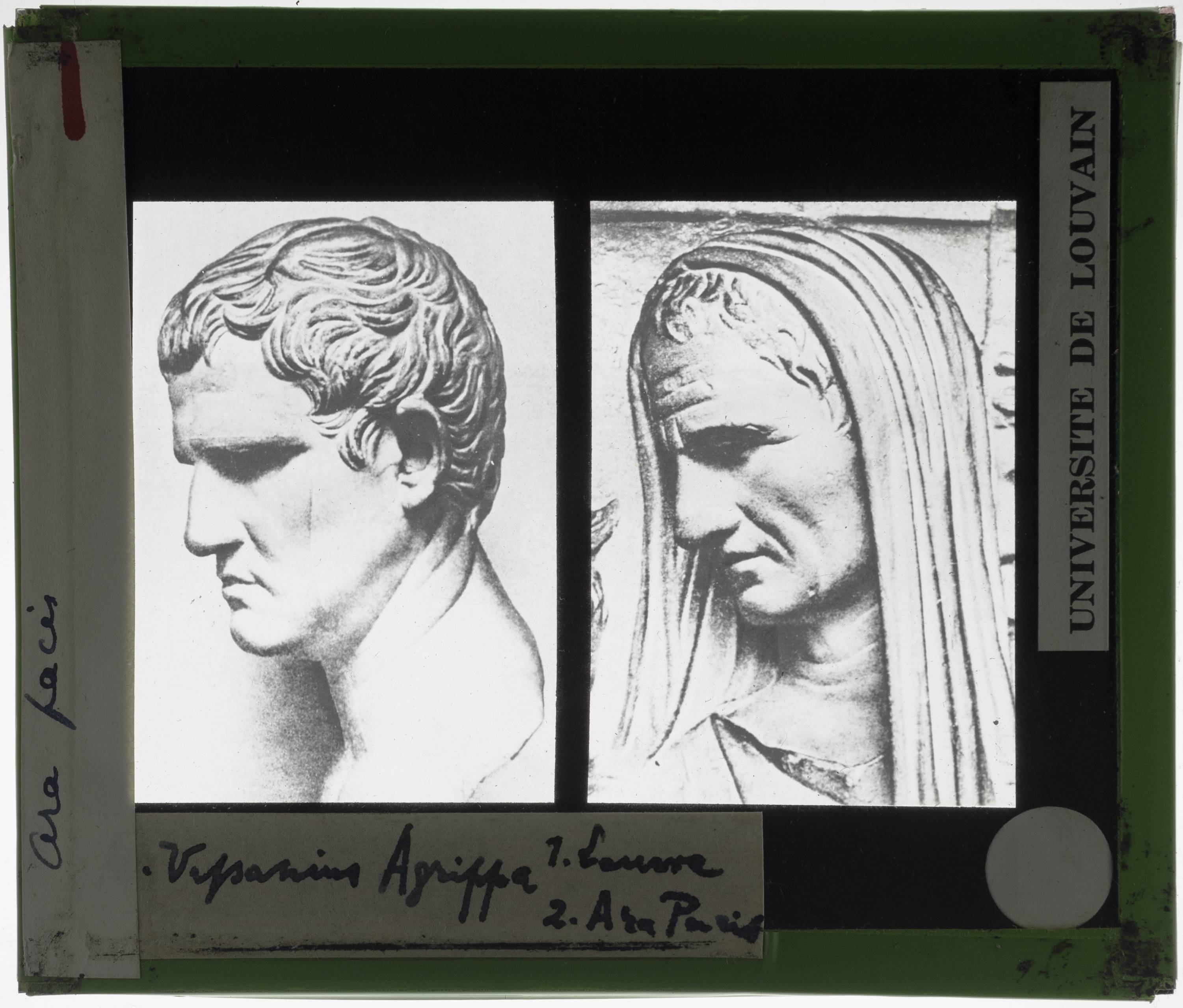
Two performances of Agrippa, Campo Marzio lantern slide
1839-1939 (slide); the sculptures date to 25-24 BC and 13-9 BC
A glass lantern slide from the Leuven art history collection showing two photographs of Roman marble sculptures, labeled as Agrippa. The title is misleading, according to the curator.
This slide uses sculptures linked to Agrippa's building years in Rome, but its label is misleading and it shows a teaching use of his name.
About this source
What it is
This is a lantern slide in a green glass frame. It holds two black-and-white photographs of Roman marble sculpture. At left is a bust profile of a man with curled hair. At right is a close view of a veiled head with a draped hood. A handwritten label reads Vipsanius Agrippa, 1. Louvre, 2. Ara Pacis. The catalogue record dates the sculptures to 25-24 BC and 13-9 BC and places them in the Campus Martius. The works are now in the Louvre and the Ara Pacis Museum in Rome. The slide was made between 1839 and 1939 by an unknown photographer for teaching at the Catholic University of Leuven.
Why it matters
The slide shows how art history teachers used photographs to present ancient sculpture to students. The label links the images to Agrippa, but the curator says the title is misleading, so the slide should be read as a teaching aid rather than a direct record of Agrippa.
Look closer
- What details in each photograph would help you tell a portrait from a monument?
- Why might a teacher label two different sculptures with one person's name?
- What would you need to check to confirm which sculptures show Agrippa?
This photograph is part of the curated material that grounds the AI version of Marcus Vipsanius Agrippa on Humy.ai — when students ask about related events, the AI can quote it and cite it.
More Marcus Vipsanius Agrippa sources
Browse all 97 → Document
Secondary source
CIL VI, 896 (Pantheon Dedication Inscription)
126 (copying text of 27 BC)
 Sculpture
Primary source
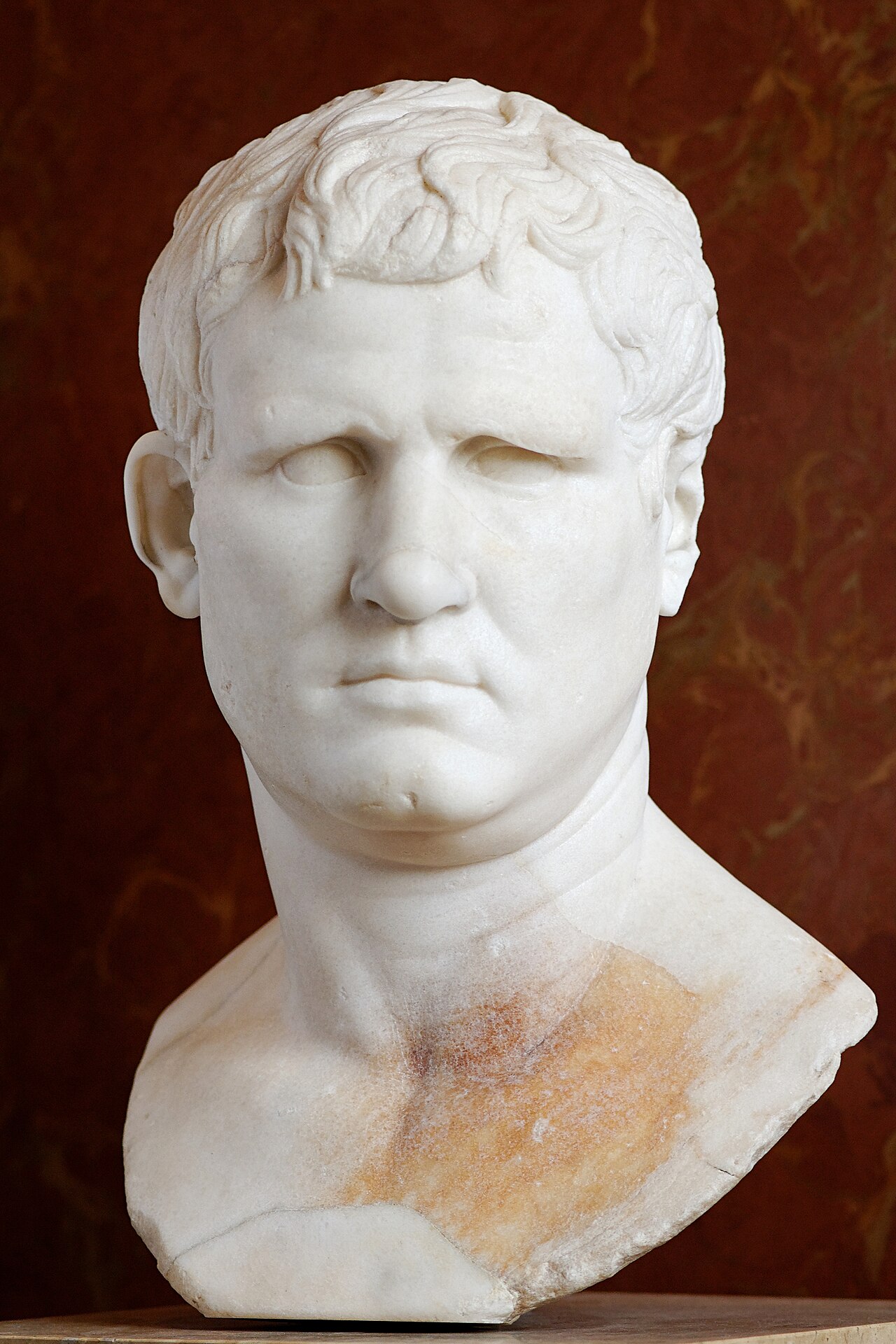
Portrait of Marcus Vipsanius Agrippa (Gabii type)
c. 25–24 BC
 Artifact
Primary source
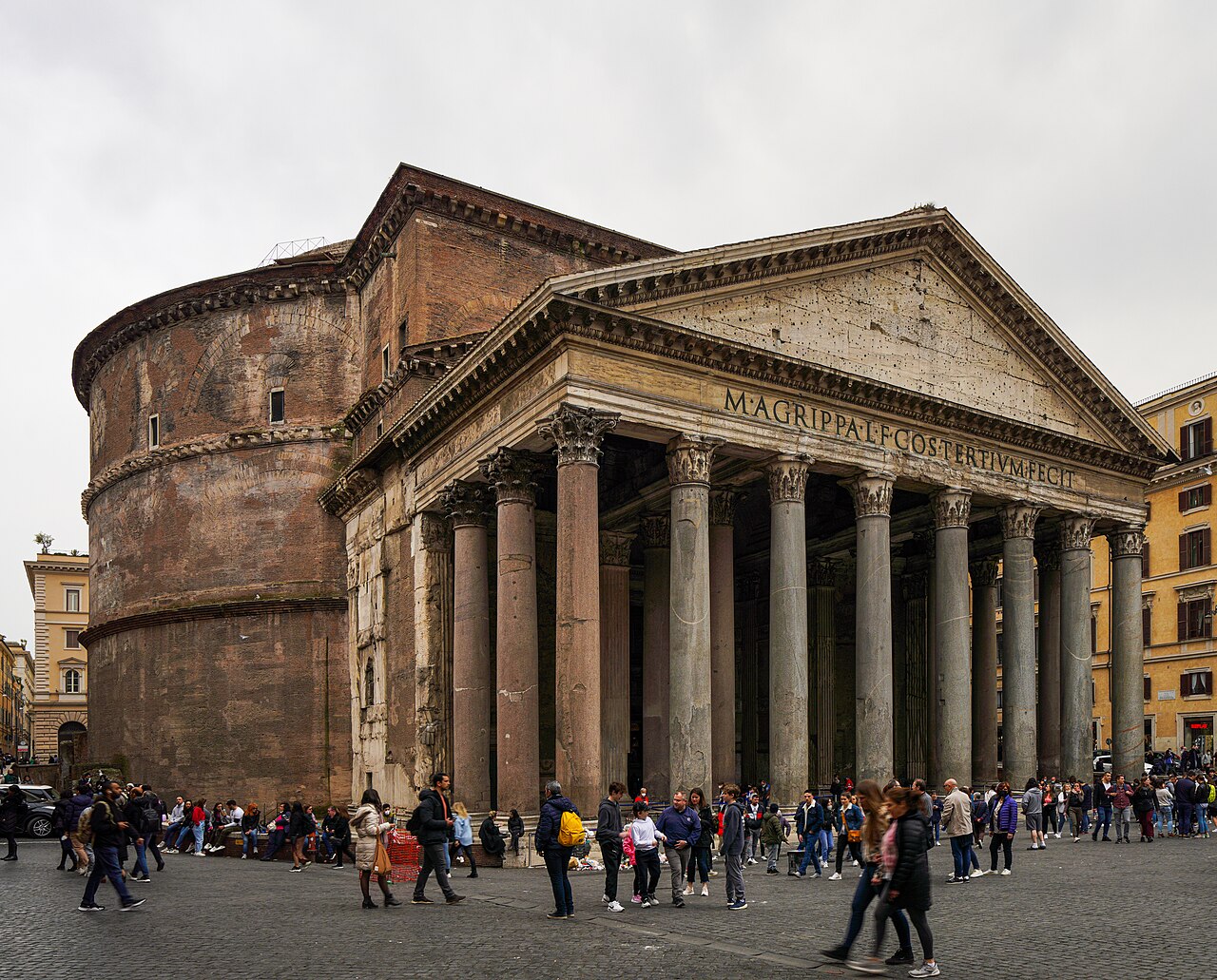
Pantheon
Hadrian · c. AD 126-128
 Document
Primary source
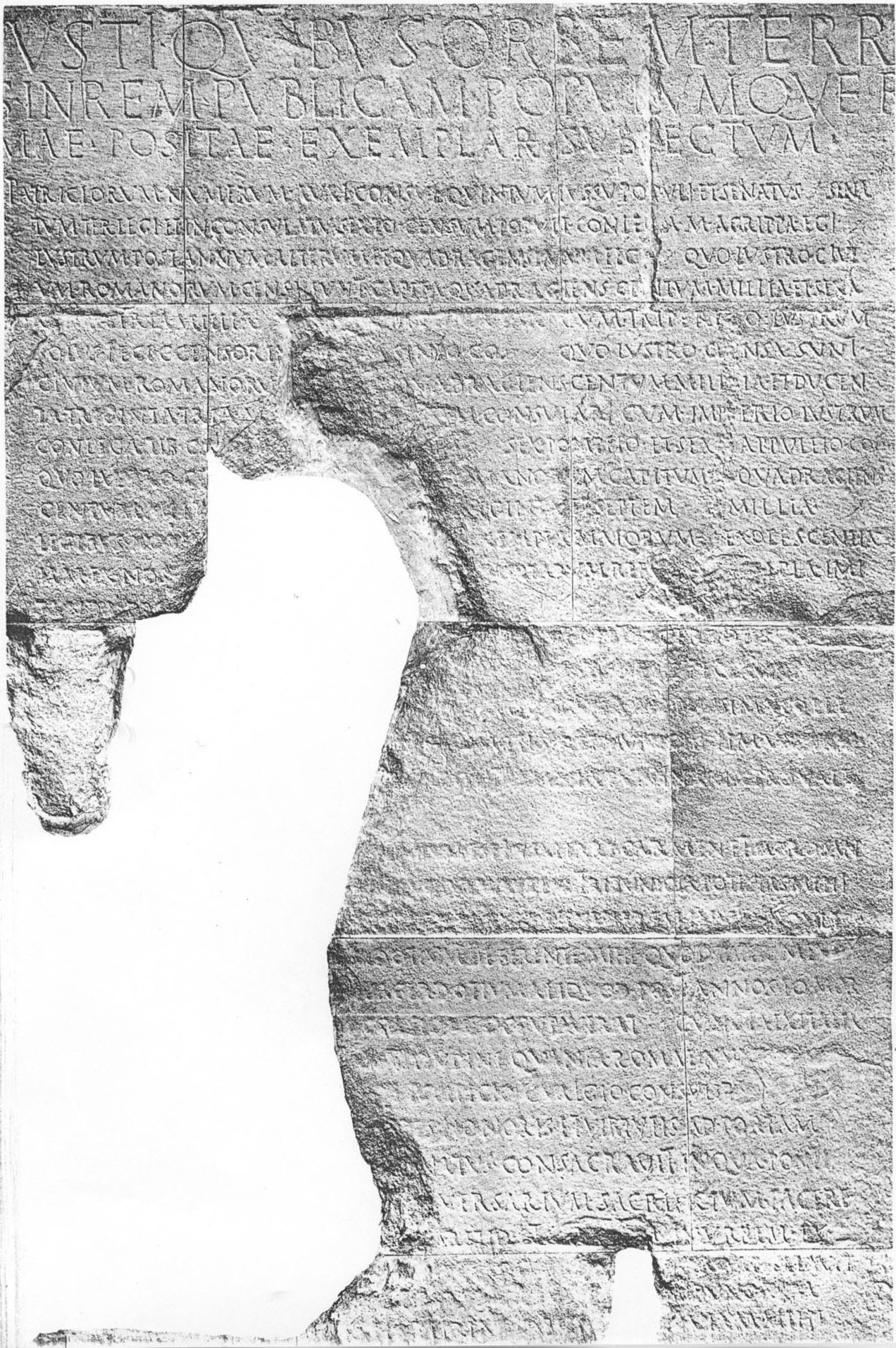
Res Gestae Divi Augusti
Augustus · 14 AD

Free account
Read every Marcus Vipsanius Agrippa source
Sign up free →
Ready when you are
Start chatting with Marcus Vipsanius Agrippa now.
20 messages free · No credit card · Available in 50+ languages.