


Primary sourceSculpturec. 1882
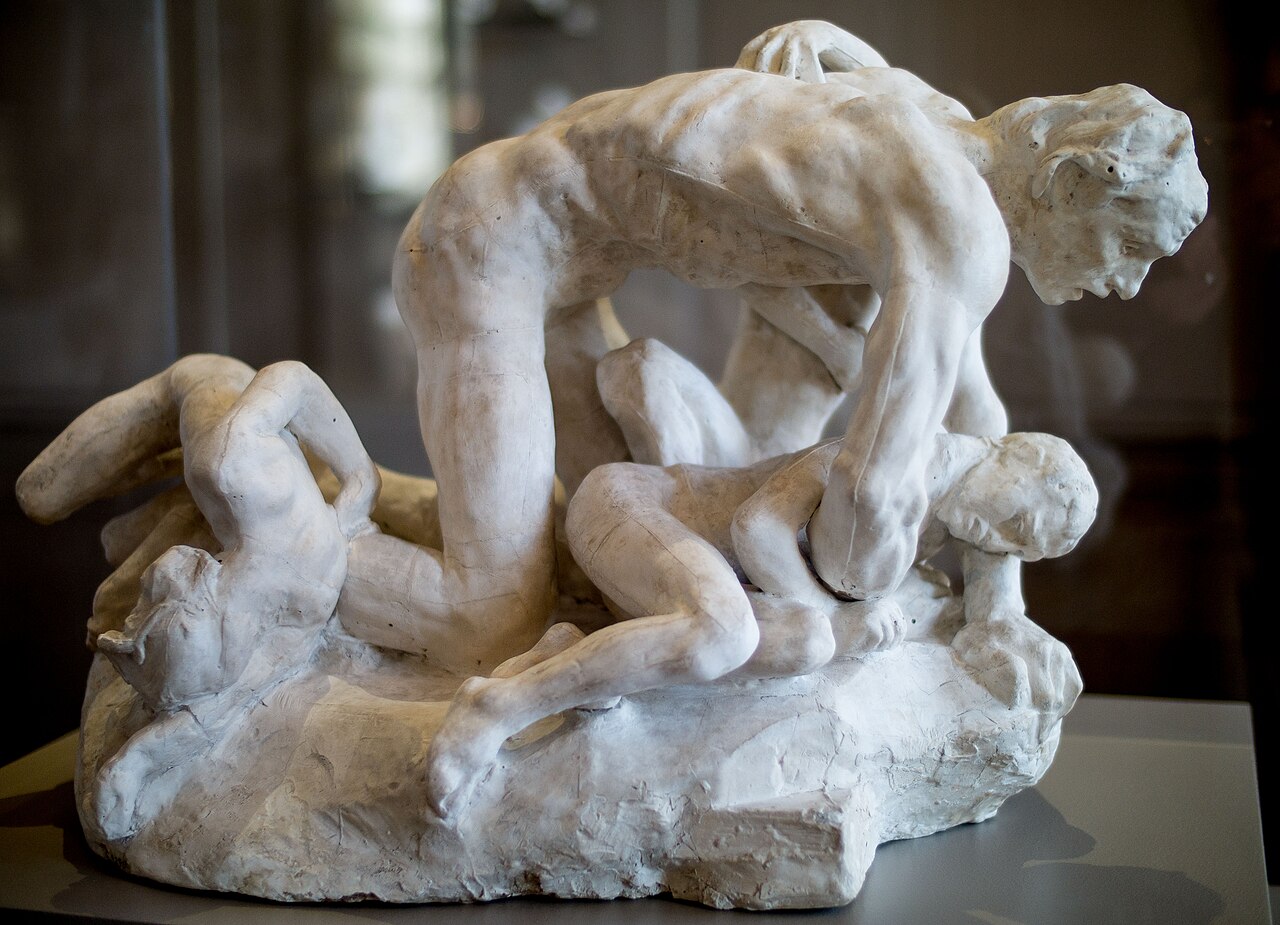
Ugolino and His Sons
Auguste Rodin · c. 1882
A plaster sculpture by Auguste Rodin depicting the starving Count Ugolino from Dante's Divine Comedy, part of his Gates of Hell project.
A sculpture by Rodin, part of his lifelong work on the Gates of Hell, showing his dramatic interpretation of Dante's story.
About this source
What it is
This plaster sculpture by Auguste Rodin depicts Ugolino della Gherardesca, a 13th-century Pisan aristocrat, together with his sons. It was created as part of The Gates of Hell and later exhibited independently in several European cities. A bronze cast was placed in the gardens of the Musée Rodin after the artist's death.
Why it matters
Ugolino's story, told by Dante Alighieri in the Divine Comedy, describes a man imprisoned with his children who starved to death, and whose sons begged him to eat them. Rodin's horizontal, desperate pose differs from the earlier vertical version by sculptor Jean-Baptiste Carpeaux, showing Rodin's effort to create his own distinct, dramatic interpretation of the same legend.
Look closer
- Why might Rodin have chosen a horizontal pose instead of the vertical one used by Carpeaux?
- What does the arrangement of the figures suggest about suffering and desperation?
- Why do you think Rodin placed this scene within his larger Gates of Hell, where it cannot be seen from a single viewpoint?
This sculpture is part of the curated material that grounds the AI version of Auguste Rodin on Humy.ai — when students ask about related events, the AI can quote it and cite it.
More Auguste Rodin sources
Browse all 98 →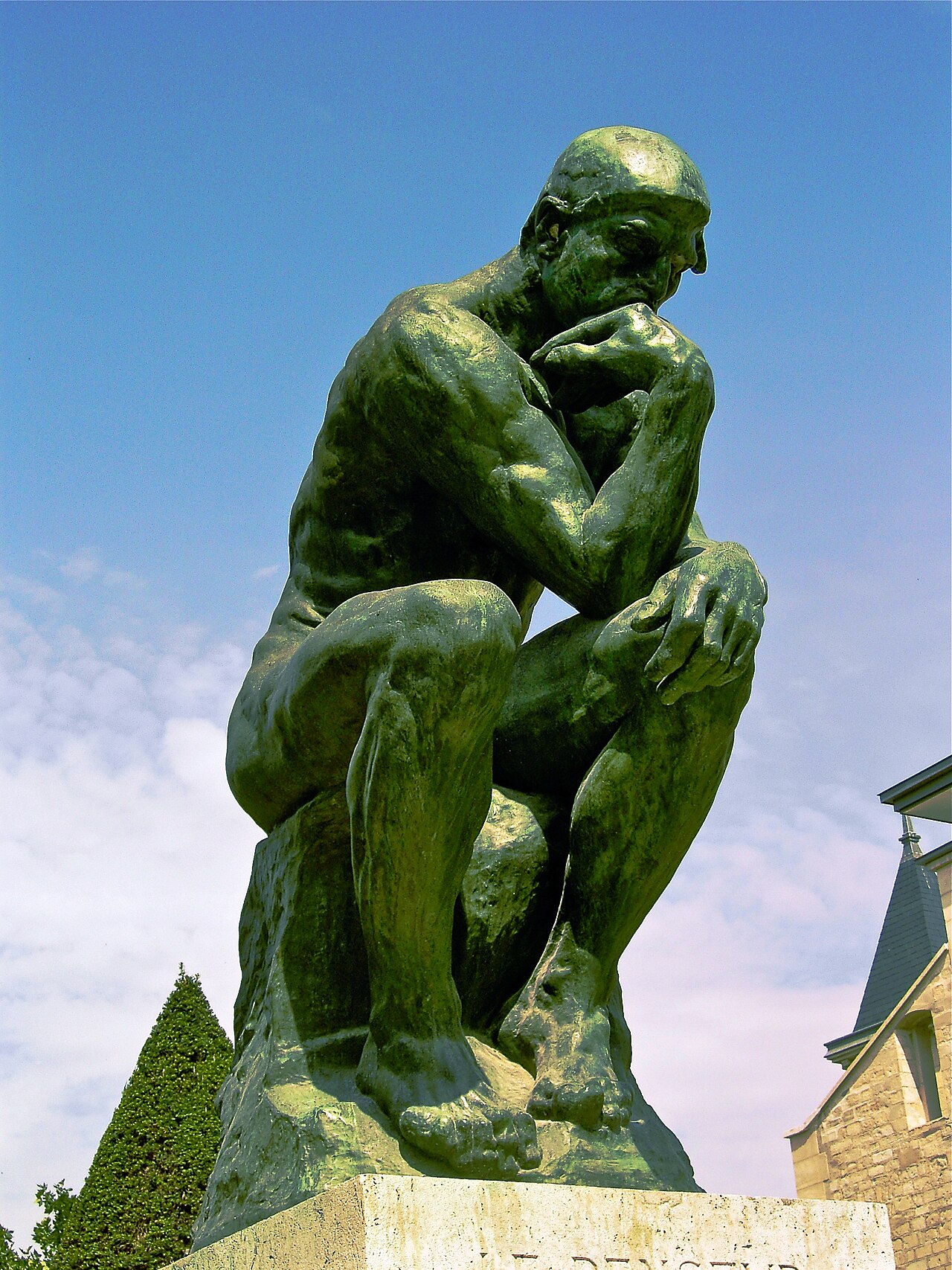 Sculpture
Secondary source
The Thinker
Auguste Rodin · 1882
 Sculpture
Primary source
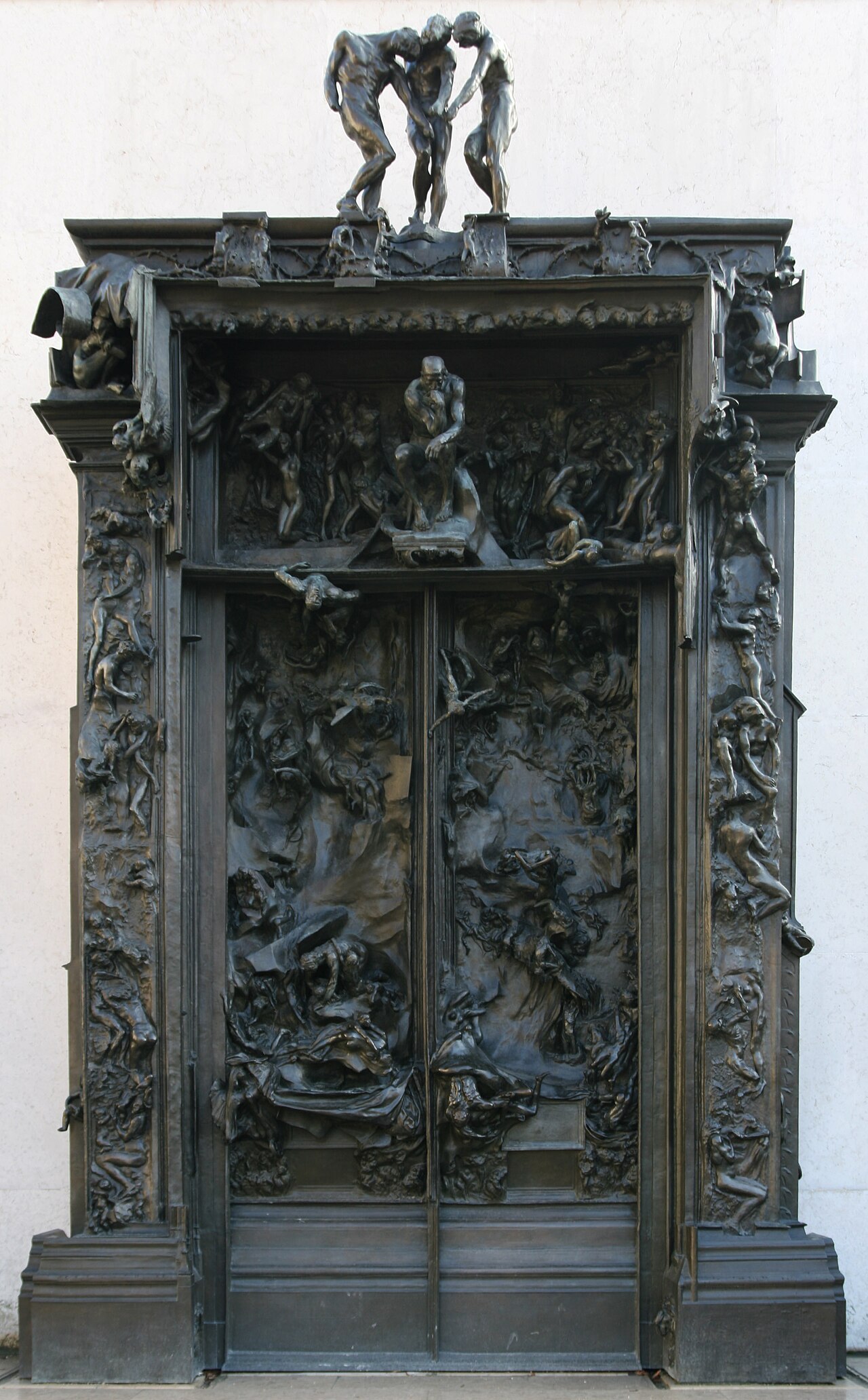
The Gates of Hell
Auguste Rodin · 1880-1917
 Sculpture
Primary source
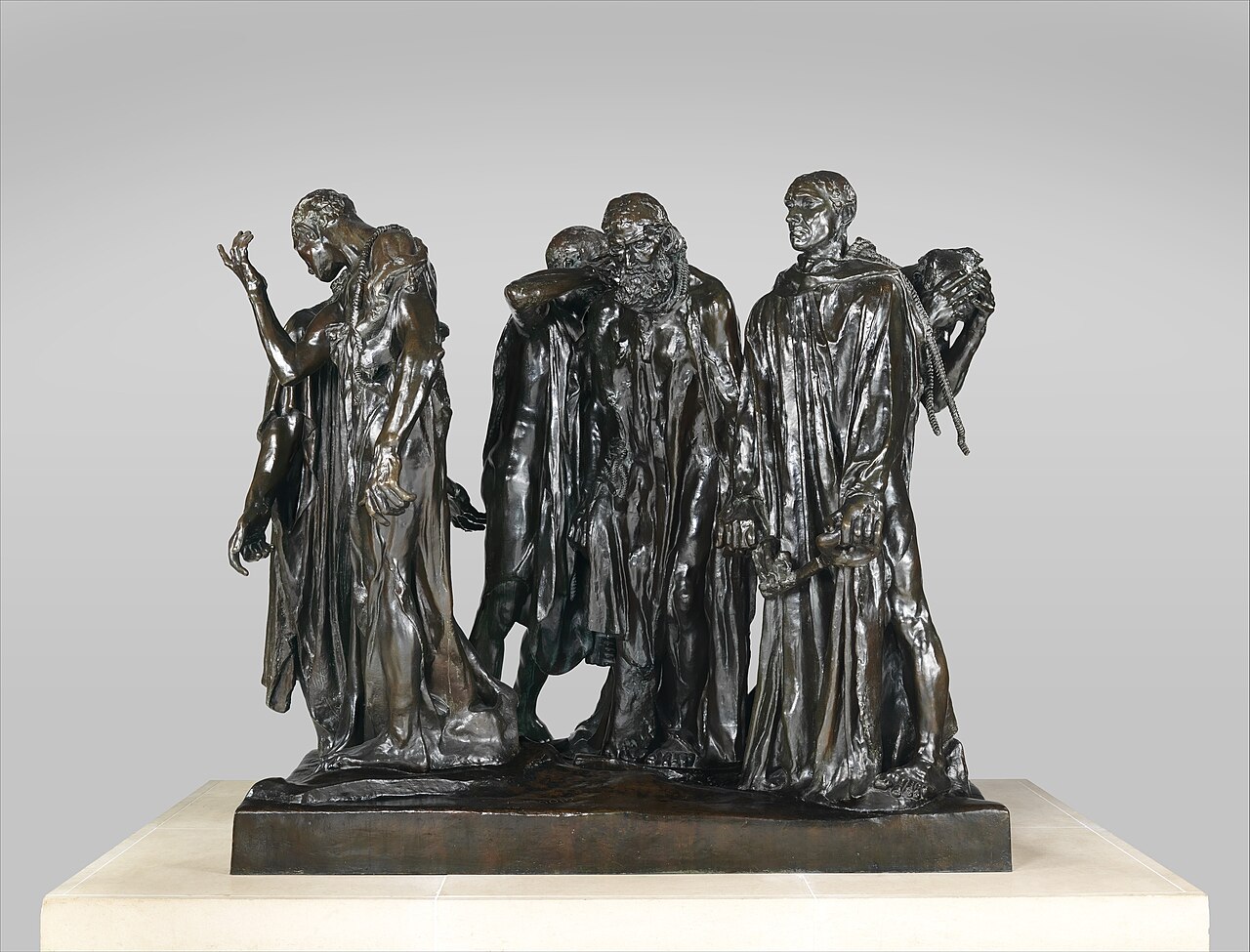
The Burghers of Calais
Auguste Rodin · 1884-1889
 Sculpture
Primary source
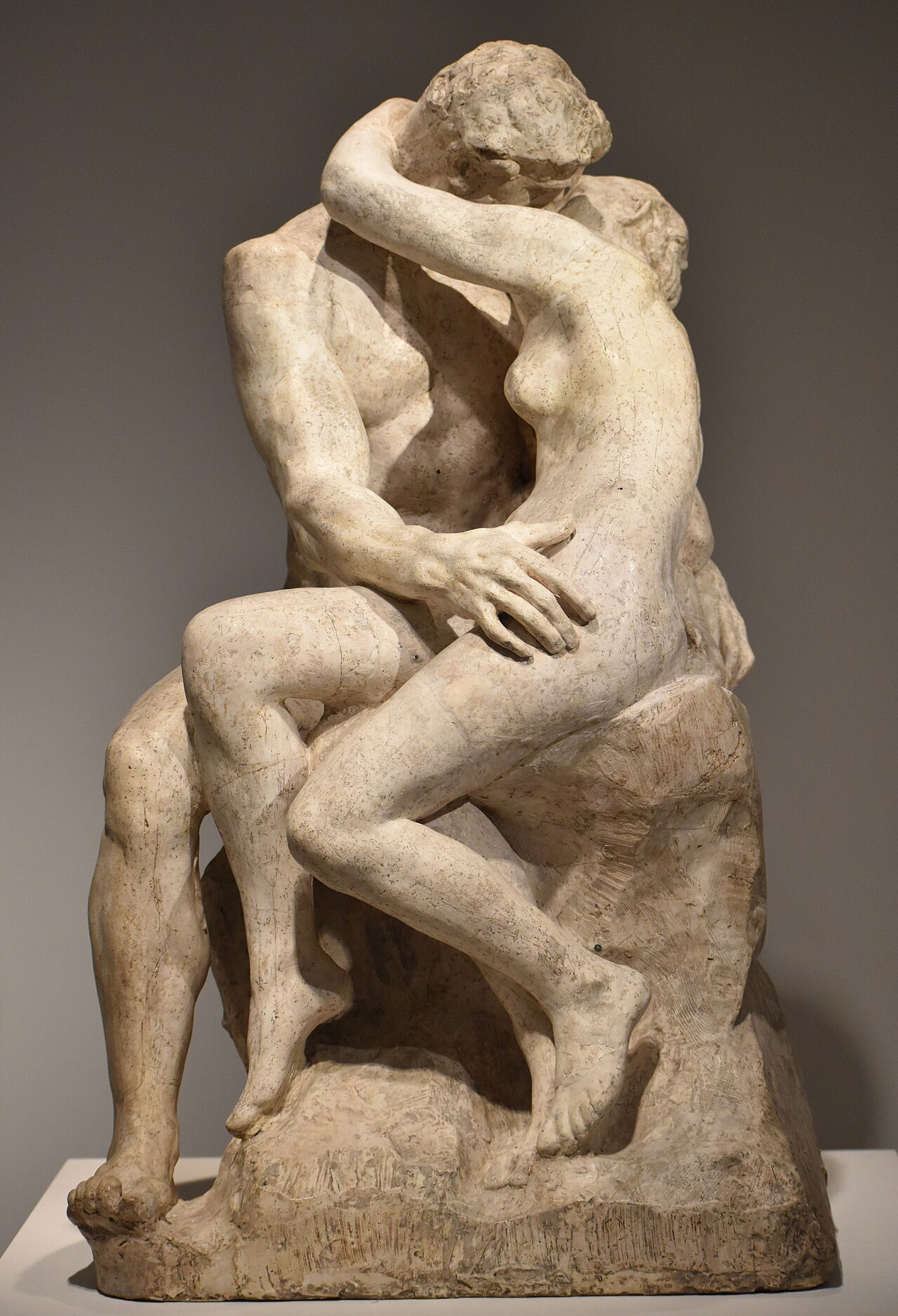
The Kiss
Auguste Rodin · 1882
Free account
Read every Auguste Rodin source
Sign up free →
Ready when you are
Start chatting with Auguste Rodin now.
20 messages free · No credit card · Available in 50+ languages.