


Primary sourceBook1822
Ultimo canto di Saffo
Giacomo Leopardi · 1822
Leopardi's 1822 poem giving voice to the ancient poet Sappho's anguish over her unbeautiful body, echoing Leopardi's own feelings about his physical condition.
This poem is read as a personal projection of Leopardi's own suffering over his physical deformity, voiced through Sappho.
Free Humy account · No credit card · 120,288 sources to read
About this source
What it is
This is the text of Ultimo canto di Saffo, a poem written by Giacomo Leopardi in 1822, imagining the final thoughts of the ancient Greek poet Sappho before her death.
Why it matters
Through Sappho's monologue, Leopardi expresses the suffering of a noble, sensitive soul trapped in a body considered unattractive, widely read as a projection of his own feelings about his physical condition and deformity. The poem shows how Leopardi used figures from classical antiquity as masks to explore deeply personal pain and philosophical despair.
Look closer
- Why might Leopardi have chosen Sappho, rather than writing directly about himself, to express this pain?
- What contrast does the poem draw between natural beauty and Sappho's own feelings about herself?
- What does this poem suggest about how poets use historical or mythical figures to express personal experience?
This book is part of the curated material that grounds the AI version of Giacomo Leopardi on Humy.ai — when students ask about related events, the AI can quote it and cite it.
More Giacomo Leopardi sources
Browse all 92 →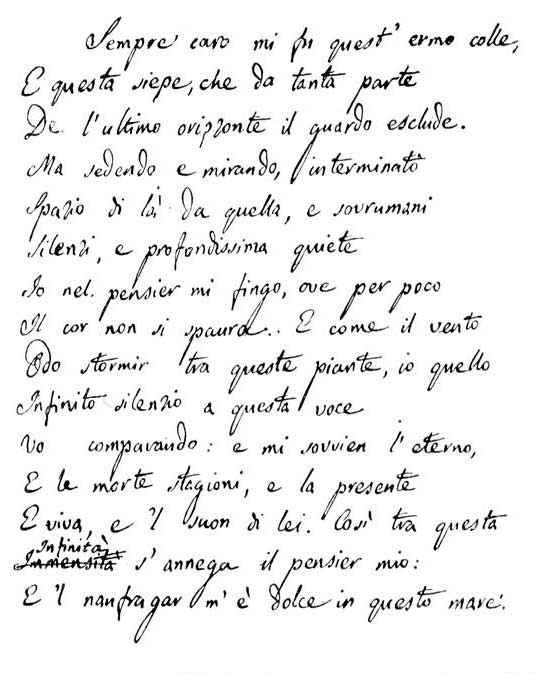 Book
Primary source
L'Infinito
Giacomo Leopardi · 1819
 Book
Primary source
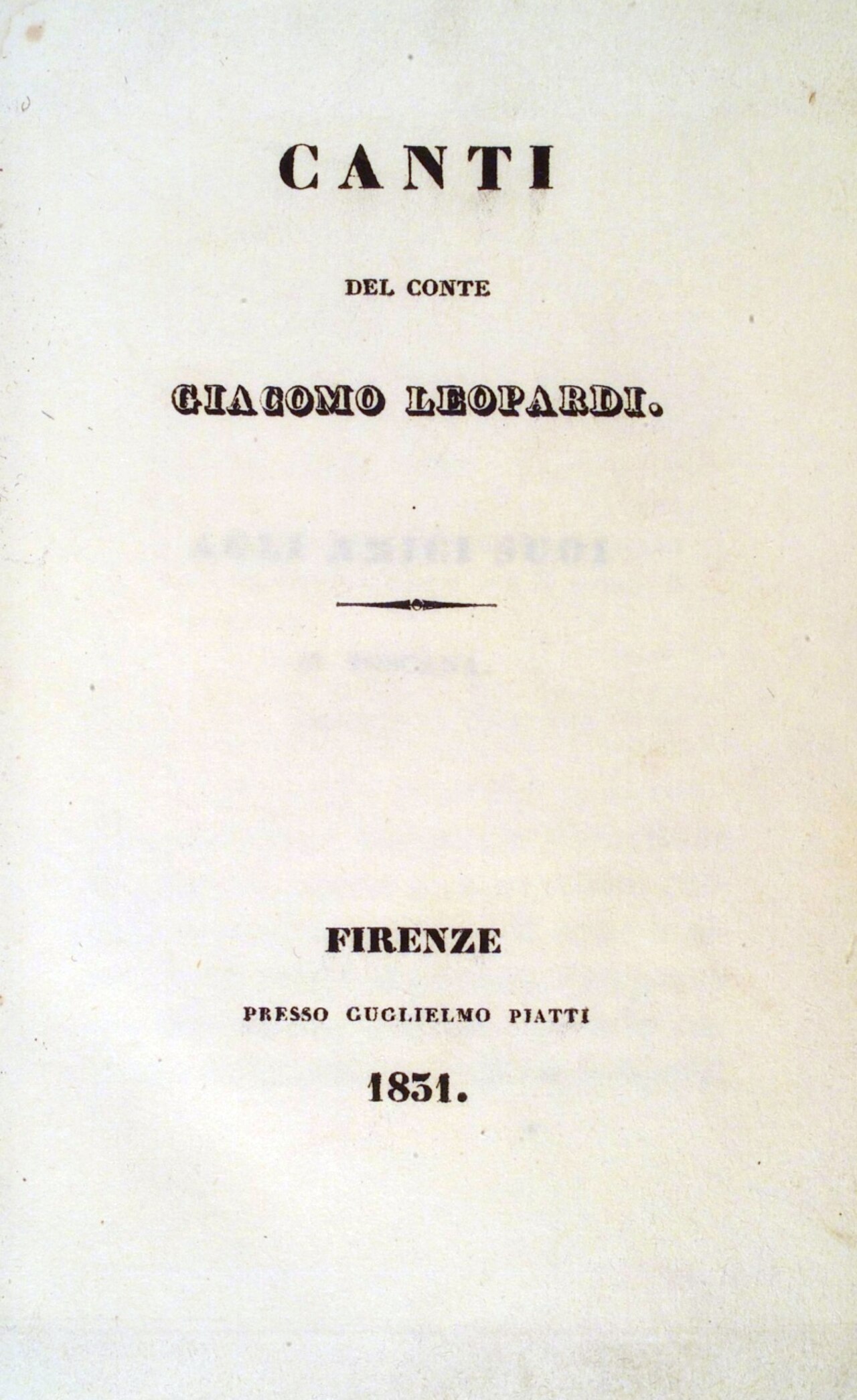
Canti
Giacomo Leopardi · 1831
 Diary entry
Primary source
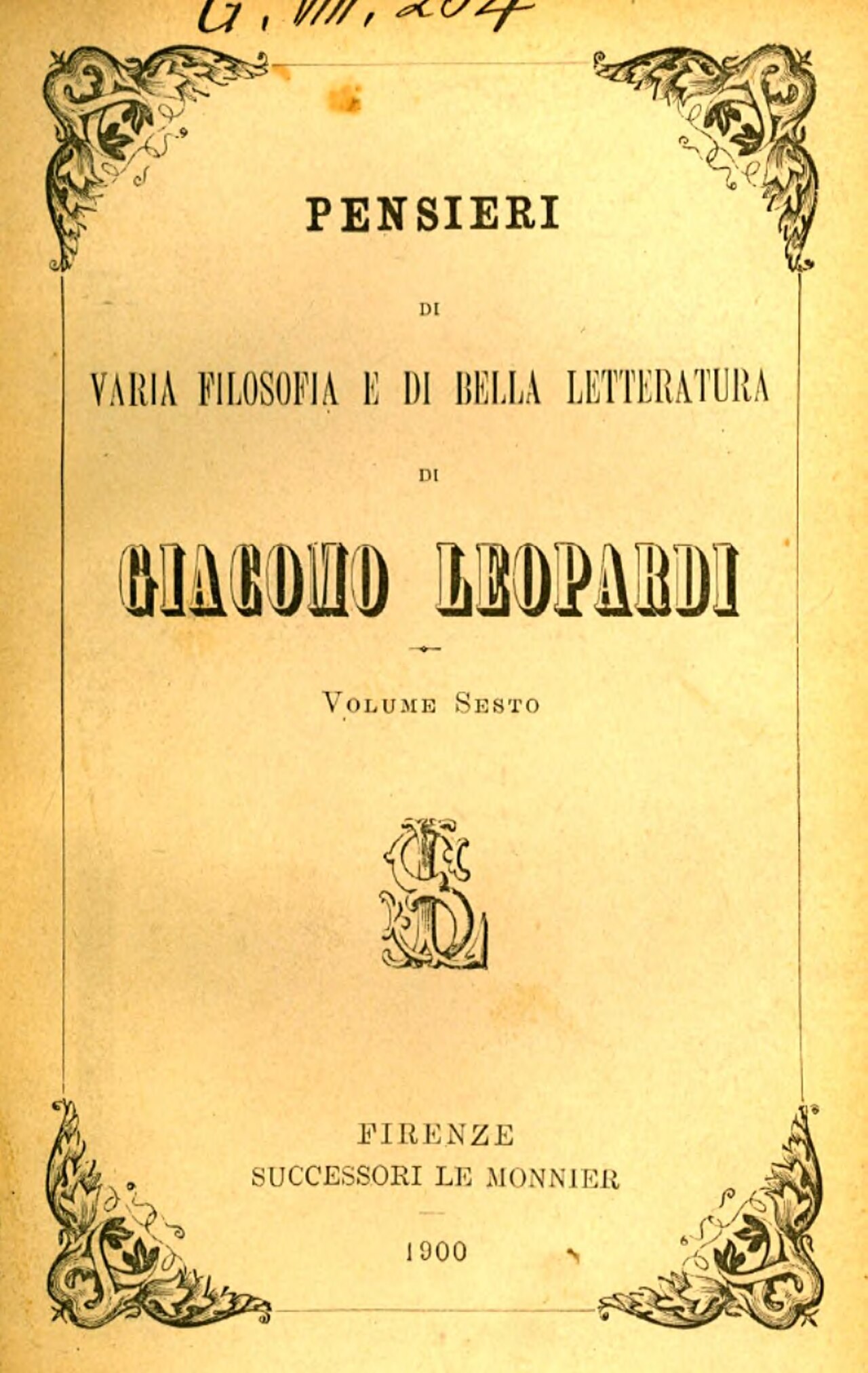
Zibaldone
Giacomo Leopardi · 1817–1832 (printed edition 1898-1900)
 Book
Primary source
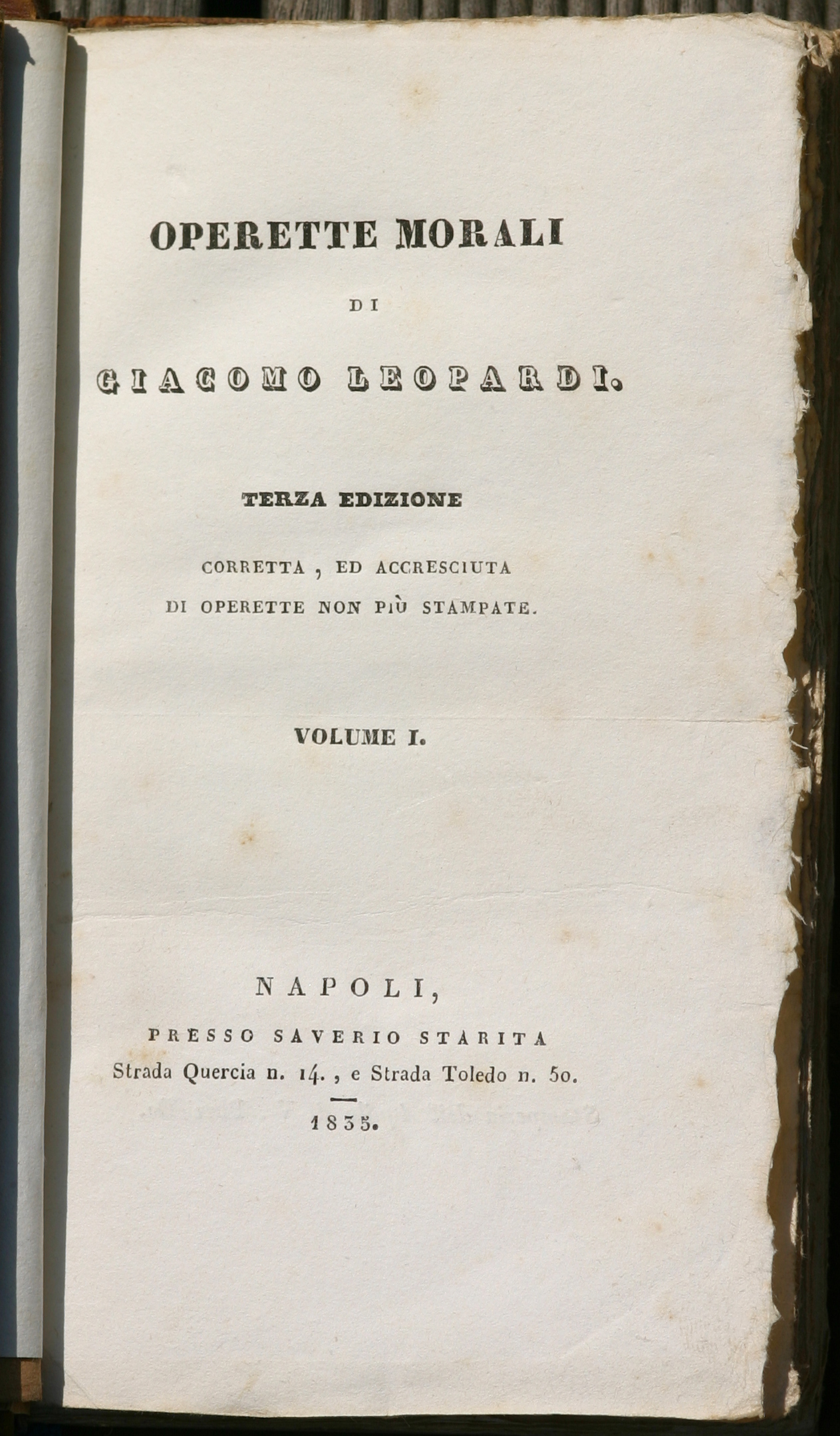
Operette morali
Giacomo Leopardi · 1824–1827 (this edition 1835)
Free account
Read every Giacomo Leopardi source
Sign up free →
Ready when you are
Start chatting with Giacomo Leopardi now.
20 messages free · No credit card · Available in 50+ languages.