


Primary sourceArtifactc. 1500 BCE
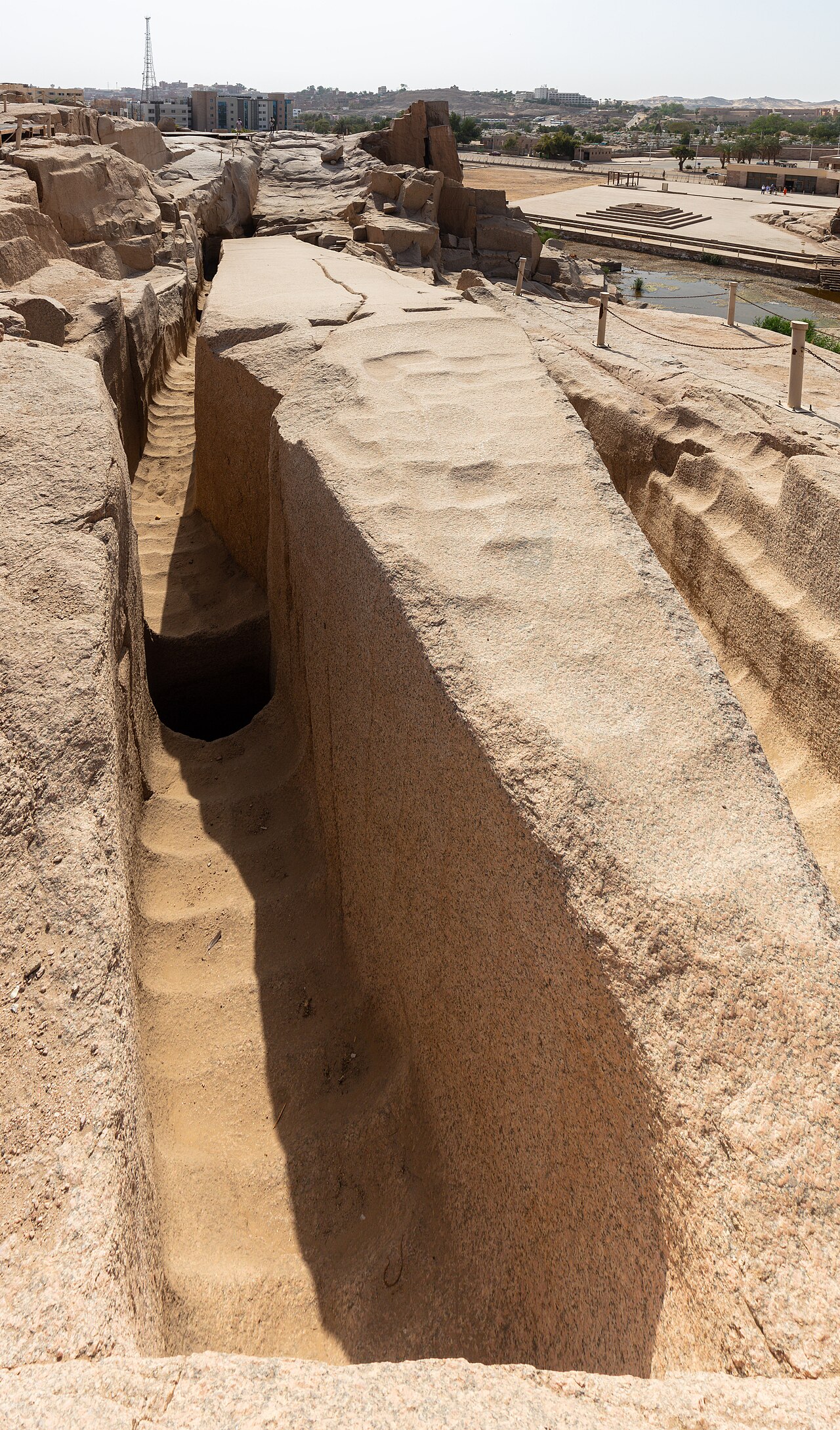
Unfinished Obelisk of Aswan
c. 1500 BCE
A massive granite obelisk abandoned in the quarry after cracking, possibly commissioned by Hatshepsut to pair with one already standing at Karnak.
This obelisk was probably commissioned by Hatshepsut, showing the massive scale of her building ambitions.
About this source
What it is
This is the largest known ancient Egyptian obelisk, still attached to the bedrock in the stone quarries of Aswan. It was never finished because cracks appeared in the granite during carving, and the project was abandoned. It was studied in detail by Reginald Engelbach in 1922 and lies within quarries now protected as a UNESCO World Heritage Site.
Why it matters
Its creation may have been ordered by Hatshepsut, possibly to complement an obelisk from Karnak later moved to Rome. If finished, it would have been nearly a third larger than any obelisk ever erected, showing the huge ambition of her monuments. Because it was abandoned mid-carving, it preserves tool marks and work lines that reveal exactly how Egyptian workers cut stone.
Look closer
- What does the obelisk's unfinished state tell us that a completed monument could not?
- Why would a ruler want obelisks this enormous?
- What problems might ancient workers have faced carving stone this large by hand?
This artifact is part of the curated material that grounds the AI version of Hatshepsut on Humy.ai — when students ask about related events, the AI can quote it and cite it.
More Hatshepsut sources
Meet the AI Hatshepsut →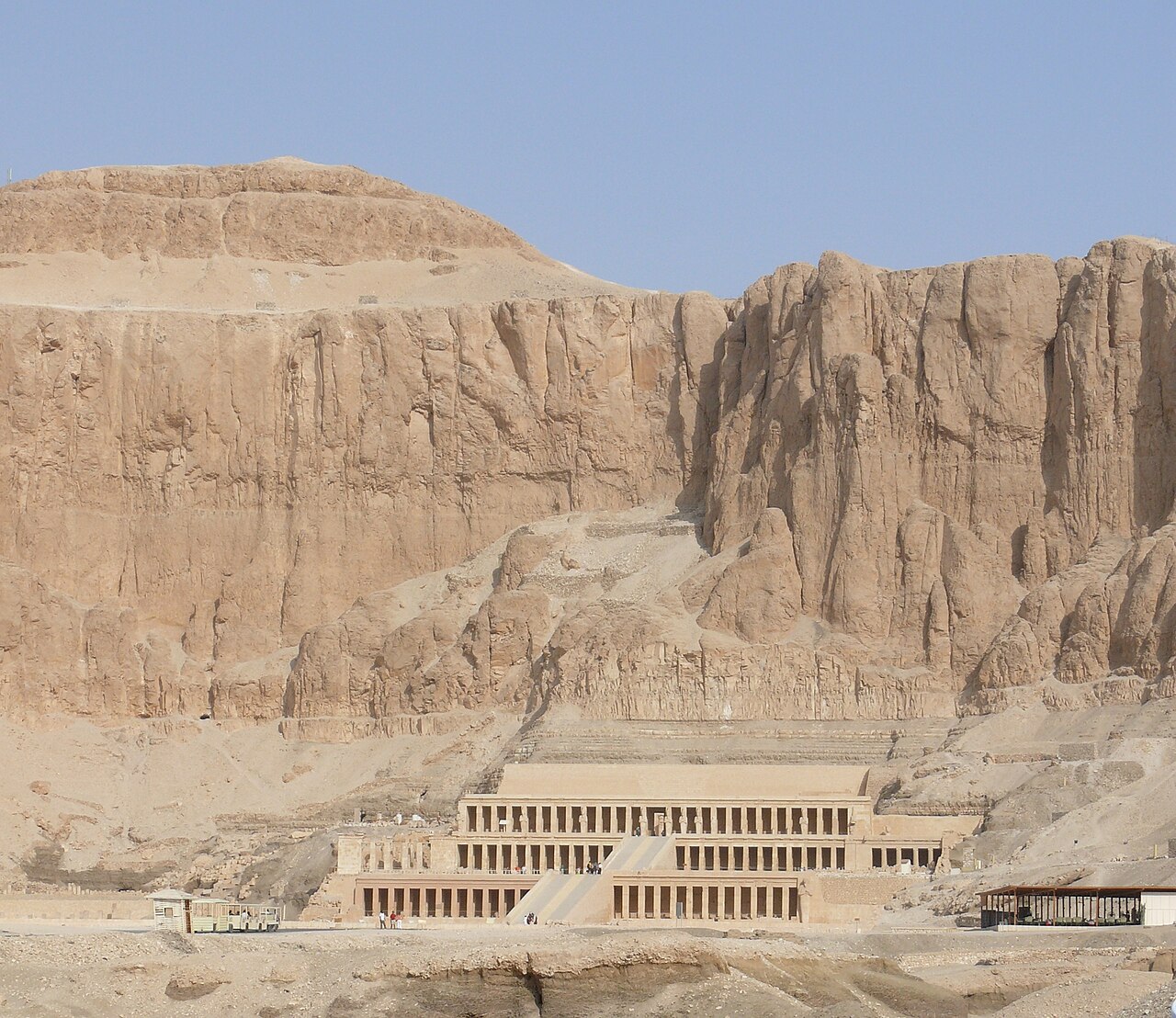 Artifact
Primary source
Mortuary Temple of Hatshepsut
Senenmut and/or Hapuseneb (attributed) · c. 1479–1458 BCE
 Photograph
Secondary source
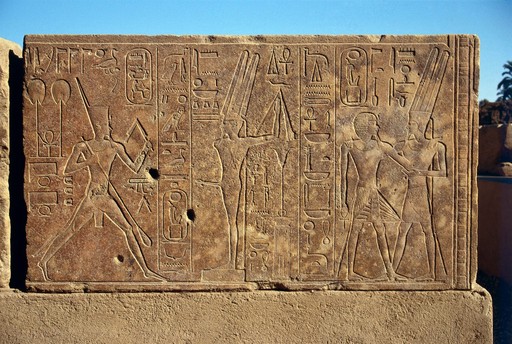
Hatshepsut Dancing Before Min, Karnak Relief
Carole Reeves · 1989
 Sculpture
Primary source
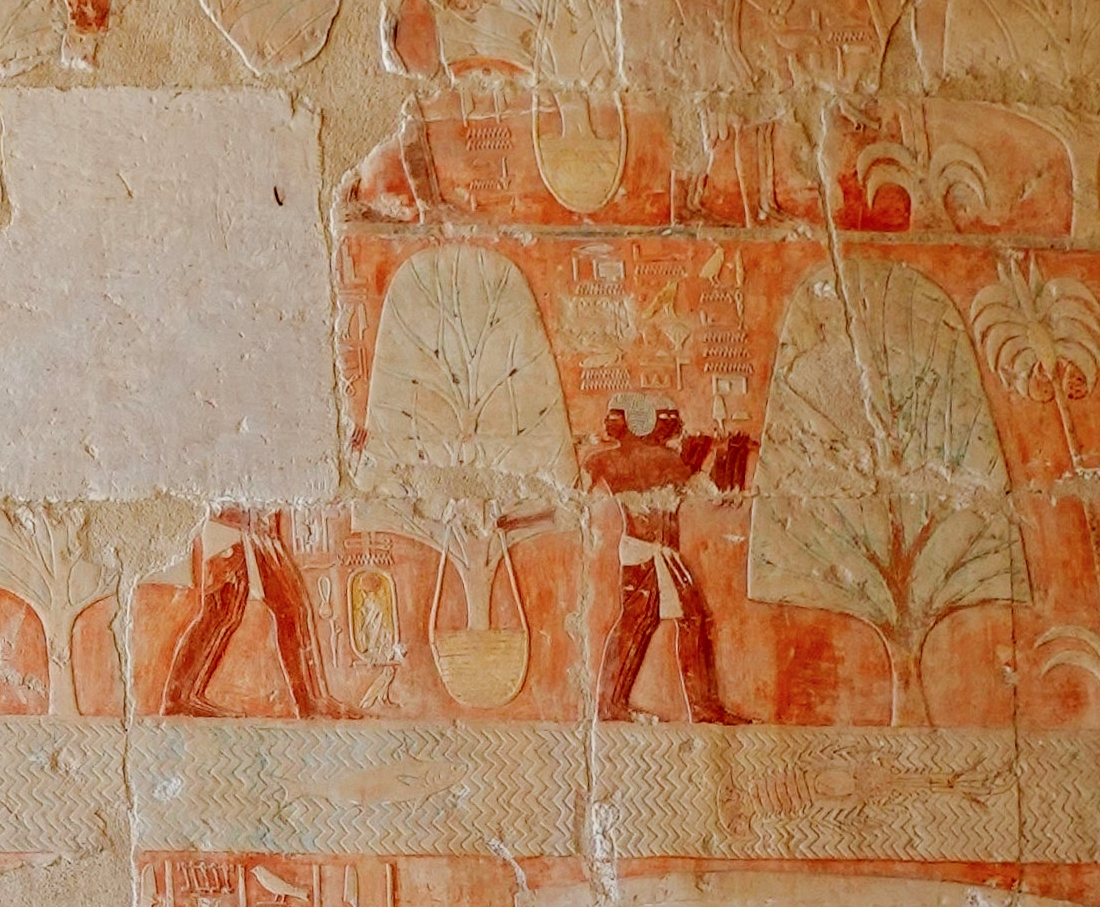
Punt Expedition Reliefs
Royal workshops of Hatshepsut · c. 1470 BCE
 Sculpture
Primary source
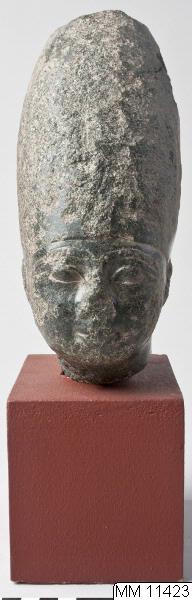
Sculpture Head Probably of Hatshepsut
 Sculpture
Primary source
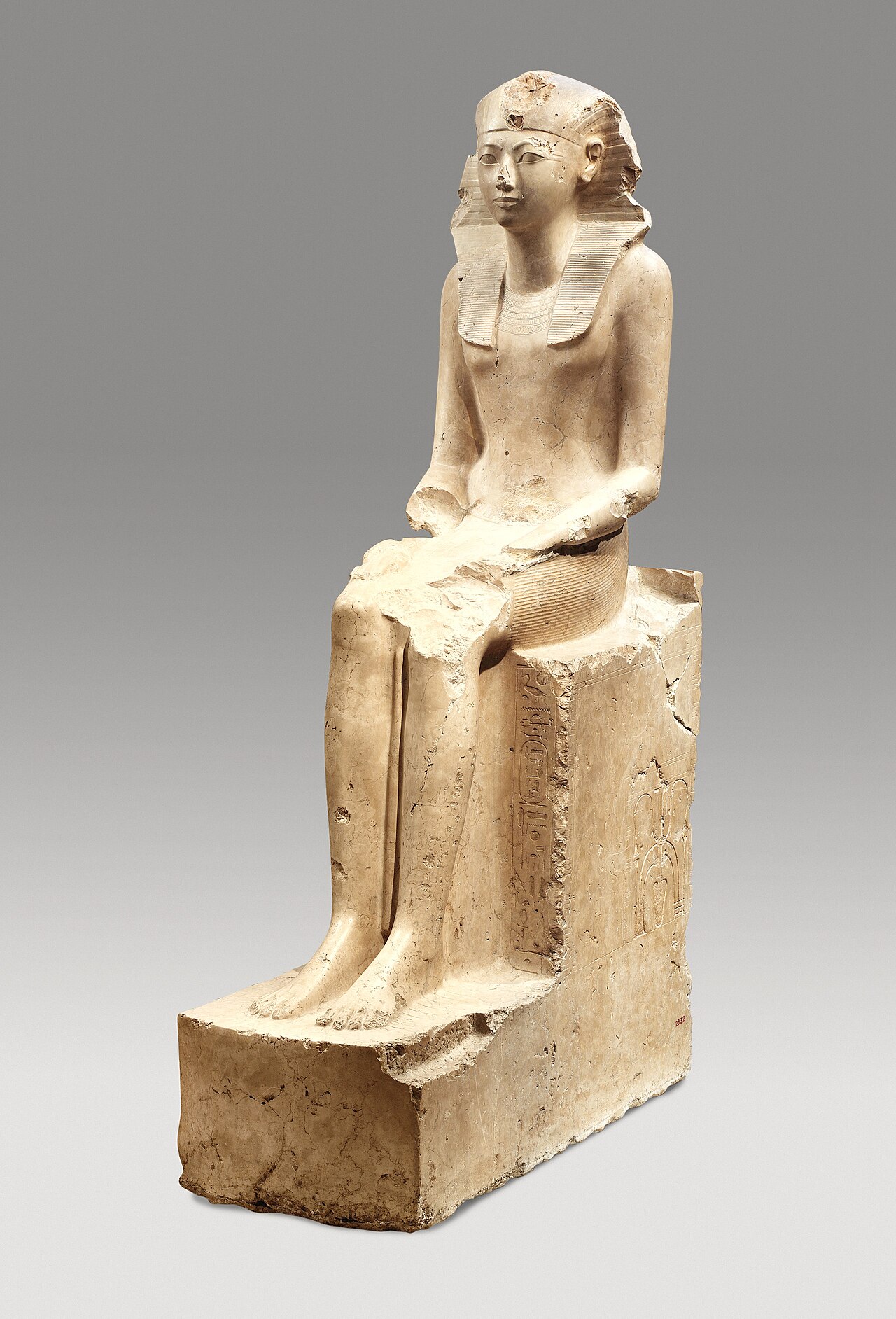
Seated Statue of Hatshepsut
c. 1466 BCE
Ready when you are
Start chatting with Hatshepsut now.
20 messages free · No credit card · Available in 50+ languages.