


Primary sourceDocument1789
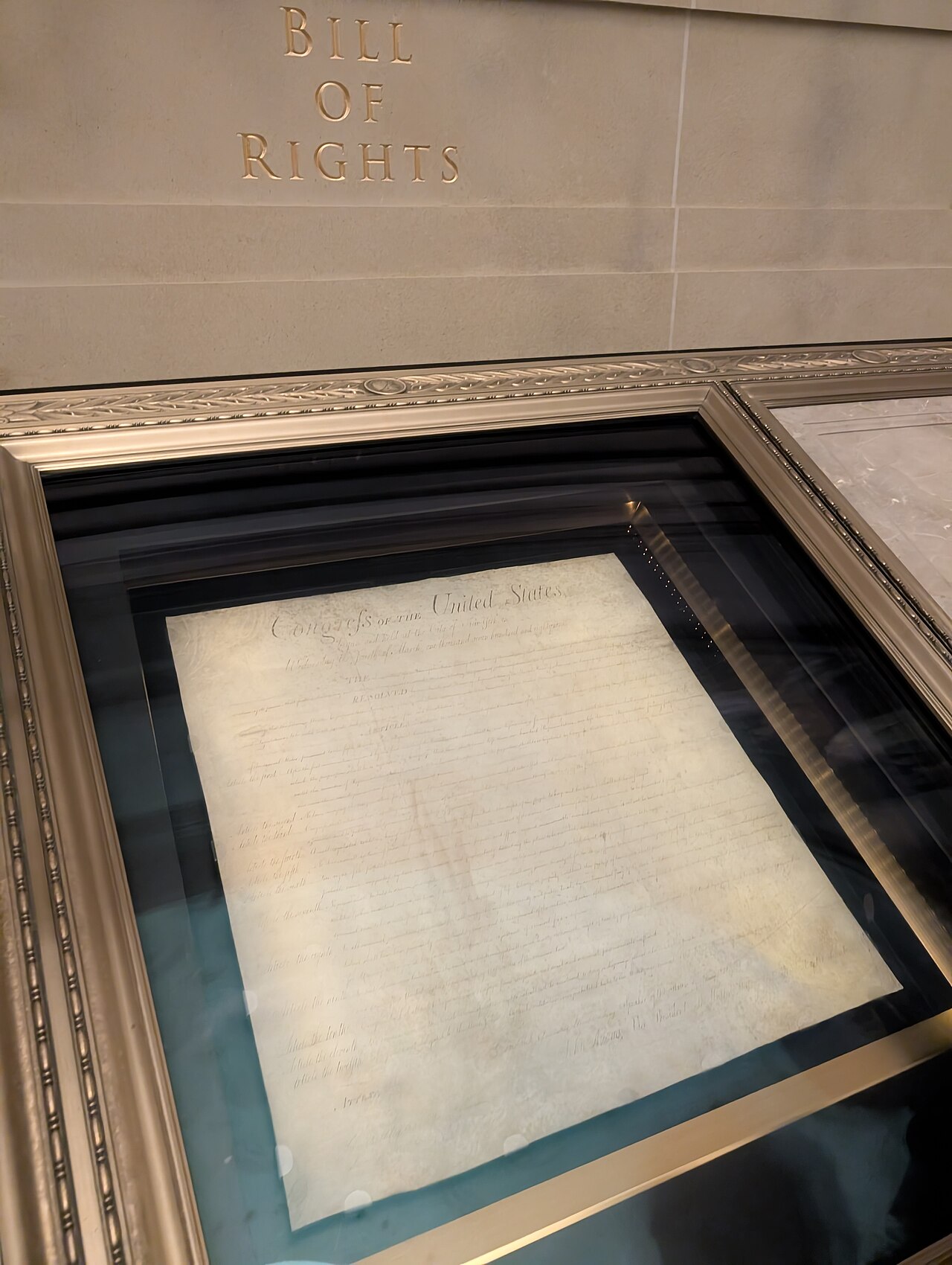
United States Bill of Rights
First United States Congress · 1789
The first ten amendments to the U.S. Constitution, whose due-process clause traces its legal ancestry back to Magna Carta's clause 39.
The Fifth Amendment's due-process clause descends directly from Magna Carta's clause 39, showing its legacy in American law.
About this source
What it is
The United States Bill of Rights comprises the first ten amendments to the U.S. Constitution, proposed by the First United States Congress in 1789 following debate over the Constitution. It is held today by the National Archives and Records Administration.
Why it matters
Delegates such as George Mason and Elbridge Gerry argued for adding a bill of rights to protect individual liberties, though the idea was initially rejected at the Constitutional Convention. The Fifth Amendment's protection of due process descends from the same tradition as Magna Carta's clause 39, letting students trace an idea about fair treatment under law across centuries and across an ocean.
Look closer
- Why might the framers have initially rejected the idea of a bill of rights?
- How does the wording about due process compare with what Magna Carta promised?
- What does it mean that an idea from medieval England ended up shaping a modern nation's founding document?
This document is part of the curated material that grounds the AI version of Magna Carta on Humy.ai — when students ask about related events, the AI can quote it and cite it.
More Magna Carta sources
Meet the AI Magna Carta →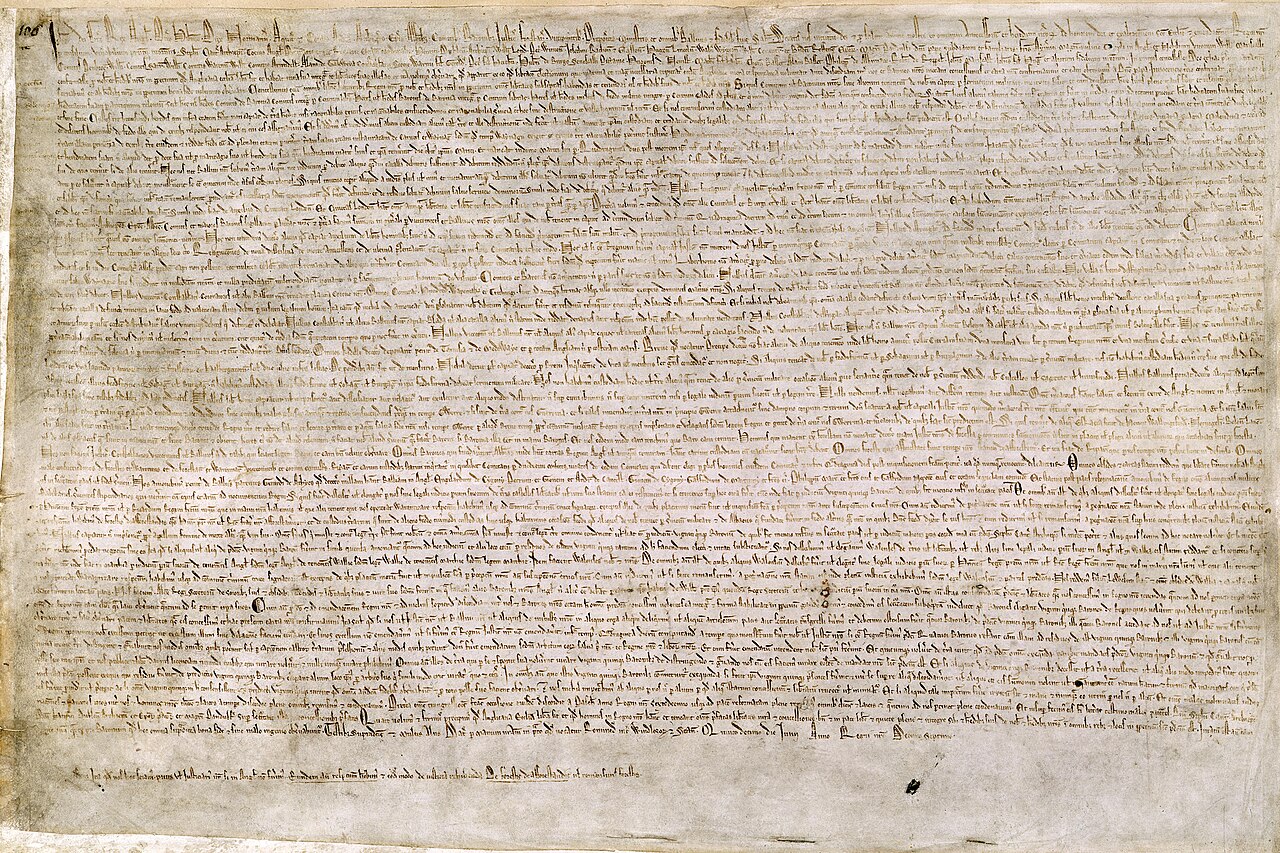 Document
Primary source
Magna Carta (1215 Exemplification)
1215
 Document
Primary source
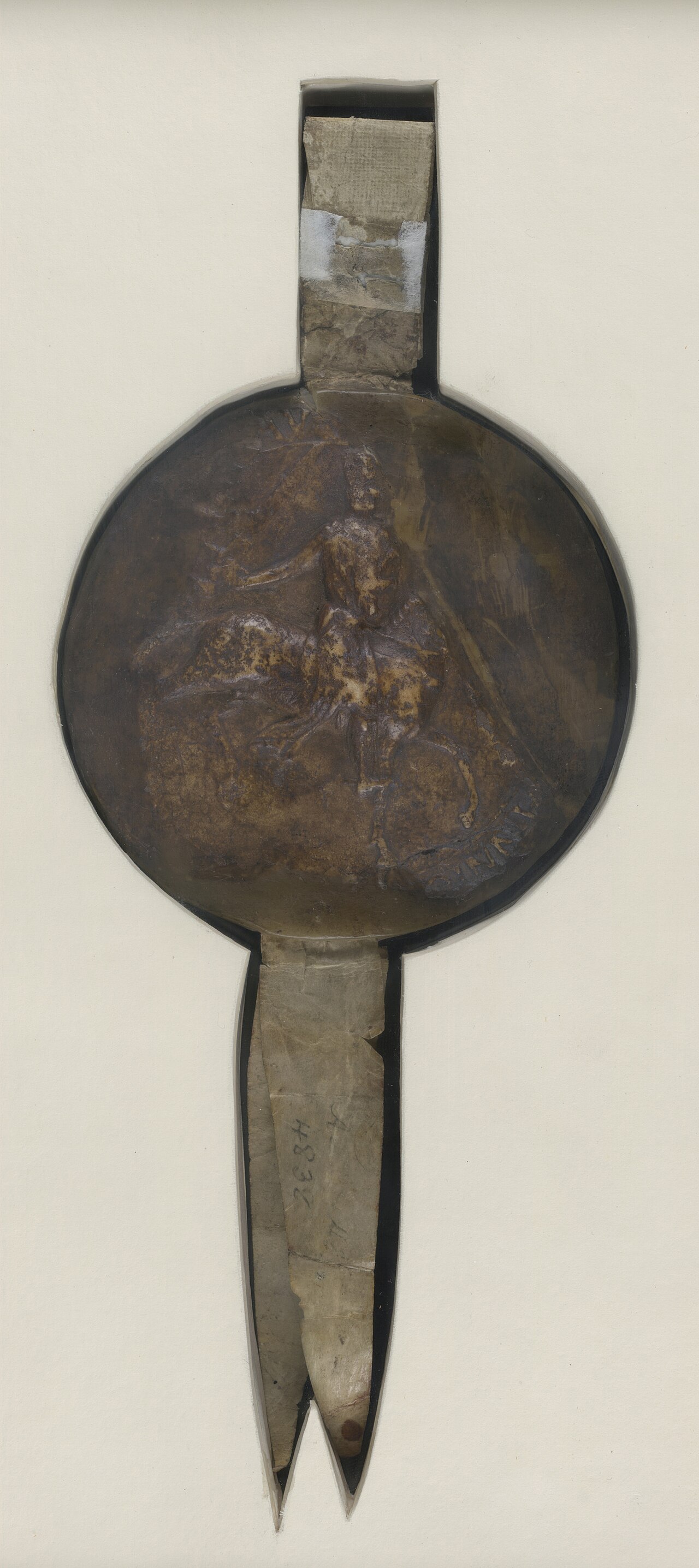
Articles of the Barons
1215
 Document
Primary source
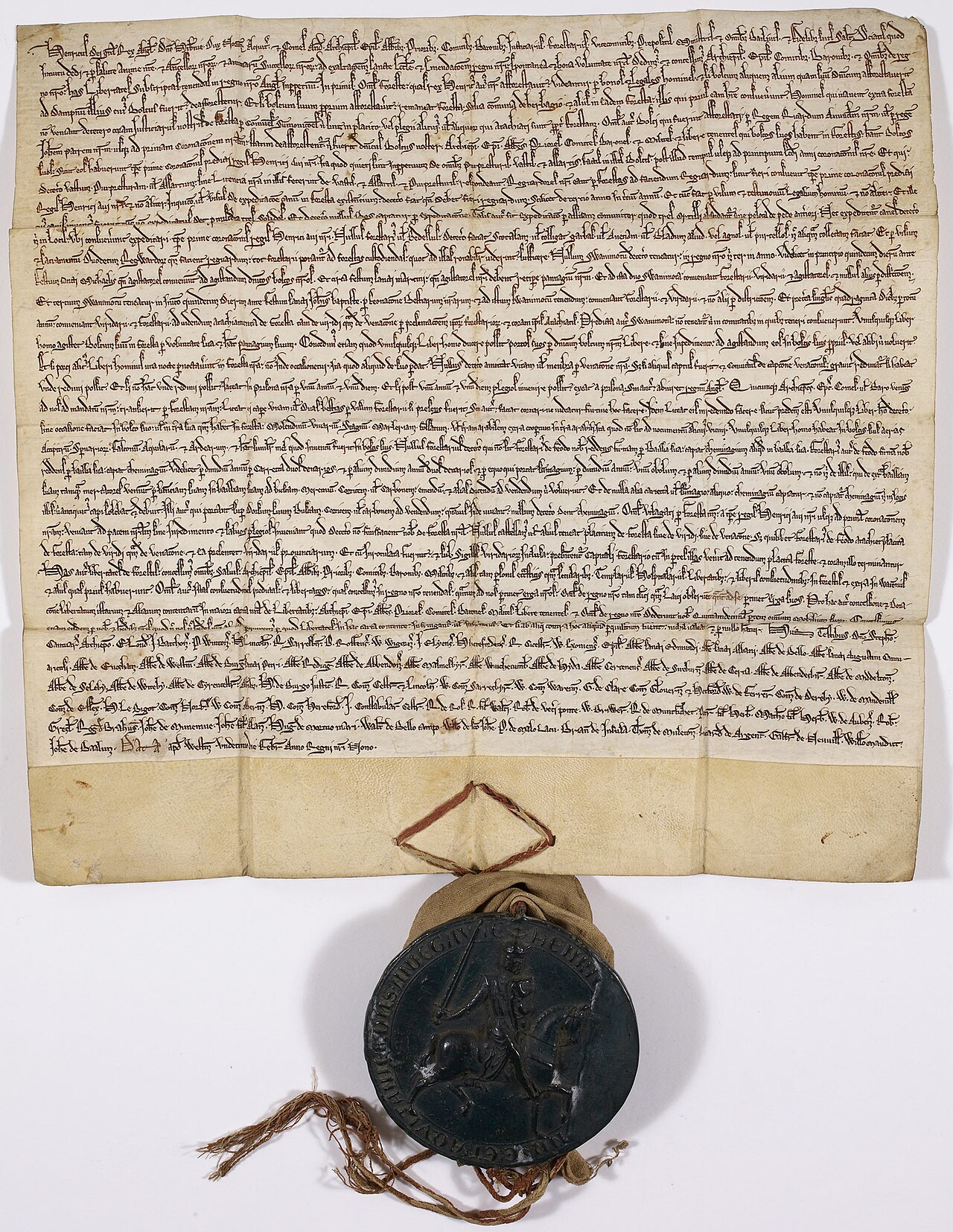
Charter of the Forest
1217
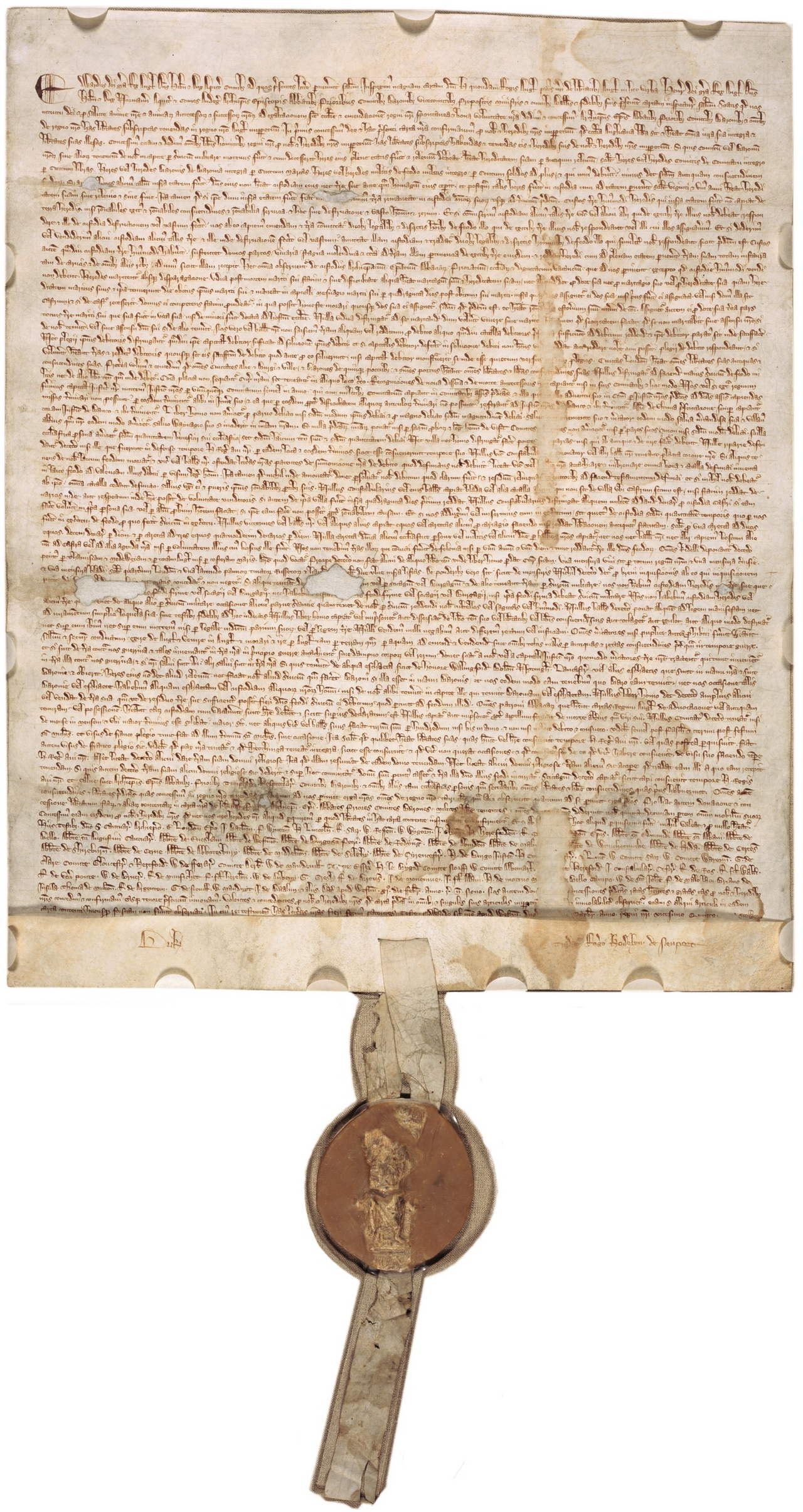 Document
Primary source
Magna Carta 1297 (National Archives, Washington)
Edward I of England · 1297
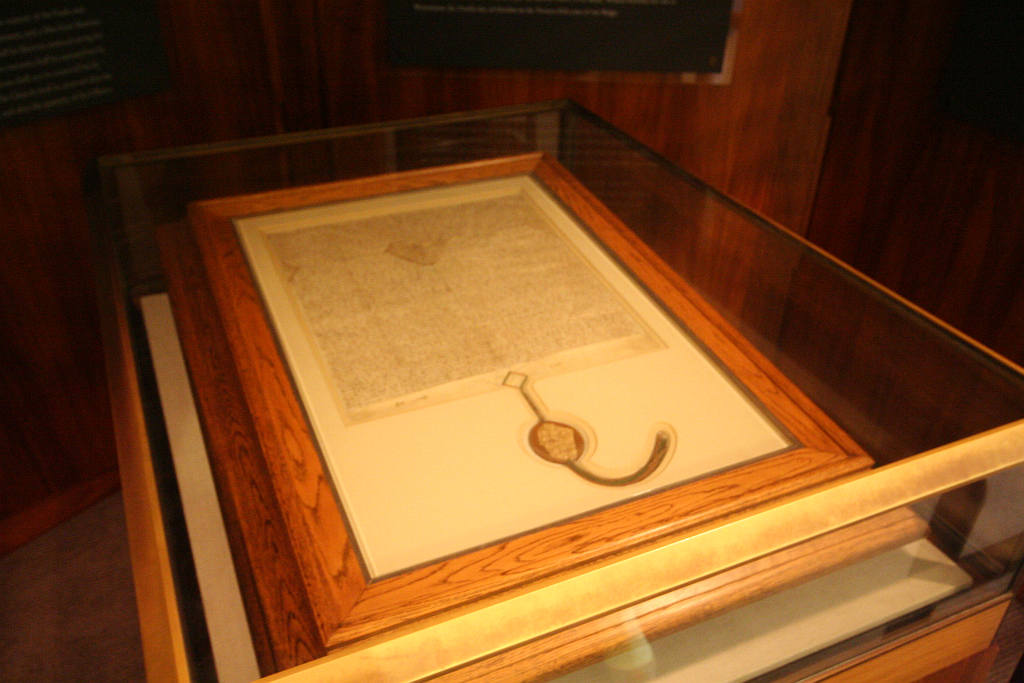 Document
Primary source
Magna Carta 1297 (Parliament House, Canberra)
Edward I of England · 1297
Ready when you are
Start chatting with Magna Carta now.
20 messages free · No credit card · Available in 50+ languages.