


Primary sourceDocument1989
United States v. Goodyear Tire and Rubber Company
Thurgood Marshall · 1989
A 1989 Supreme Court opinion by Thurgood Marshall on how 'accumulated profits' are measured for the indirect foreign tax credit in the Internal Revenue Code.
Marshall wrote this majority opinion as a Supreme Court Justice, deciding a federal tax question about foreign subsidiaries.
About this source
What it is
This is the opinion of the Supreme Court of the United States in United States v. Goodyear Tire and Rubber Company, decided in 1989 and written by Justice Thurgood Marshall. The case asks whether 'accumulated profits' in the indirect tax credit provision of the Internal Revenue Code of 1954 should be measured by United States or foreign tax principles. The Court concludes that they are measured under United States principles. The opinion is reported as 493 U.S. 132 and is listed on Wikisource.
Why it matters
The case involves a United States parent company, Goodyear, and its British subsidiary, which paid taxes in the United Kingdom and the Republic of Ireland. It shows how a domestic corporation could seek a refund of federal income taxes tied to income earned abroad, and how the Court chose one national standard for measuring that income.
Look closer
- Why would the choice between United States and foreign tax principles change how much tax a company owes?
- Who gains and who loses from the rule the Court chose?
- What does the opinion leave out about how businesses themselves viewed the question?
This document is part of the curated material that grounds the AI version of Thurgood Marshall on Humy.ai — when students ask about related events, the AI can quote it and cite it.
More Thurgood Marshall sources
Meet the AI Thurgood Marshall →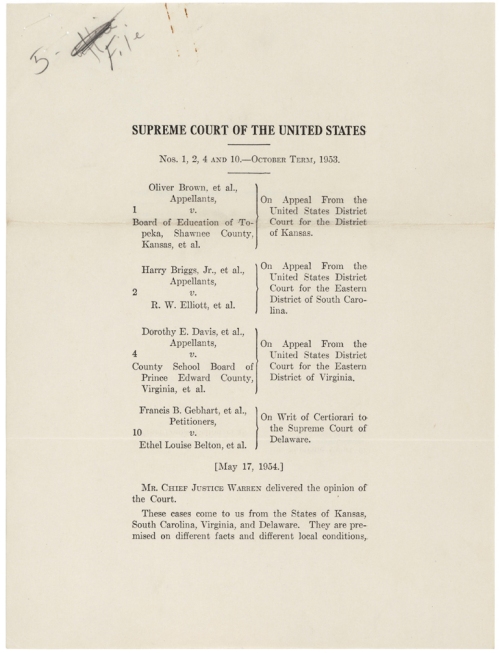 Document
Primary source
Brown v. Board of Education
Earl Warren · 17 May 1954
 Painting
Primary source
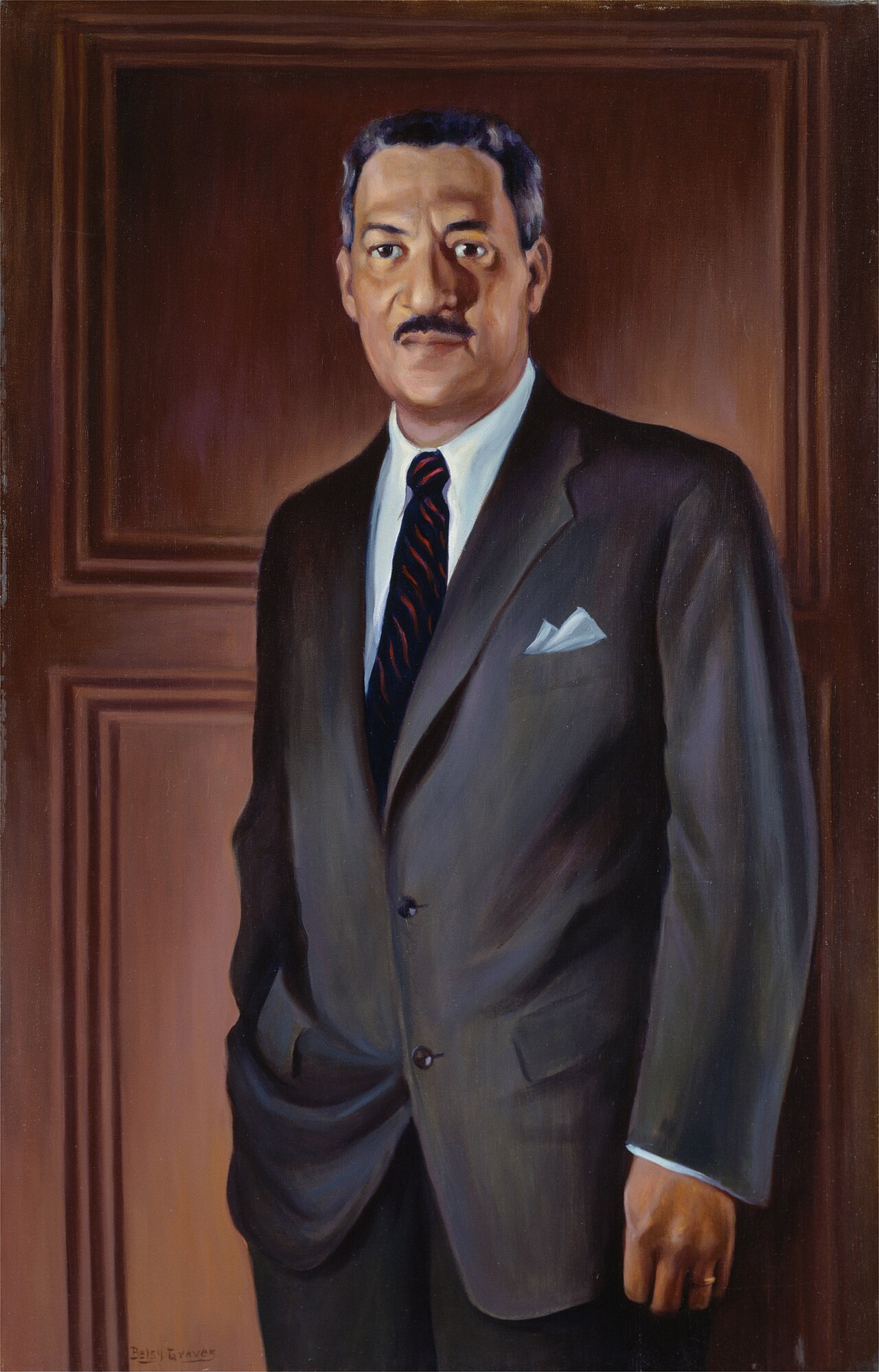
Thurgood Marshall
Betsy Graves Reyneau · 1956
 Photograph
Primary source
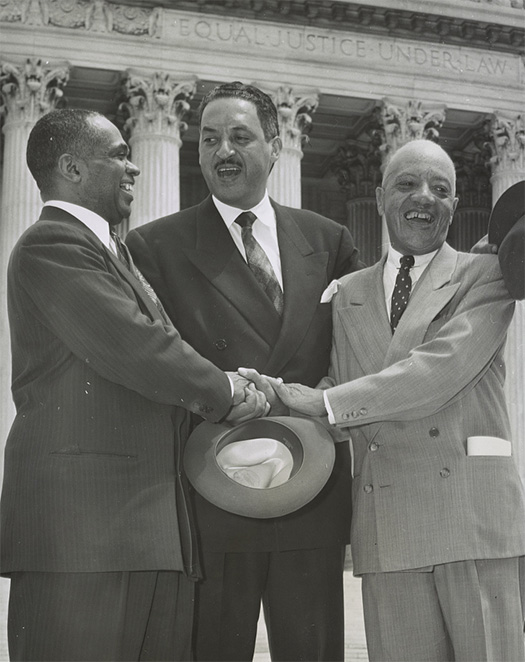
George Edward Chalmer Hayes, Thurgood Marshall, and James Nabrit in 1954 winning Brown case
1954
 Photograph
Primary source
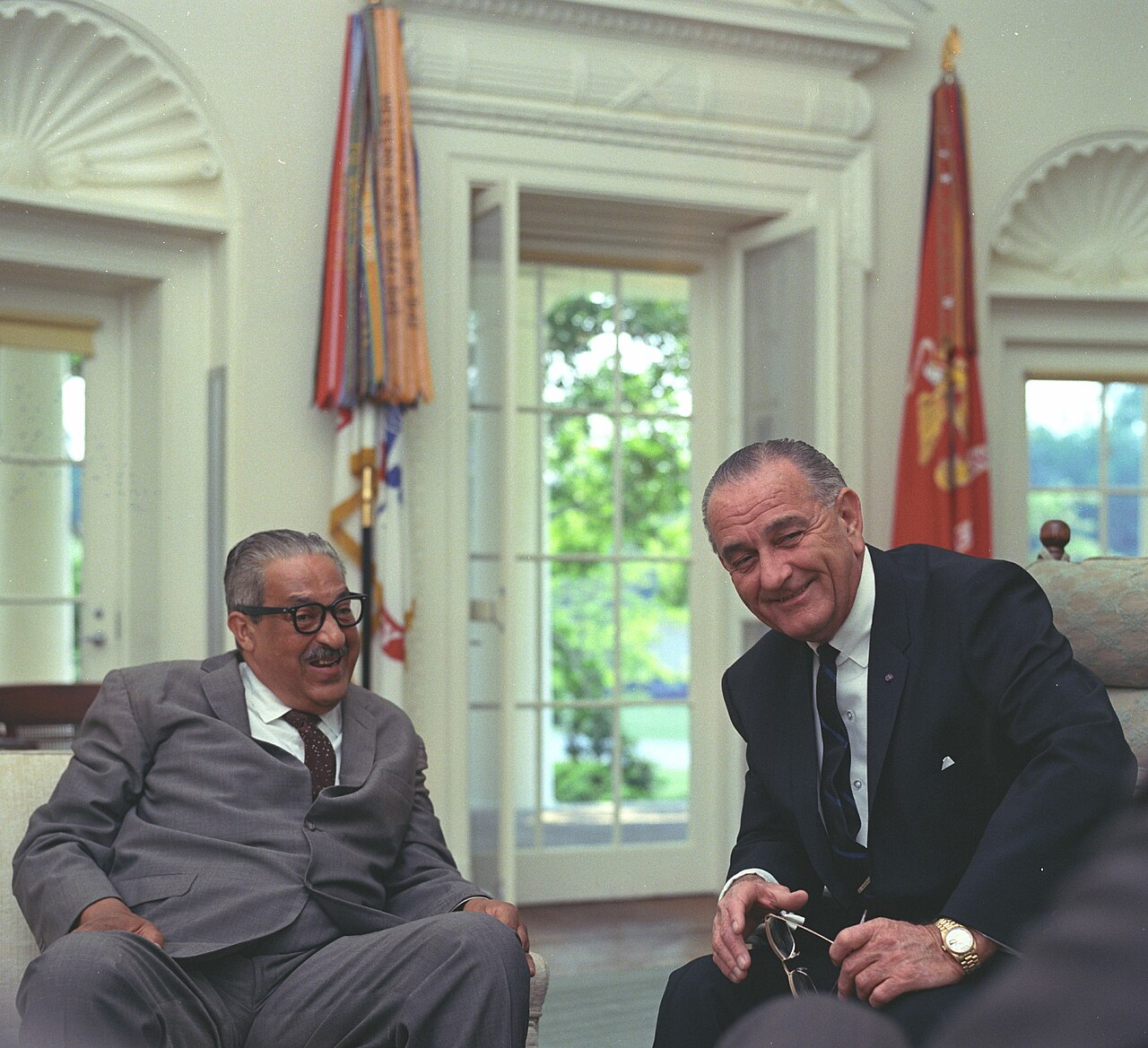
Thurgood Marshall and President Lyndon B. Johnson, June 13, 1967
Frank Wolfe · 13 June 1967
Primary source
Cooper v. Aaron
12 September 1958
Ready when you are
Start chatting with Thurgood Marshall now.
20 messages free · No credit card · Available in 50+ languages.