


Primary sourceDocument1971
United States v. Reidel Dissent
Thurgood Marshall · 1971
Thurgood Marshall's 1971 dissent in a case about distributing obscene materials, drawing on earlier free-speech rulings.
Marshall wrote this dissent, reflecting his views on obscenity law and free expression.
About this source
What it is
This is Justice Thurgood Marshall's separate opinion in United States v. Reidel, decided in 1971, in which he dissents in part and concurs in part regarding the regulation of obscene materials.
Marshall refers to the earlier case Stanley v. Georgia, which limited the government's power to regulate materials possessed privately, while allowing regulation to protect children and unwilling adults from public exposure.
Why it matters
The opinion shows Marshall engaging with free-speech and privacy questions, continuing a line of reasoning he had supported in earlier cases, and reveals the kinds of social and legal debates the Court faced in the early 1970s.
- Why does Marshall distinguish private possession from public distribution?
- What does this case show about how the Court balanced free speech against other interests?
This document is part of the curated material that grounds the AI version of Thurgood Marshall on Humy.ai — when students ask about related events, the AI can quote it and cite it.
More Thurgood Marshall sources
Meet the AI Thurgood Marshall →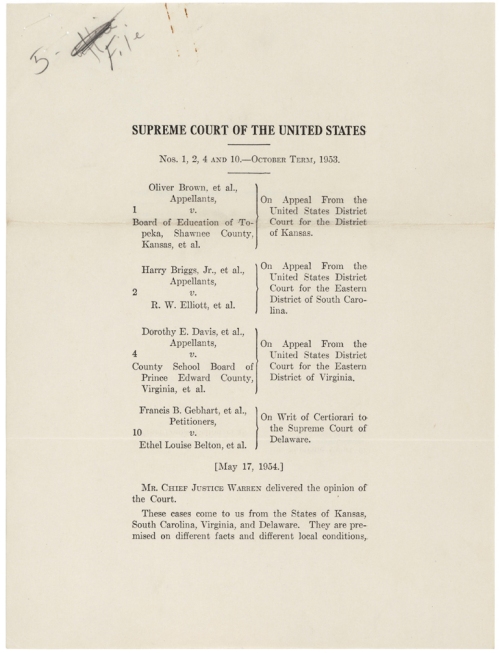 Document
Primary source
Brown v. Board of Education
Earl Warren · 17 May 1954
 Painting
Primary source
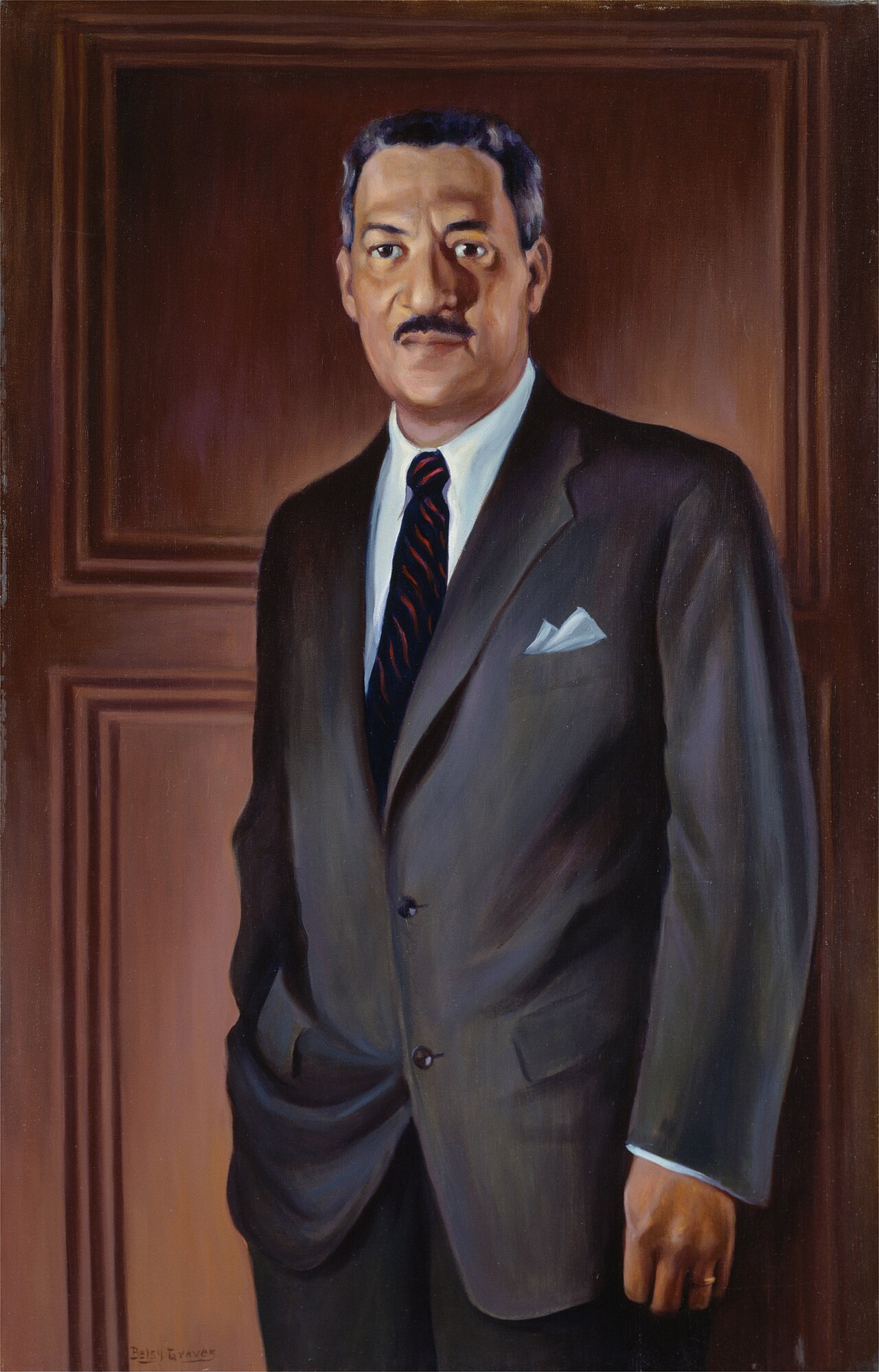
Thurgood Marshall
Betsy Graves Reyneau · 1956
 Photograph
Primary source
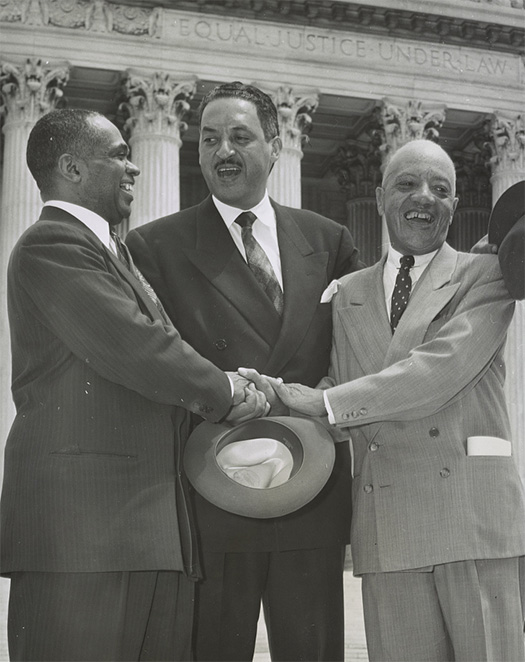
George Edward Chalmer Hayes, Thurgood Marshall, and James Nabrit in 1954 winning Brown case
1954
 Photograph
Primary source
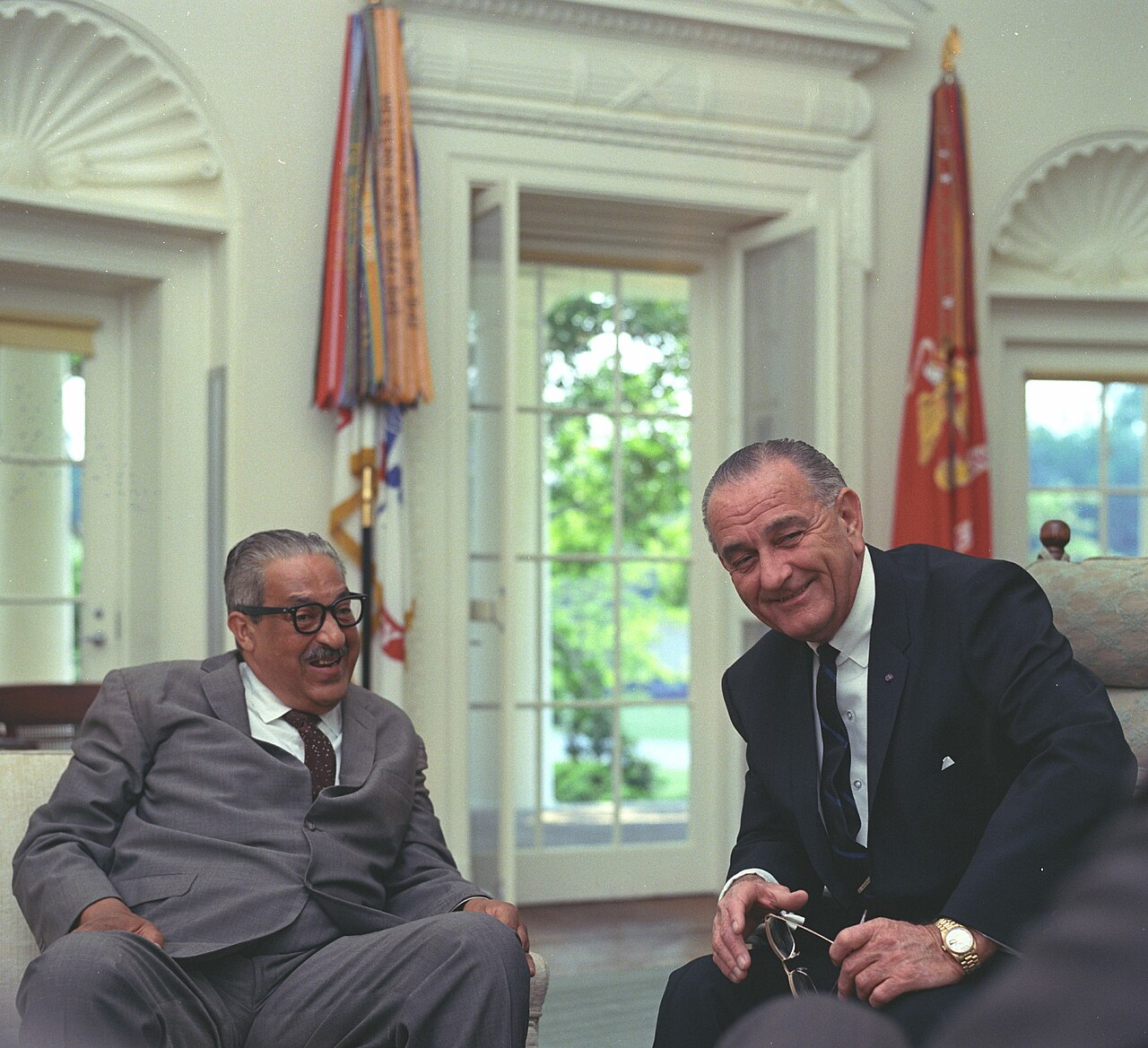
Thurgood Marshall and President Lyndon B. Johnson, June 13, 1967
Frank Wolfe · 13 June 1967
Primary source
Cooper v. Aaron
12 September 1958
Ready when you are
Start chatting with Thurgood Marshall now.
20 messages free · No credit card · Available in 50+ languages.