


Primary sourceDocument1989
United States v. Sokolow
Thurgood Marshall · 1989
A 1989 Supreme Court dissent by Thurgood Marshall, joined by Justice Brennan, arguing that the reasonable-suspicion stop of a traveler at an airport weakened Fourth Amendment rights.
Marshall wrote this dissent as a Supreme Court justice, showing his defense of Fourth Amendment protections for innocent travelers.
About this source
What it is
This is a dissenting opinion by Justice Thurgood Marshall in United States v. Sokolow (1989), reported as 490 U.S. 1. Marshall wrote it with Justice Brennan joining. The case began when Andrew Sokolow was stopped by Drug Enforcement Administration agents at Honolulu International Airport, and the stop led to the discovery of cocaine and a drug trafficking conviction. The text is listed on Wikisource, which holds a transcription rather than the original document.
Why it matters
Marshall argues that the Court's decision, which accepted that the agents reasonably suspected ongoing criminal activity, weakens the rights of all citizens to be secure in their persons while traveling through airports. He writes that the Fourth Amendment usually requires probable cause for searches and seizures. He notes that the strongest advocates of these rights are often criminals, yet the rights apply to the innocent too. The dissent shows how the 1980s Court balanced police suspicion against personal privacy.
Look closer
- What did the DEA agents do when they stopped Sokolow, and what did the stop lead to?
- Why does Marshall say the rights apply to innocent people as well as guilty ones?
- What does this text leave out about the agents' view of the situation?
This document is part of the curated material that grounds the AI version of Thurgood Marshall on Humy.ai — when students ask about related events, the AI can quote it and cite it.
More Thurgood Marshall sources
Meet the AI Thurgood Marshall →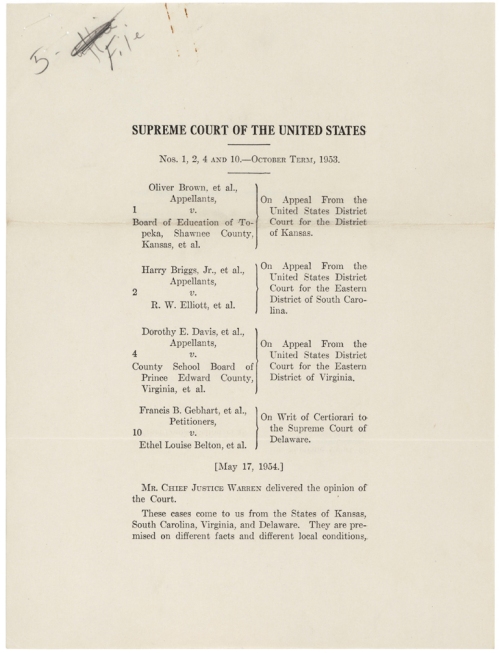 Document
Primary source
Brown v. Board of Education
Earl Warren · 17 May 1954
 Painting
Primary source
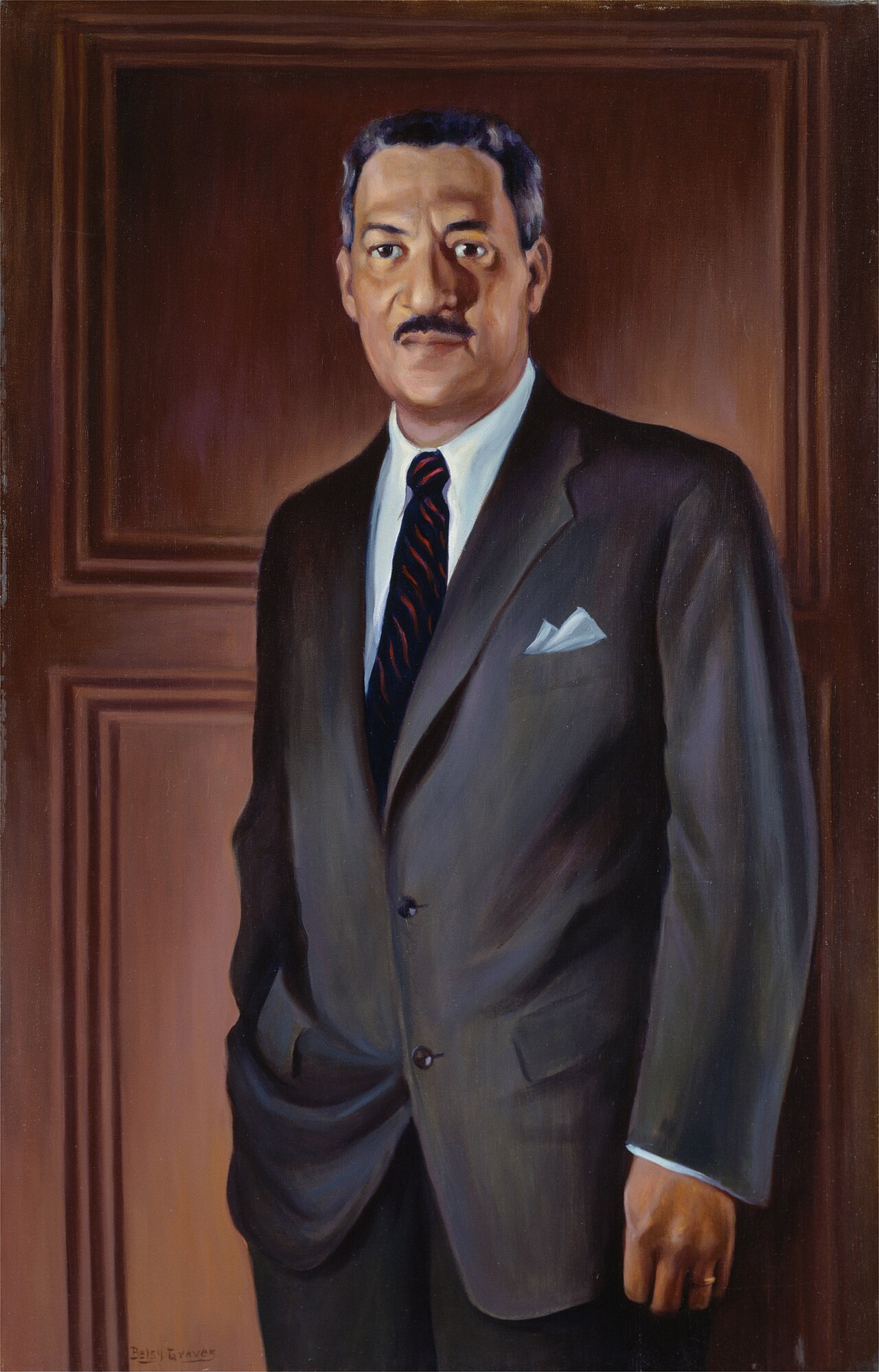
Thurgood Marshall
Betsy Graves Reyneau · 1956
 Photograph
Primary source
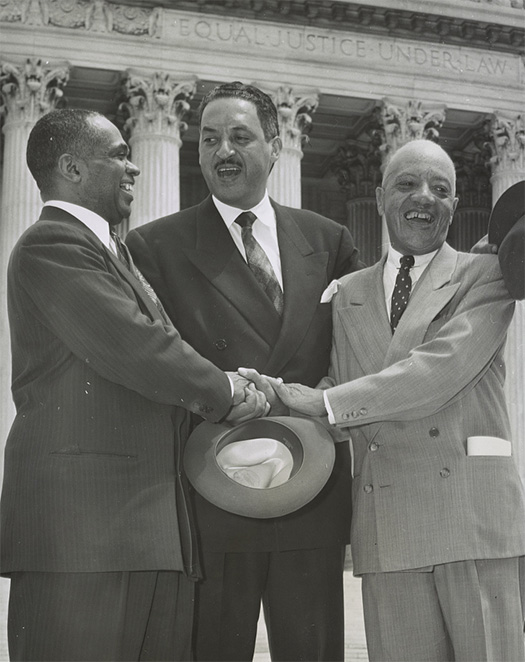
George Edward Chalmer Hayes, Thurgood Marshall, and James Nabrit in 1954 winning Brown case
1954
 Photograph
Primary source
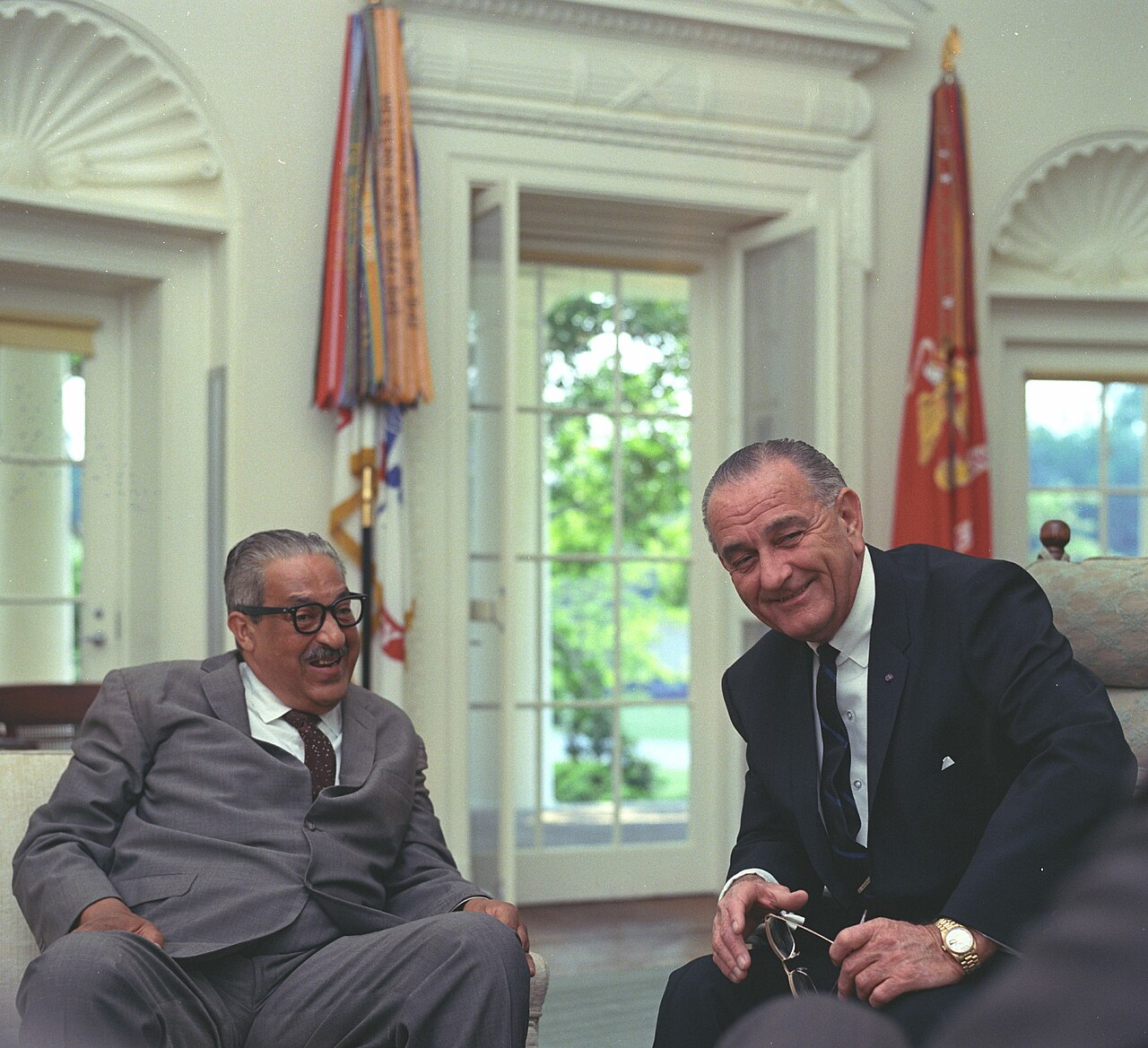
Thurgood Marshall and President Lyndon B. Johnson, June 13, 1967
Frank Wolfe · 13 June 1967
Primary source
Cooper v. Aaron
12 September 1958
Ready when you are
Start chatting with Thurgood Marshall now.
20 messages free · No credit card · Available in 50+ languages.