


Primary sourceSculpture
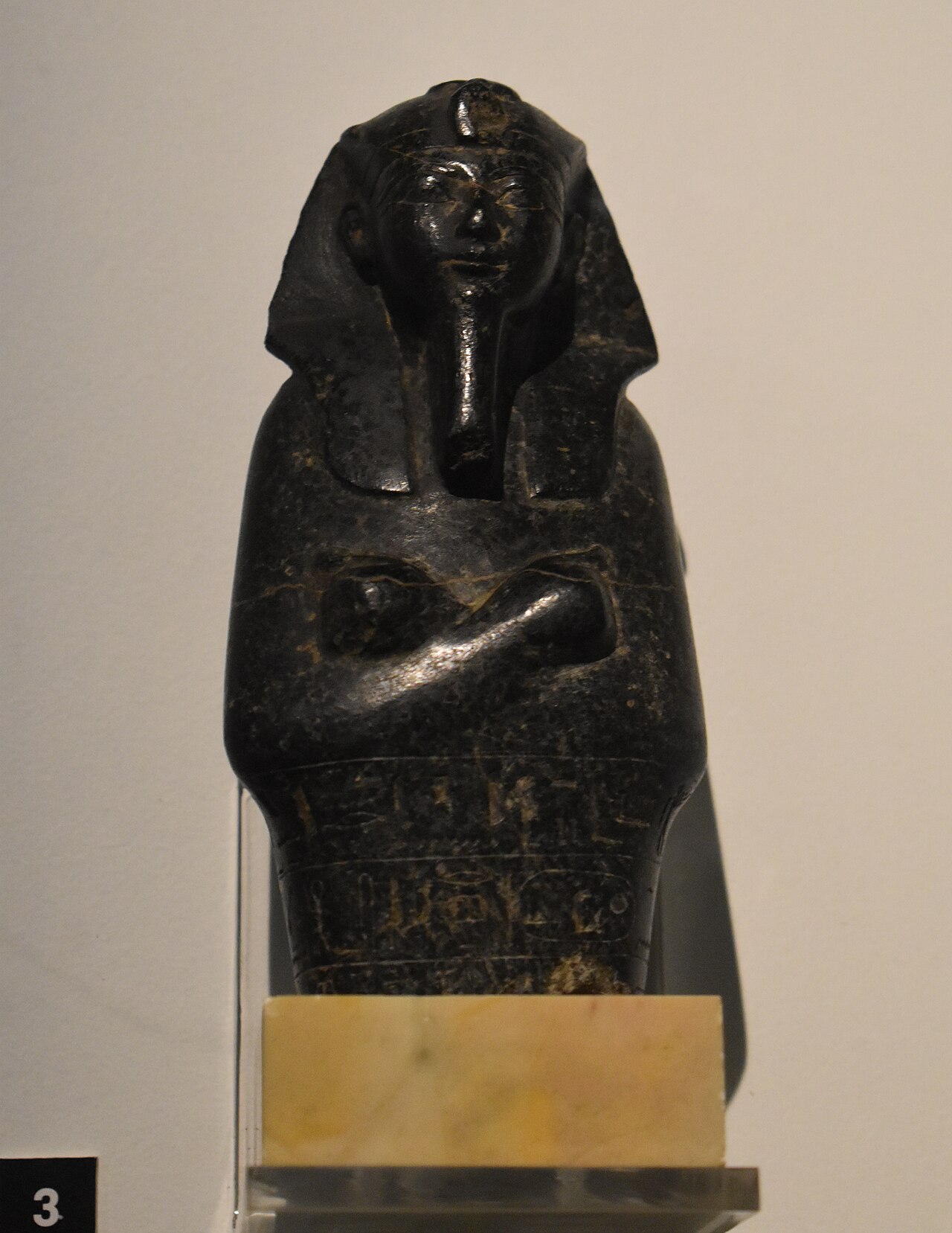
Upper Part of a Funerary Statue of Queen Hatshepsut
A fragment of a funerary statue depicting Hatshepsut, now held at the Aquitaine Museum.
A funerary statue depicting Hatshepsut herself, part of her royal portraiture.
About this source
What it is
This is the upper portion of a funerary statue of Queen Hatshepsut, carved from dark stone. It shows her wearing a striped royal headcloth with a uraeus (cobra symbol) at the forehead, arms crossed over the chest, and covered with hieroglyphic inscriptions. It is held at the Aquitaine Museum.
Why it matters
This fragment adds to the collection of Hatshepsut's royal portraits held outside Egypt and New York, showing how her image was spread and preserved through funerary sculpture across different collections.
Look closer
- What royal symbols can you identify on this statue, and what do they usually represent?
- Why might only part of this statue have survived?
- What might the hieroglyphic inscriptions on the body have said about the queen?
This sculpture is part of the curated material that grounds the AI version of Hatshepsut on Humy.ai — when students ask about related events, the AI can quote it and cite it.
More Hatshepsut sources
Meet the AI Hatshepsut →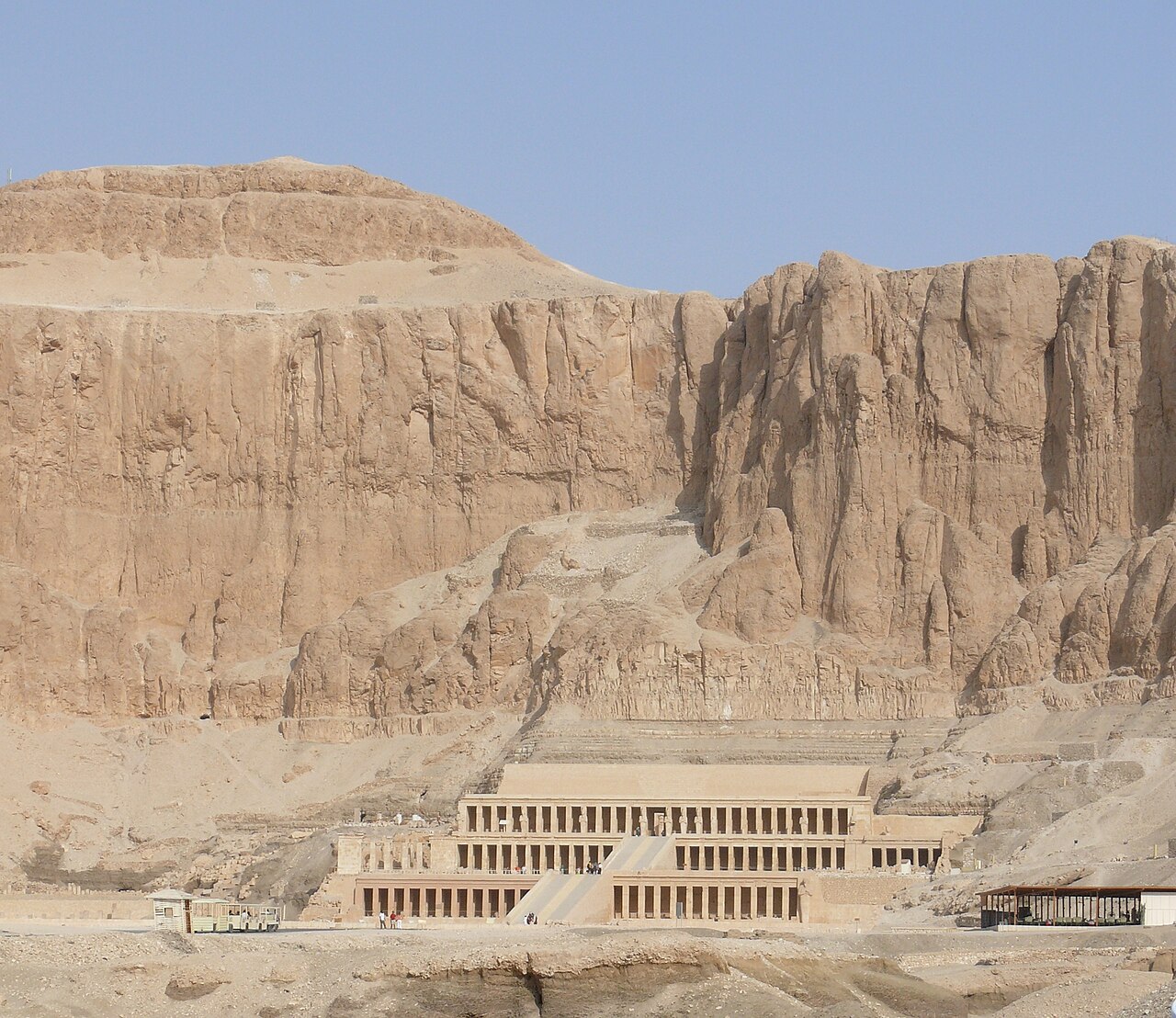 Artifact
Primary source
Mortuary Temple of Hatshepsut
Senenmut and/or Hapuseneb (attributed) · c. 1479–1458 BCE
 Photograph
Secondary source
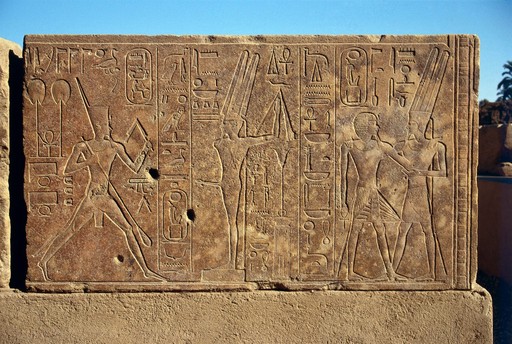
Hatshepsut Dancing Before Min, Karnak Relief
Carole Reeves · 1989
 Sculpture
Primary source
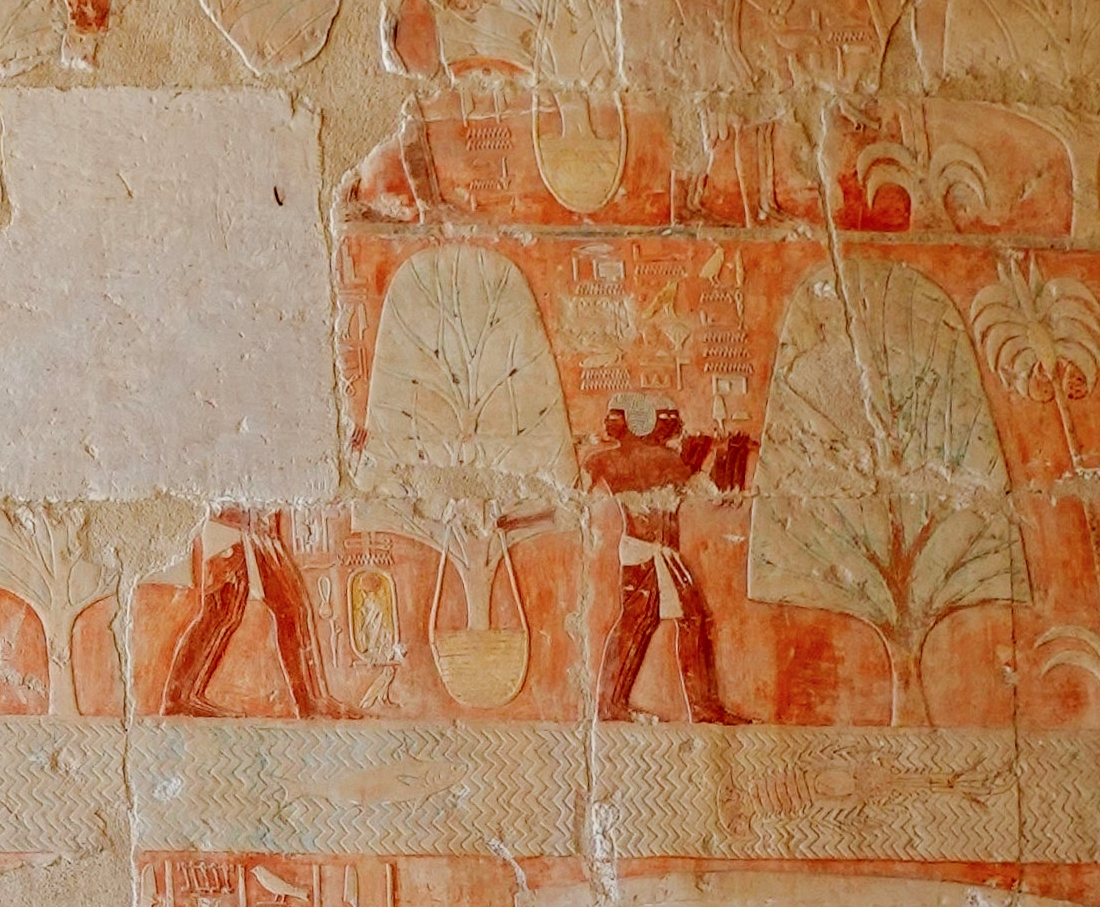
Punt Expedition Reliefs
Royal workshops of Hatshepsut · c. 1470 BCE
 Sculpture
Primary source
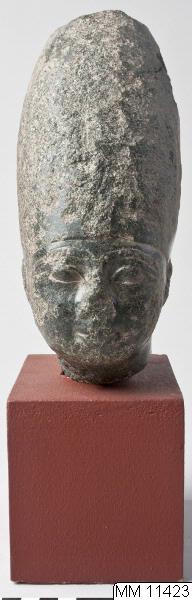
Sculpture Head Probably of Hatshepsut
 Sculpture
Primary source
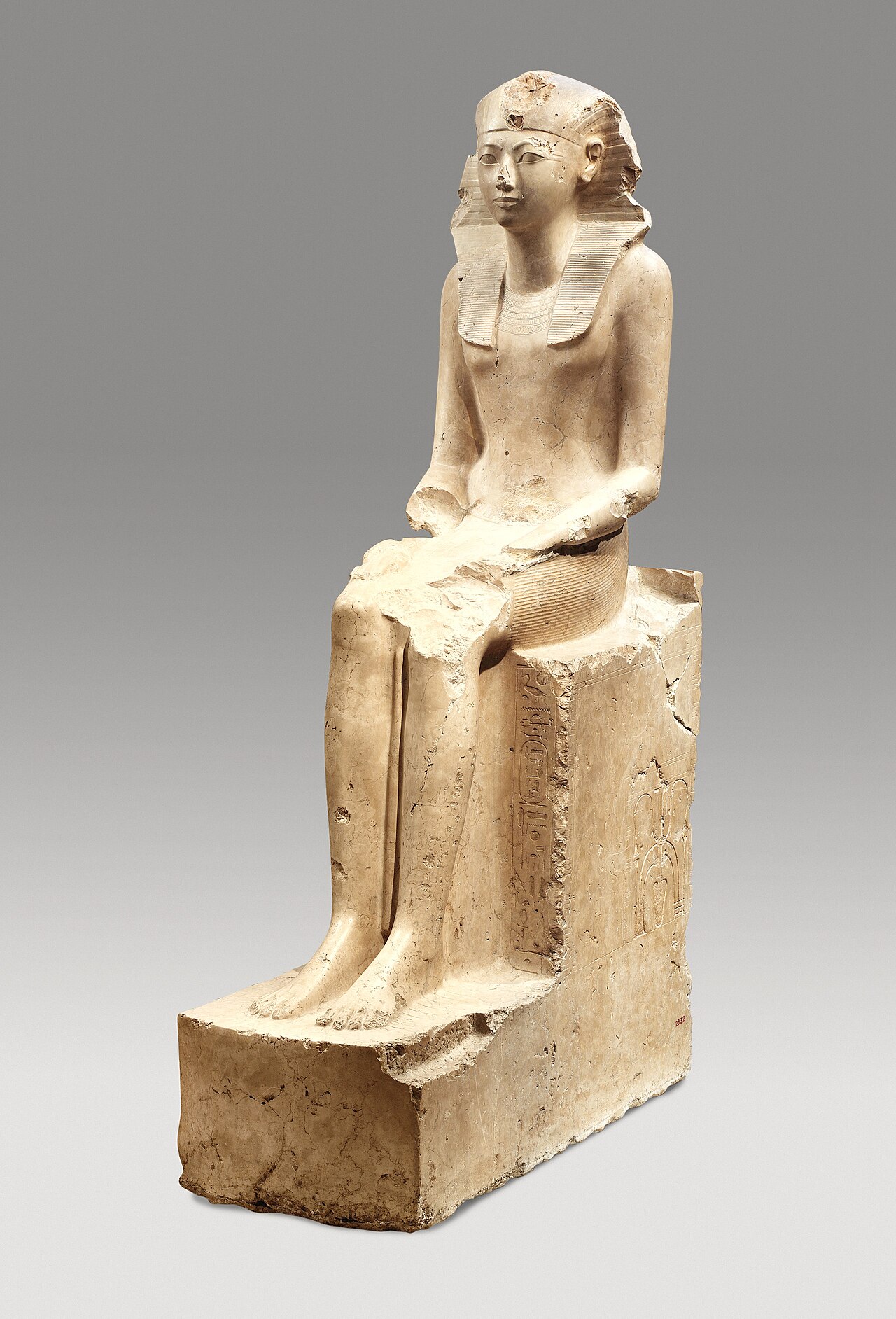
Seated Statue of Hatshepsut
c. 1466 BCE
Ready when you are
Start chatting with Hatshepsut now.
20 messages free · No credit card · Available in 50+ languages.