


Primary sourceArtifact1567
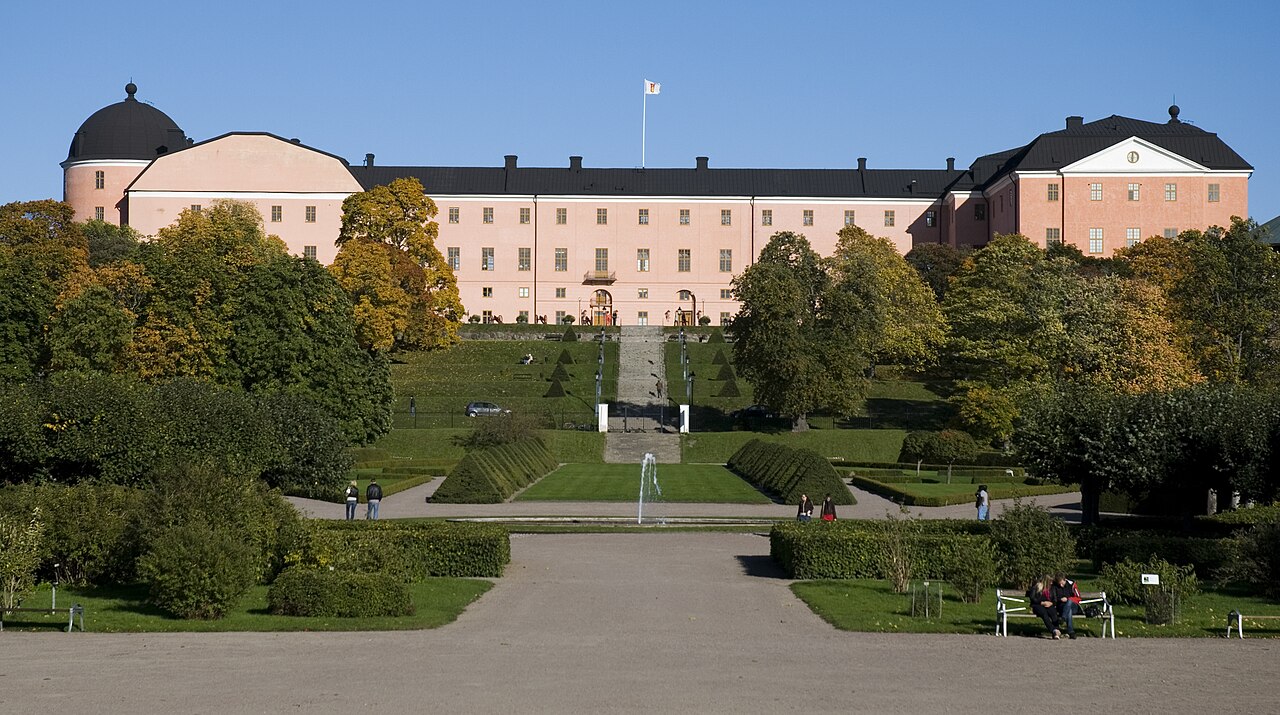
Uppsala Castle
1567
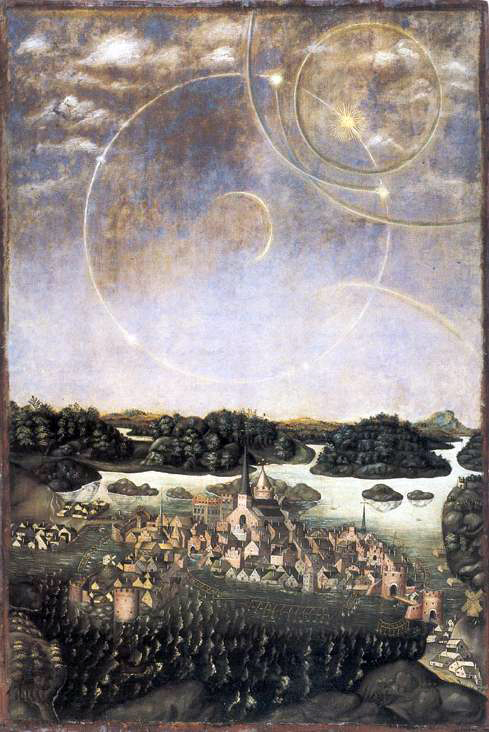
A fortress begun by King Gustav I in 1549 with its guns aimed at Uppsala Cathedral, showing the crown's new power over the Church.
Gustav began building this fortress in 1549, aiming its guns at the cathedral to assert royal power over the Church.
Free Humy account · No credit card · 53,307 sources to read
About this source
What it is
Uppsala Castle is a 16th-century royal fortress in Uppsala, Sweden, begun in 1549 during the reign of Gustav I. Built atop a large esker, it originally included royal apartments and two large bastions, one of which had its guns permanently aimed at Uppsala Cathedral.
Why it matters
The castle was built after a peasant uprising against Gustav's rule, as part of a wider plan to strengthen royal defences across the kingdom. Its battery trained on the cathedral reflects the hostility between the king and church authorities following the Reformation, when the crown took control away from the old Church. Later kings and queens, including Gustavus Adolphus and Christina, used the castle for major decisions in Swedish history.
Look closer
- Why might a king aim a castle's guns at a cathedral rather than an enemy army?
- What does this building tell you about the relationship between political and religious power in the 1500s?
- How might the castle's many later rebuildings make it harder to see what it looked like in Gustav's time?
This artifact is part of the curated material that grounds the AI version of Gustav Vasa on Humy.ai — when students ask about related events, the AI can quote it and cite it.
More Gustav Vasa sources
Browse all 97 →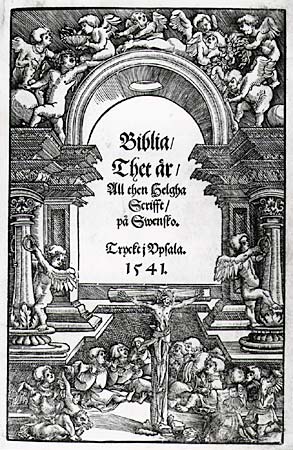 Book
Primary source
Gustav Vasa Bible
Olaus Petri · 1541
 Painting
Secondary source
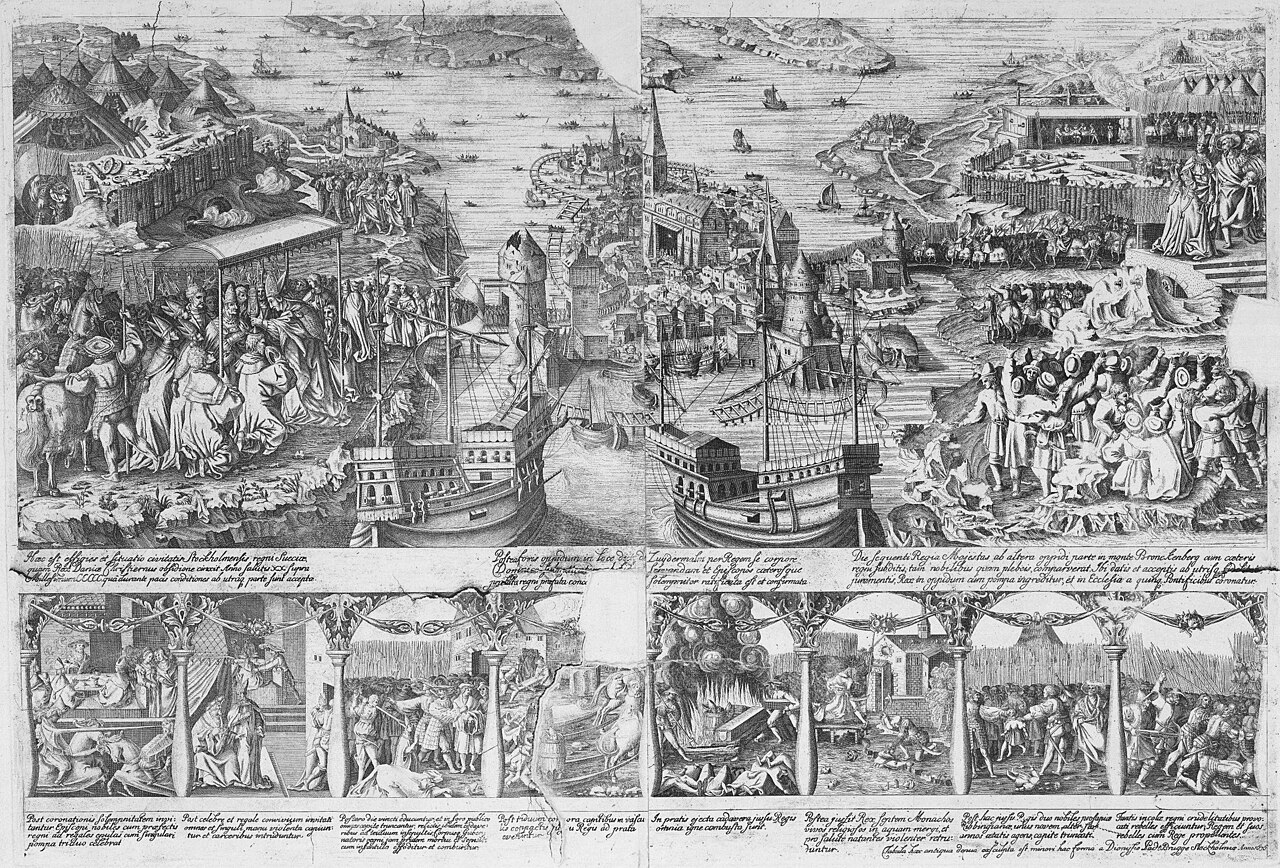
Blodbadsplanschen
Dionysius Padt-Brugge · 1676
 Painting
Primary source
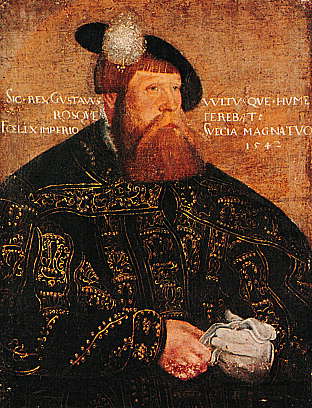
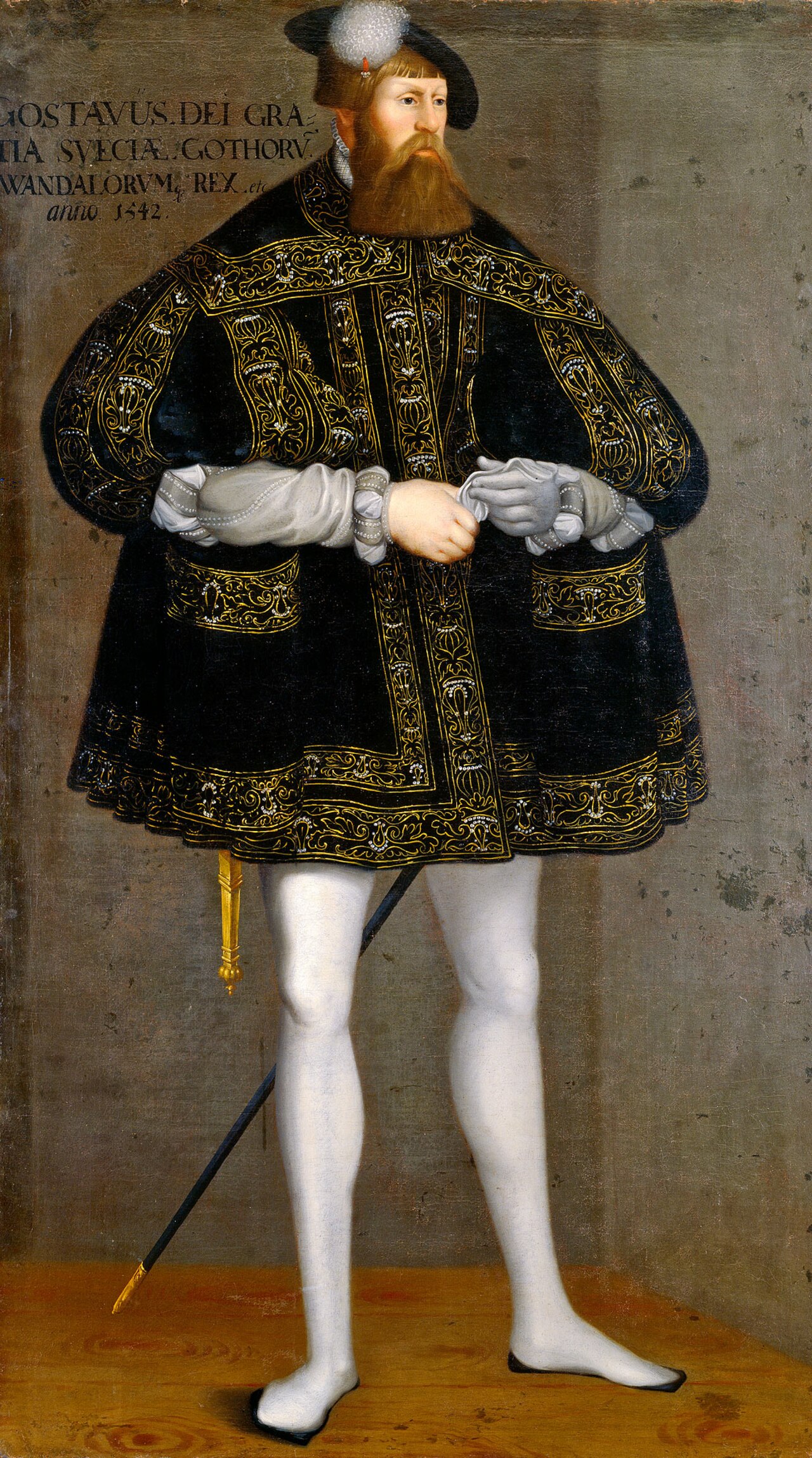
Portrait of Gustav I of Sweden
1542
 Sculpture
Secondary source
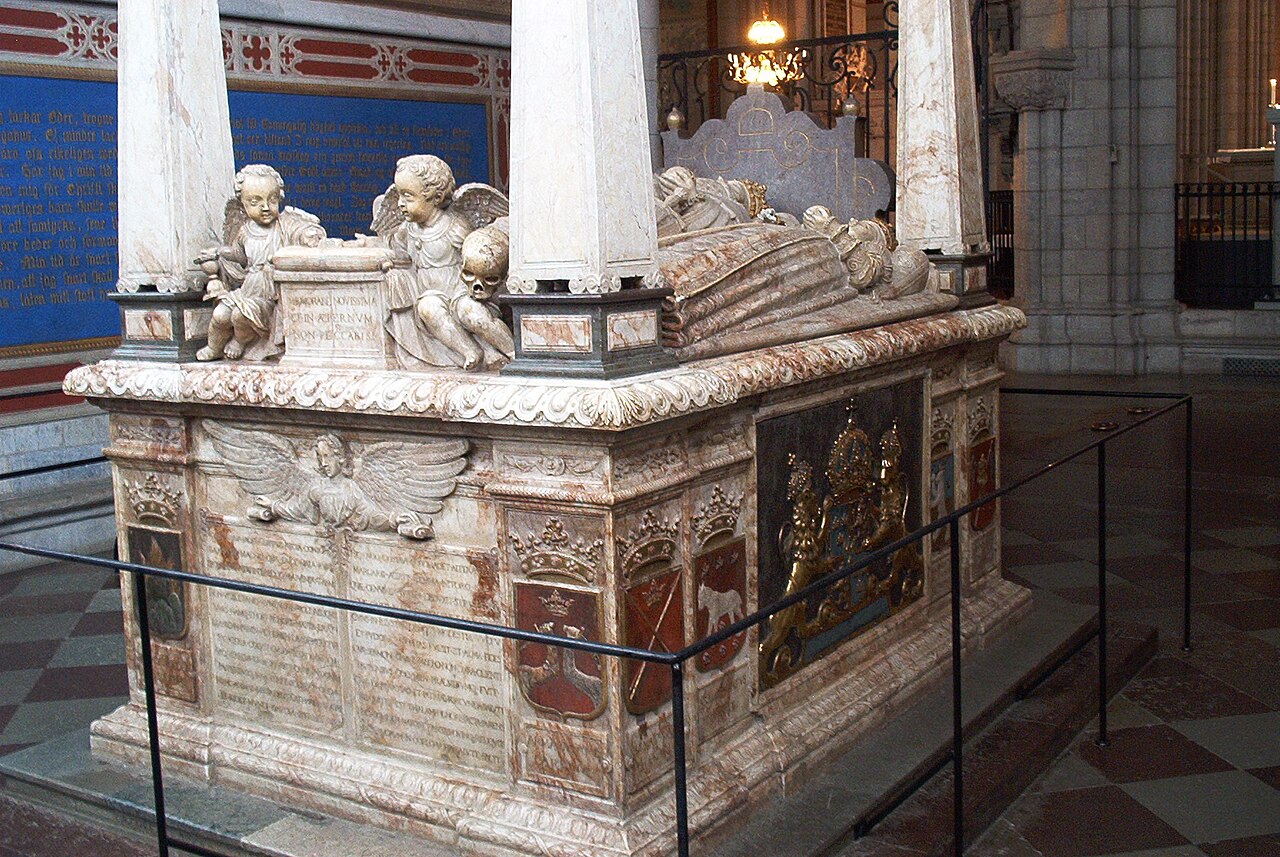
Grave of Gustav I of Sweden
Willem Boy
Free account
Browse every Gustav Vasa source
Sign up free →
Ready when you are
Start chatting with Gustav Vasa now.
20 messages free · No credit card · Available in 50+ languages.