


Primary sourceDocument30 April 1984
US-China Income Tax Convention, signed April 30, 1984
Ronald Reagan · 30 April 1984
An income tax treaty between the United States and the People's Republic of China, signed in Beijing on April 30, 1984 by Ronald Reagan.
Reagan signed this treaty as president in Beijing, so it records his government's diplomacy with China.
About this source
What it is
This is the text of an income tax convention between the United States and the People's Republic of China, in English. The agreement was signed at Beijing on April 30, 1984, and the text ends with Reagan's signature as President of the United States. The record also lists a second protocol signed on May 10, 1986, Senate ratification advised on July 24, 1986, the exchange of instruments of ratification on October 22, 1986, and entry into force on January 1, 1987.
Why it matters
The treaty is an example of practical diplomacy between two governments that had restored relations in the late 1970s. It sets out rules on which persons are covered, which taxes apply, and how income such as dividends, interest and royalties is treated. Reading it shows how the two countries agreed to share taxing rights over business and personal income.
Look closer
- Which people and which taxes does the treaty say it covers?
- Why were a second protocol and Senate approval needed before the treaty took effect?
- What does a legal text like this tell us about the country's priorities, and what does it leave out about daily life?
This document is part of the curated material that grounds the AI version of Ronald Reagan on Humy.ai — when students ask about related events, the AI can quote it and cite it.
More Ronald Reagan sources
Meet the AI Ronald Reagan →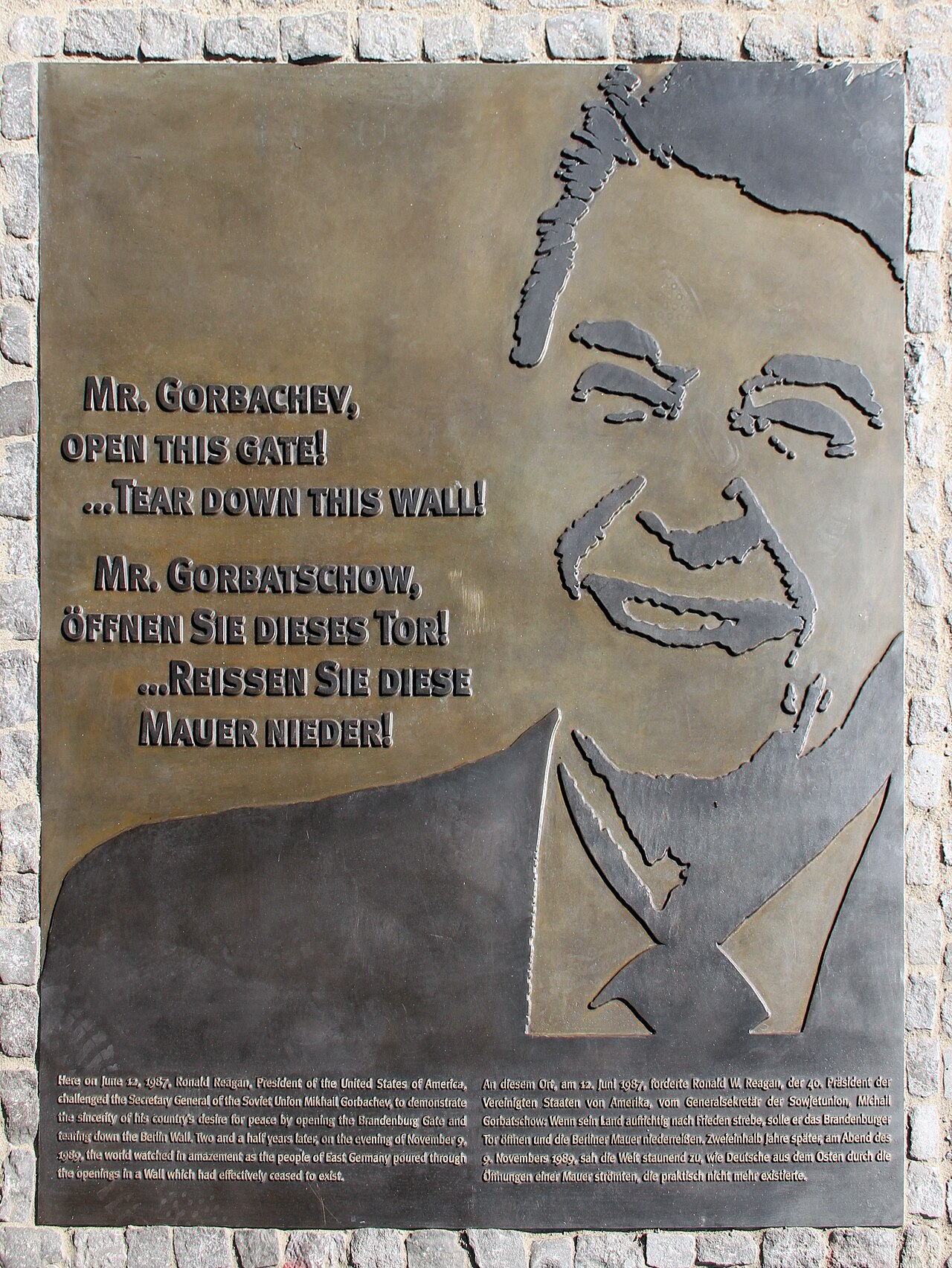 Speech
Primary source
Tear down this wall!
Ronald Reagan · 12 June 1987
Primary source
Ronald Reagan's Inaugural Address, January 20, 1981
Ronald Reagan · 20 January 1981
 Speech
Primary source
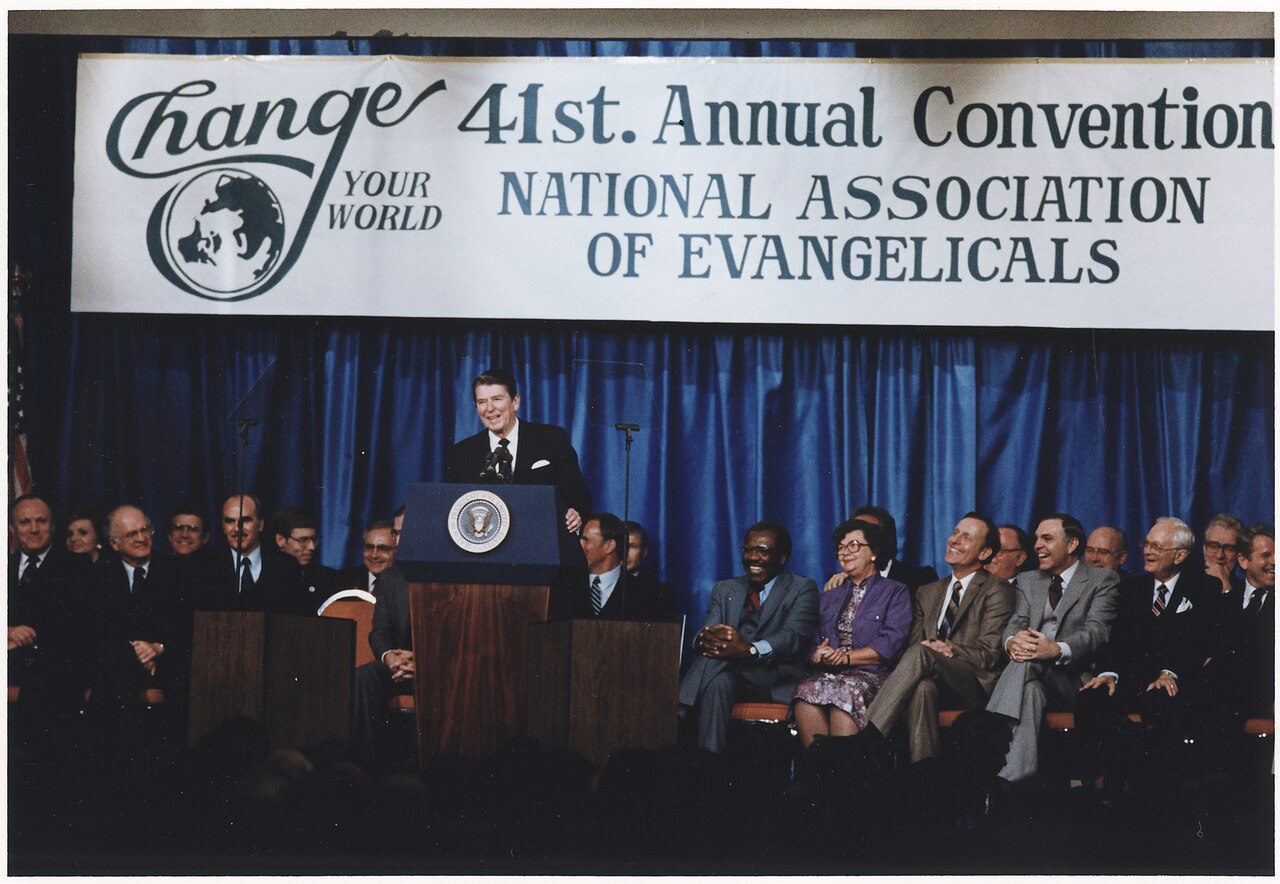
Evil Empire speech
Ronald Reagan · 8 March 1983
Primary source
A Time for Choosing
Ronald Reagan · 27 October 1964
 Document
Primary source
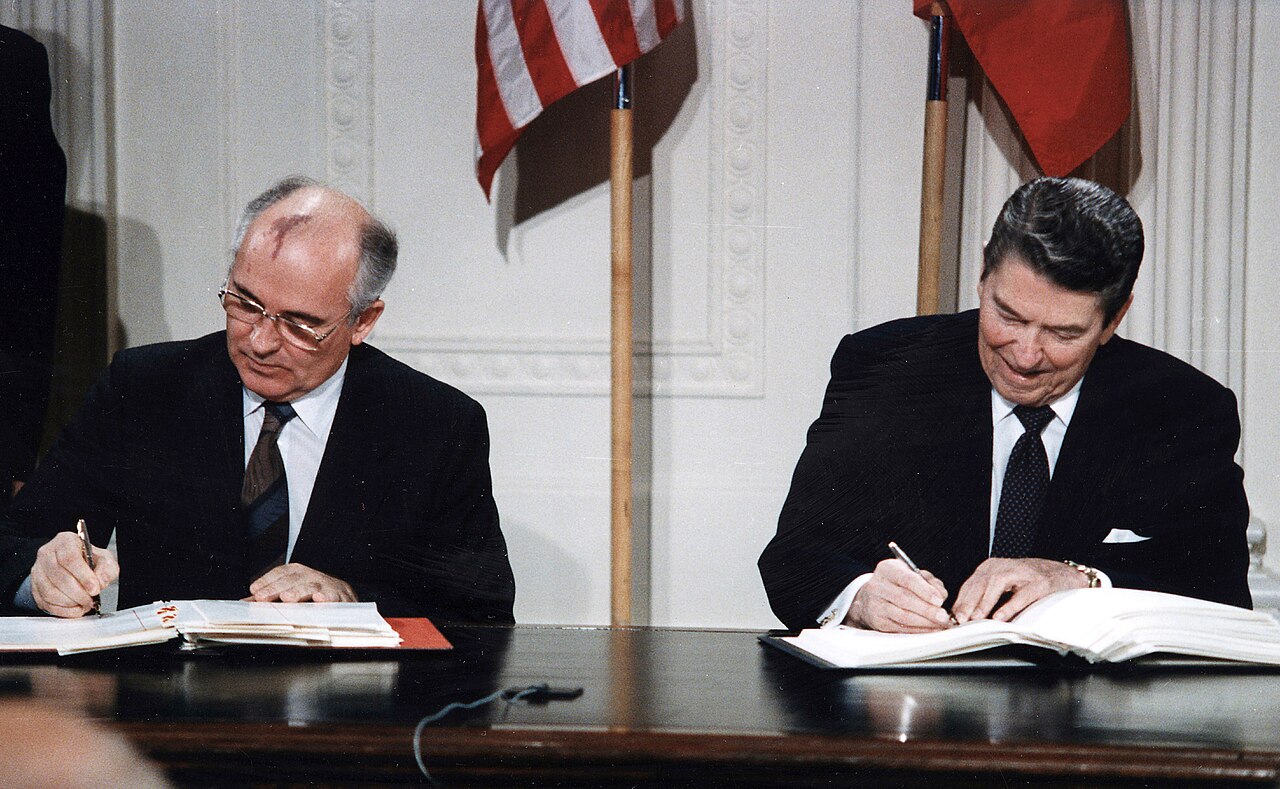
Intermediate-Range Nuclear Forces Treaty
8 December 1987
Ready when you are
Start chatting with Ronald Reagan now.
20 messages free · No credit card · Available in 50+ languages.