


Secondary sourceArtifact1545
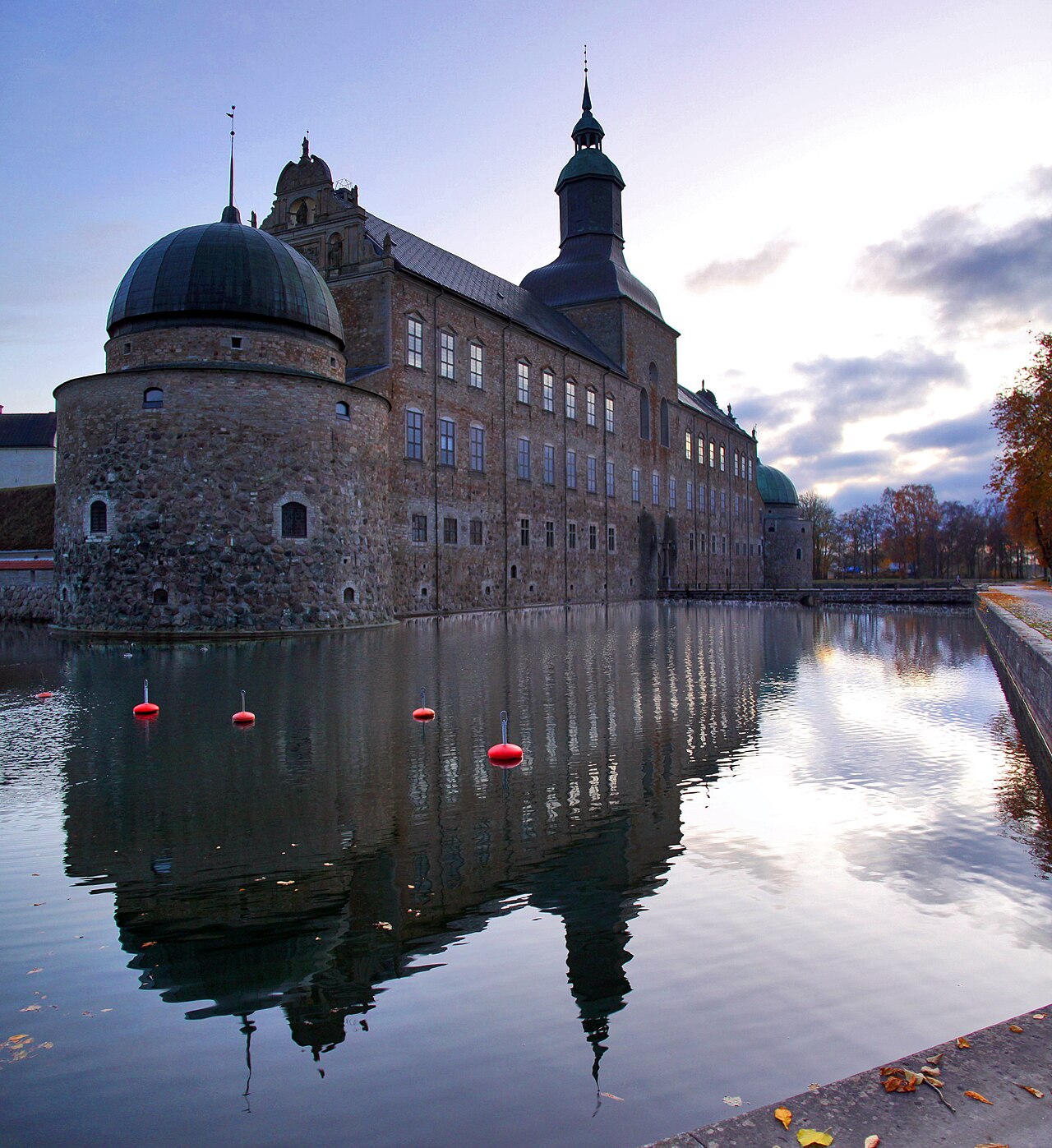
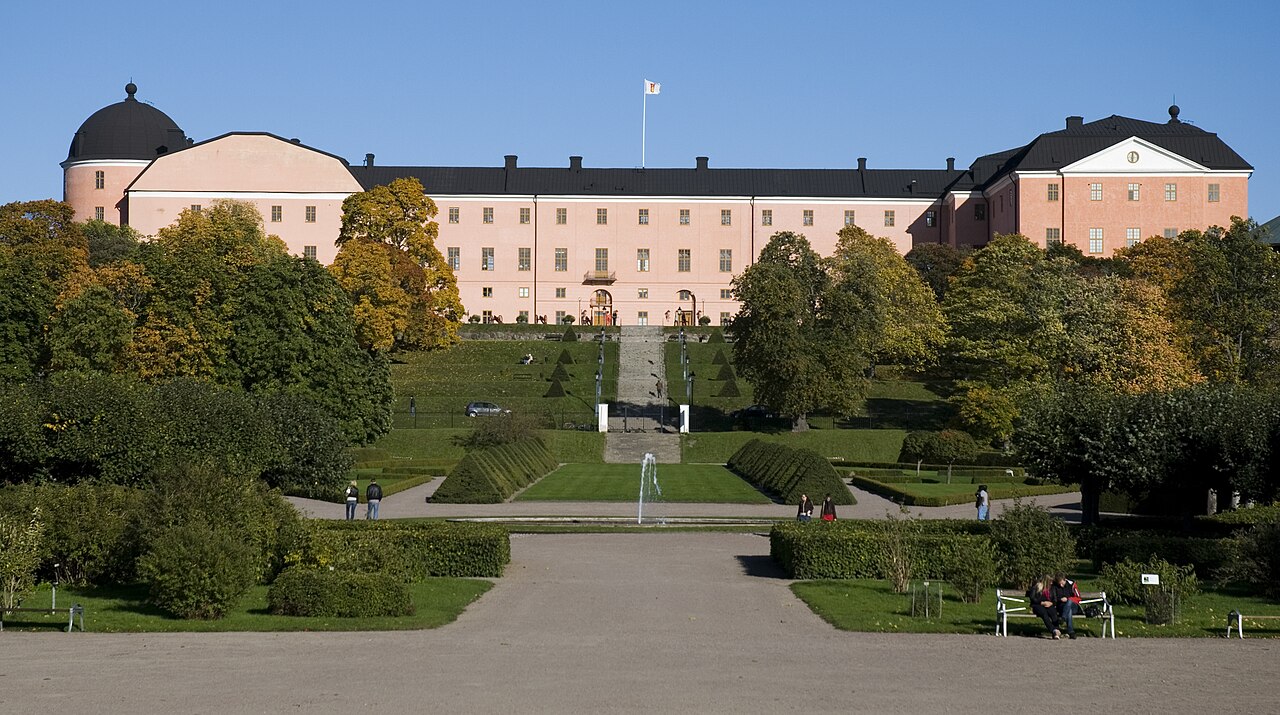
Vadstena Castle
1545
A fortress begun in 1545 by King Gustav I to defend the lake route to Stockholm, later turned into a Renaissance palace by his sons.
Gustav I commissioned Vadstena Castle in 1545 as a defensive fortress, and later married there in 1552.
Free Humy account · No credit card · 53,307 sources to read
About this source
What it is
Vadstena Castle stands on Lake Vättern in Östergötland, Sweden. King Gustav I began it in 1545 as a defensive fortress with stone buildings, ramparts, a moat and cannon turrets, meant to protect Stockholm from attack from the south.
Why it matters
The fortress shows Gustav's programme of building strongpoints to secure his kingdom. His son Duke Magnus later began turning it into a livable Renaissance palace, and Gustav himself married his third wife, Catherine Stenbock, at Vadstena in 1552. By the time it was finished, every king of the House of Vasa had contributed to it, showing how the dynasty continued his work.
Look closer
- What features in the original design tell you this was built for defence rather than comfort?
- Why might later Vasa kings have wanted to keep adding to a fortress their father started?
- What does the castle's later use as a grain barn suggest about changing royal priorities?
This artifact is part of the curated material that grounds the AI version of Gustav Vasa on Humy.ai — when students ask about related events, the AI can quote it and cite it.
More Gustav Vasa sources
Browse all 97 →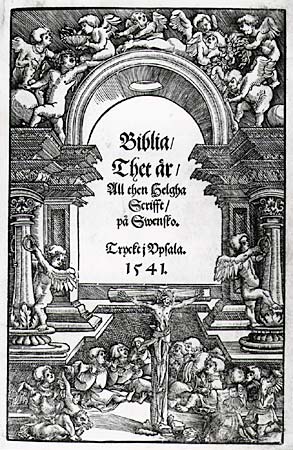 Book
Primary source
Gustav Vasa Bible
Olaus Petri · 1541
 Painting
Secondary source
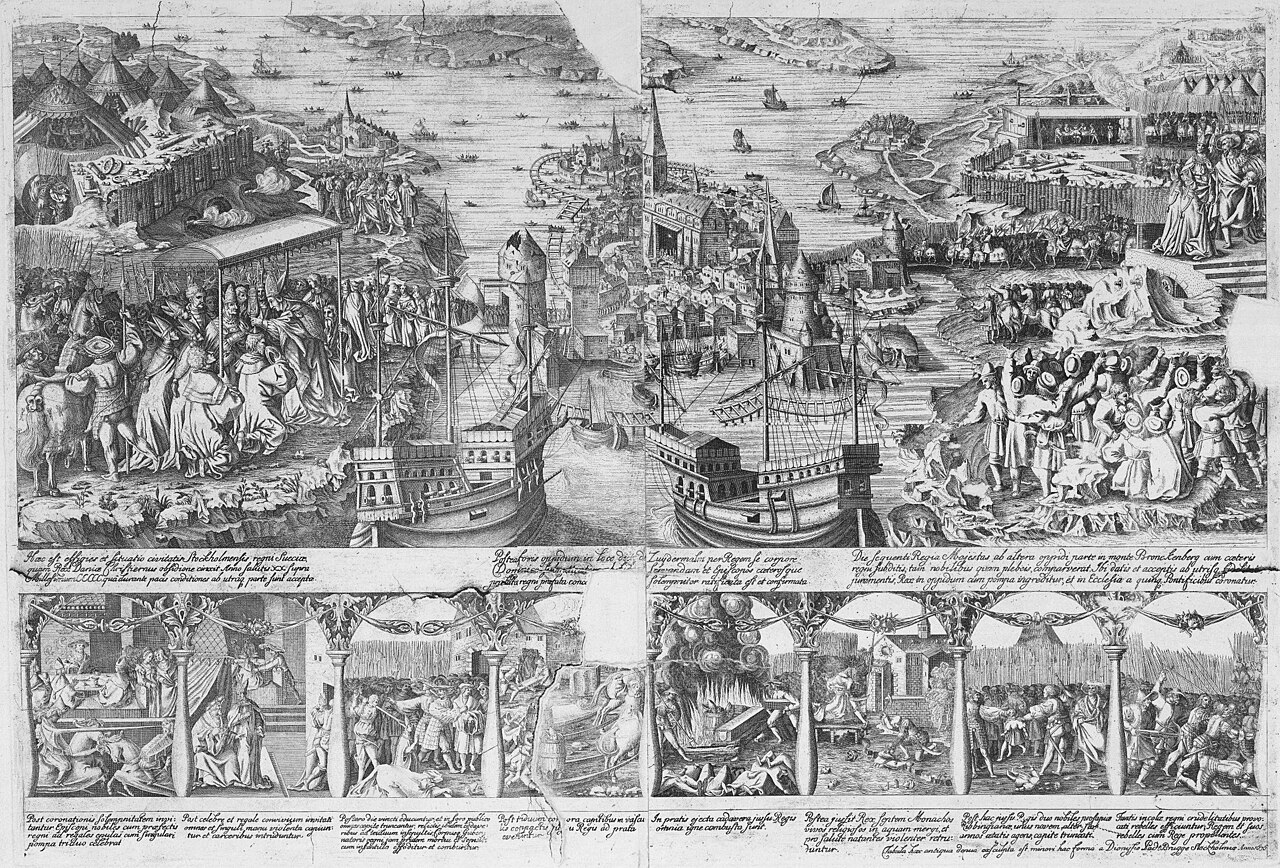
Blodbadsplanschen
Dionysius Padt-Brugge · 1676
 Painting
Primary source
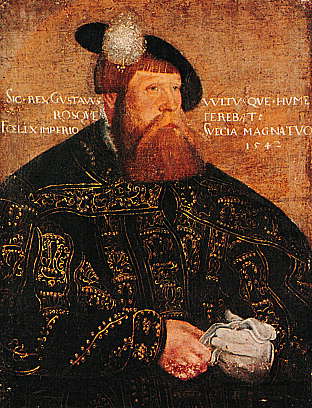
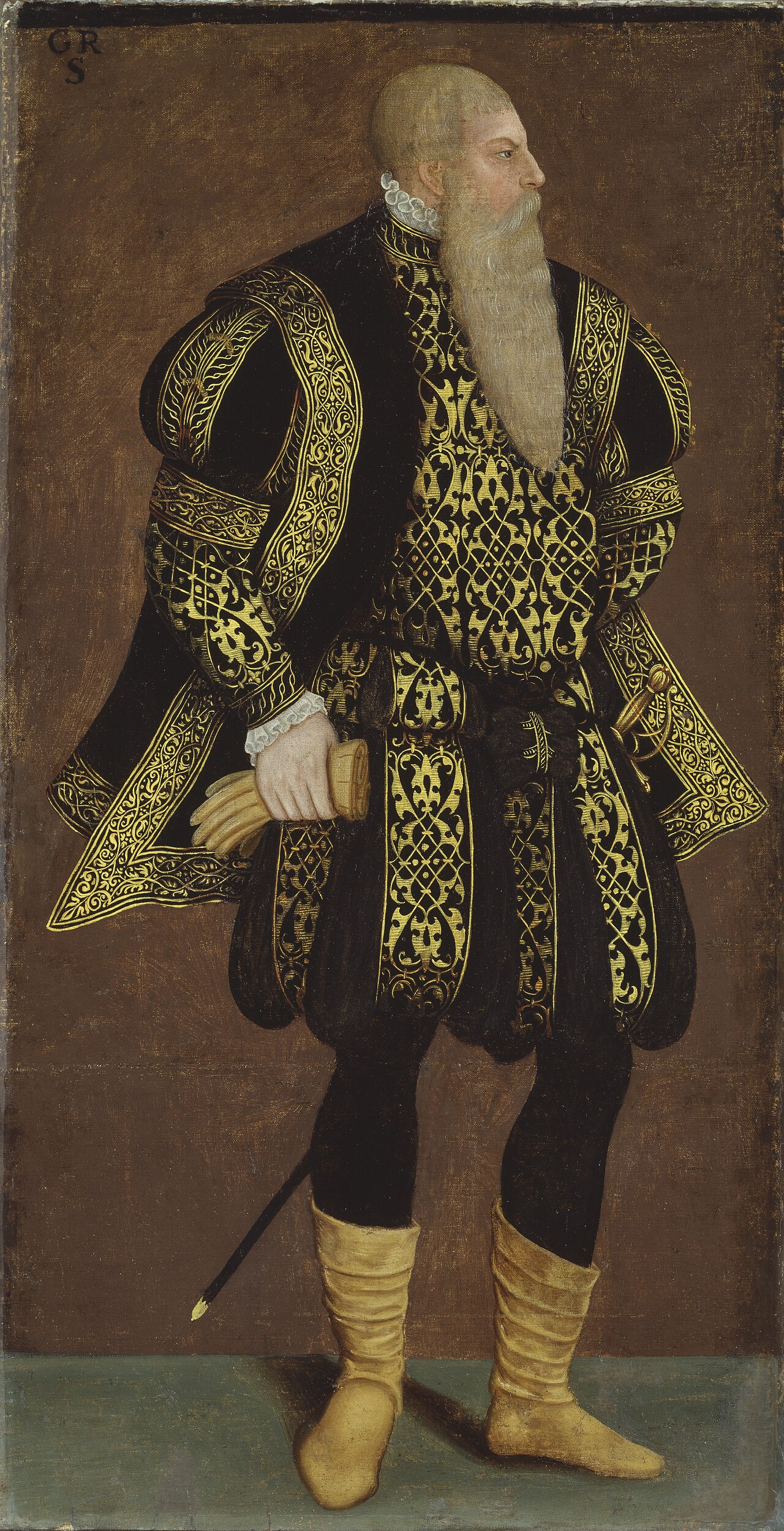
Portrait of Gustav I of Sweden
1542
 Sculpture
Secondary source
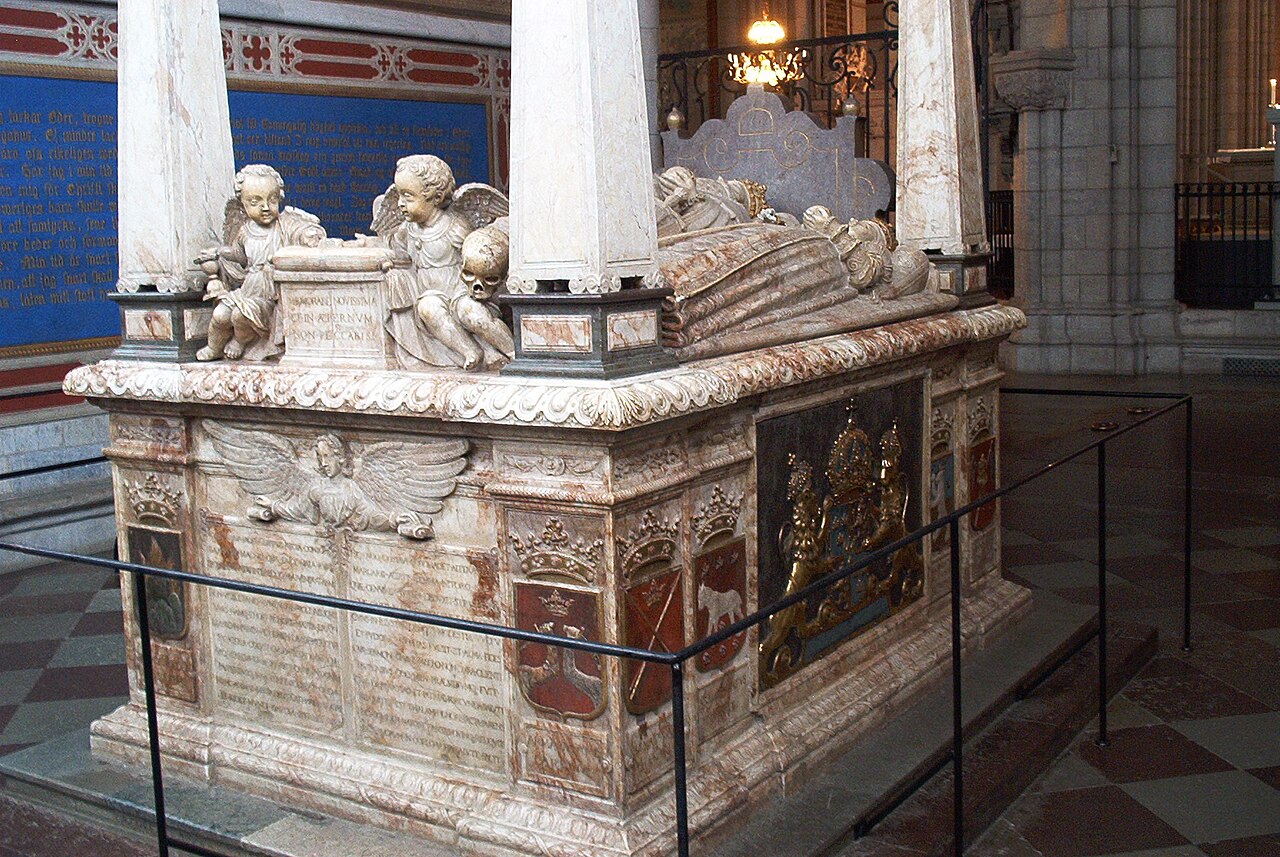
Grave of Gustav I of Sweden
Willem Boy
Free account
Browse every Gustav Vasa source
Sign up free →
Ready when you are
Start chatting with Gustav Vasa now.
20 messages free · No credit card · Available in 50+ languages.