


Primary sourceArtifactburied soon after 927
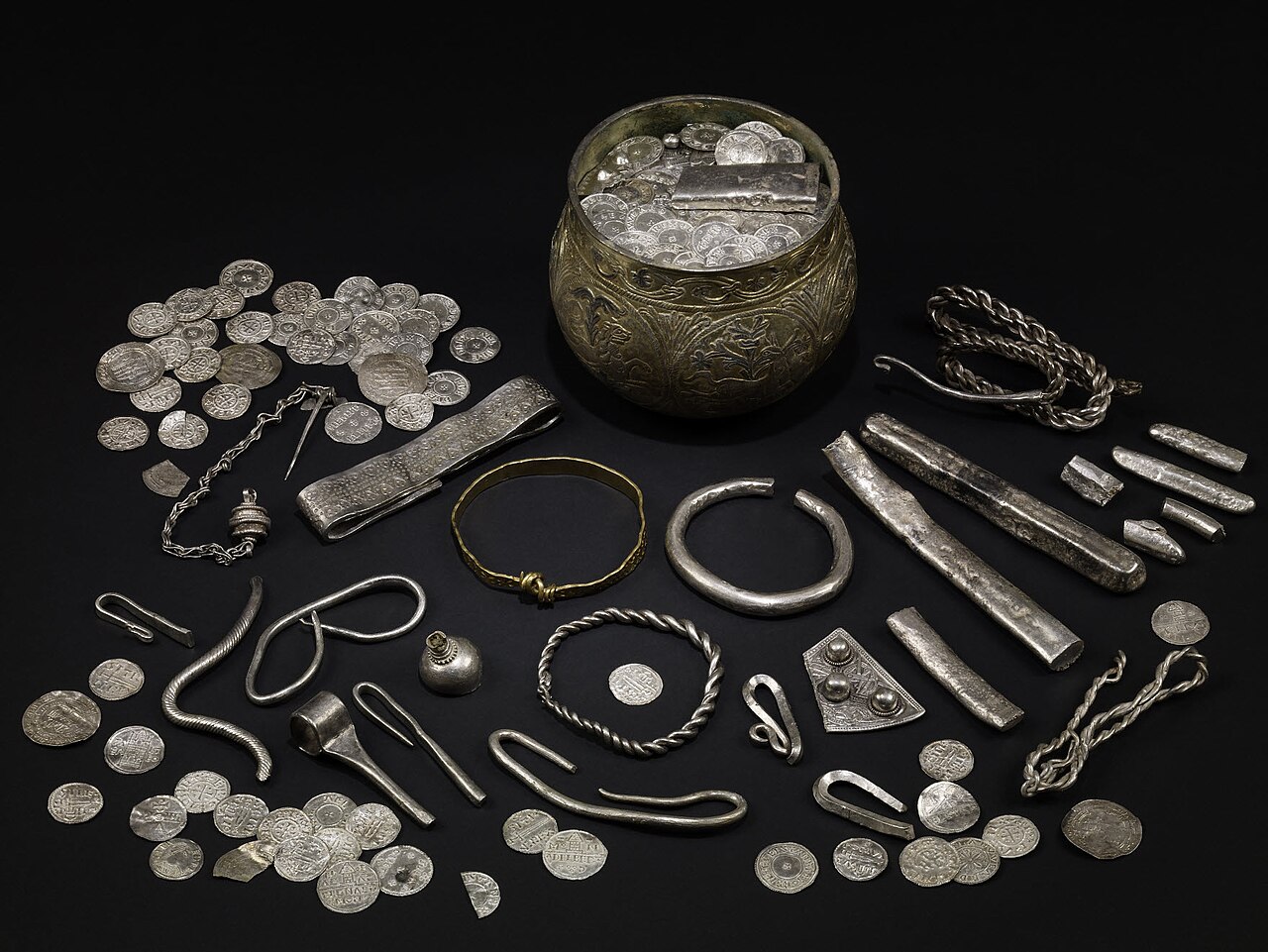
Vale of York Hoard
buried soon after 927
A large Viking hoard buried in Yorkshire soon after Æthelstan's conquest of York, containing one of his coins.
This hoard, buried after Æthelstan's conquest of Northumbria, includes one of his coins among Viking treasure.
About this source
What it is
Found in 2007 near Harrogate, this hoard of 617 silver coins and 65 other items was hidden in a gilt silver bowl inside a lead chest. It is now held by the Yorkshire Museum and the British Museum. The objects came from as far away as Samarkand, North Africa, Ireland and Scandinavia.
Why it matters
The hoard was likely buried during the unrest following Æthelstan's conquest of the Viking kingdom of Northumbria in 927. It includes one of his coins, directly tying the find to his reign, and shows the wide trading world of the Vikings he was ruling over — a mix of Christian, Islamic and pagan Norse symbols appears on the coins.
Look closer
- Why might someone bury treasure like this during a time of conquest and unrest?
- What do the coins' mixed symbols tell you about the beliefs of Vikings living under Æthelstan's rule?
- What does the hoard's wide range of origins tell you about Viking trade networks?
This artifact is part of the curated material that grounds the AI version of Aethelstan on Humy.ai — when students ask about related events, the AI can quote it and cite it.
More Aethelstan sources
Meet the AI Aethelstan →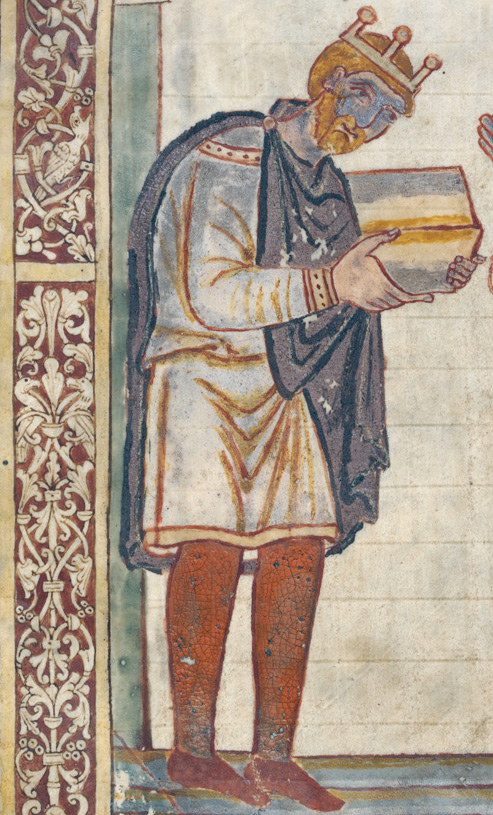 Painting
Primary source
Æthelstan Presenting a Book to St Cuthbert
c. 934
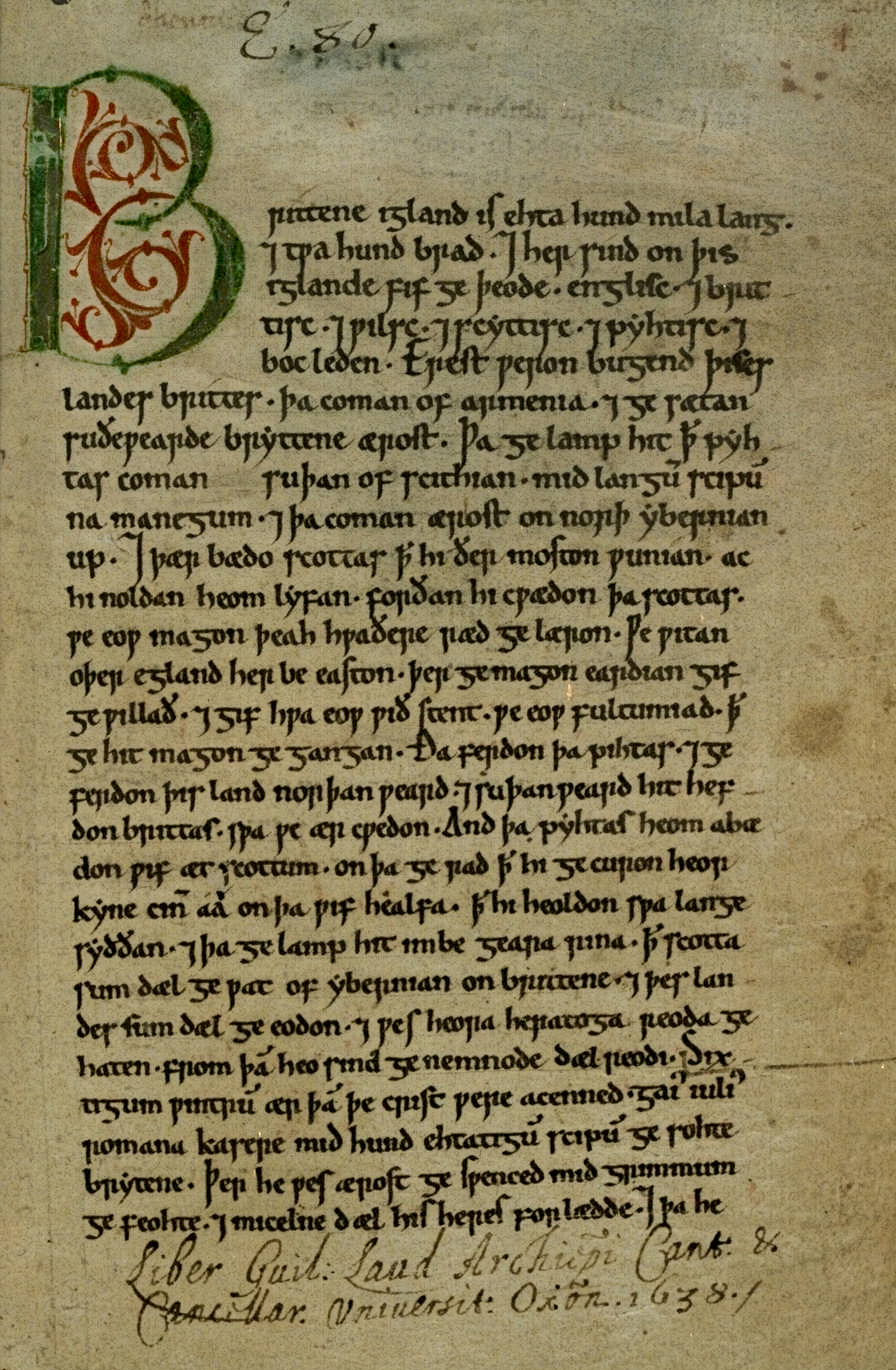 Document
Primary source
Anglo-Saxon Chronicle
c. 890 (Common Stock)
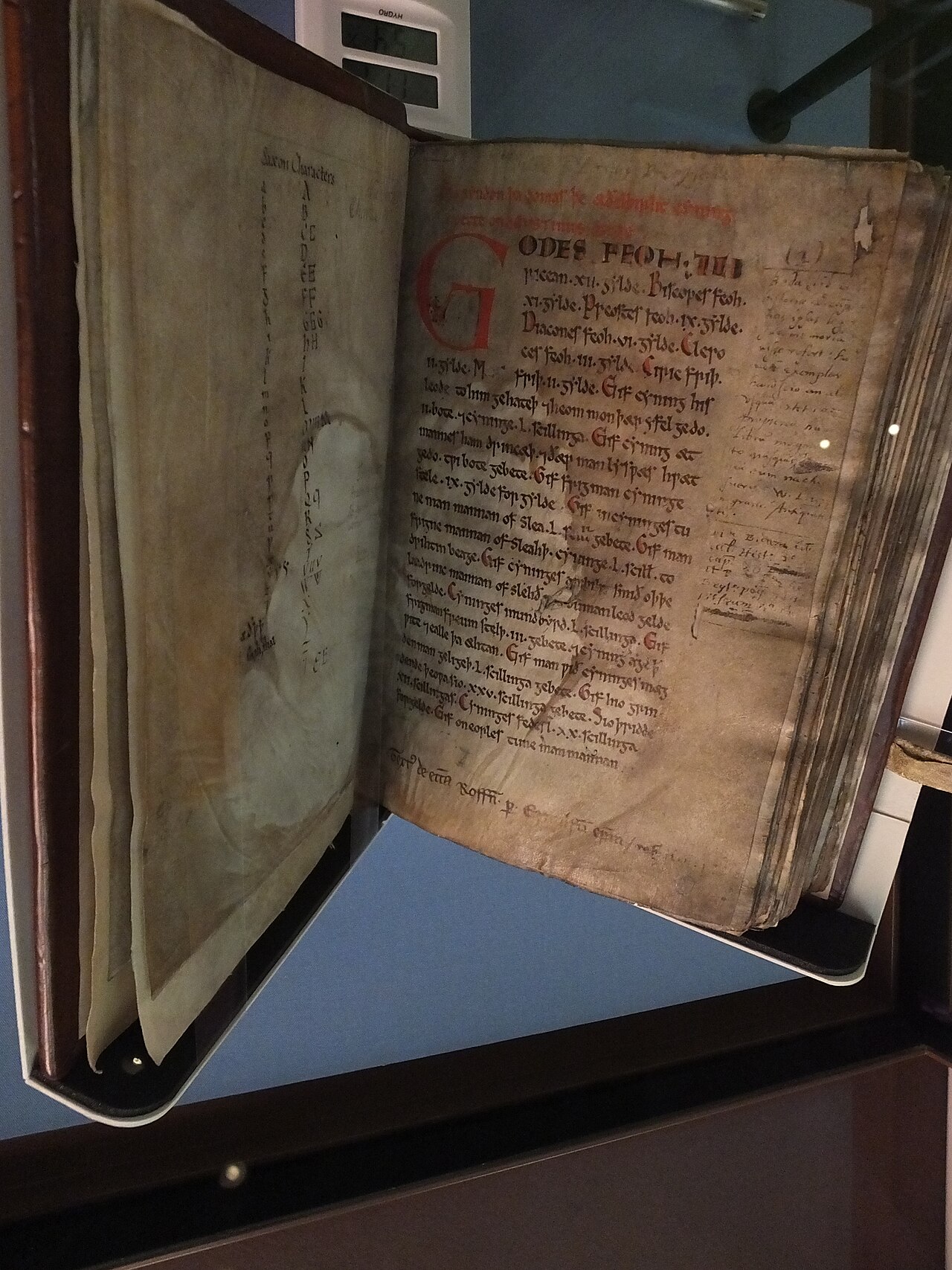 Document
Secondary source
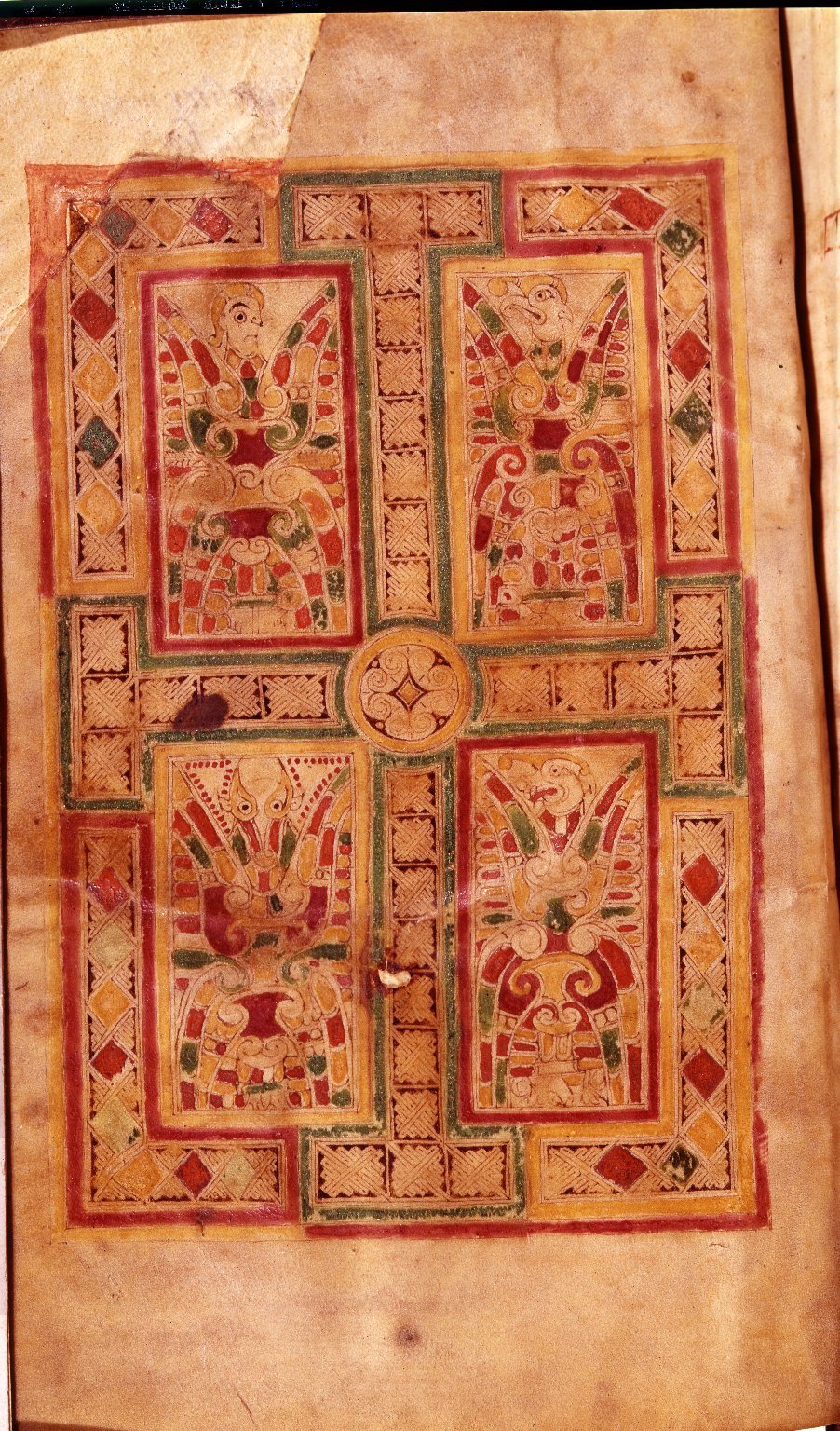
Textus Roffensis
c. 1300 (this copy; text 1122-1124)
 Book
Primary source
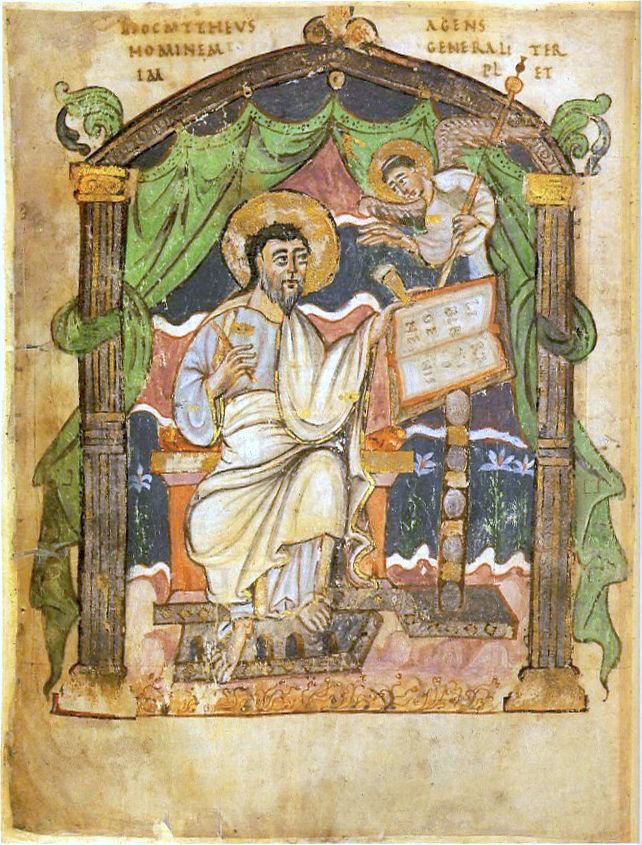
Mac Durnan Gospels
9th-10th century
 Book
Primary source
Coronation Gospels of Æthelstan
late 9th or early 10th century
Ready when you are
Start chatting with Aethelstan now.
20 messages free · No credit card · Available in 50+ languages.