


Secondary sourceNewspaper article1866
Van der Meer de Delft
Théophile Thoré · 1866
Thoré-Bürger's landmark 1866 essay in the Gazette des Beaux-Arts that revived Vermeer's reputation and proposed many attributions.
This 1866 essay is the key text that revived Vermeer's fame and shaped which paintings are attributed to him.
Free Humy account · No credit card · 120,912 sources to read
About this source
What it is
This is an essay written by the French critic William Bürger (Théophile Thoré) and published in 1866 in the Gazette des Beaux-Arts, a French art journal. It discusses the painter known then as 'Van der Meer de Delft', now known as Johannes Vermeer. It is a secondary source.
Why it matters
This essay is considered the text that rescued Vermeer from near total obscurity. Thoré-Bürger not only wrote about Vermeer's known paintings but also proposed attributions of other works to him, shaping which paintings later came to be seen as Vermeer's. This shows how much of an artist's modern reputation can depend on the judgments of later critics.
Look closer
- Why might a critic's opinion about who painted a picture matter so much, even centuries later?
- What risks are there when attributions of paintings are made long after the artist's death?
- What does the fact that Vermeer was 'forgotten' tell you about how fame in art history works?
This newspaper article is part of the curated material that grounds the AI version of Johannes Vermeer on Humy.ai — when students ask about related events, the AI can quote it and cite it.
More Johannes Vermeer sources
Browse all 95 →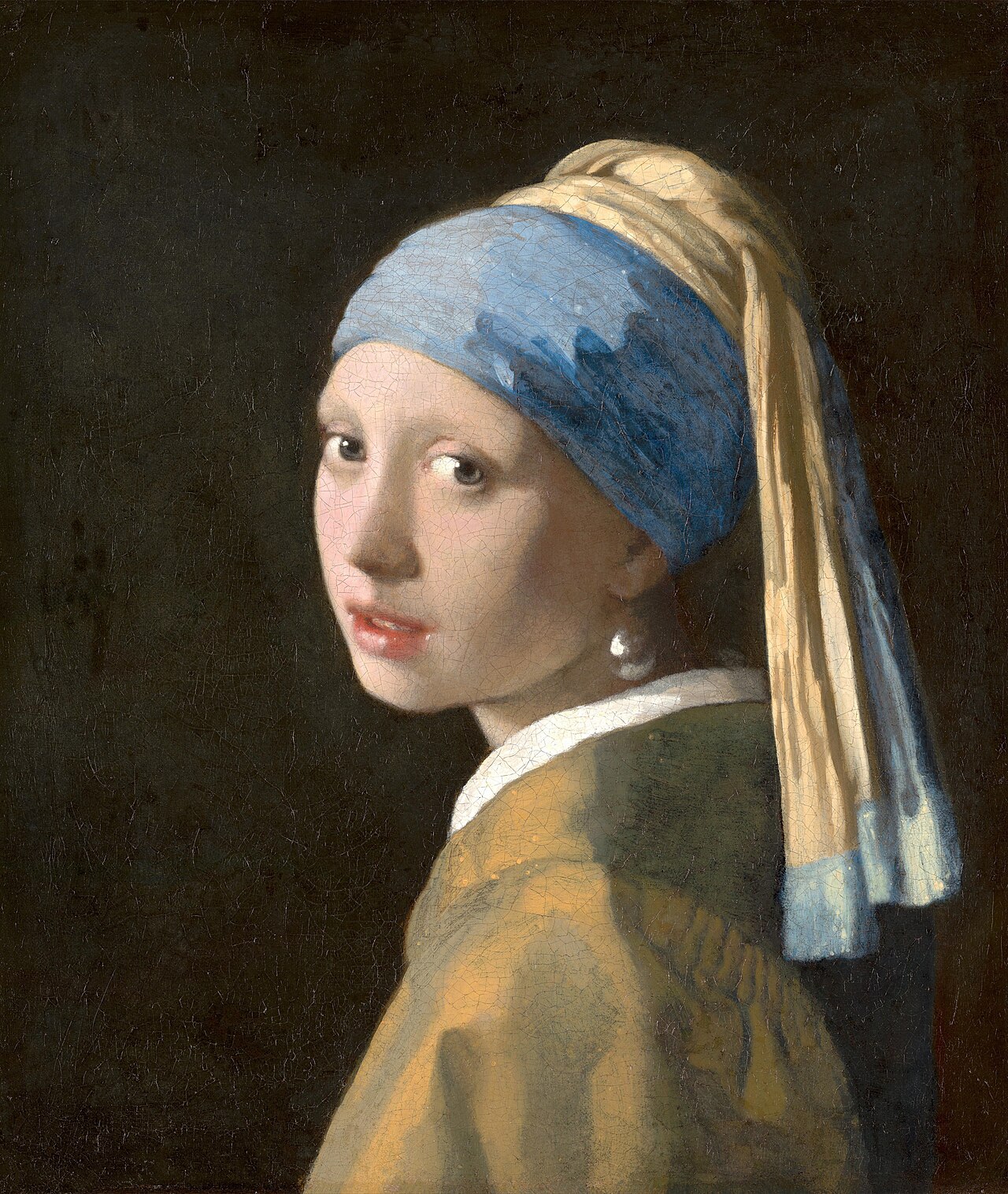 Painting
Primary source
Girl with a Pearl Earring
Johannes Vermeer · c. 1665
 Painting
Primary source
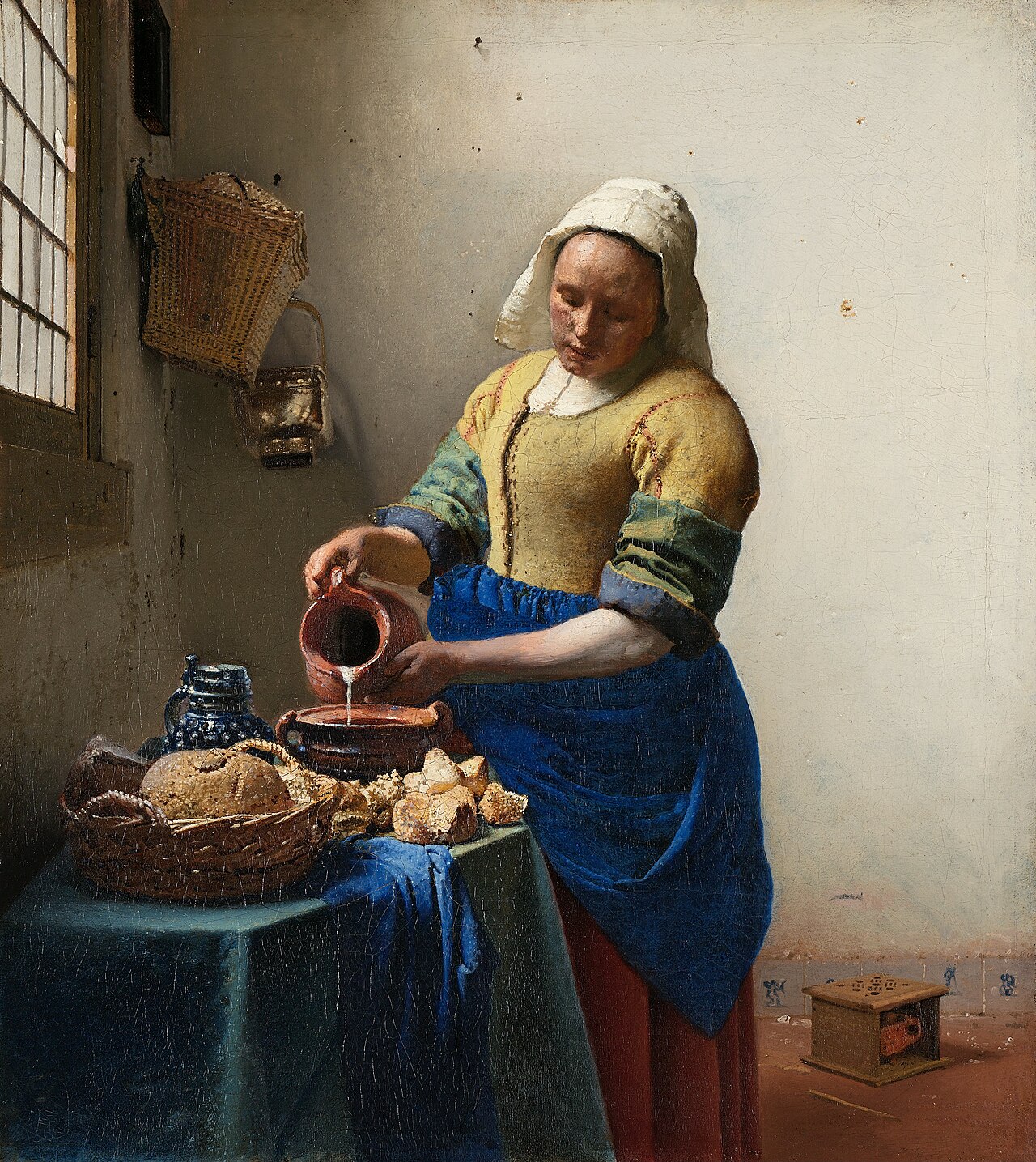
The Milkmaid
Johannes Vermeer · c. 1658-1661
 Painting
Primary source
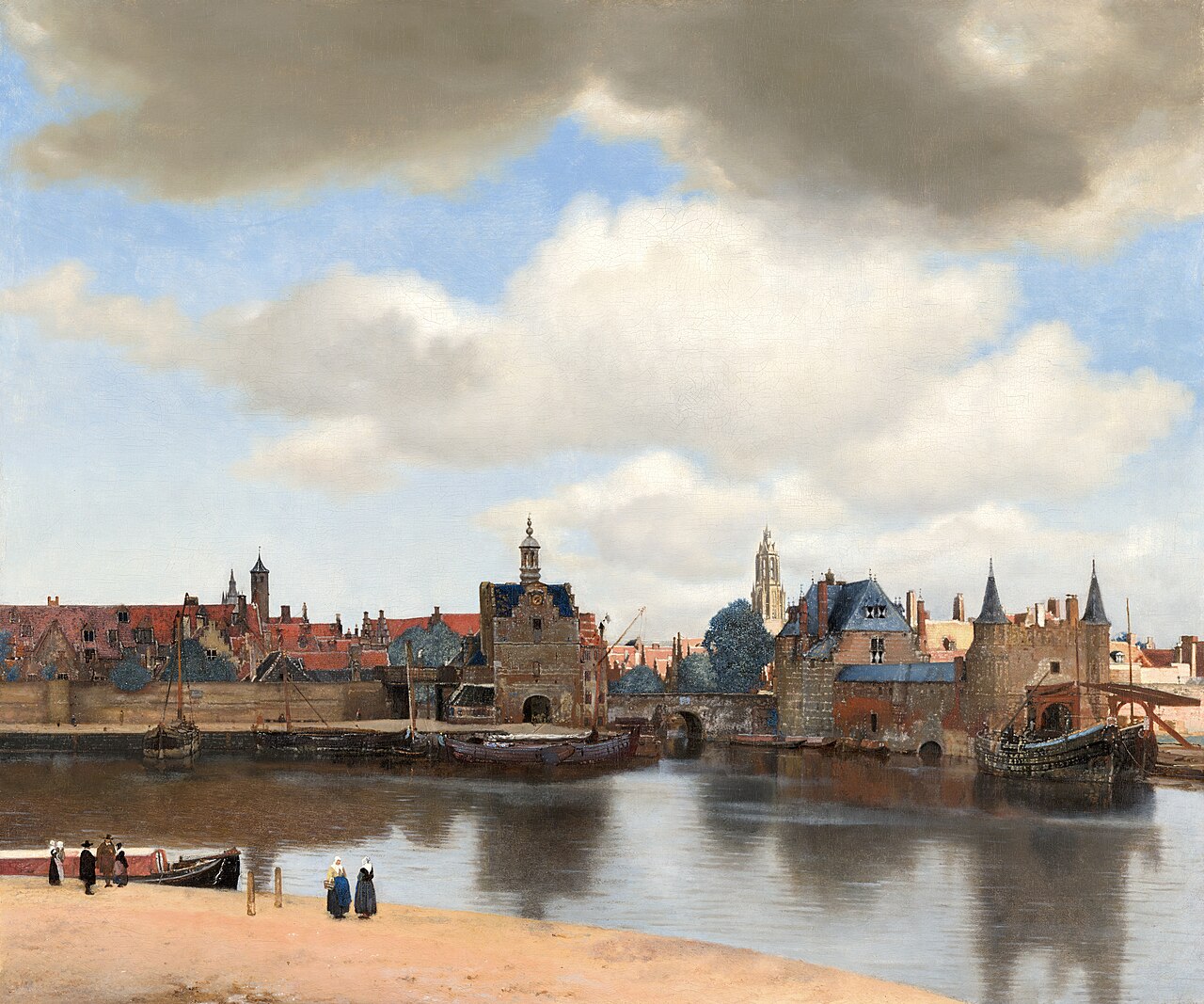
View of Delft
Johannes Vermeer · c. 1659-1661
 Painting
Primary source
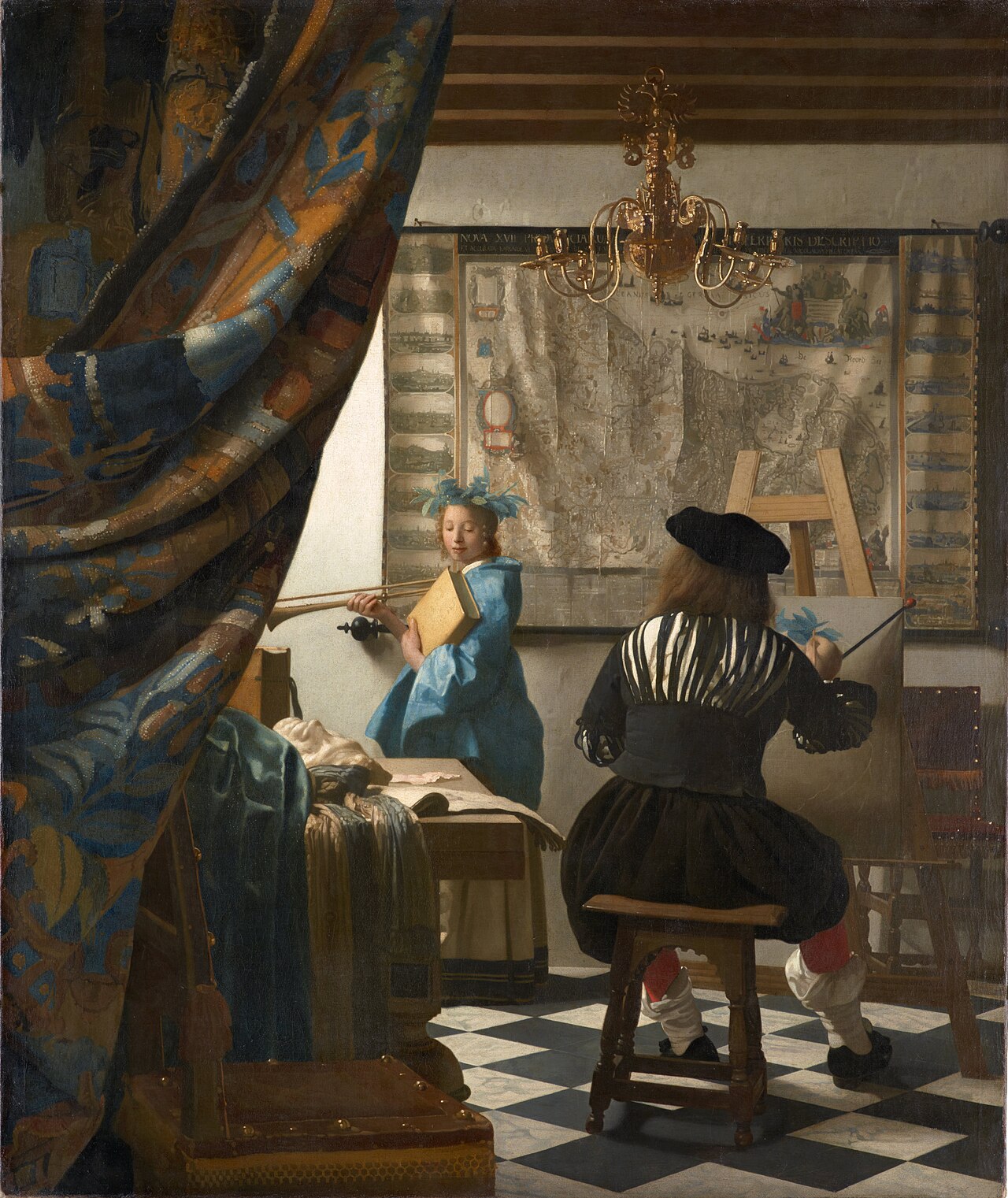
The Art of Painting
Johannes Vermeer · c. 1665-1668
Free account
Read every Johannes Vermeer source
Sign up free →
Ready when you are
Start chatting with Johannes Vermeer now.
20 messages free · No credit card · Available in 50+ languages.