


Primary sourceArtifactc. 1519
Vatican Loggias
Raphael's workshop · c. 1519
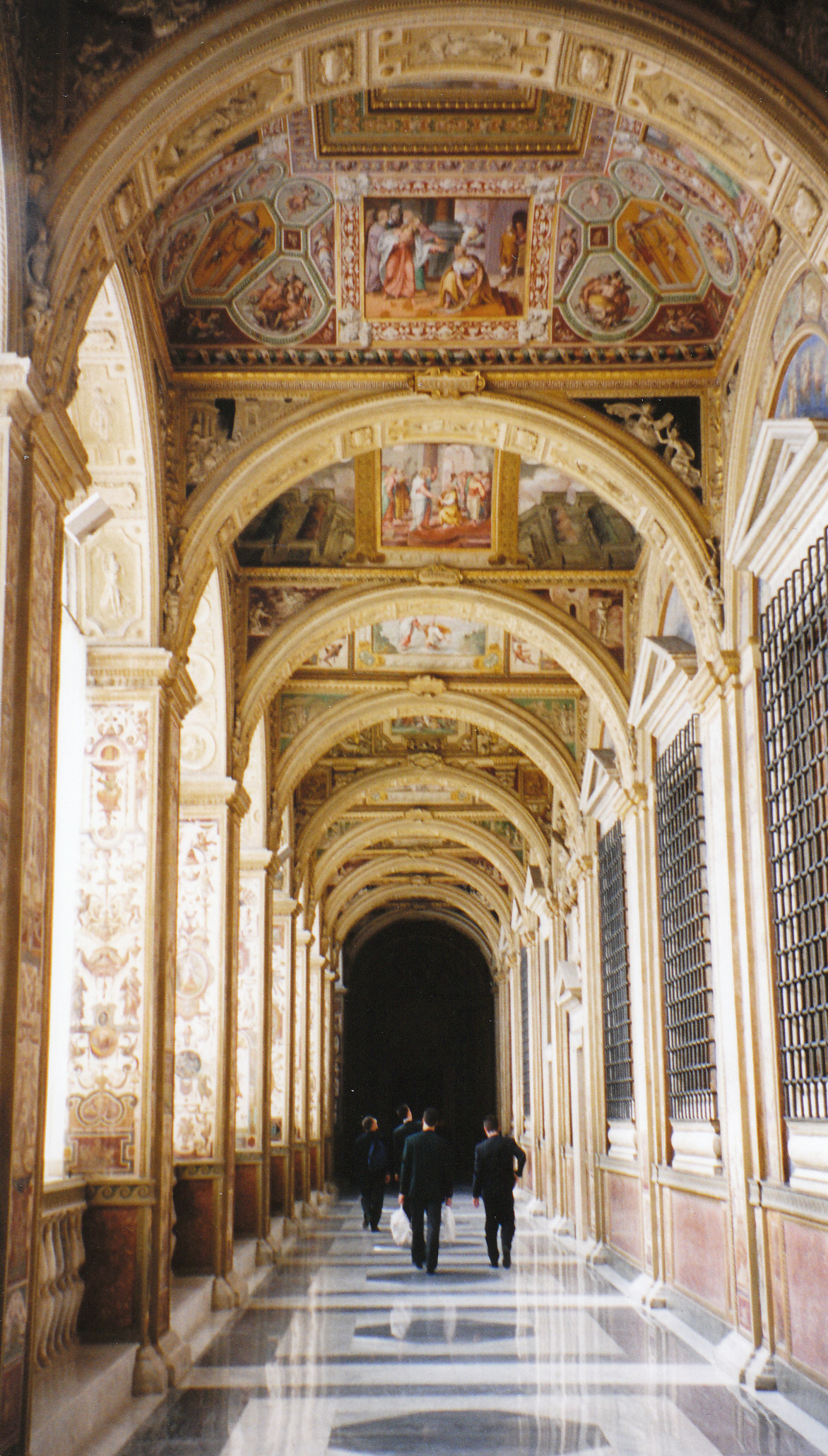
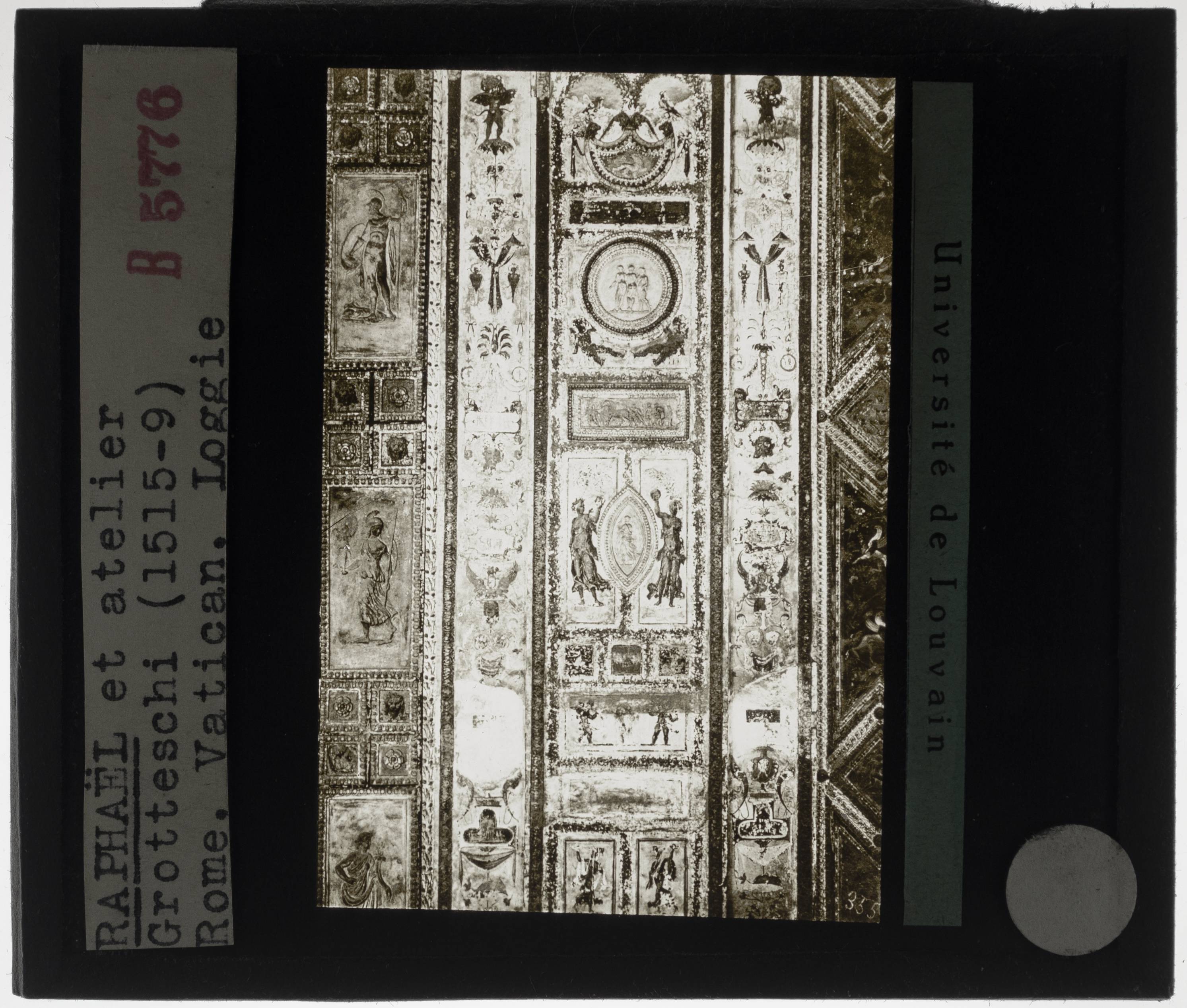
A corridor in the Apostolic Palace decorated by Raphael's workshop with biblical scenes and ancient-style grotesque designs.
Raphael directed the large team of artists who decorated this corridor, showing his role as a workshop master.
About this source
What it is
The Vatican Loggias are a corridor in the Apostolic Palace, begun by the architect Donato Bramante in 1512 and decorated with frescoes around 1519 by a large team of artists working under Raphael, including Giovanni da Udine. The decoration mixes small biblical scenes, later nicknamed "Raphael's Bible," with grotesque ornament inspired by newly rediscovered ancient Roman painting.
Why it matters
The loggias show how Raphael, by this point a famous and busy artist, worked through a large workshop rather than painting everything himself. The grotesque style used here became hugely influential, spreading across Europe as a model for decorative art — a copy was even built in Saint Petersburg centuries later.
Look closer
- Why might Raphael have chosen small figures and ornament rather than large paintings for this space?
- What does it mean that this work was produced by a "team" rather than by one artist alone?
- Why do you think this ancient Roman style became so popular across Europe afterward?
This artifact is part of the curated material that grounds the AI version of Raphael on Humy.ai — when students ask about related events, the AI can quote it and cite it.
More Raphael sources
Meet the AI Raphael →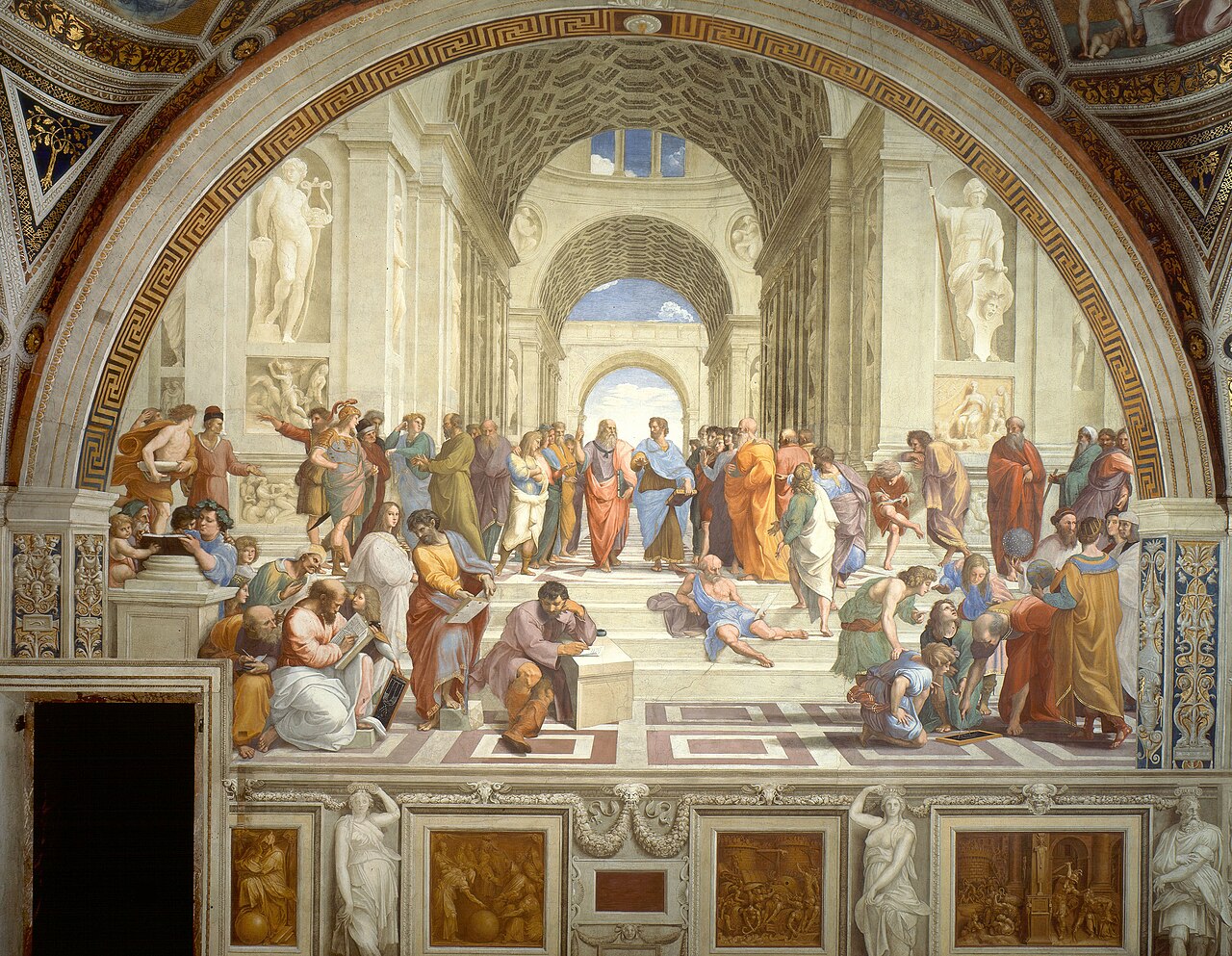 Painting
Secondary source
The School of Athens
Raphael · 1509-1511
 Painting
Secondary source
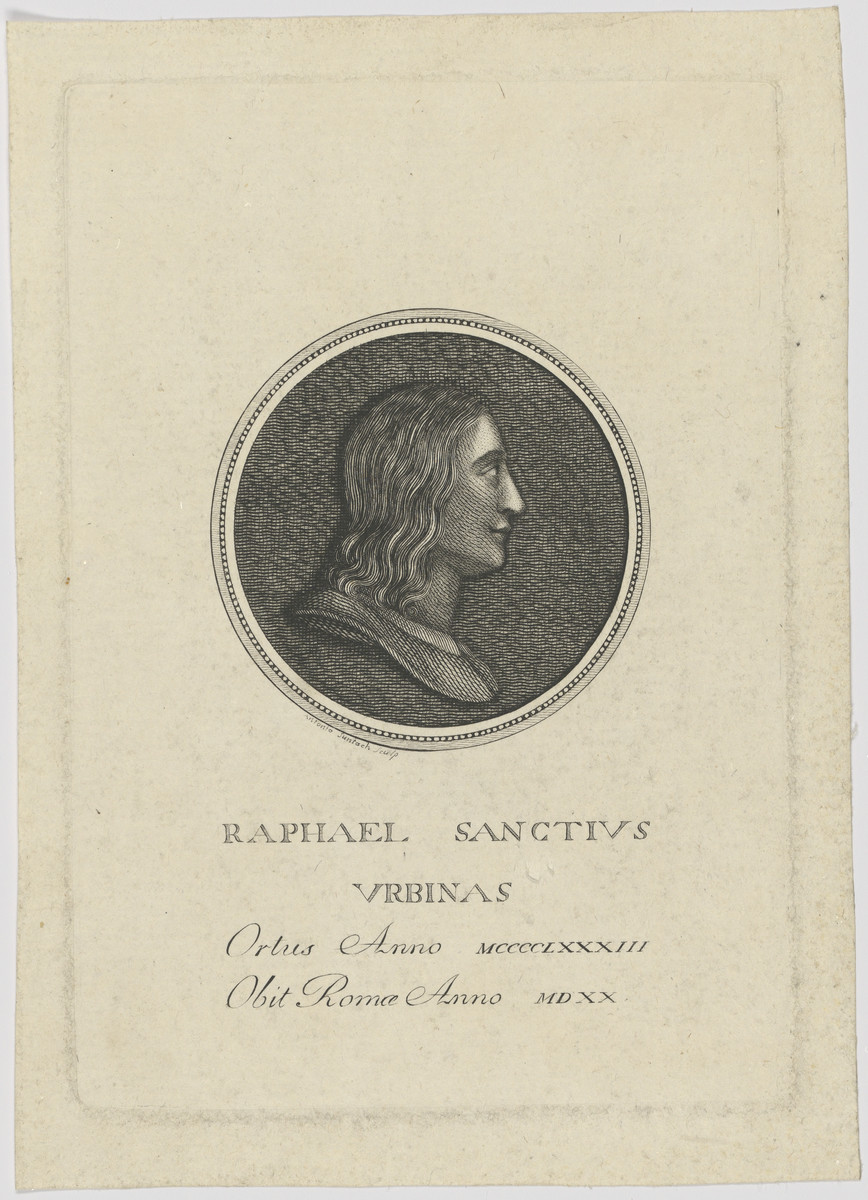
Portrait of Raphael Sanctive
Antonio Suntach
 Painting
Secondary source
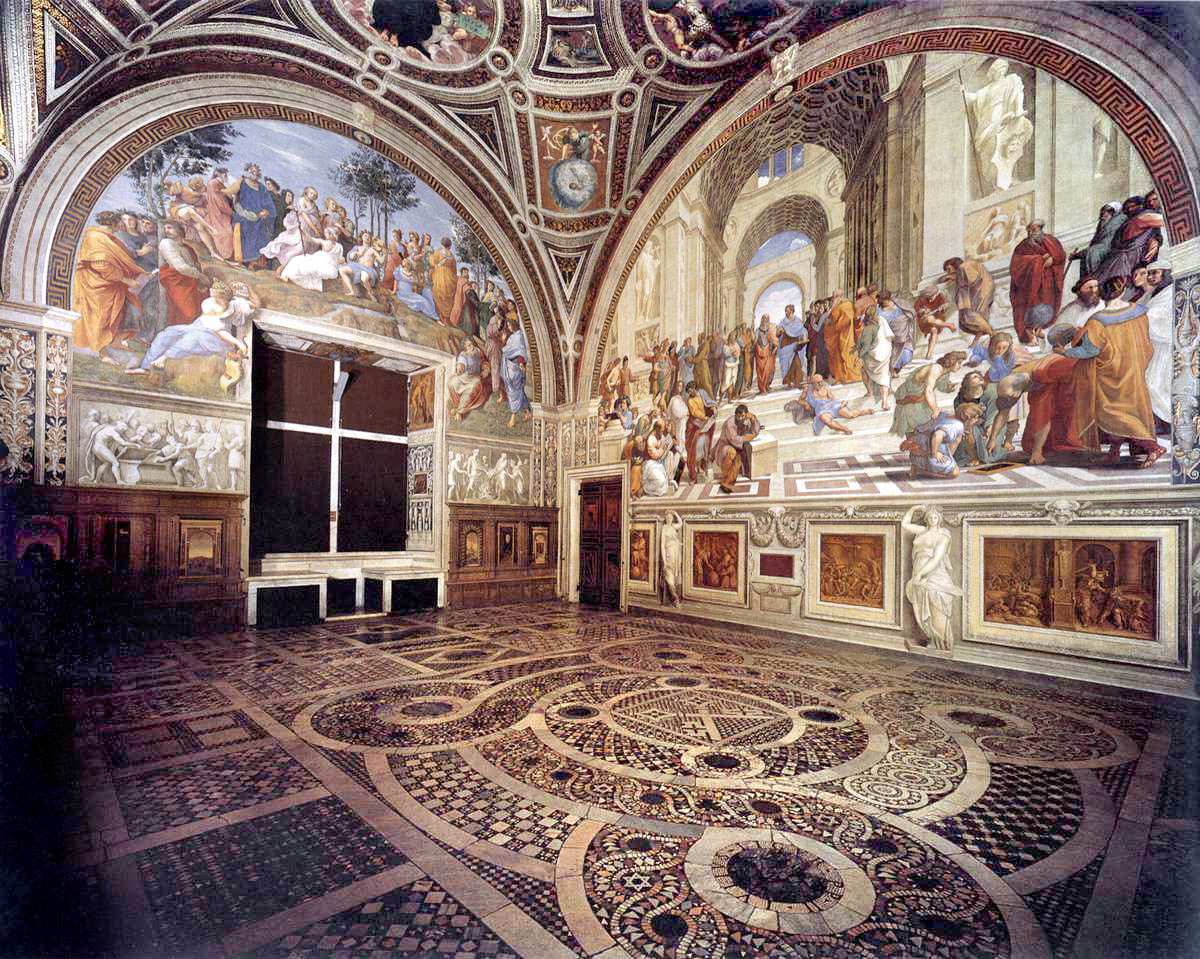
Raphael Rooms: Sala di Costantino
Raphael · 1508-1524
 Photograph
Secondary source
Glass Slide of Raphael's Grotesques in the Vatican
Raphael · 1518-1519 (fresco); slide made 1839-1939
 Painting
Primary source
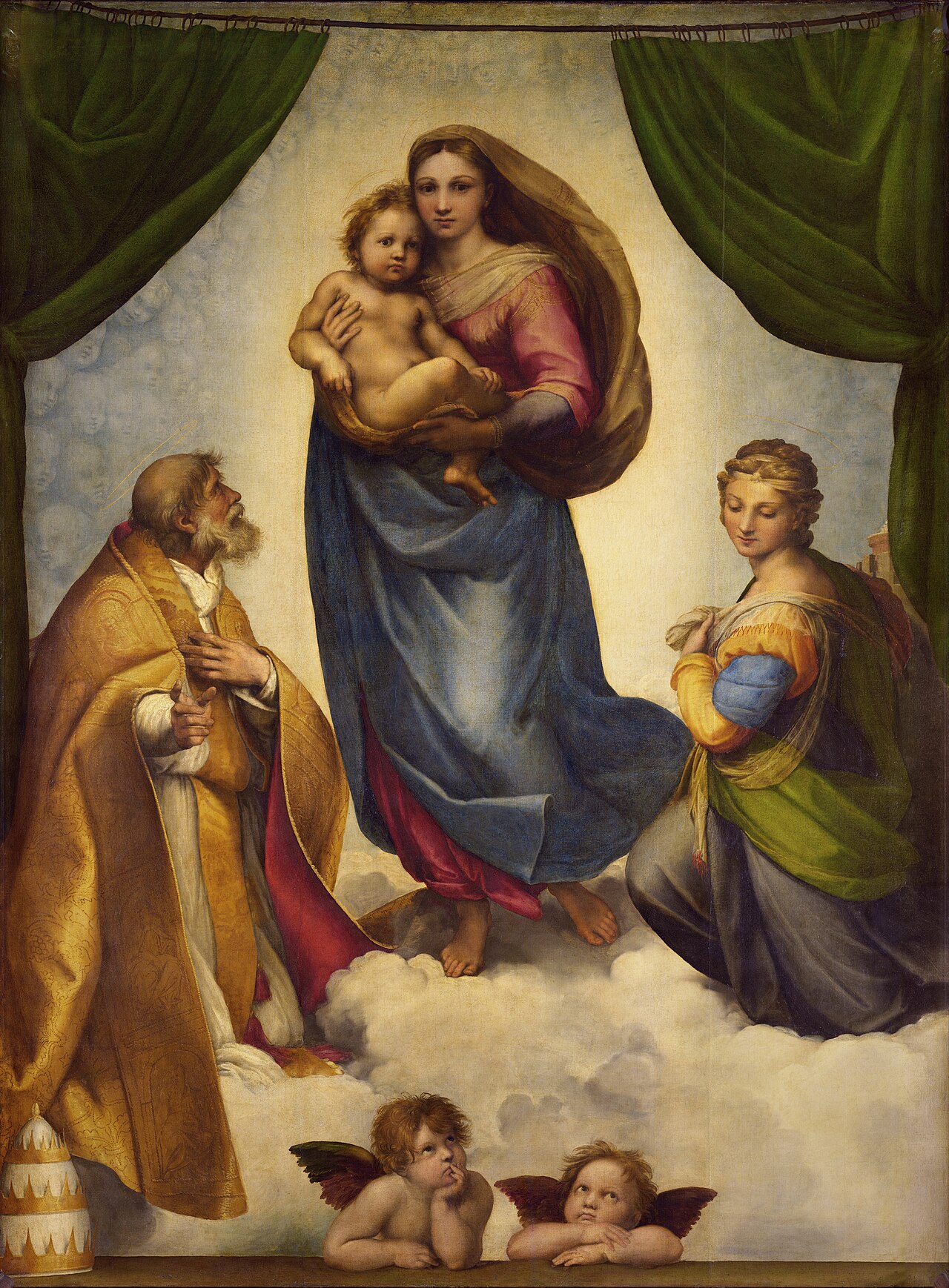
Sistine Madonna
Raphael · c. 1513-1514
Ready when you are
Start chatting with Raphael now.
20 messages free · No credit card · Available in 50+ languages.