


Primary sourceArtifactcommissioned 40 AD; moved 1586
Vatican obelisk
commissioned 40 AD; moved 1586
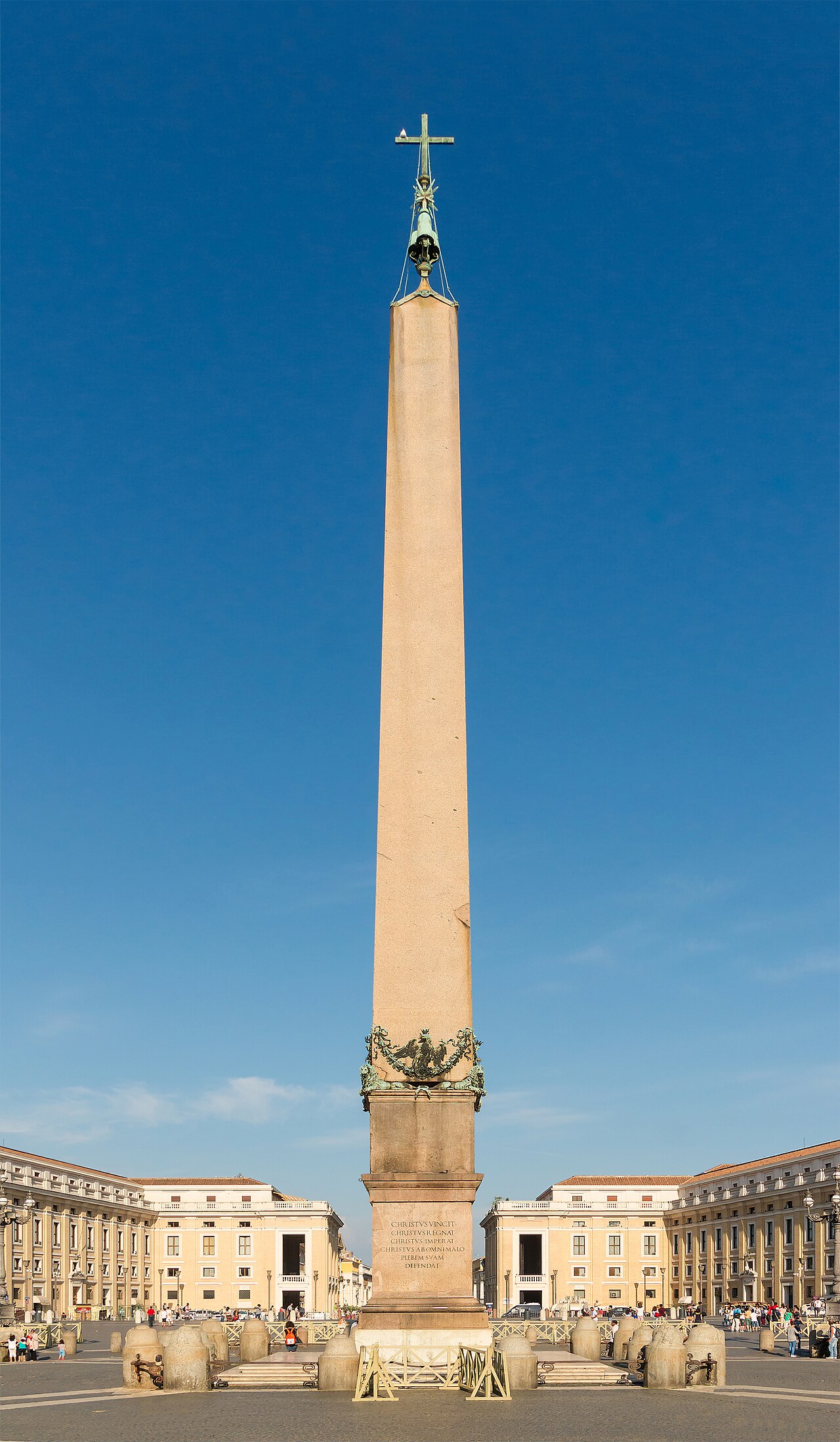
An ancient Egyptian obelisk that Caligula had shipped to Rome and placed in his circus; it now stands in St Peter's Square.
Caligula had this obelisk brought to Rome for his circus, and it remains a visible surviving monument of his reign.
Free Humy account · No credit card · 120,912 sources to read
About this source
What it is
This red granite obelisk originally came from Egypt, probably from Heliopolis, and once stood in Alexandria. Caligula had it transported to Rome in 40 AD and set up at the centre of his circus. In the 16th century it was moved to its present position in St Peter's Square in Vatican City, where it still stands today.
Why it matters
Moving a massive stone obelisk across the Mediterranean and setting it up in Rome was a huge technical and financial undertaking, showing the resources an emperor could command. The obelisk later became a symbol of Christianity's triumph over paganism when Pope Sixtus V had it relocated in the 16th century, work carried out by the architect Domenico Fontana. It is one of the clearest physical traces of Caligula's reign still visible today.
Look closer
- Why might an emperor want to bring an ancient foreign monument to decorate his own circus?
- How did the meaning of the obelisk change when it was moved and topped with a Christian cross centuries later?
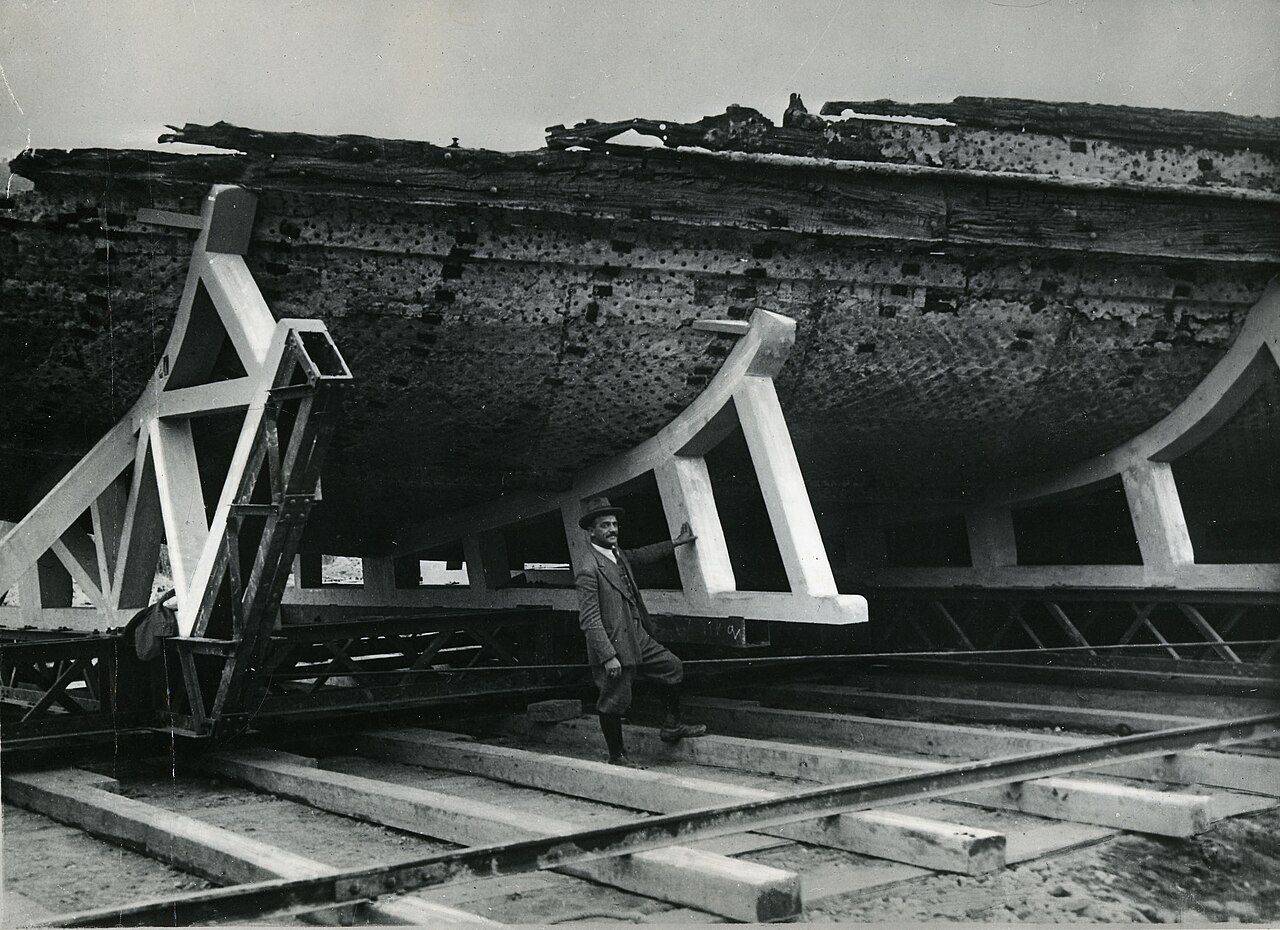
- What does the survival of this object, compared to Caligula's lost buildings and ships, tell us about which parts of history endure?
This artifact is part of the curated material that grounds the AI version of Caligula and Nero on Humy.ai — when students ask about related events, the AI can quote it and cite it.
More Caligula sources
Browse all 88 →
Ready when you are
Start chatting with Caligula now.
20 messages free · No credit card · Available in 50+ languages.