


Secondary sourceDocumentafter 539 BC
Verse Account of Nabonidus
Babylonian scribes · after 539 BC
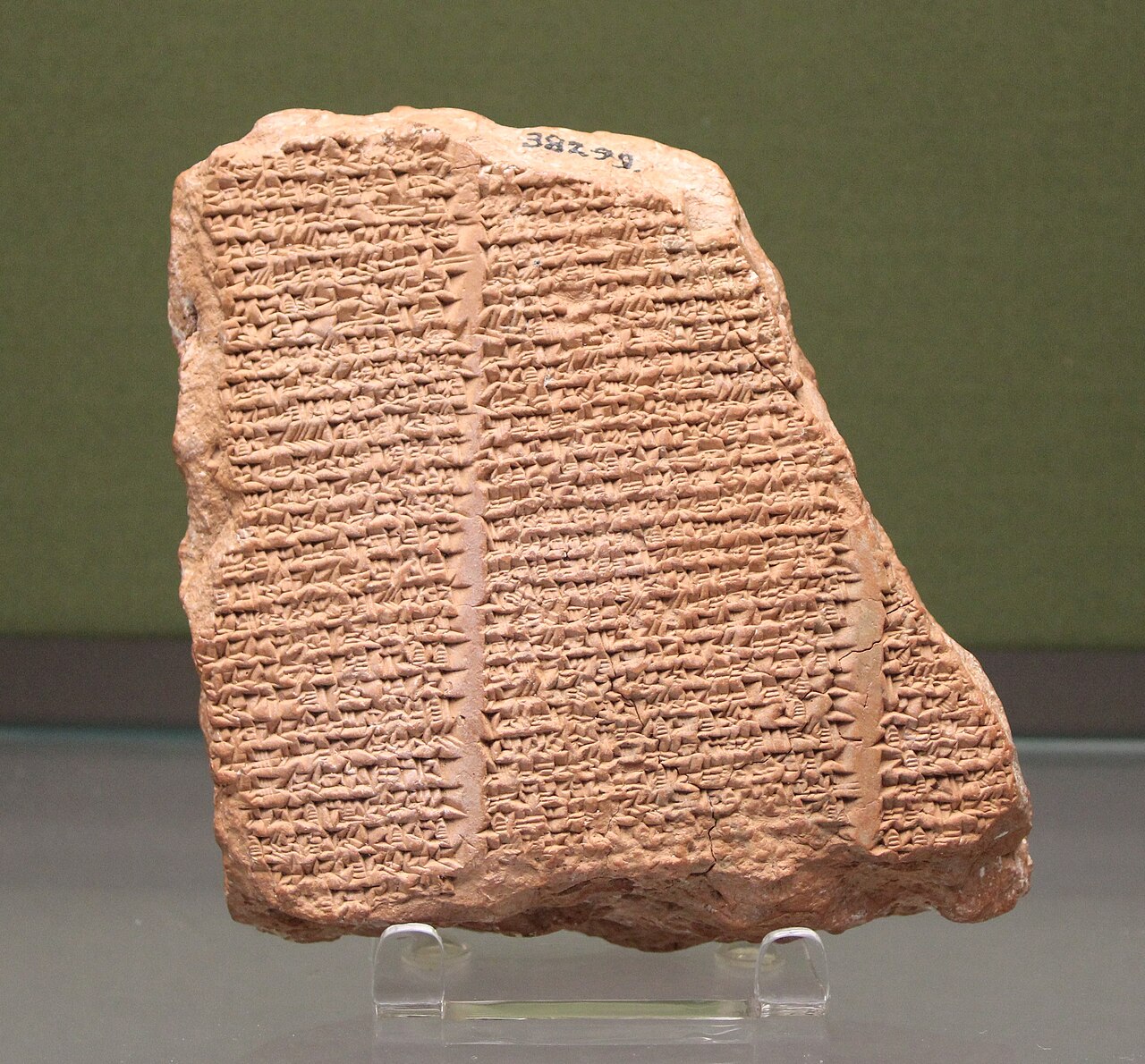
A Babylonian propaganda tablet condemning king Nabonidus and praising Cyrus the Great as restorer of Babylon's cults.
This propaganda tablet, written during Cyrus's reign, praises him as Babylon's rightful restorer while condemning his defeated rival Nabonidus.
About this source
What it is
This fragmentary clay tablet, written by Babylonian scribes after Cyrus conquered Babylon, is held today in the British Museum. It attacks king Nabonidus, describing his supposed madness and his rejection of the god Marduk, including his exile in Tayma.
Why it matters
Why it matters
The tablet is pro-Persian propaganda, probably written during Cyrus's reign, meant to justify his takeover of Babylon by blackening Nabonidus's reputation and praising Cyrus as the restorer of proper worship. It shows how rulers used religious texts to shape public opinion and legitimize conquest.
Look closer
- Why might scribes under Cyrus want to make Nabonidus look mad or impious?
- What does this tablet leave out about Nabonidus's own point of view?
- How does comparing this text to the Cyrus Cylinder change how you read both?
This document is part of the curated material that grounds the AI version of Cyrus the Great on Humy.ai — when students ask about related events, the AI can quote it and cite it.
More Cyrus the Great sources
Meet the AI Cyrus the Great →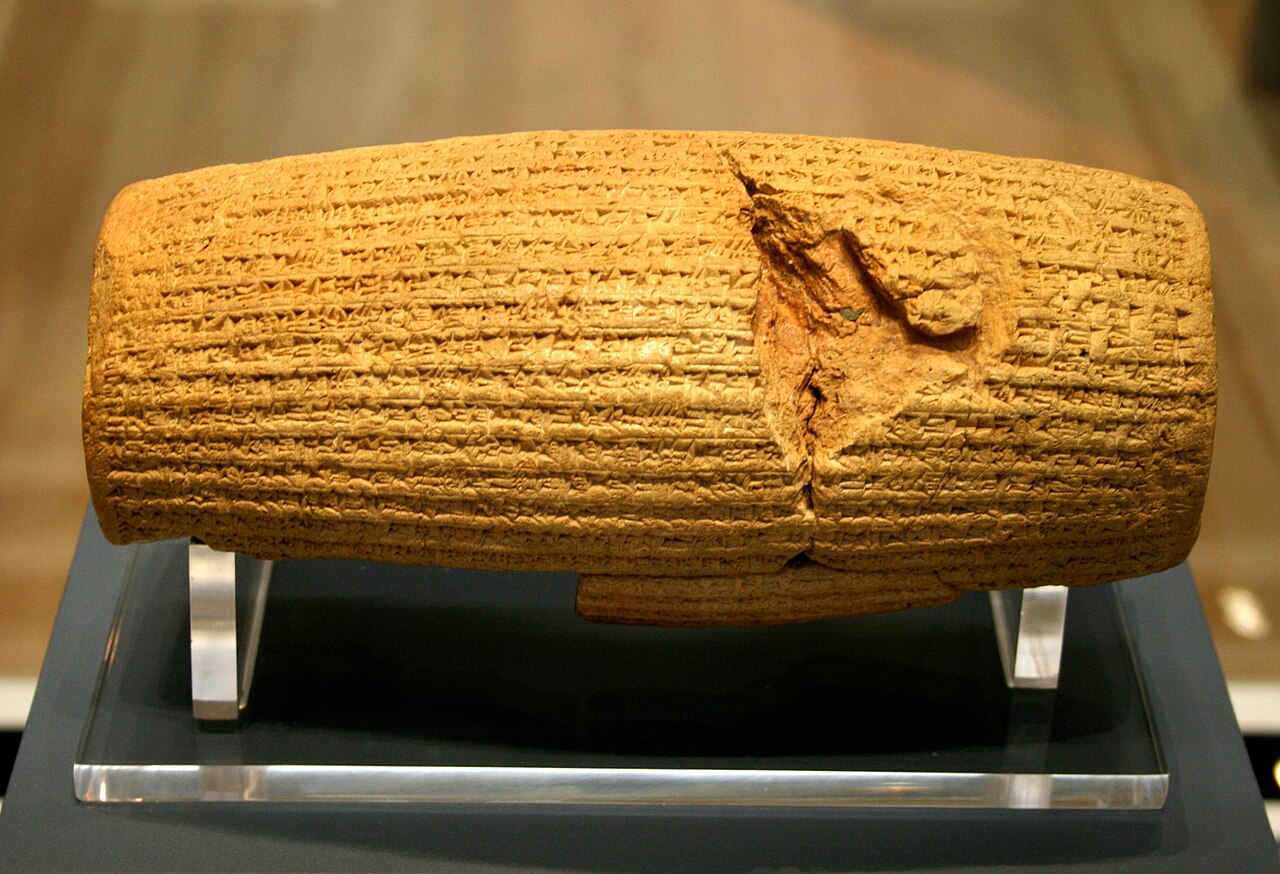

Ready when you are
Start chatting with Cyrus the Great now.
20 messages free · No credit card · Available in 50+ languages.