


Primary sourceDocument1985
Vienna Convention for the Protection of the Ozone Layer
1985
The 1985 framework treaty that laid the groundwork for international action on ozone depletion, the problem Molina's research identified.
This 1985 treaty was the first international legal response to the ozone depletion problem that Molina's research identified.
Free Humy account · No credit card · 53,307 sources to read
About this source
What it is
The Vienna Convention is a multilateral environmental agreement signed in 1985 that created a framework for international cooperation on reducing CFC production because of their effect on the ozone layer. It entered into force in 1988 and has been ratified by nearly every country.
Why it matters
The Convention itself did not set binding reduction targets, but it established the research-sharing and institutional structures that made the later Montreal Protocol possible. It responded directly to scientific findings, including Mario Molina's research, showing how CFCs damage the ozone layer and increase risks such as skin cancer.
Look closer
- Why might countries agree to a framework treaty before agreeing to binding limits?
- What does the Convention's emphasis on sharing scientific research suggest about how this problem was solved?
- What might be the advantages and disadvantages of a non-binding agreement like this one?
This document is part of the curated material that grounds the AI version of Mario Molina on Humy.ai — when students ask about related events, the AI can quote it and cite it.
More Mario Molina sources
Browse all 17 →Primary source
Montreal Protocol
1987
 Artifact
Primary source
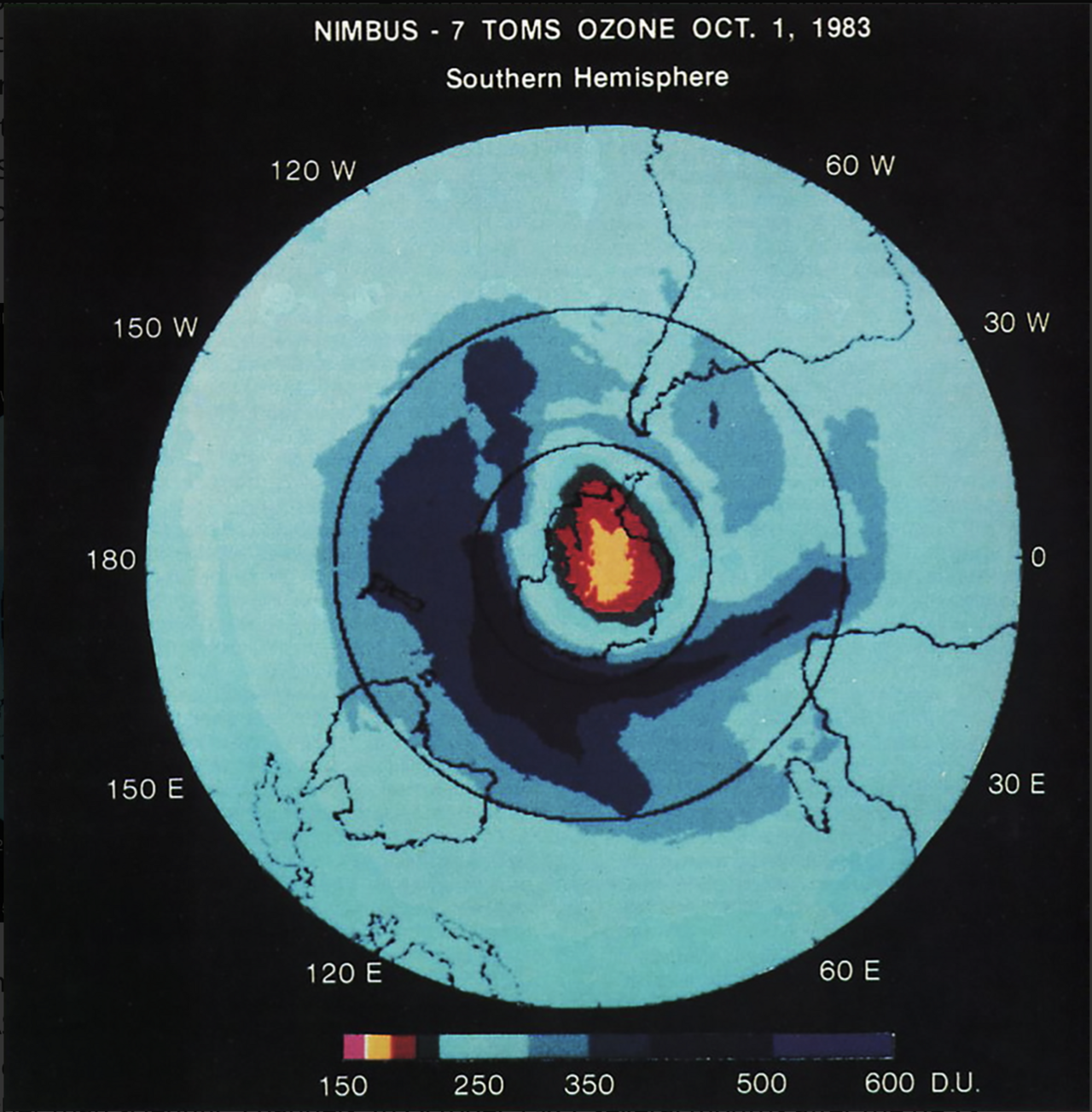
Satellite Map of Ozone over Antarctica, 1983
NASA · 1 October 1983
Secondary source
Presidential Medal of Freedom Recipient: Mario Molina
The White House · 2013
 Photograph
Primary source
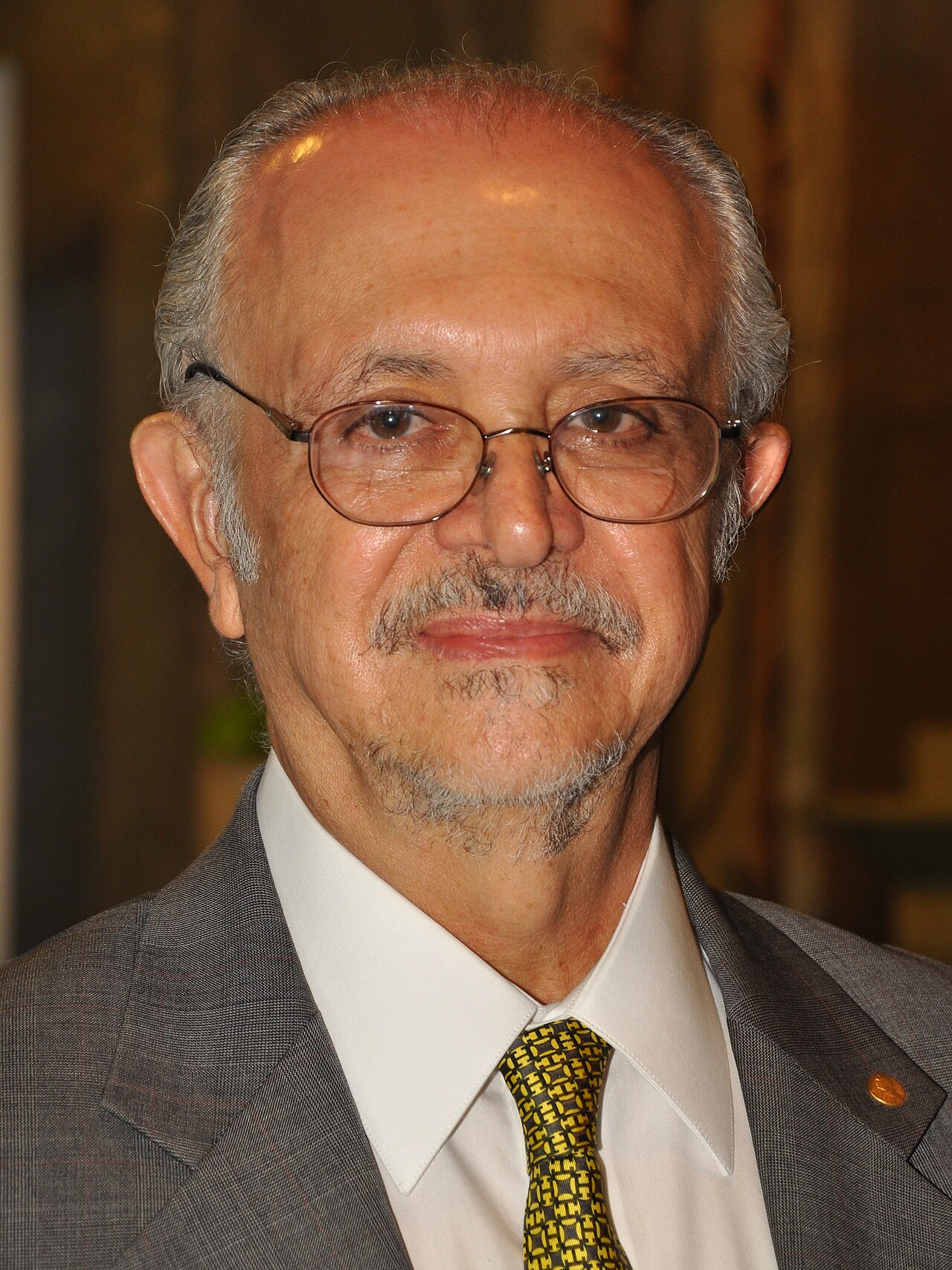
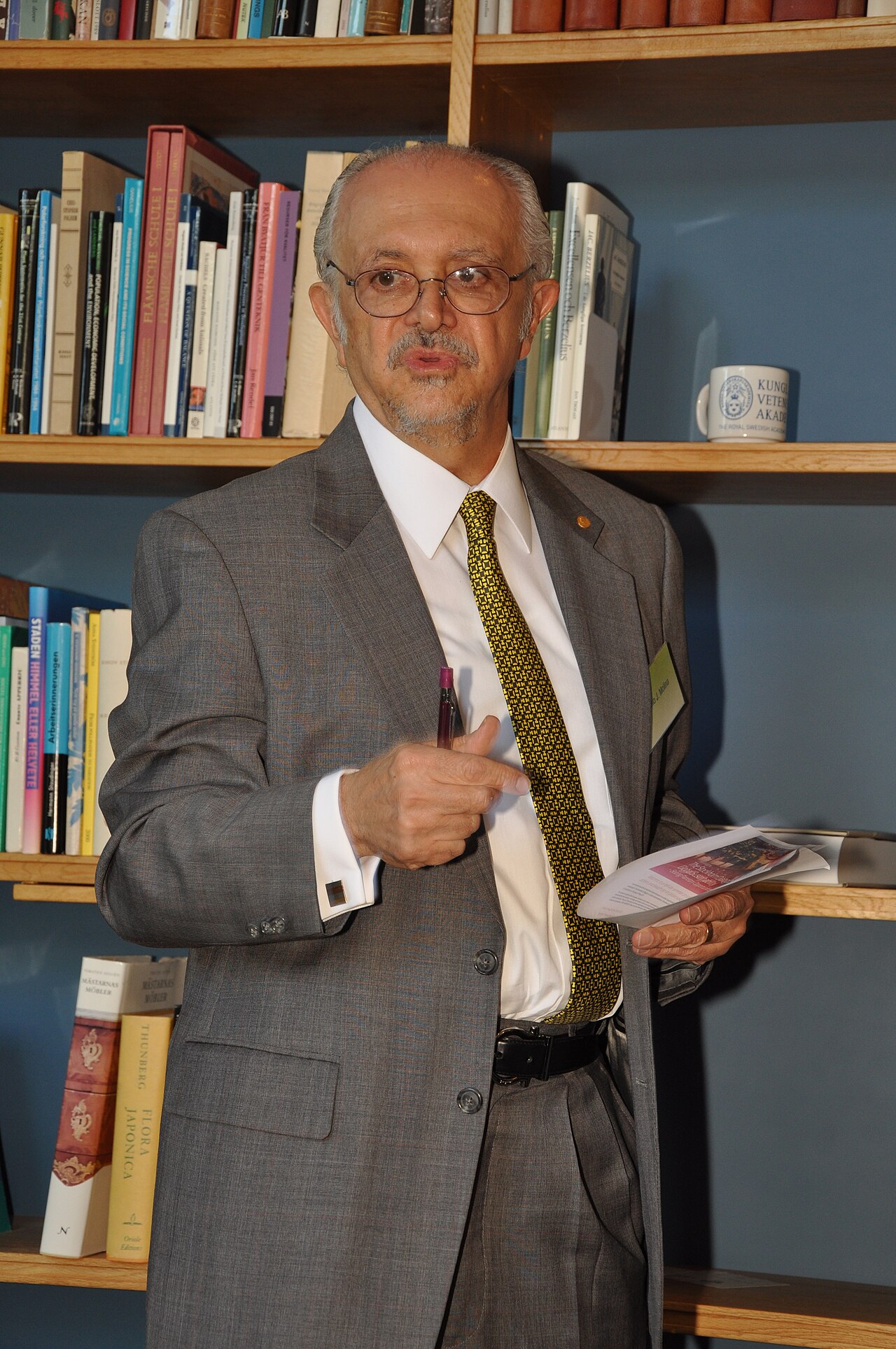
Portrait of Mario Molina
2011
Free account
Browse every Mario Molina source
Sign up free →
Ready when you are
Start chatting with Mario Molina now.
20 messages free · No credit card · Available in 50+ languages.