


Secondary sourcePainting17th century
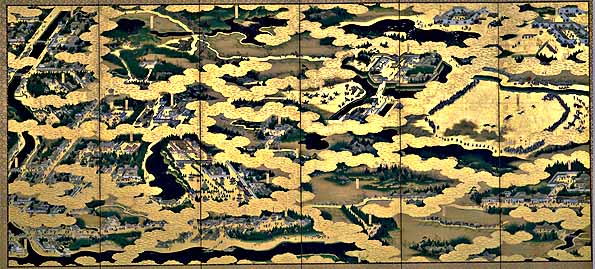
View of Edo, right screen
17th century
The right half of a pair of six-panel folding screens from the 17th century, showing the rivers, districts and suburbs around Edo.
It shows the wider city and suburbs of Edo, including the shrine where Ieyasu was enshrined, in the decades after his death.
About this source
What it is
This is the right screen of a pair of six-panel folding screens from the 17th century. It shows the city of Edo and its suburbs. The record lists places such as the Kanda River, Kawagoe Castle, Ueno, Asakusa and the Sumida River, along with hunting and falconry scenes.
The screen was painted after Ieyasu's death in 1616. The record describes the pair as material for the early Edo period and as showing the accomplishments of Tokugawa Iemitsu.
Why it matters
The screen shows the wide area that Ieyasu's capital came to cover. It includes Tosho Daigongen Shrine, where Ieyasu was enshrined, and the rice storehouse of the shogunate at Asakusa. These places show how the government used the city, its waterways and its lands.
Look closer
- Which places on the screen seem to be official government sites, and which seem to be ordinary public places?
- How does the screen use rivers and bridges to connect different parts of the city?
- Who would have commissioned a screen like this, and what might they have wanted it to show?
This painting is part of the curated material that grounds the AI version of Tokugawa Ieyasu and Tokugawa Yoshinobu on Humy.ai — when students ask about related events, the AI can quote it and cite it.
More Tokugawa Ieyasu sources
Browse all 94 →Primary source
Kinchū narabini Kuge Shohatto
Tokugawa Ieyasu · 1615
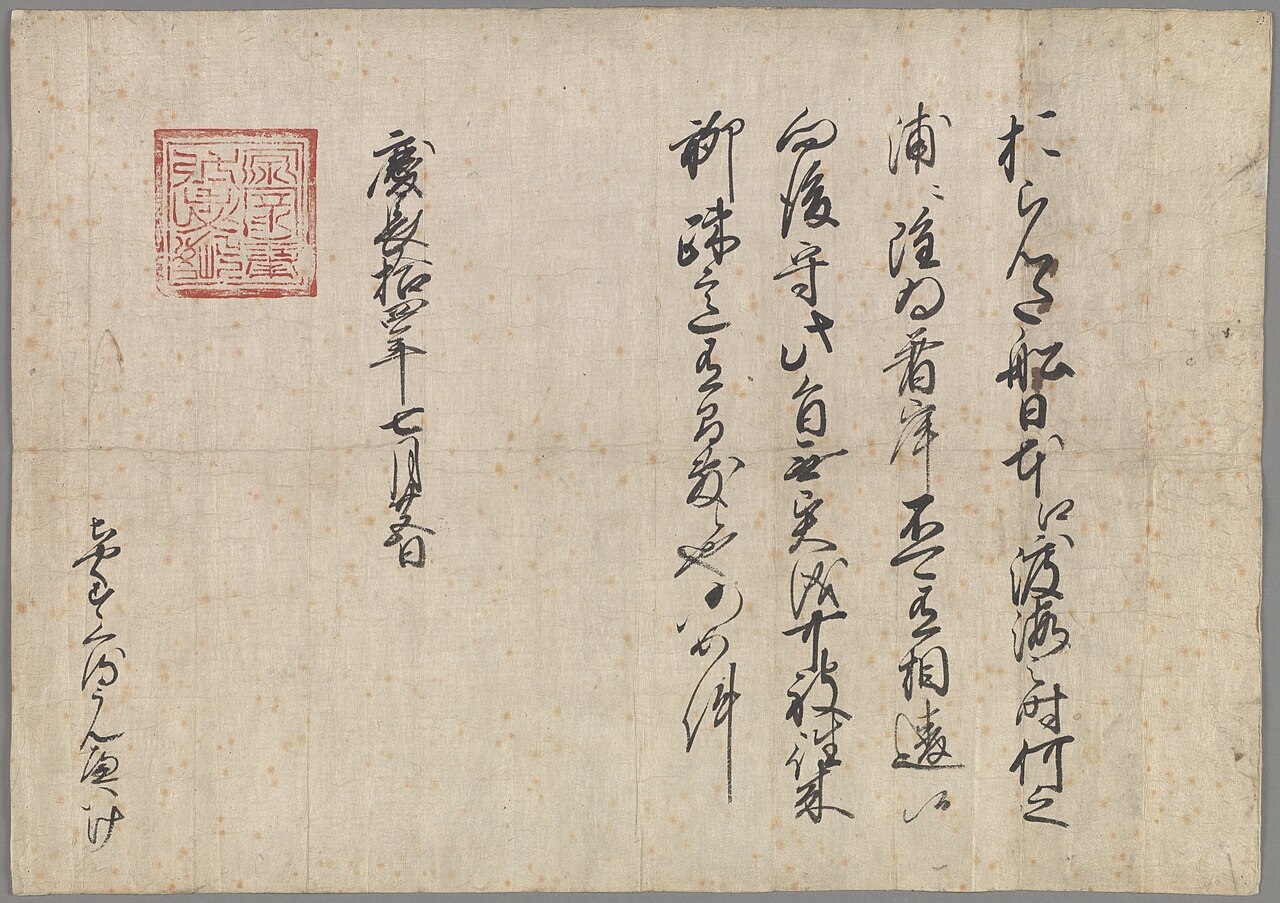 Document
Primary source
Trading Pass for Dutch Ships in Japan
Tokugawa Ieyasu · 24 August 1609
 Letter
Primary source
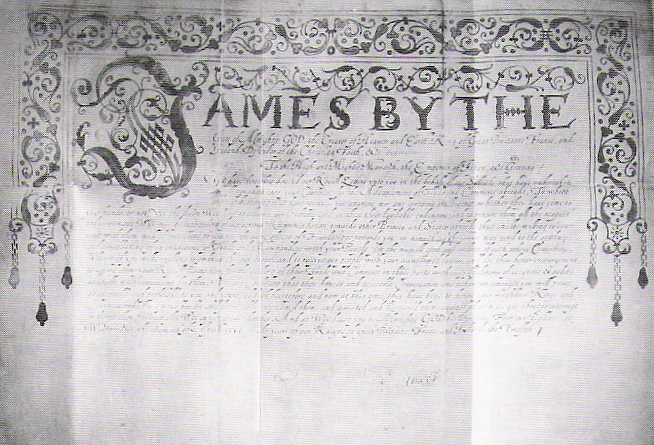
Letter of King James to Tokugawa Ieyasu
James VI and I · 1613
 Artifact
Secondary source
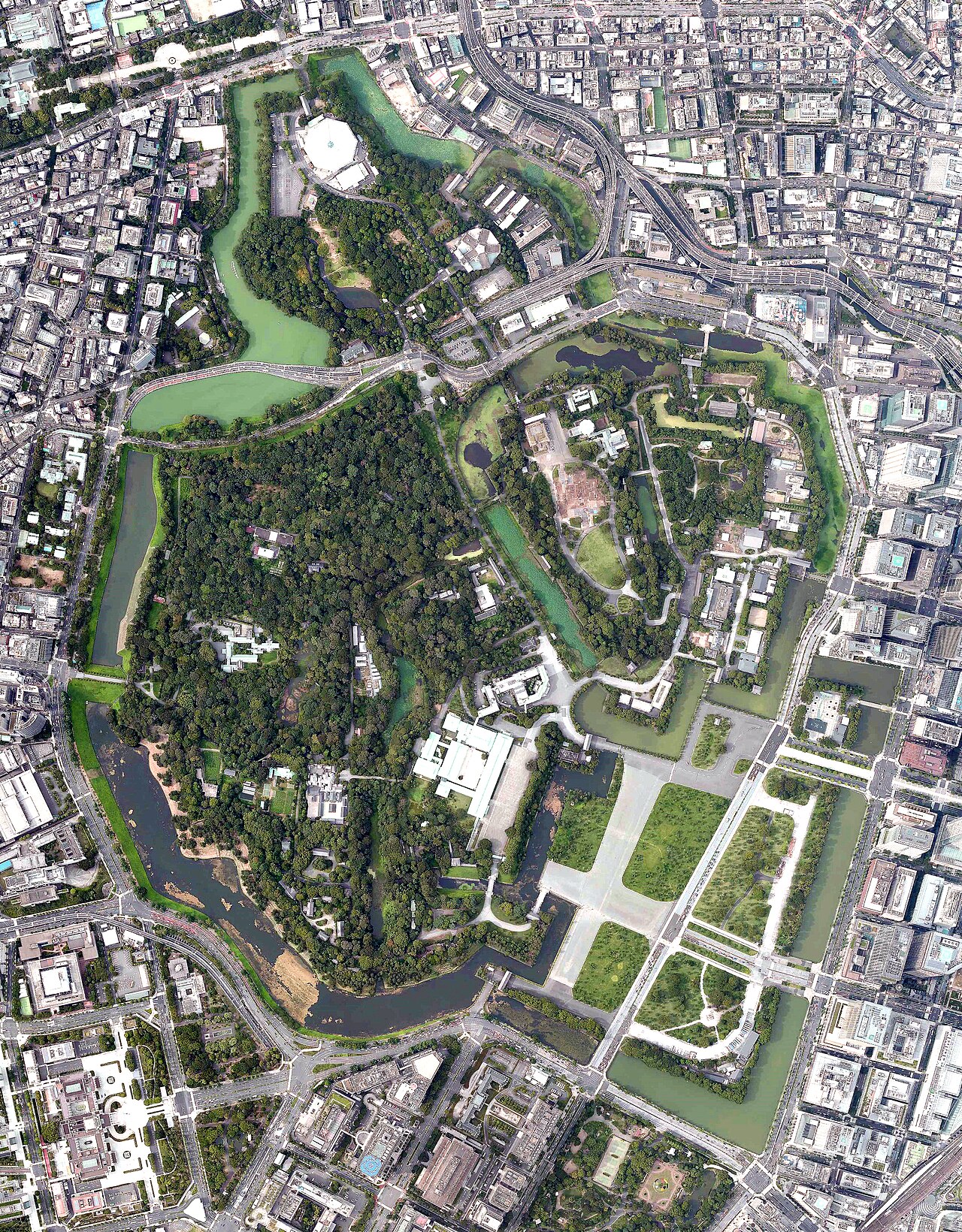
Edo Castle
Ōta Dōkan · 1457; expanded from 1590
Free account
Read every Tokugawa Ieyasu source
Sign up free →
Ready when you are
Start chatting with Tokugawa Ieyasu now.
20 messages free · No credit card · Available in 50+ languages.