


Primary sourceBook1853
Villette
Charlotte Brontë · 1853
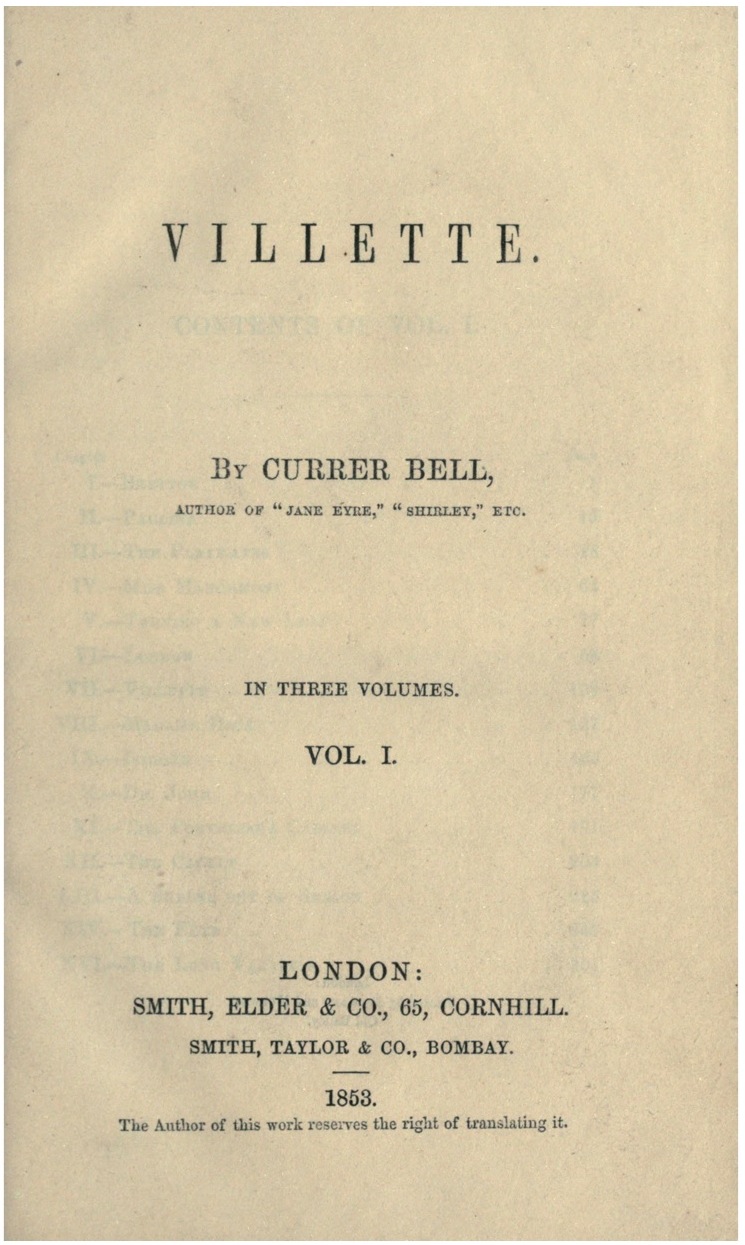
Charlotte Brontë's 1853 novel, her last completed work, reworking her own experiences teaching in Brussels into the story of Lucy Snowe.
Villette is Charlotte Brontë's last completed novel, drawing on her own unhappy experience teaching in Brussels.
About this source
What it is
Villette is a novel by Charlotte Brontë, published in 1853 under her pen name Currer Bell. It was her third and last novel published in her lifetime, and follows Lucy Snowe, who travels to teach at a girls' school in a fictional continental town modelled on Brussels.
Why it matters
The novel reworks Brontë's own time teaching in Brussels in the 1840s, where she fell in love with a married teacher, M. Heger, who is widely believed to have inspired the novel's M. Paul Emanuel. Villette shows how Brontë transformed difficult personal experience into fiction, and it explores themes of loneliness, religion and independence for women.
Look closer
- Why might an author disguise real experiences and people inside a work of fiction rather than writing directly about them?
- What does the title page tell you about how the novel was marketed, using the same pen name as Jane Eyre?
- What might the choice of a first-person narrator add or hide compared to other ways of telling a story?
This book is part of the curated material that grounds the AI version of Charlotte Brontë on Humy.ai — when students ask about related events, the AI can quote it and cite it.
More Charlotte Brontë sources
Meet the AI Charlotte Brontë →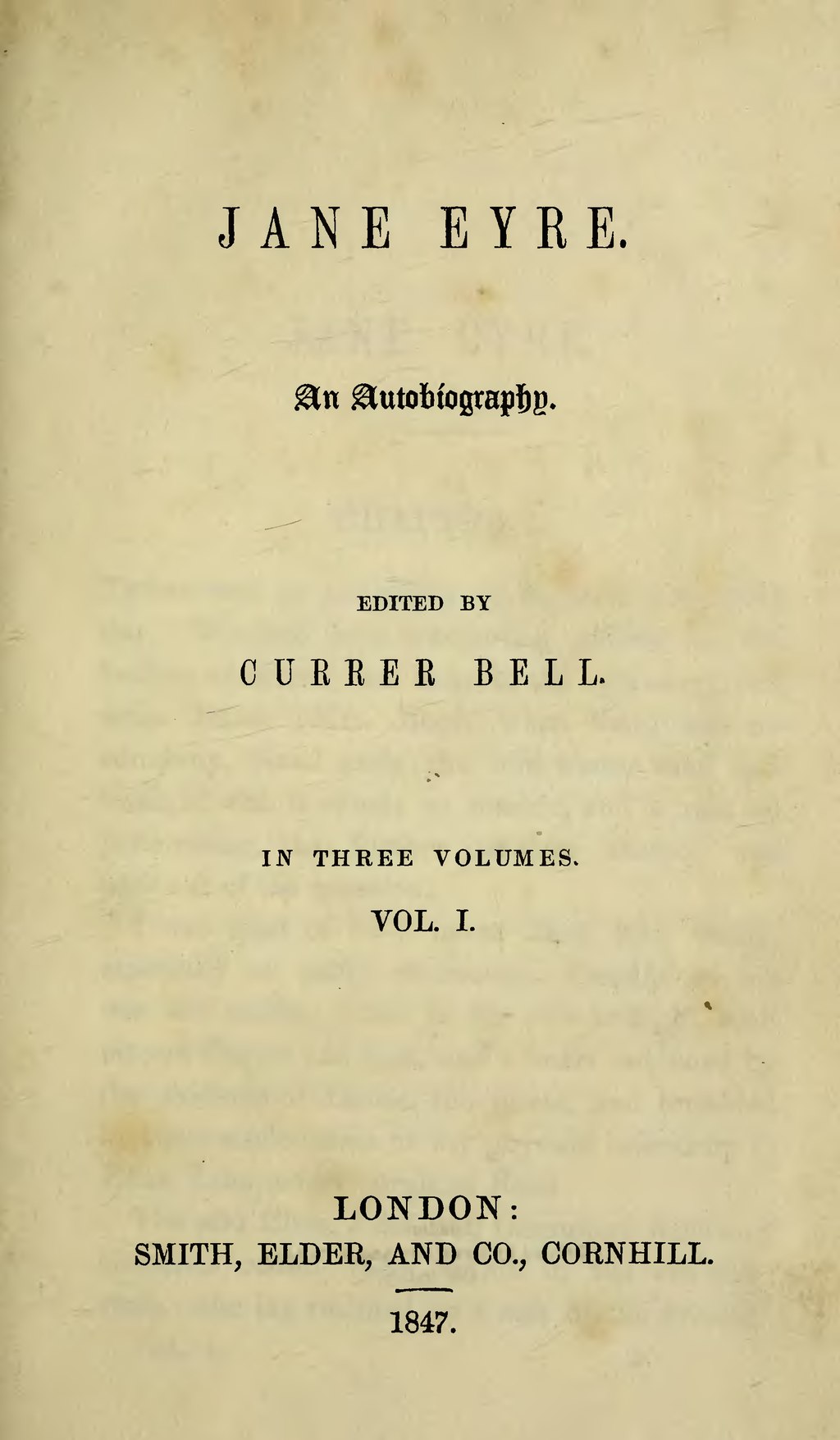 Book
Primary source
Jane Eyre
Charlotte Brontë · 1847
 Painting
Primary source
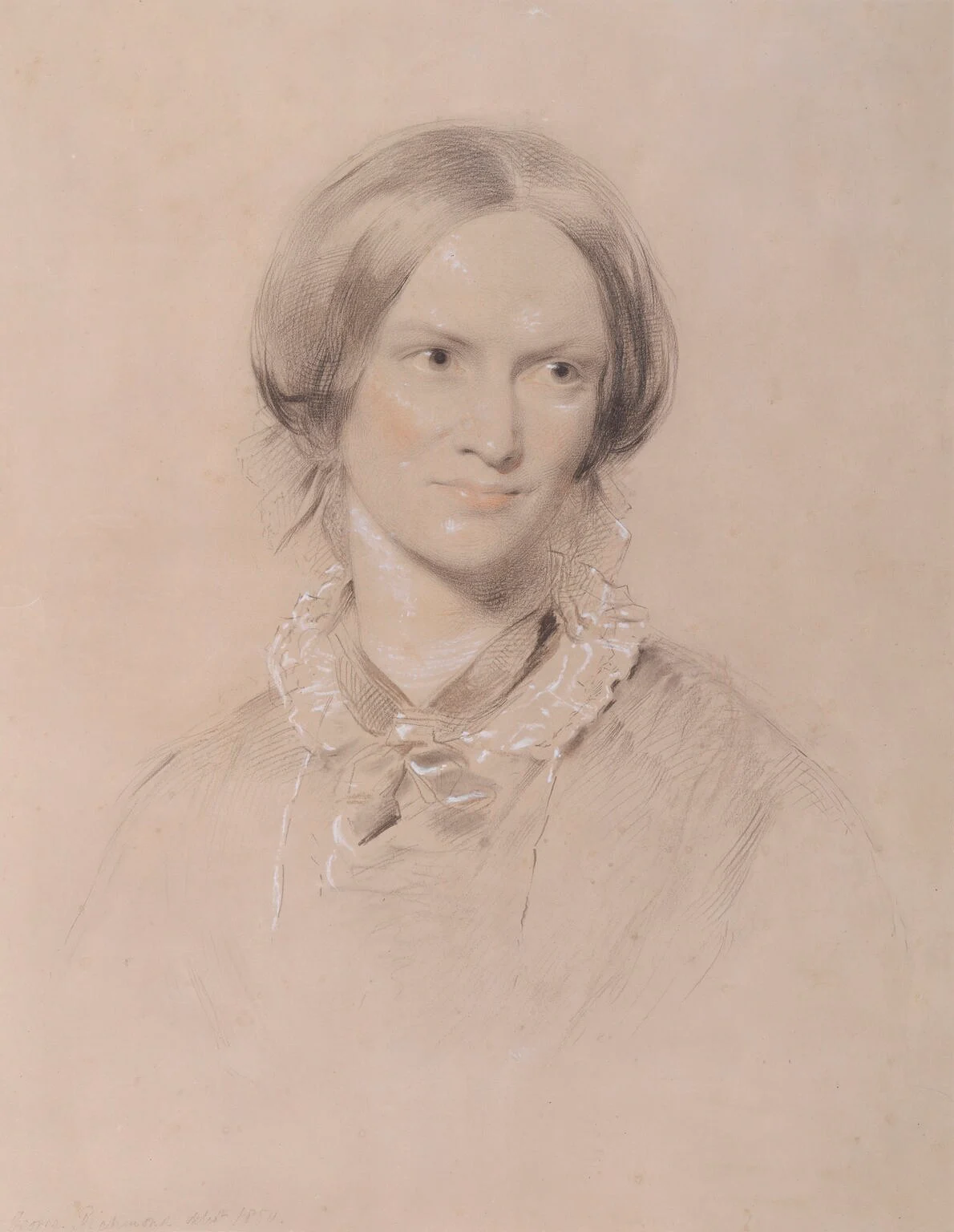
Charlotte Brontë (chalk portrait by George Richmond)
George Richmond · 1850
 Painting
Primary source
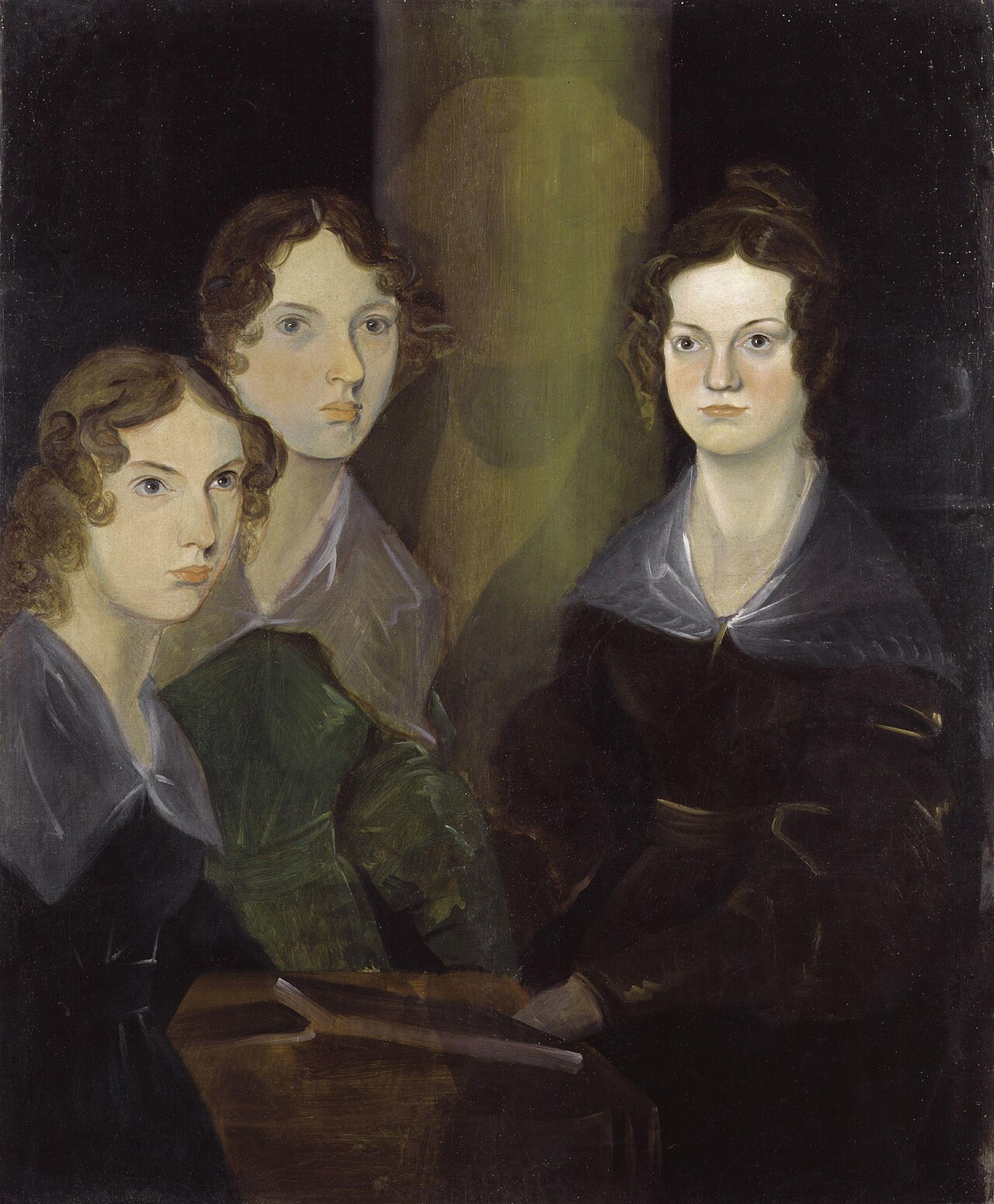
The Brontë Sisters
Branwell Brontë · c. 1834
 Book
Secondary source
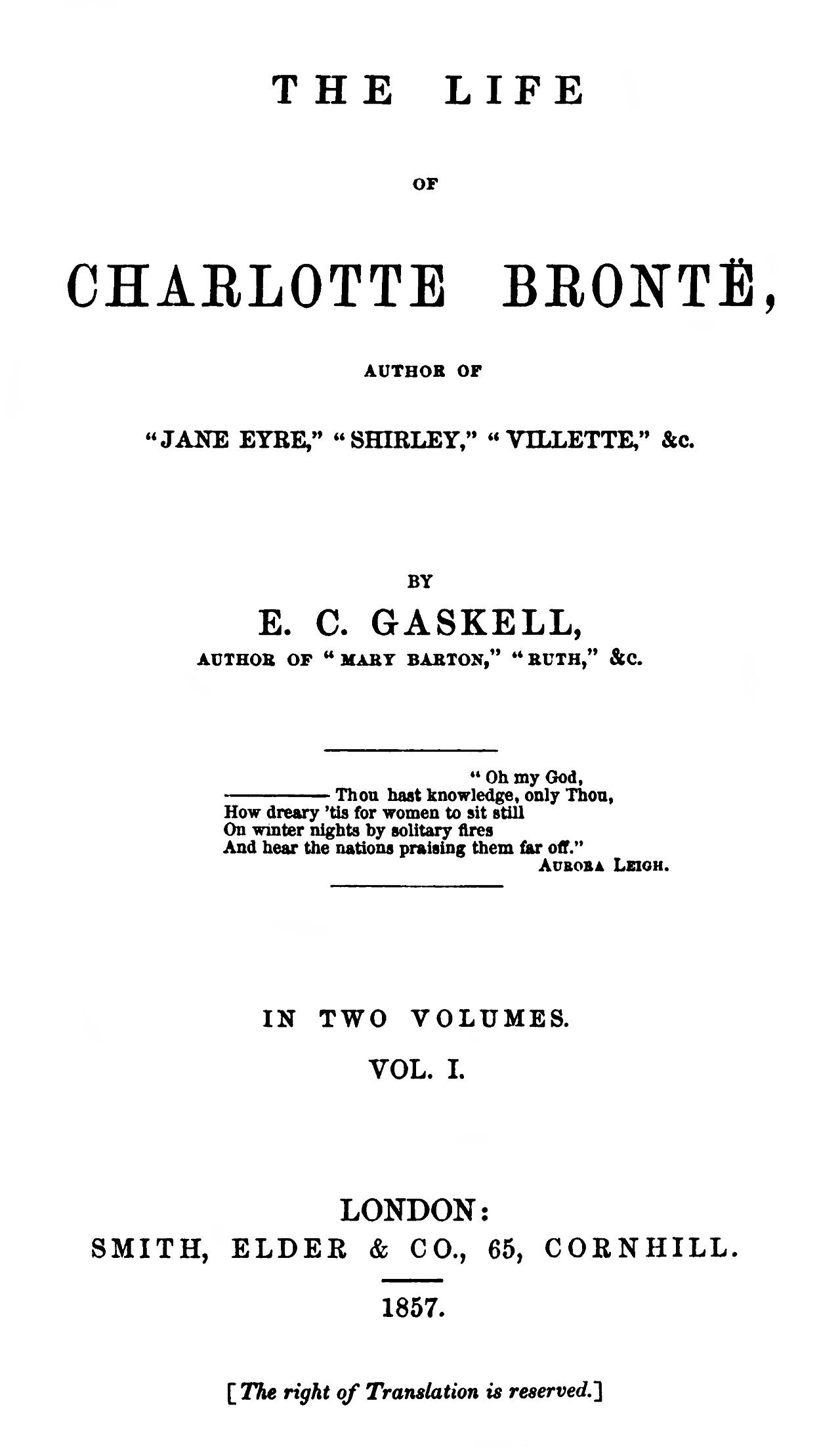
The Life of Charlotte Brontë
Elizabeth Gaskell · 1857
 Book
Primary source
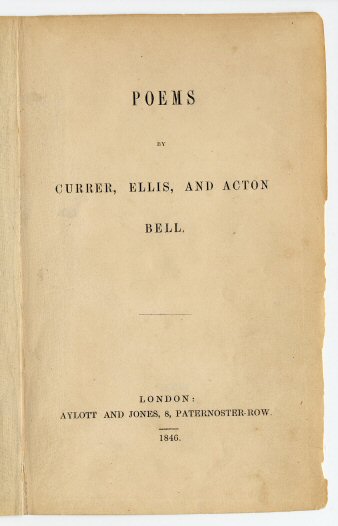
Poems by Currer, Ellis, and Acton Bell
Charlotte, Emily and Anne Brontë · 1846
Ready when you are
Start chatting with Charlotte Brontë now.
20 messages free · No credit card · Available in 50+ languages.