


Primary sourcePaintingc. 1502
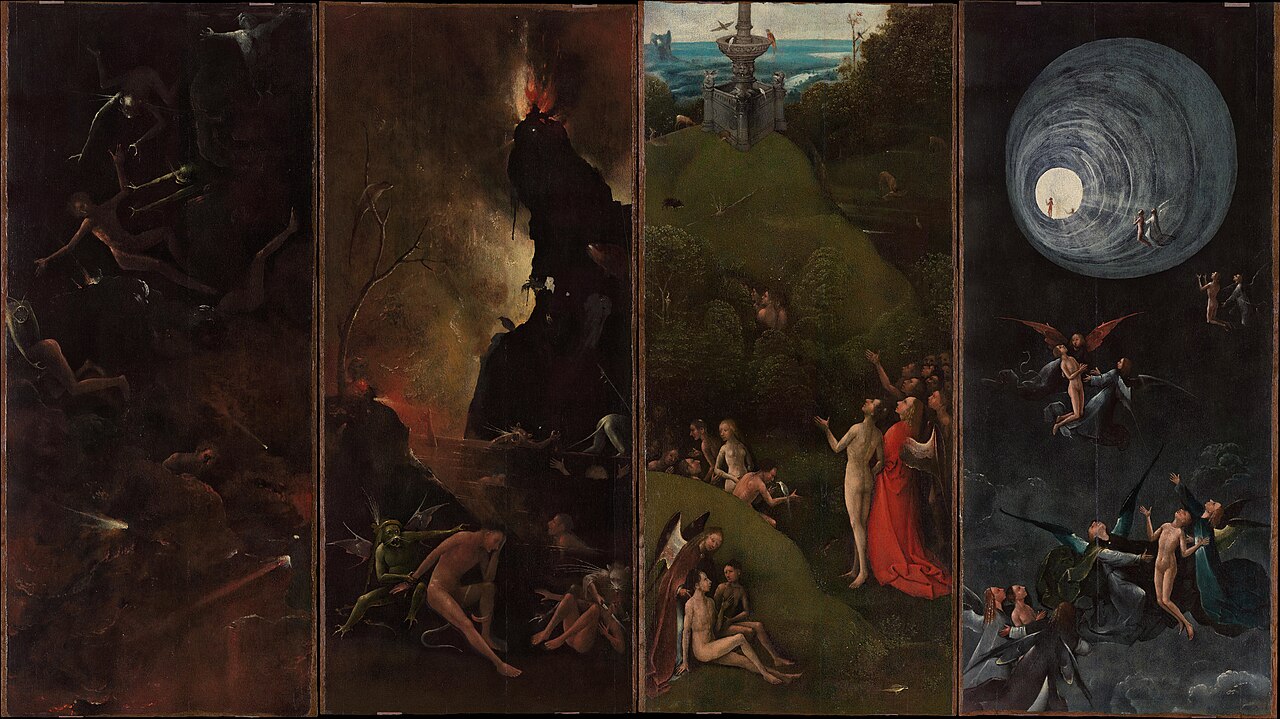
Visions of the Hereafter
Hieronymus Bosch · c. 1502
Four panels by Bosch imagining heaven and hell, including the famous tunnel of light toward paradise.
These four panels are among Bosch's major surviving works, showing his imaginative vision of heaven and hell.
About this source
What it is
This set of four vertical panels was painted by Hieronymus Bosch around 1502 and is now held at the Doge's Palace in Venice. The panels were collected early by Cardinal Grimani.
Why it matters
The paintings show Bosch's mystical vision of the afterlife: falling sinners, a fiery hell, a hopeful earthly paradise, and a glowing tunnel leading souls toward light. They reveal how deeply religious ideas about judgment and salvation shaped art of this period, and how collectors like Grimani valued Bosch's imaginative work soon after it was made.
Look closer
- How does Bosch use light and darkness to separate the different fates shown in the panels?
- What do the nude figures suggest about how souls were imagined after death?
- Why might a cardinal have wanted to own paintings like these?
This painting is part of the curated material that grounds the AI version of Hieronymus Bosch on Humy.ai — when students ask about related events, the AI can quote it and cite it.
More Hieronymus Bosch sources
Browse all 95 →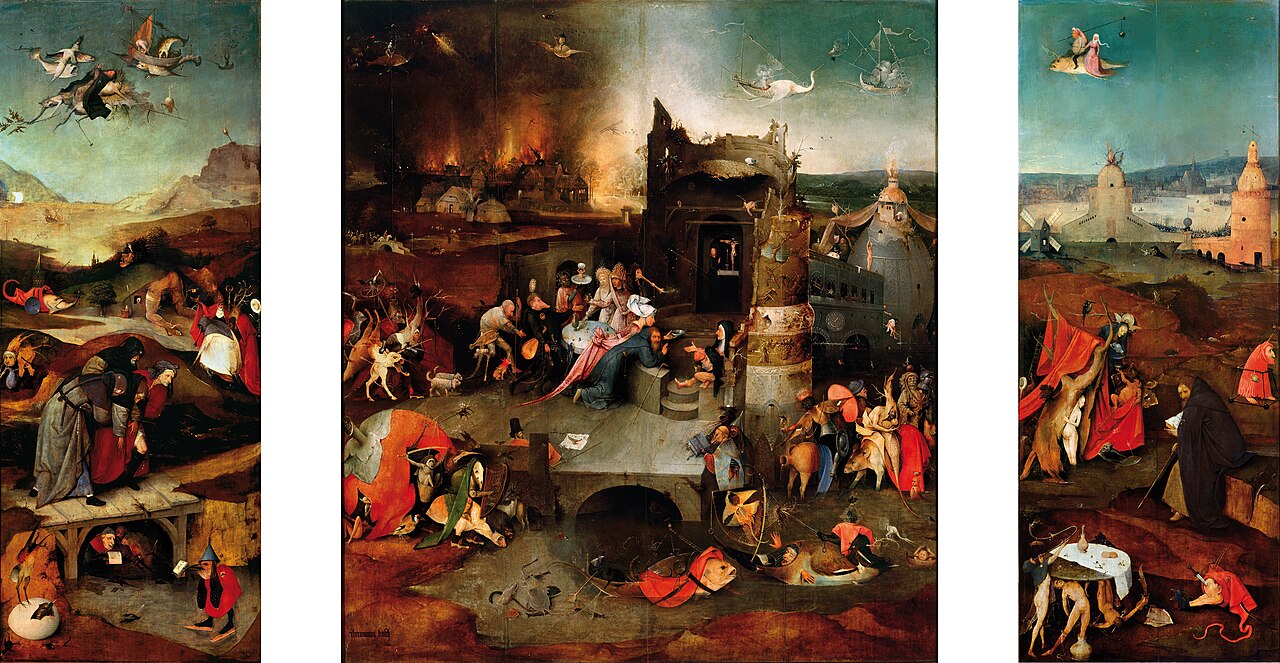 Painting
Primary source
Temptation of Saint Anthony
Hieronymus Bosch · c. 1501
 Painting
Primary source
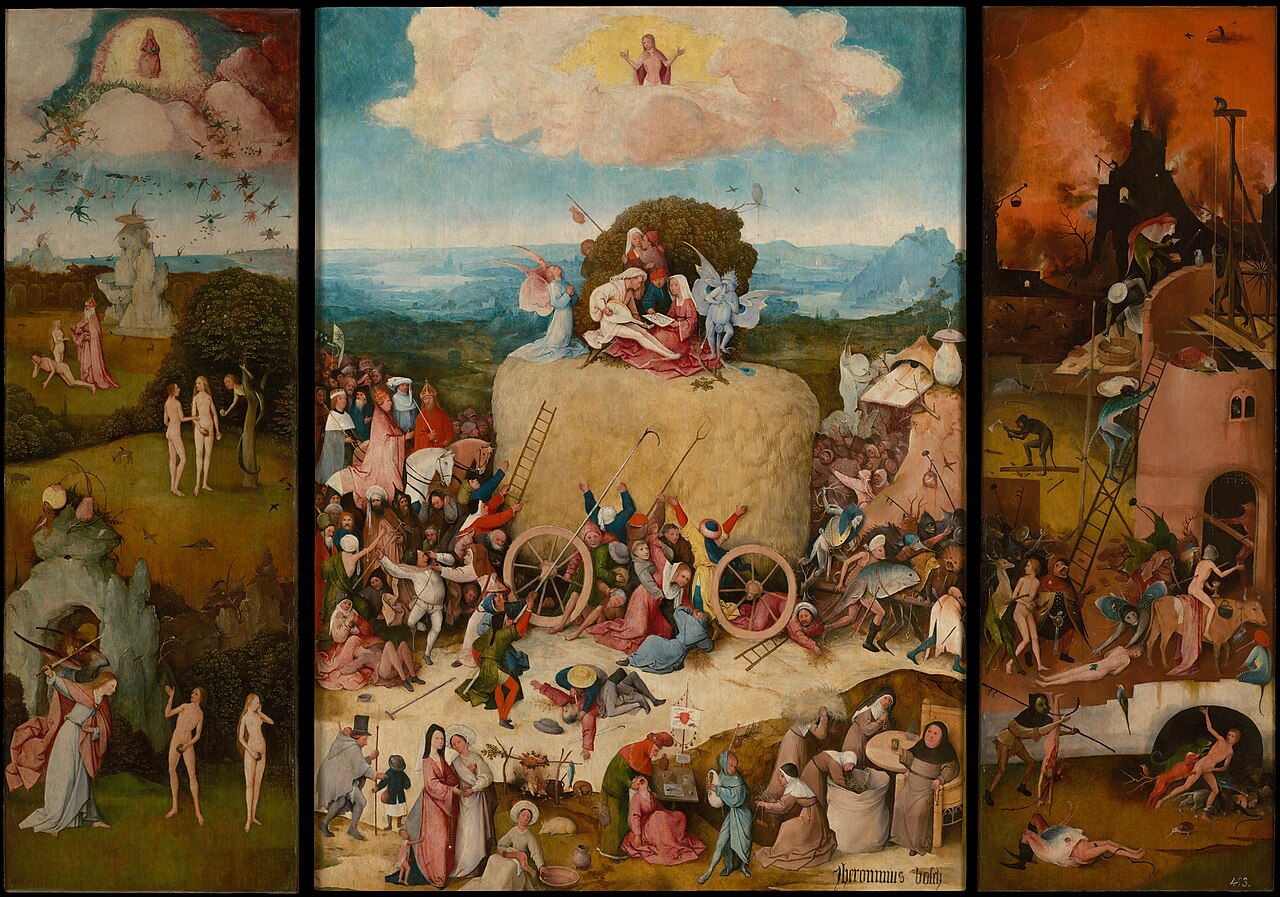
The Haywain Triptych
Hieronymus Bosch · c. 1510-1516
 Painting
Primary source
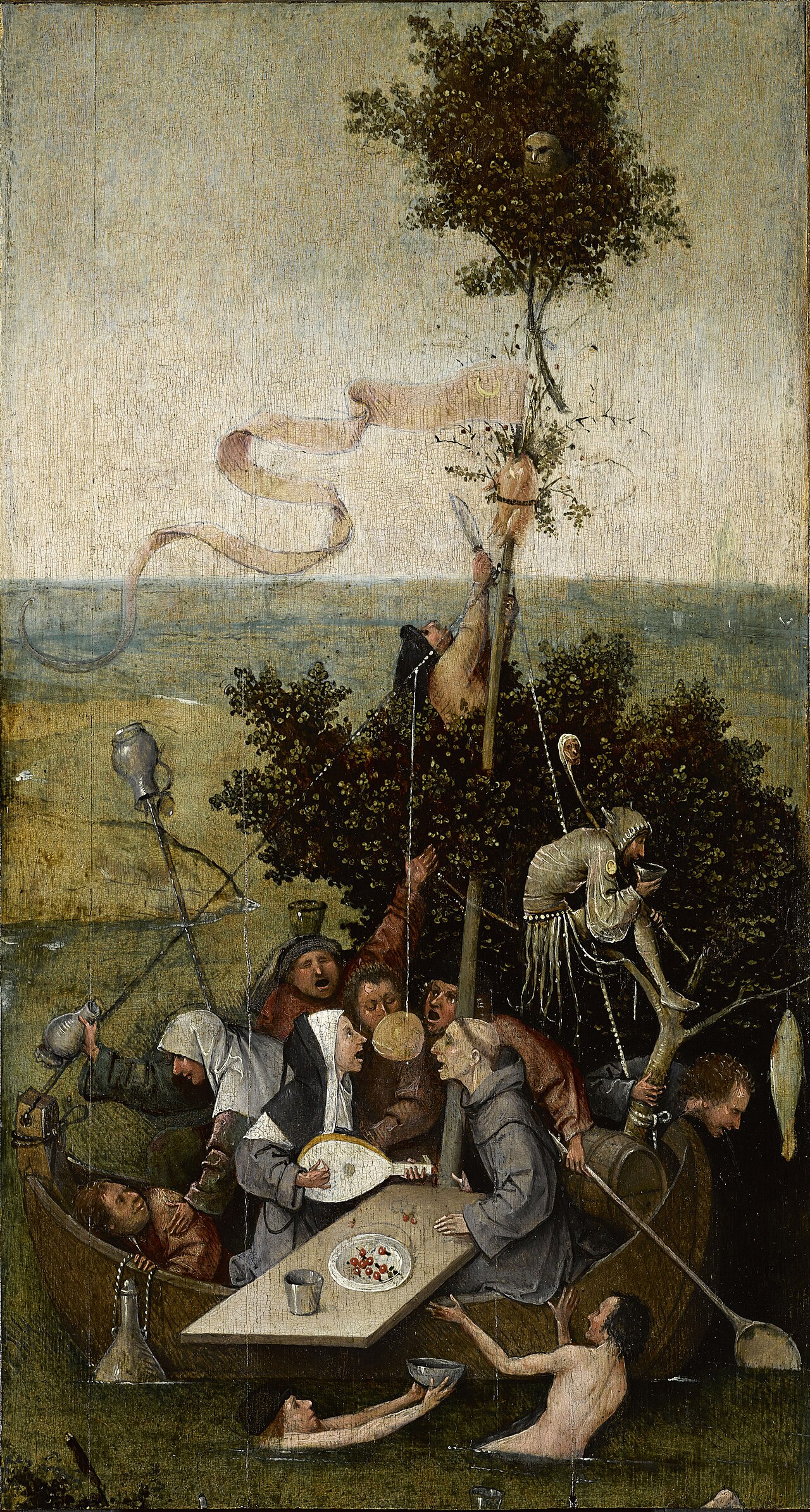
Ship of Fools
Hieronymus Bosch · c. 1490-1500
 Painting
Secondary source
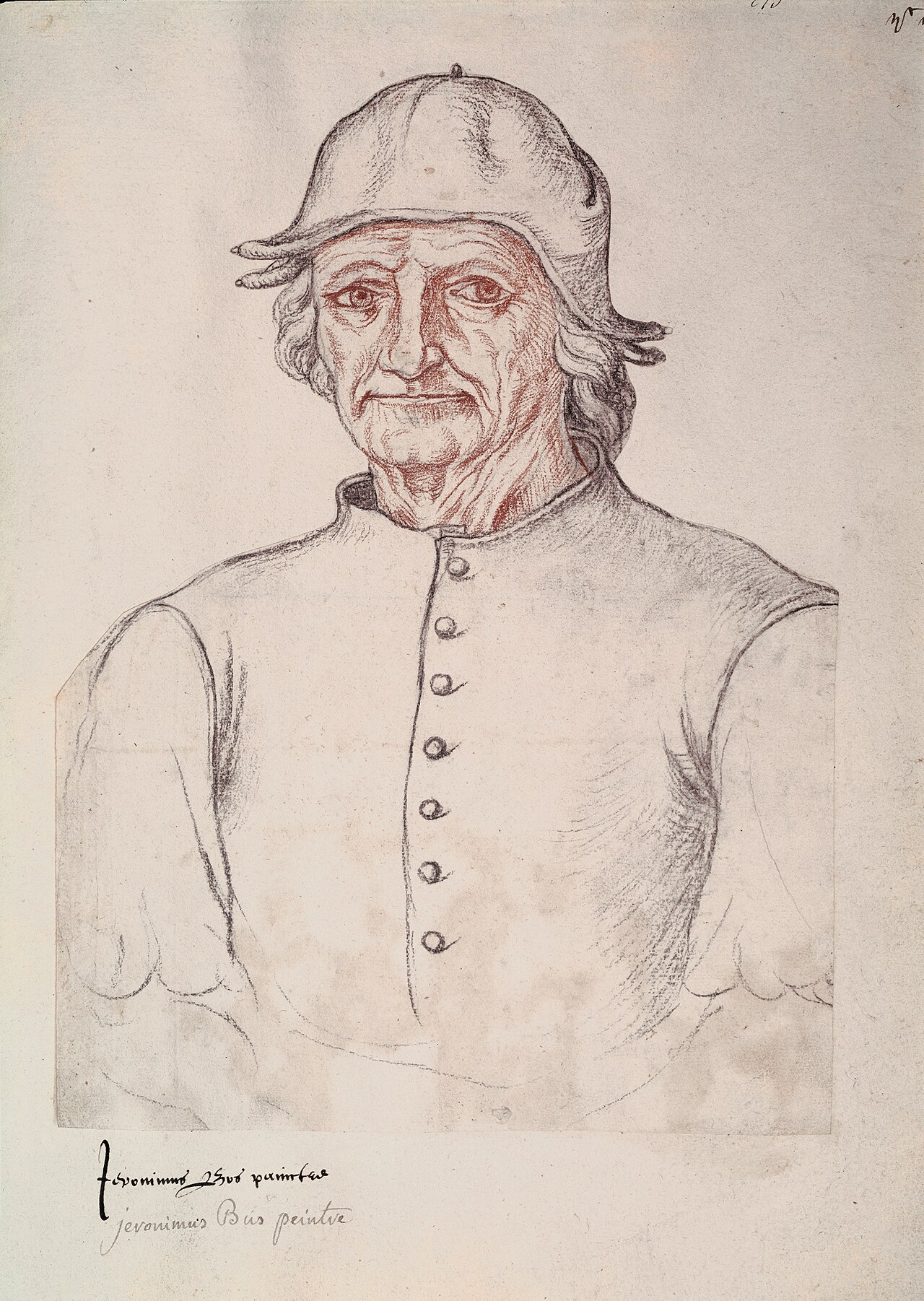
Portrait of Hieronymus Bosch
Jacques Le Boucq · c. 1550
Free account
Read every Hieronymus Bosch source
Sign up free →
Ready when you are
Start chatting with Hieronymus Bosch now.
20 messages free · No credit card · Available in 50+ languages.