


Primary sourceSculpture1877
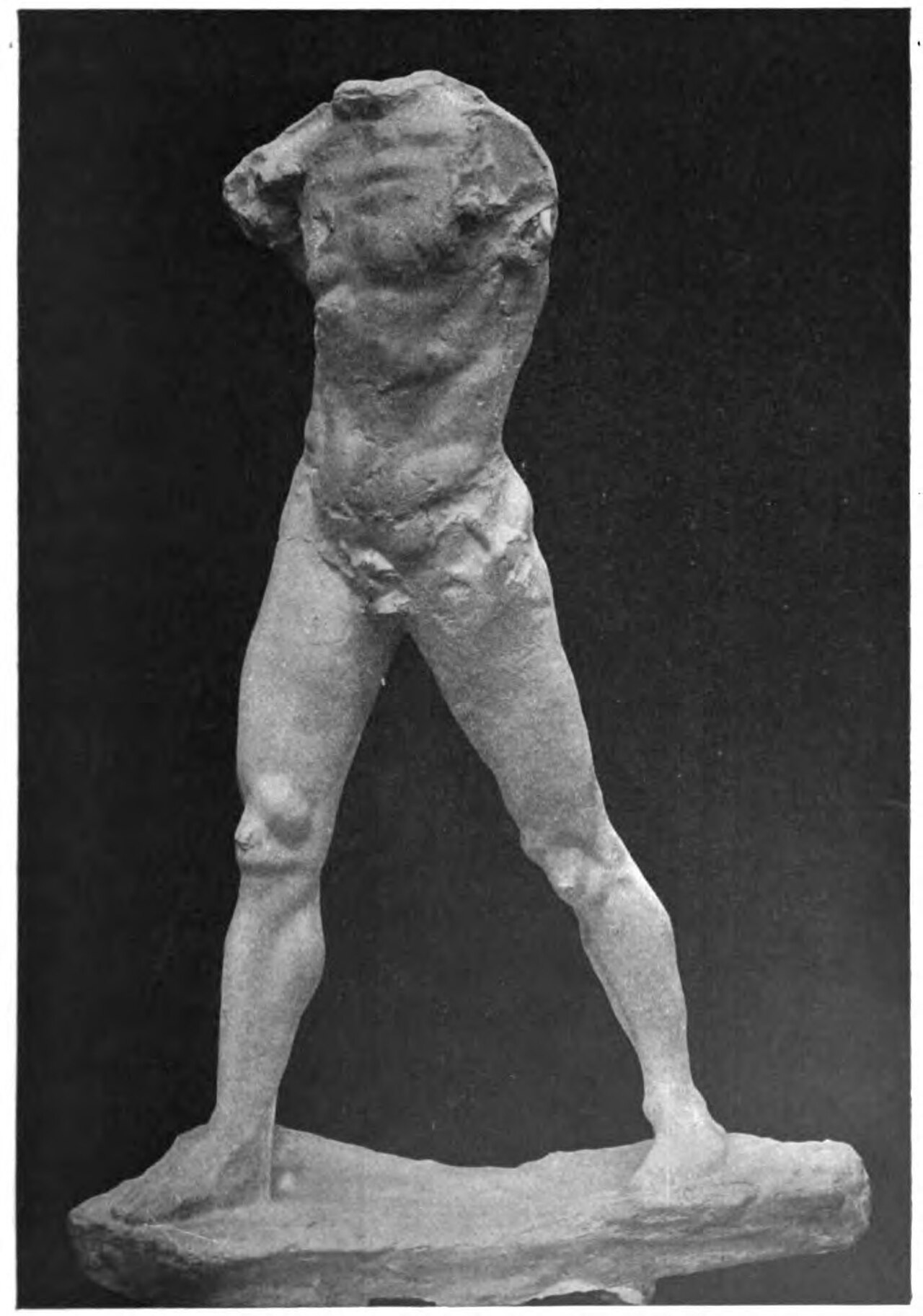
Walking Man
Auguste Rodin · 1877
A headless, armless bronze figure by Rodin derived from his St John the Baptist, celebrated as an early step toward modern sculpture.
Rodin created this sculpture, which shows his break from academic tradition toward modern sculpture.
About this source
What it is
This bronze sculpture by Auguste Rodin, made in 1877, shows a striding male figure without a head or arms. It is held by the Musée d'Orsay. It derives from the pose of his earlier St. John the Baptist Preaching, but Rodin stripped away the head and arms to focus purely on the dynamic pose of the legs and torso.
Why it matters
By presenting a deliberately incomplete figure as a finished artwork, Rodin broke with academic sculpture traditions. The art historian Leo Steinberg praised its unclassical, powerful stance, and the poet Carl Sandburg later wrote about the sculpture, showing how it influenced writers as well as artists.
Look closer
- Why might Rodin have chosen to leave off the head and arms rather than complete the figure?
- How does the pose of the legs alone change how we read the sculpture's meaning?
- What does this choice tell us about Rodin's ideas of what makes a sculpture 'finished'?
This sculpture is part of the curated material that grounds the AI version of Auguste Rodin on Humy.ai — when students ask about related events, the AI can quote it and cite it.
More Auguste Rodin sources
Browse all 98 →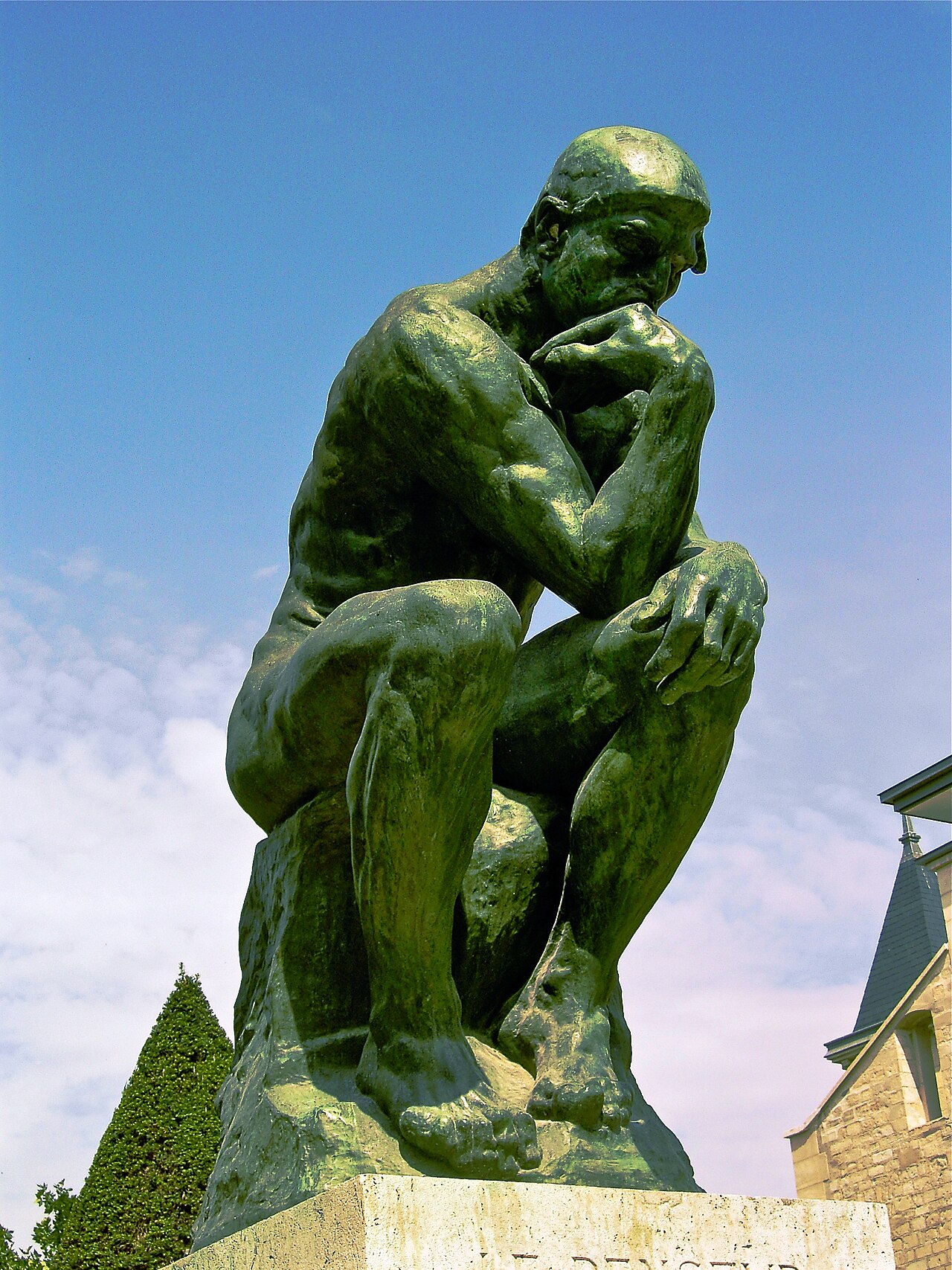 Sculpture
Secondary source
The Thinker
Auguste Rodin · 1882
 Sculpture
Primary source
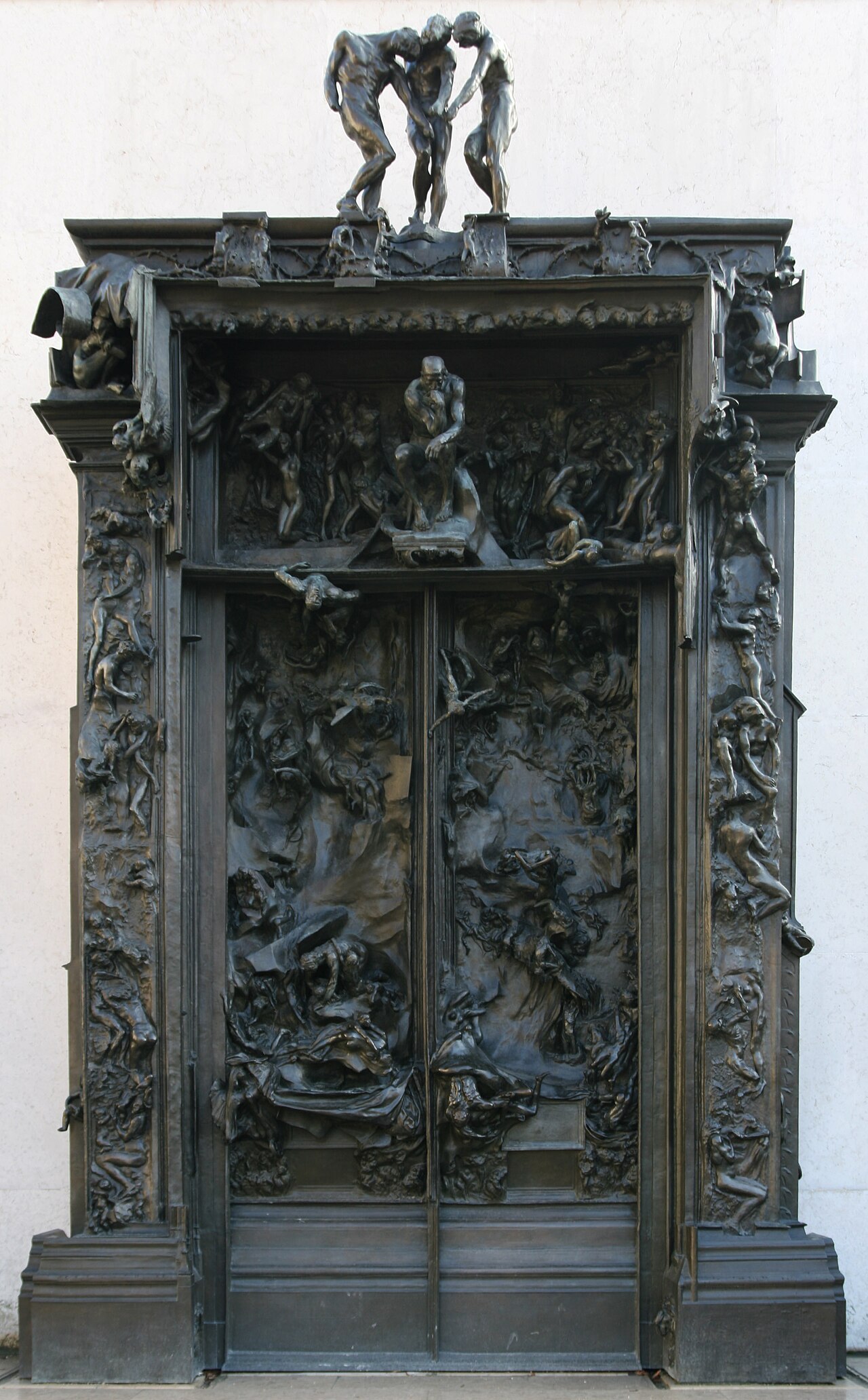
The Gates of Hell
Auguste Rodin · 1880-1917
 Sculpture
Primary source
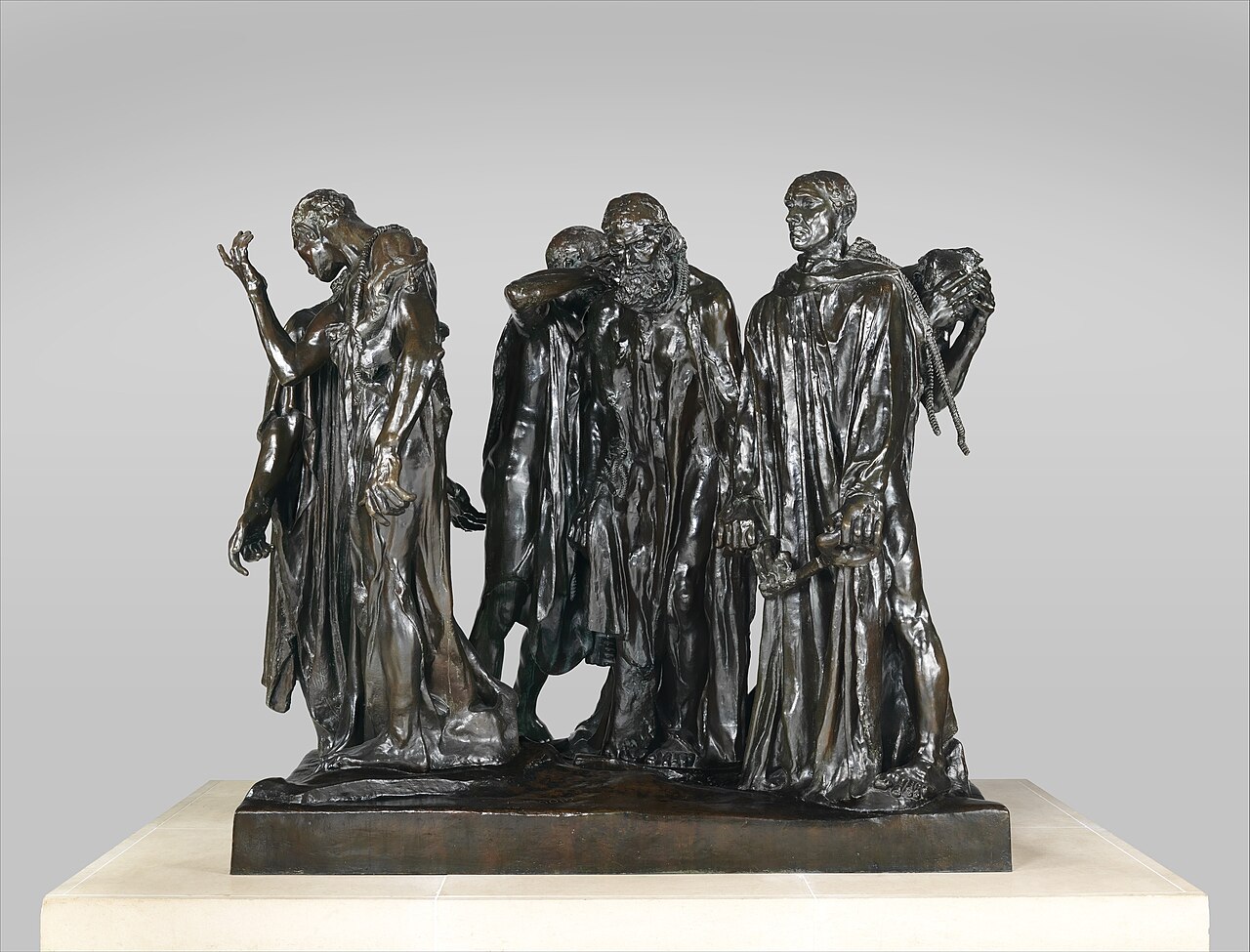
The Burghers of Calais
Auguste Rodin · 1884-1889
 Sculpture
Primary source
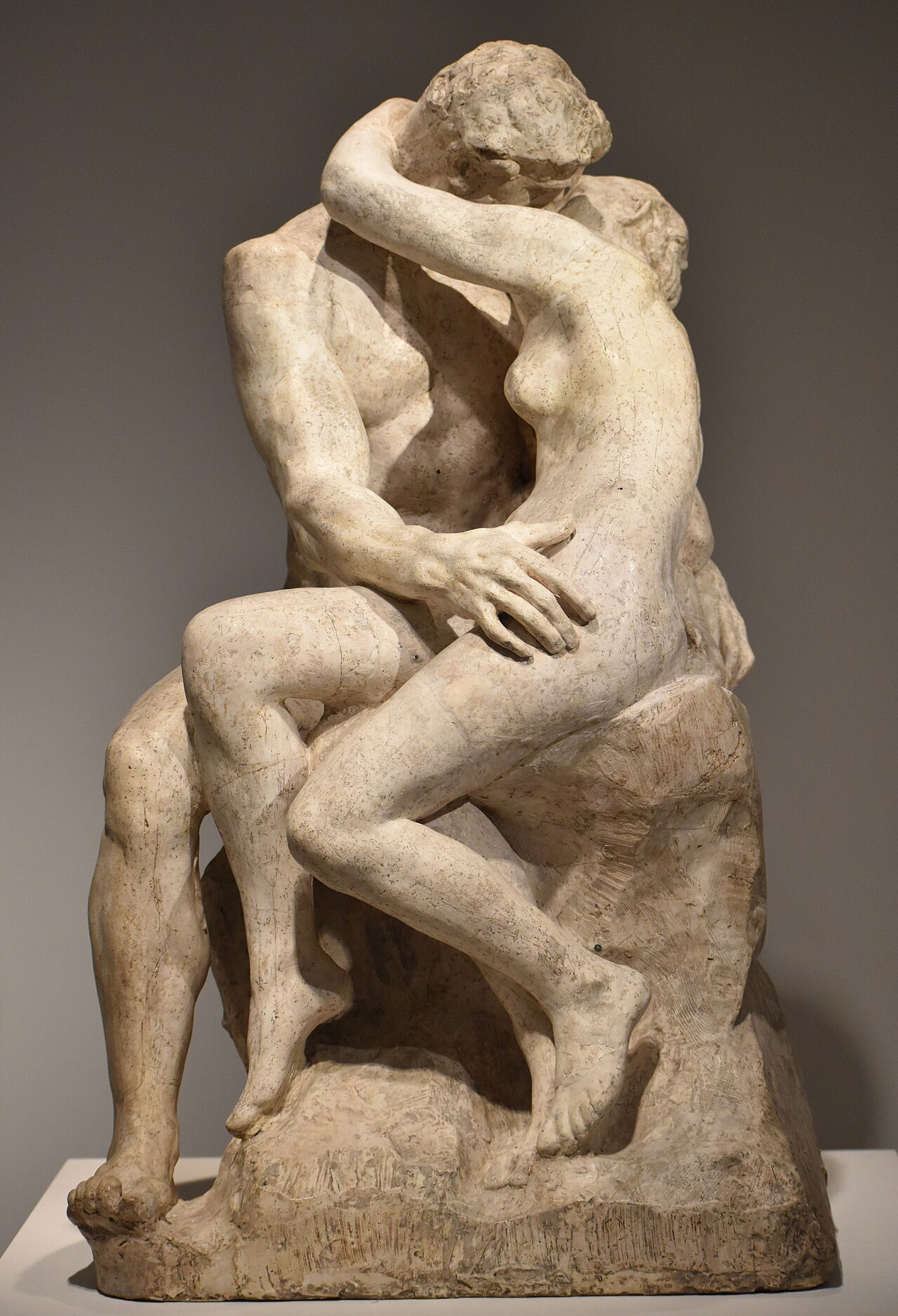
The Kiss
Auguste Rodin · 1882
Free account
Read every Auguste Rodin source
Sign up free →
Ready when you are
Start chatting with Auguste Rodin now.
20 messages free · No credit card · Available in 50+ languages.